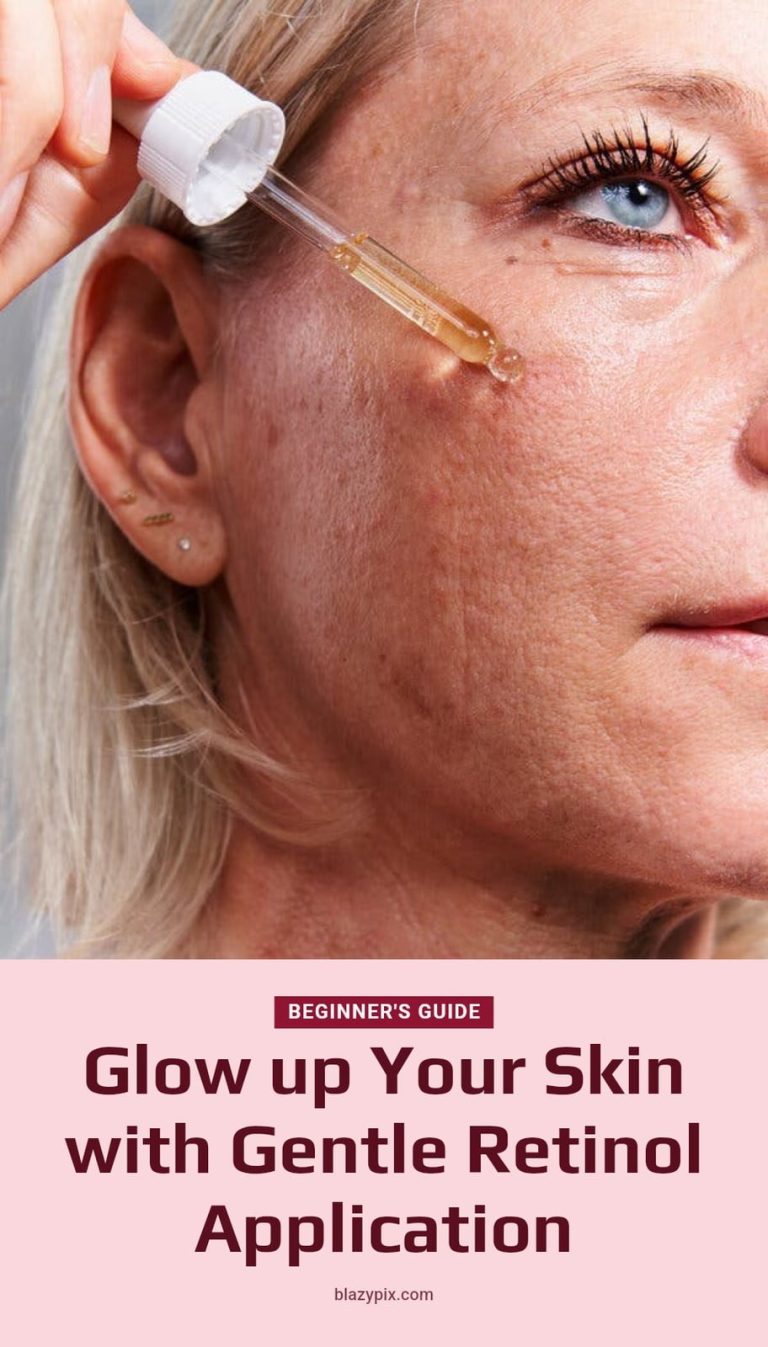
How to Start Using Retinol for Glowing Skin
New to retinol? Learn how to start using retinol correctly, avoid irritation, and achieve smoother, clearer skin with our step-by-step guide.

Starting retinol can feel like a big step, but it is one of the most effective ingredients for smoother, more radiant skin. You might have heard about the redness and peeling, but with the right approach, you can minimize those side effects and see real changes. This article covers how to introduce retinol safely, what to expect, and how to avoid common mistakes, so you can get the glow you are after without the drama.
Key Takeaways
- Start with a low concentration (0.25% or 0.3%) and apply it once or twice a week.
- Always use retinol at night and wear SPF 30+ sunscreen daily.
- Apply retinol to dry skin and follow with moisturizer to reduce irritation.
- Expect initial dryness or peeling for 2-4 weeks; visible results appear after 3-6 months.
- Do not use retinol during pregnancy or breastfeeding; check with your doctor.
Starting Your Retinol Journey
Retinol is a powerful derivative of Vitamin A that can improve skin texture, reduce wrinkles, and treat acne. But it demands respect: introduce it gradually, starting with a low concentration and applying it infrequently. Always wear sunscreen daily, because retinol increases sun sensitivity. Consistency and patience are your best allies for seeing results while minimizing irritation.
How Retinol Transforms Your Skin
What Retinol Does Under the Surface
Retinol, a type of retinoid, works by accelerating your skin’s cell turnover. That means old, dull cells slough off faster, making room for fresh, new ones. This process also stimulates collagen production, which helps reduce fine lines and wrinkles over time. Increased cell turnover helps clear pores, which is why retinol is a go-to for acne treatment.
Those initial side effects, like redness and peeling, happen because your skin is adjusting to the faster cell cycle. It’s a sign the product is working, not a reason to quit. Think of it as your skin learning a new rhythm.
- Cell turnover: Speeds up the shedding of dead skin cells.
- Collagen boost: Plumps skin, smoothing fine lines.
- Pore clearing: Reduces acne breakouts.
- Adjustment phase: Redness and peeling are temporary.
Your Retinol Skincare Arsenal

Before you start, gather a few essentials. Your skin will need support, not just the active ingredient.
- Gentle cleanser: Prepares skin without stripping it.
- Low-concentration retinol serum or cream: Start at 0.25% or 0.3%.
- Rich, hydrating moisturizer: Fights dryness and irritation.
- Broad-spectrum sunscreen SPF 30+: Non-negotiable daily protection.
These four items form your retinol toolkit. Keep them simple and consistent.
Step-by-Step: Introducing Retinol to Your Routine

Introducing retinol is a marathon, not a sprint. Follow these steps to ease your skin in.
- Start low: Choose a retinol with 0.25% to 0.3% concentration. This lets your skin adjust without overwhelming it.
- Cleanse and dry: Wash your face with a gentle cleanser, then pat it completely dry. Wait 2-3 minutes to ensure no dampness remains.
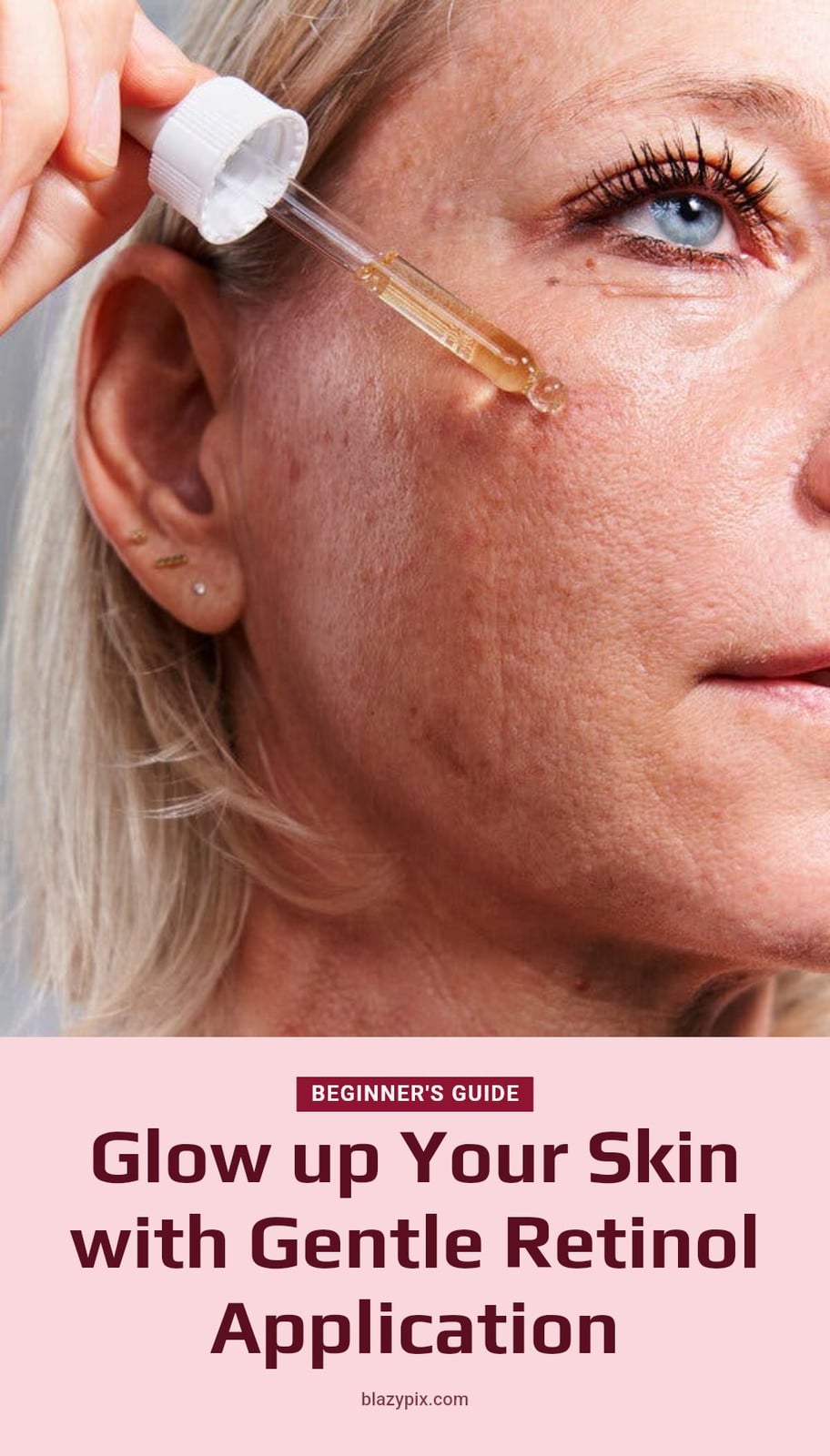
- Apply a pea-sized amount: Dot it on your forehead, cheeks, and chin, then spread evenly. Avoid the eye area and the corners of your mouth.
- Moisturize immediately: Follow with a generous layer of your rich moisturizer to lock in hydration and buffer irritation.
- Start slow: Use retinol 1-2 times a week for the first two weeks. If your skin tolerates it, increase to every other night, then nightly.
- Use at night only: Sunlight degrades retinol and increases sensitivity, so apply it in your evening routine.
Tip: For extra-sensitive skin, try the sandwich method: apply a thin layer of moisturizer, then retinol, then another moisturizer layer.
Common Retinol Mistakes to Avoid
Starting too strong: Jumping in with a high concentration or using retinol every night is the fastest route to redness and peeling. Begin with 0.25% to 0.3% and use it just once or twice a week, then slowly increase as your skin builds tolerance.
Skipping sunscreen: Retinol makes your skin more vulnerable to UV damage. Wear broad-spectrum SPF 30 or higher every single day, even if you are staying indoors or it is cloudy.
Applying to damp skin: Water increases how much retinol penetrates, which often leads to irritation. Wait until your face is completely dry after cleansing before applying retinol.
Mixing too many actives: Using AHAs, BHAs, or Vitamin C in the same routine as retinol can over-exfoliate and damage your skin barrier. Alternate them on different nights or use the other active in the morning.
Giving up during the purge: Some breakouts and flaking in the first few weeks are normal as your skin adjusts. Stick with it, consistency over several months is what delivers results.
Pro Tips for a Smooth Retinol Experience

Try the sandwich method: If your skin feels sensitive, apply a thin layer of moisturizer first, then retinol, then another layer of moisturizer on top. This buffers the active without blocking it completely.
Skip the sensitive zones: Avoid your eyelids, the corners of your nose, and your lips. Those areas have thinner skin and are more likely to react.
Hydrate generously: Use a hydrating serum with ingredients like hyaluronic acid before your moisturizer. Keeping your skin barrier well-supported reduces dryness and flaking.
Listen and adjust: If you notice excessive redness or stinging, cut back to once a week or take a few days off. Your skin will tell you what it can handle.
Stay patient: Most people start seeing improvements in fine lines and texture around the three-to-six-month mark. Consistency matters more than nightly use.
What to Expect: Timeline and Commitment
The first two to four weeks are often the hardest. You may notice dryness, redness, or mild peeling as your skin adapts to the faster cell turnover. This is normal and usually temporary.
Visible improvements in skin texture and fine lines typically appear after three to six months of regular use. For the most significant changes in wrinkles and overall skin quality, expect to commit for up to a year.
Consistency is what drives results. Skipping applications for days or weeks at a time resets your skin’s tolerance and delays progress.
Retinol products span a wide price range, from affordable drugstore options to pricier formulations. Effectiveness often depends more on the formulation and concentration than the price tag.
When to Consult a Dermatologist
Consult a dermatologist if you experience severe or persistent irritation, burning, or an allergic reaction that does not improve after adjusting your routine. Also seek professional advice if your skin becomes excessively dry, cracked, or painful.
Retinol is not recommended during pregnancy or breastfeeding. If you are pregnant or nursing, stop using it and talk to your doctor about safe alternatives.
If you have a pre-existing skin condition like eczema or rosacea and are unsure whether retinol is right for you, a dermatologist can help you decide on the best approach, including concentration and frequency.
Frequently Asked Questions
How long does it take to see results from retinol?
Visible improvements in skin texture and fine lines usually appear after 3 to 6 months of consistent use. Full benefits can take up to a year. Be patient and keep using it regularly, but remember that everyone’s skin is different, so your timeline may vary.
Can I use retinol every night?
Yes, but only after your skin has built tolerance. Start with 1 to 2 nights per week, then gradually increase to every other night, and eventually nightly if your skin handles it well. If you notice redness or peeling, cut back to a lower frequency.
What percentage of retinol should a beginner use?
Beginners should start with a low concentration, typically 0.25% or 0.3%. This lets your skin adjust without overwhelming it. Once your skin tolerates that level for a few weeks, you can consider moving to a slightly higher strength, but always increase gradually.
What happens if you stop using retinol?
When you stop using retinol, the benefits gradually fade. Your skin’s cell turnover and collagen production return to their previous pace, so fine lines and texture issues may reappear over time. Many people choose to continue using retinol long term to maintain results, but it is safe to take breaks if needed.
Can I use retinol with Vitamin C?
You can use both, but not at the same time. Retinol is for nighttime, while Vitamin C is often used in the morning. Combining them in one routine can increase irritation, so it is best to separate them. If you have sensitive skin, consider alternating days or using them at different times of day.
Final Thoughts
If you are new to retinol, my tip is to start slow and listen to your skin. Pick a low concentration, use it once or twice a week, and always pair it with a good moisturizer and daily sunscreen. You may notice some dryness or peeling in the first few weeks, but that is normal. Stick with it for at least three months to see real improvements in texture and fine lines. Consistency beats intensity, so give your skin time to adjust and you will be rewarded.
This article is for general information only and is not a substitute for professional medical advice. Retinol can cause irritation, and results vary by individual. If you have a skin condition, are pregnant, or experience severe reactions, consult a dermatologist or healthcare provider before use.