
Sore Muscles After a Workout: 9 Ways to Feel Better Faster
Experiencing sore muscles after a workout? Learn 9 effective strategies to alleviate discomfort, speed up recovery, and get back to your routine feeling better.

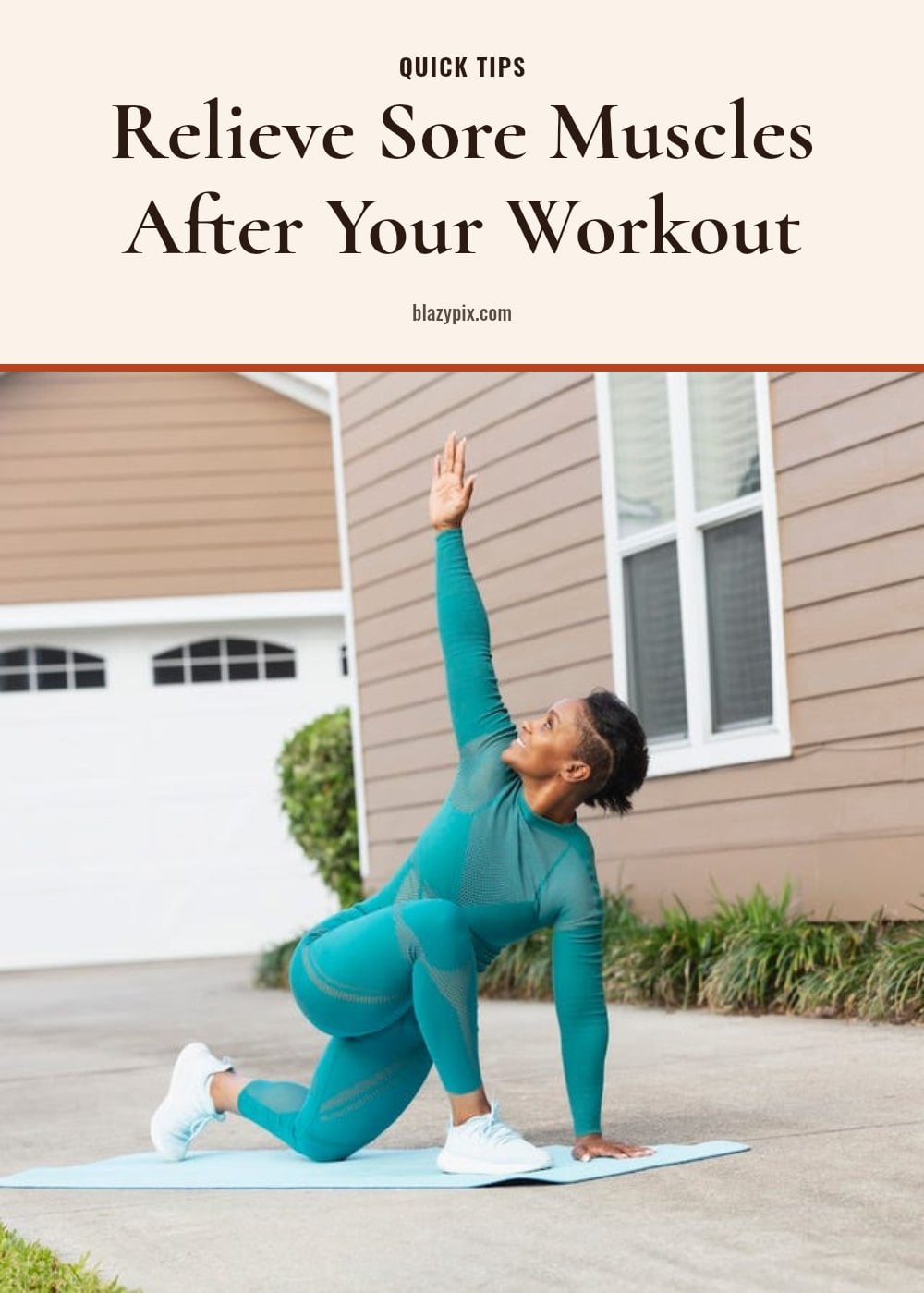
That deep, achy feeling in your muscles a day or two after a tough workout is completely normal. It’s called Delayed Onset Muscle Soreness, or DOMS, and it’s your body’s way of saying it’s adapting and getting stronger. This article covers nine practical ways to ease that soreness and speed up your recovery so you can get back to feeling like yourself faster.
Key Takeaways
- DOMS typically peaks 24 to 72 hours after exercise and lasts 3 to 5 days.
- Light active recovery, like a 20- to 30-minute walk, helps reduce stiffness.
- Apply ice packs for 15 to 20 minutes within the first 24 to 48 hours to reduce inflammation.
- Prioritize 7 to 9 hours of sleep each night for muscle repair.
- Gradually increase workout intensity to help prevent severe soreness.
Why Your Muscles Get Sore After a Workout
Those sore, tender muscles you’re feeling a day or two after a tough workout have a name: Delayed Onset Muscle Soreness, or DOMS. It’s a completely normal response to challenging your muscles in new ways. The soreness comes from microscopic tears in your muscle fibers and your body’s natural inflammatory response to repair them. Contrary to what you may have heard, lactic acid is not the cause. DOMS typically shows up 24 to 48 hours after exercise, peaks between 24 and 72 hours, and usually lasts a few days.
1. Gentle Active Recovery

Light movement is one of the most effective ways to ease muscle stiffness. The key is keeping the intensity low so you don’t stress already tired muscles. A 20- to 30-minute walk, gentle bike ride, or easy swim increases blood flow without overloading your body.
- Time: 20-30 minutes of low-intensity movement.
- Form cue: Keep your pace conversational; you should be able to talk easily.
- Make it easier or harder: Shorten the time or choose a flat route to reduce effort. To increase blood flow slightly, add gentle arm swings.
My tip: Think of it as a moving meditation for your muscles, gentle, not intense.
2. Cold Therapy (Ice Packs)
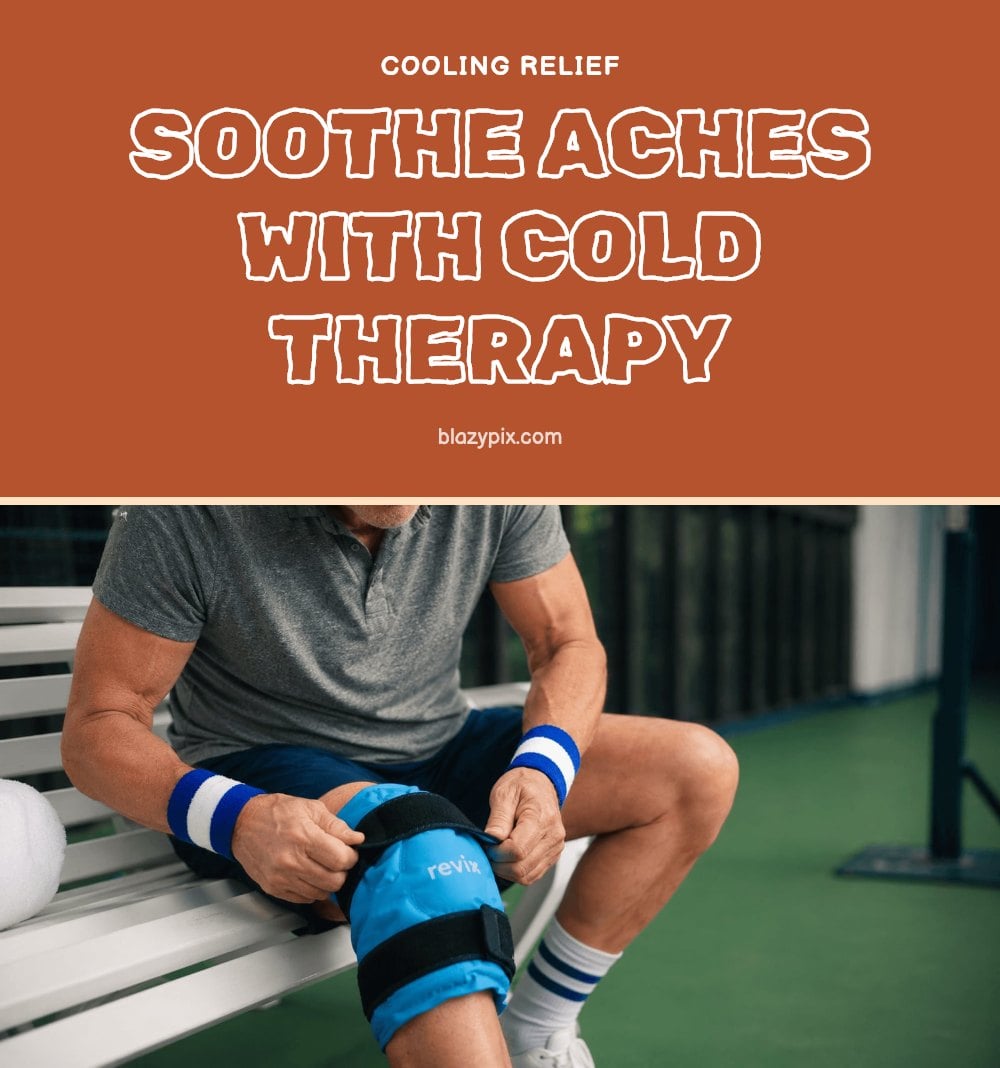
If you catch soreness early, cold therapy can help reduce inflammation and numb the discomfort. Apply an ice pack to particularly sore areas within the first 24 to 48 hours after your workout. Keep it on for 15 to 20 minutes at a time, and always place a thin cloth between the ice and your skin.
- Time: 15-20 minutes per session, within the first 24-48 hours.
- Form cue: Move the ice pack in slow circles to avoid concentrating cold on one spot.
- Make it easier or harder: Use a bag of frozen peas wrapped in a towel if you don’t have an ice pack. For deeper relief, consider a cold shower or a brief cold plunge, but keep total cold exposure under 20 minutes.
Caution: Do not apply ice directly to skin for extended periods to avoid frostbite.
3. Warm Baths or Heating Pads

Heat works well for relaxing tight muscles and increasing blood flow to sore areas. Take a warm bath with Epsom salts, or apply a heating pad to the affected muscles. Keep the heat on for 15 to 20 minutes and make sure the temperature is comfortable, not hot enough to burn.
- Time: 15-20 minutes.
- Form cue: If using a heating pad, place it over a thin layer of clothing and check the skin every 5 minutes.
- Make it easier or harder: A warm shower works too if you don’t have a bath. For added relaxation, add a few drops of lavender essential oil to the bathwater.
My tip: A warm bath before bed can also help you relax and improve sleep quality.
4. Gentle Stretching

Gentle stretching helps ease stiffness, but only after your muscles are warmed up. A warm shower or a few minutes of light walking prepares them so you don’t cause more damage. Hold each stretch for 20 to 30 seconds and breathe deeply throughout.
- Time: 20-30 seconds per stretch, repeat 2-3 times on each side.
- Form cue: Move slowly into the stretch until you feel a mild pull, then stop and hold.
- Make it easier or harder: Ease up if you feel any sharp sensation; a gentle tug is all you need.
Caution: Never stretch to the point of pain. Listen to your body and back off if it hurts.
5. Foam Rolling or Massage
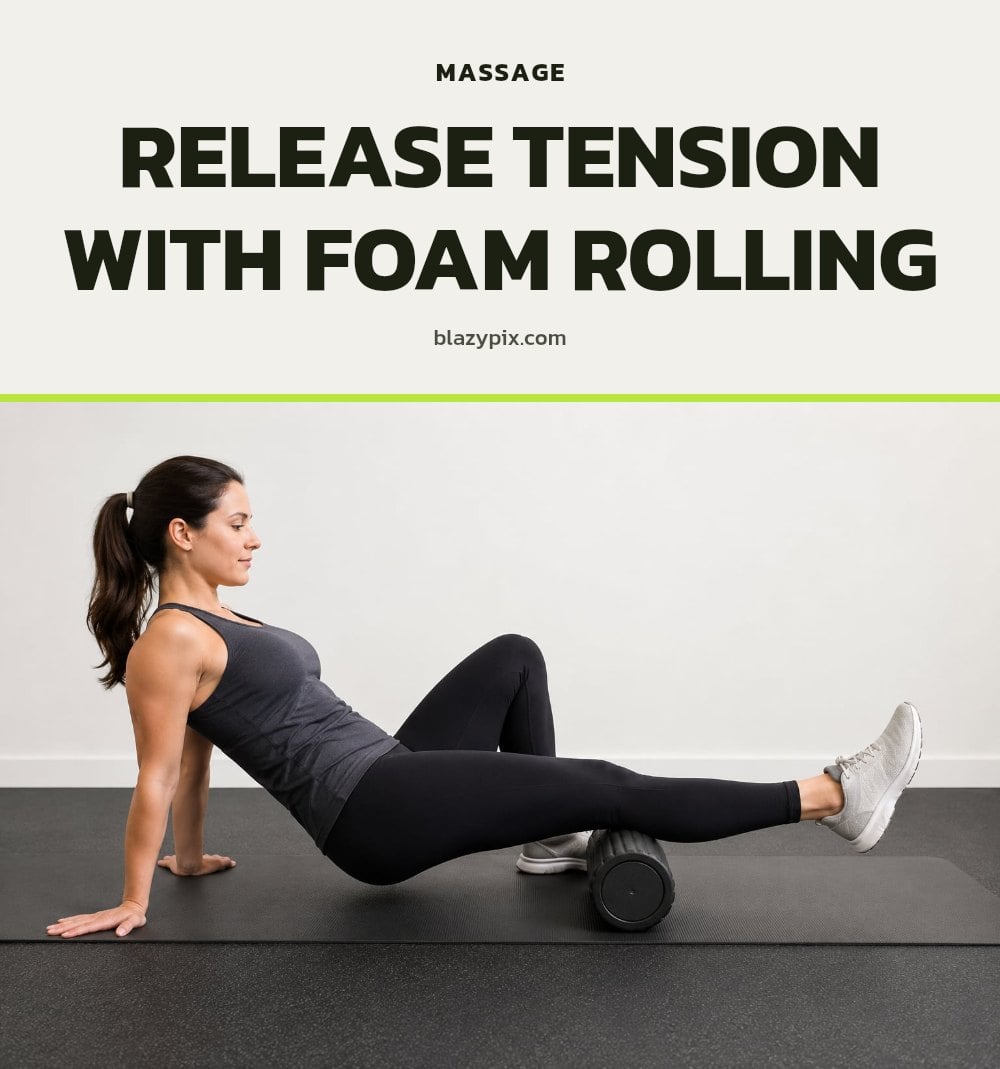
Foam rolling or using a massage ball applies direct pressure to tight spots, helping release muscle knots and improve blood flow. Roll slowly over sore areas, pausing on tender points for 30 to 60 seconds. A professional massage can also target deeper tension.
- Time: 30-60 seconds per tender spot, once per muscle group.
- Form cue: Keep your body relaxed and breathe normally; don’t hold your breath on sensitive spots.
- Make it easier or harder: Use a softer foam roller or ball to start, or apply less body weight for a gentler experience.
Tip: It might be uncomfortable at first, but consistent use can make a big difference.
6. Prioritize Sleep
Your body does most of its muscle repair while you sleep. Aim for 7 to 9 hours of quality sleep each night to give your muscles the time they need to rebuild. A consistent bedtime routine, like reading or dimming the lights, can improve your sleep quality.
- Time: 7-9 hours per night.
- Form cue: Keep your bedroom dark, cool, and quiet to support deep sleep.
- Make it easier or harder: Stick to a regular sleep and wake schedule, even on weekends, to help your body’s repair cycle.
Good to know: A dark, cool, quiet room is your best friend for muscle recovery.
7. Stay Hydrated
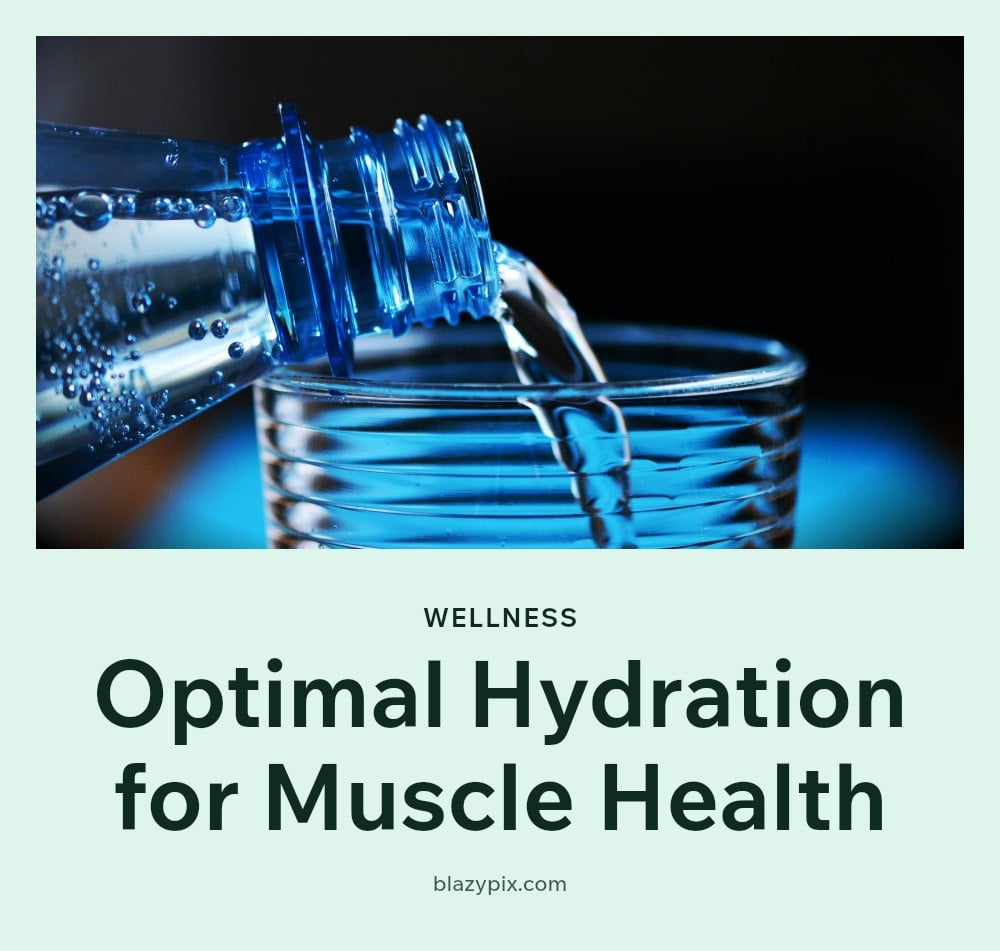
Water supports every function in your body, including muscle repair. Dehydration can make soreness feel worse and slow down recovery, so drink consistently throughout the day, especially after workouts. Your urine color is a simple guide: pale yellow means you’re well hydrated.
- Time: Sip water throughout the day; aim for at least 8 cups (64 ounces) as a baseline.
- Form cue: Take a few sips every 15-20 minutes rather than gulping large amounts at once.
- Make it easier or harder: Add a slice of lemon or cucumber for flavor if plain water feels boring.
Pro move: Keep a water bottle handy as a constant reminder to sip throughout the day.
8. Fuel with Protein
Protein gives your muscles the amino acids they need to repair the microscopic tears that cause soreness. Eating protein-rich foods after your workout and throughout the day supports that repair process.
- Good sources: lean meats, eggs, dairy, legumes, and protein supplements.
- Quick tip: A protein shake within an hour or two after your workout can kickstart recovery.
Preventing Future Soreness
You can reduce how severe DOMS feels next time by training smart. These habits help your muscles adapt without overwhelming them.
- Gradual Progression: Slowly increase the intensity, duration, or weight of your workouts so your muscles have time to adapt. Jumping into a much harder routine too quickly can lead to more severe soreness.
- Warm-Up Properly: Start each session with 5 to 10 minutes of light cardio and dynamic stretches to prepare your muscles for the work ahead. This may help them respond better to the strain.
- Cool-Down: End your workout with 5 to 10 minutes of static stretching to improve flexibility and ease recovery. Stretch gently, especially if muscles are already tender.
- Listen to Your Body: Don’t push through sharp pain. Rest when you need it, and take an extra rest day if soreness is severe. Training through significant discomfort can increase your risk of injury.
Common Sore Muscle Mistakes to Avoid
A few common mistakes can make soreness worse or delay recovery. Avoid these pitfalls to keep your recovery on track.
- Believing Lactic Acid is the Cause: DOMS is due to microscopic muscle damage and inflammation, not lactic acid buildup.
- Skipping Rest Days: Active recovery and rest days are crucial for muscle repair and growth.
- Overstretching Cold Muscles: Vigorously stretching cold, sore muscles can cause further damage. Always warm up first.
- Ignoring Severe Pain: Don’t dismiss sharp, sudden, or persistent pain that doesn’t improve; it could be an injury. If pain is severe or lasts more than a few days, consult a doctor.
Frequently Asked Questions
How long do sore muscles usually last?
DOMS typically lasts 3 to 5 days. Soreness usually appears 12 to 24 hours after exercise, peaks between 24 and 72 hours, and then gradually fades. Recovery strategies can help manage the discomfort during this time.
Is it okay to work out with sore muscles?
It’s generally safe to do light activity like walking or gentle cycling, but avoid intense workouts on already sore muscles. Working the same muscles hard while they’re still recovering can increase the risk of injury and slow down the repair process.
What’s the difference between muscle soreness and injury?
Muscle soreness from DOMS is diffuse, dull, and feels like tenderness or stiffness across a muscle group. An injury usually involves sudden, sharp pain, swelling, bruising, or an inability to move a limb. If you experience any of those signs, it’s best to see a doctor.
Can certain foods help with muscle recovery?
Yes, protein-rich foods provide the amino acids your muscles need to repair the microscopic tears that cause soreness. Eating lean meats, eggs, dairy, legumes, or protein supplements after your workout and throughout the day supports the recovery process.
Does stretching prevent sore muscles?
Stretching, especially dynamic stretching before exercise and gentle static stretching after your muscles are warm, may help with flexibility and reduce how sore you feel. However, it won’t completely prevent DOMS, which is caused by microscopic muscle damage, not tightness.
Final Thoughts
For most soreness, a combination of light movement, cold or heat therapy, gentle stretching, and good sleep will make a real difference. Expect the discomfort to ease over 3 to 5 days as your muscles repair and strengthen. Listen to your body, give it what it needs, and you’ll be back to your regular routine before you know it.
This article is for general informational purposes only and does not constitute medical advice. If you experience sudden, sharp pain, swelling, or soreness that lasts longer than 7 days, consult a healthcare professional or doctor for a proper evaluation.