How to Use Glycerin for Soft Skin and Healthy Hair
Learn how to use glycerin in your skincare and haircare routines for amazing hydration and softness. Discover DIY recipes and application tips.

If your skin or hair is feeling dry and you are looking for a simple, effective fix, glycerin might be the answer. This humectant pulls moisture from the air into your skin and hair, helping to hydrate and soften them. In this article, I will walk you through how to use glycerin safely, common mistakes to avoid, and what results you can expect.

Key Takeaways
- Always dilute pure glycerin with water or a hydrosol before applying it to skin or hair.
- Use glycerin in humid environments to maximize its moisture-attracting benefits.
- Combine glycerin with an occlusive ingredient like oil or butter to seal in hydration.
- Aim for a concentration of 5% to 10% glycerin in DIY formulations to avoid stickiness.
- Results often appear after a few uses, with significant improvements over two to four weeks.
What Glycerin Is and Why Your Skin and Hair Love It
Glycerin is a humectant, which means it pulls moisture from the air straight into your skin and hair. Your skin actually produces it naturally as part of its moisture barrier, and adding more helps strengthen that barrier and boost hydration. For hair, it works the same way: it moisturizes dry strands, cuts down frizz, and adds noticeable shine. Caution: pure glycerin is too concentrated to use as-is. Always dilute it with water or another liquid first, or it will feel sticky and can actually pull moisture out instead of adding it.
Your Essential Glycerin DIY Toolkit
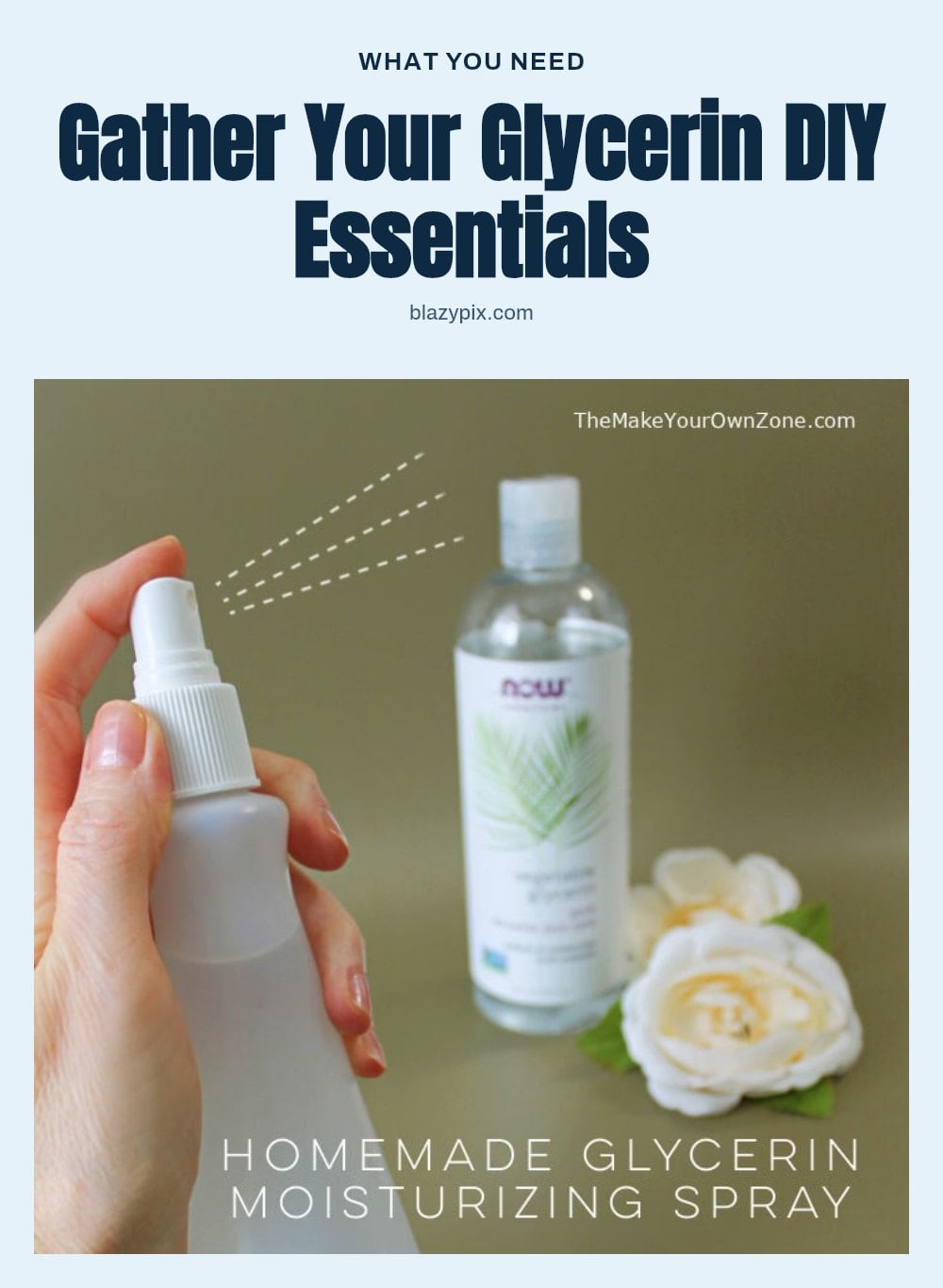
You don’t need much to start using glycerin at home. Here is what I keep on hand:
- Vegetable glycerin: Look for food-grade or cosmetic-grade vegetable glycerin. Never use industrial-grade glycerin for your skin or hair.
- Distilled water: Tap water can contain minerals that reduce shelf life, so distilled water is the safest choice for DIY mixes.
- Spray bottle: A fine-mist spray bottle makes it easy to apply diluted glycerin evenly as a facial mist or hair spray.
- Carrier oils and hydrosols: Oils like jojoba or argan add nourishment, and hydrosols like rose water or witch hazel enhance the benefits while diluting the glycerin.
Easy Ways to Incorporate Glycerin into Your Routine

Hydrating Facial Mist
Mix 1 part glycerin with 19 parts distilled water or rose water in a spray bottle for a 5% concentration. Shake well before each use. Mist your face after cleansing or whenever your skin feels dry. My tip: keep the bottle in your fridge for a cooling, refreshing spritz during warmer months. In low humidity, use a lower concentration to avoid drawing moisture out of your skin.
Boost Your Moisturizer or Serum
Add 2-3 drops of glycerin to your regular moisturizer or serum right before you apply it. This instantly increases the hydrating power without changing your routine. Caution: do not add more than a few drops at a time or the texture becomes too sticky.
Frizz-Control Hair Spray
Combine 1 tablespoon of glycerin with 1 cup of distilled water in a spray bottle for approximately a 5% concentration. Lightly mist damp or dry hair, focusing on ends and flyaways. It smooths frizz and adds a soft, natural shine. Pro move: use this spray before heat styling to protect hair from dryness.
Shampoo or Conditioner Booster
Stir 1-2 teaspoons of glycerin into your shampoo or conditioner bottle. This adds extra moisture without any extra steps in the shower. For conditioner, leave it on for 2-3 minutes before rinsing.
Nourishing Hair Mask
Mix 1 teaspoon of glycerin with 2 tablespoons of a carrier oil like coconut or almond oil. Apply to damp hair from mid-length to ends, leave on for 20-30 minutes, then shampoo and condition as usual. This mask deeply moisturizes dry, brittle strands and improves elasticity without leaving hair greasy.
Common Glycerin Mistakes and How to Avoid Them
Even a simple ingredient like glycerin can go wrong if you make these common mistakes.
- Using it undiluted: Pure glycerin is sticky and can pull moisture from your skin instead of adding it. Always mix it with water, a hydrosol, or a carrier oil first.
- Applying it in dry air without occlusives: In very low humidity, glycerin can draw moisture from deeper layers of your skin to the surface, where it evaporates. Combine it with an occlusive like a facial oil or butter to lock that moisture in.
- Expecting instant results: Glycerin improves hydration gradually. You will notice softer skin and hair after a few uses, but true barrier improvement takes consistent application over several weeks.
- Using industrial-grade glycerin: Only food-grade or cosmetic-grade vegetable glycerin is safe for beauty use. Industrial glycerin may contain impurities that irritate your skin.
Pro Tips for Maximizing Glycerin’s Benefits
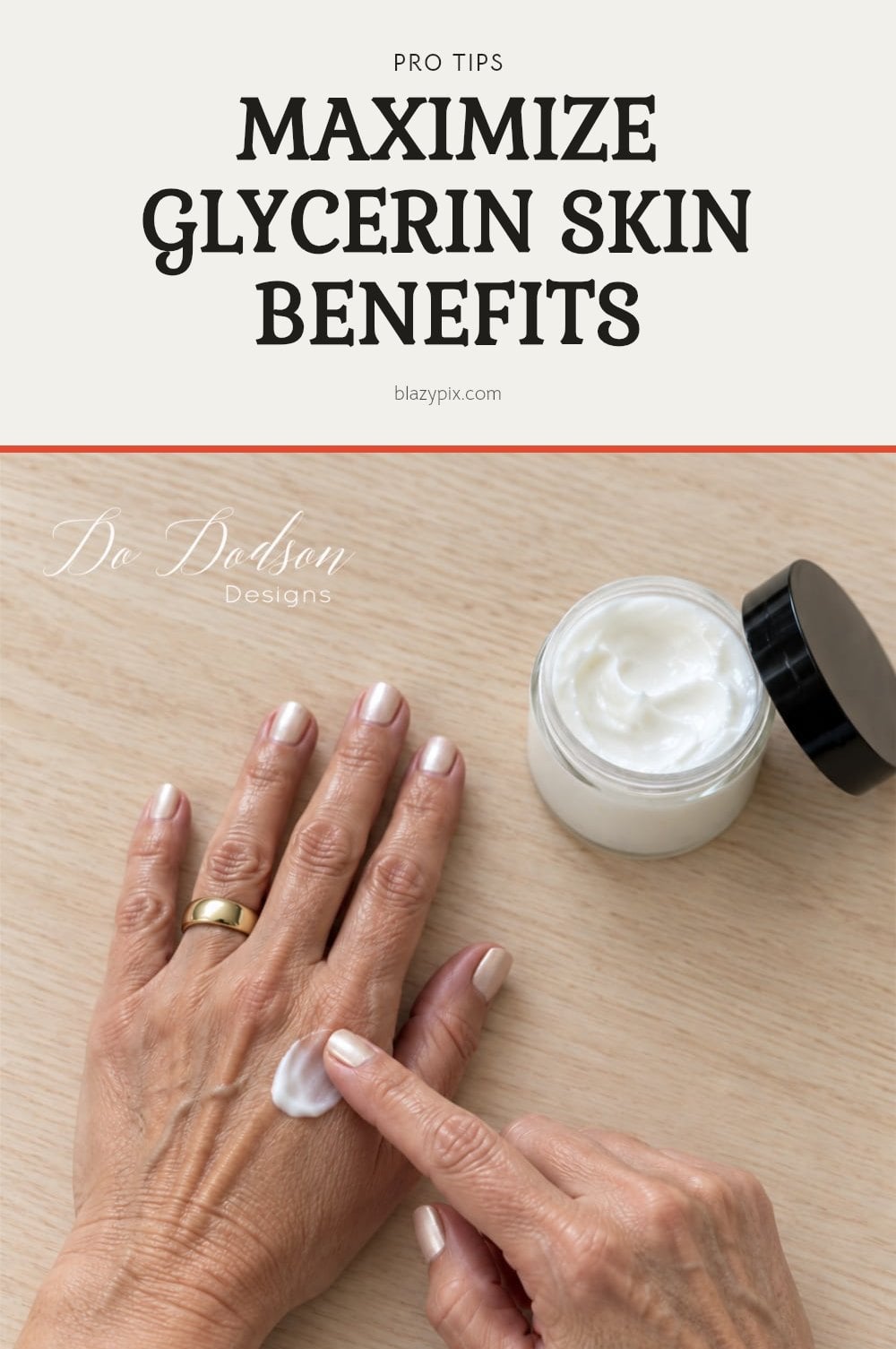
Patch Test First: Always test a new DIY glycerin mixture on a small area of your inner arm before using it on your face or scalp. This helps you catch any irritation before a full application.
Humidity Matters: Glycerin can still work in low humidity when paired with an occlusive like oil or butter, but its primary benefit of drawing moisture from the air is maximized in more humid conditions. On a dry day, the air has less water to pull, so combine glycerin with an occlusive to prevent it from drawing moisture from deeper skin layers.
Seal It In: Glycerin draws moisture in, but it won’t keep it there on its own. Follow your glycerin spray or serum with a few drops of a carrier oil or a lightweight butter to lock the hydration under a protective layer.
Store Properly: Pour any leftover DIY mixture into a clean, airtight container or spray bottle. Bacteria can grow in water-based blends, so keep them in a cool, dark spot and use within one to two weeks.
Consistency is Key: You won’t see a complete transformation after one use. Apply your glycerin routine regularly, whether daily or every other day, and the improvements in softness and elasticity will build over time.
What to Expect: Timeline and Cost for Glycerin Use
Timeline for Results: You may notice softer, more hydrated skin or hair after just a few uses. More significant improvements, like reduced flakiness or better curl definition, typically appear after two to four weeks of consistent application.
Frequency of Use: Daily or every-other-day use is safe for most people. If you live in a very dry climate, you might skip a day or two and rely more on occlusives to avoid any potential drying effect.
Cost-Effectiveness: A bottle of food-grade vegetable glycerin costs very little and lasts for months when used in small amounts. Your DIY sprays and boosters end up costing a fraction of what you would pay for commercial hydrating products.
Frequently Asked Questions
Can I use glycerin every day?
Yes, you can use glycerin daily as long as it is properly diluted. A hydrating facial mist or a few drops added to your moisturizer works well for everyday use. In very dry climates, you might want to pair it with an occlusive to prevent moisture loss.
Is vegetable glycerin better than other types?
For DIY beauty, vegetable glycerin is the best choice because it is plant-based and gentle on the skin. Cosmetic-grade vegetable glycerin is widely available and safe for topical use. Avoid industrial-grade glycerin, which may contain impurities not meant for skin or hair.
What happens if I use too much glycerin?
Using too much glycerin can leave a sticky, tacky feeling on your skin or hair. In low-humidity conditions, a high concentration may even draw moisture out of your skin, causing dryness. Stick to a 5% to 10% dilution to avoid these issues.
Can glycerin clog pores?
No, glycerin is non-comedogenic, meaning it is unlikely to clog pores. It is generally well-tolerated by most skin types, including oily and acne-prone skin. Still, performing a patch test is a good idea when trying any new DIY mixture.
How long does it take to see results from using glycerin?
You may notice softer, more hydrated skin or hair after just a couple of uses. More significant improvements, such as reduced flakiness or better curl definition, typically appear after two to four weeks of consistent application. Daily or every-other-day use gives the best results.
Final Thoughts
To get the most out of glycerin, stick with a simple diluted mist or add a few drops to your regular products. Expect softer skin and hair after a couple of uses, with more noticeable changes like reduced flakiness or better curl definition after two to four weeks of consistent application. Keep a spray bottle of glycerin and water in your fridge for a refreshing, hydrating boost whenever you need it.