Homemade Bath Salts Recipe for Relaxation and Sore Muscles
Learn how to make your own bath salts at home with this easy recipe. Soothe sore muscles and unwind with natural ingredients and essential oils.

You don’t need fancy store-bought products to turn your bath into a spa-like retreat. Homemade bath salts are incredibly simple to make, customizable to your mood, and can help soothe sore muscles and melt away stress. This article will walk you through a basic recipe, pro tips, and safety precautions so you can create your own relaxing soak at home.
Key Takeaways
- Start with 1/2 to 2 cups of bath salts per standard bath for a safe and effective soak.
- Always dilute essential oils with a carrier oil before mixing into bath salts to prevent skin irritation.
- Store your bath salts in an airtight container in a cool, dark place to keep them fresh for months.
- Epsom salt is the most common base, but you can mix in sea salt or Himalayan pink salt for trace minerals.
- Consult a doctor before use if you are pregnant, have high blood pressure, or a heart condition.
Why Make Your Own Bath Salts?
Making your own bath salts is one of the simplest ways to upgrade your soak without spending much. You control every ingredient, so you skip synthetic fragrances and additives. The base is usually Epsom salt, which many people find helps soothe sore muscles and encourages relaxation. Add a few drops of essential oil for aromatherapy, and you have a personalized bath experience that costs less than store-bought versions.
Homemade Bath Salts Recipe
Here is a base recipe you can adjust to your liking. The amounts make about 2 cups, enough for several baths.
- 1 cup Epsom salt: The base for muscle relaxation.
- 1/2 cup sea salt or Himalayan pink salt (optional): Adds trace minerals.
- 1/2 cup baking soda: Softens water and soothes skin.
- 15-20 drops essential oil: Choose lavender for relaxation, peppermint for invigoration, or citrus for an uplifting mood.
- 1 tablespoon carrier oil (jojoba, almond, or fractionated coconut): Dilutes the essential oils so they disperse in water and don’t irritate skin.
Mix the dry ingredients first, then stir in the carrier oil and essential oils. Use 1/2 to 2 cups per bath.
Step-by-Step: Crafting Your Relaxing Bath Salts
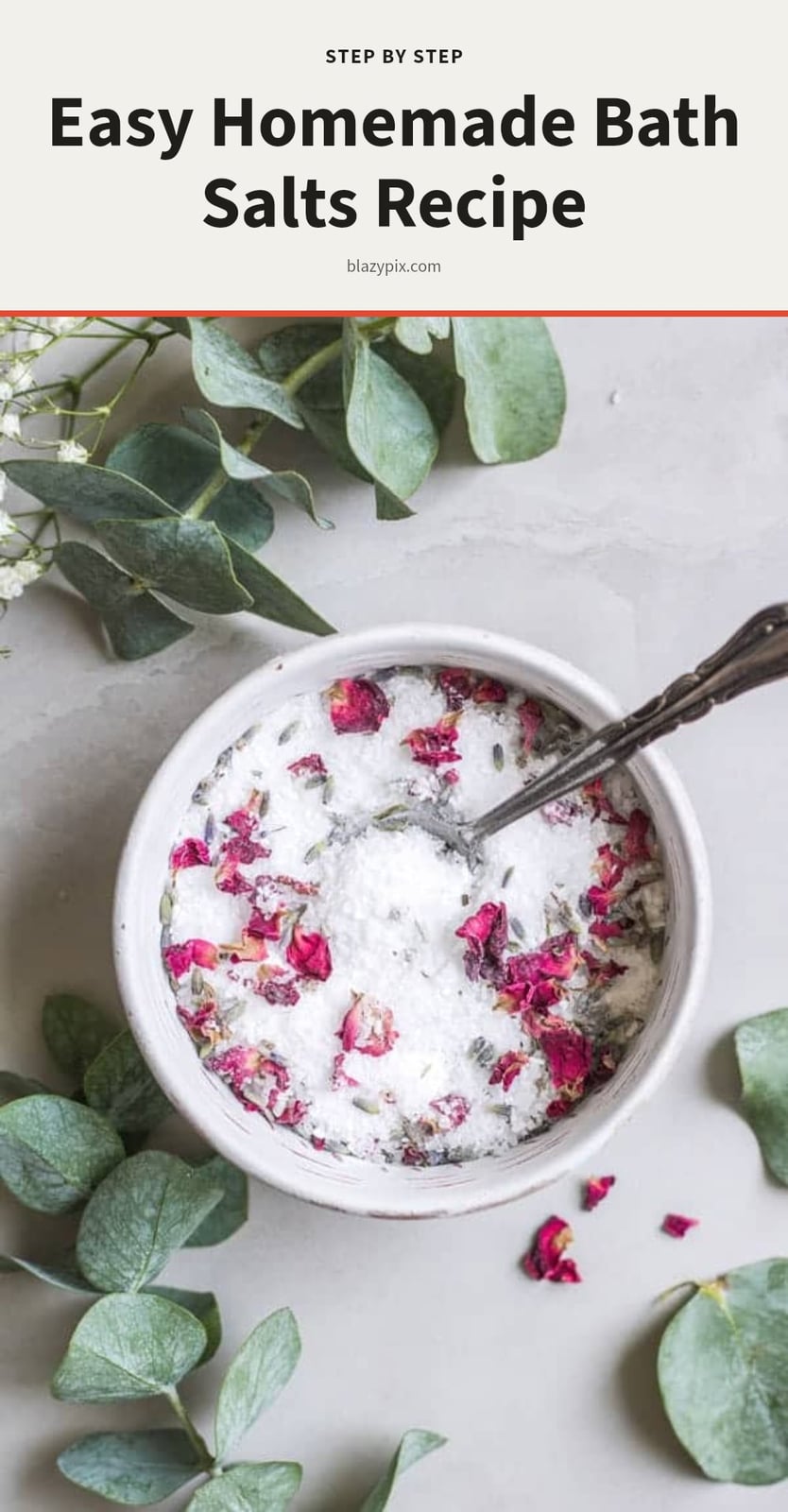
- Combine dry ingredients: In a large bowl, whisk together the Epsom salt, sea salt (if using), and baking soda. Make sure there are no clumps so the oils distribute evenly.
- Dilute essential oils: In a small glass jar or cup, mix the essential oils with the carrier oil. This step is non-negotiable: undiluted essential oils can float on the water’s surface and irritate your skin.
- Mix oil blend into salts: Slowly pour the oil mixture over the dry salts while stirring with a spoon or whisk. Keep stirring for 2-3 minutes so every grain is lightly coated. The mixture should feel slightly damp but not wet.
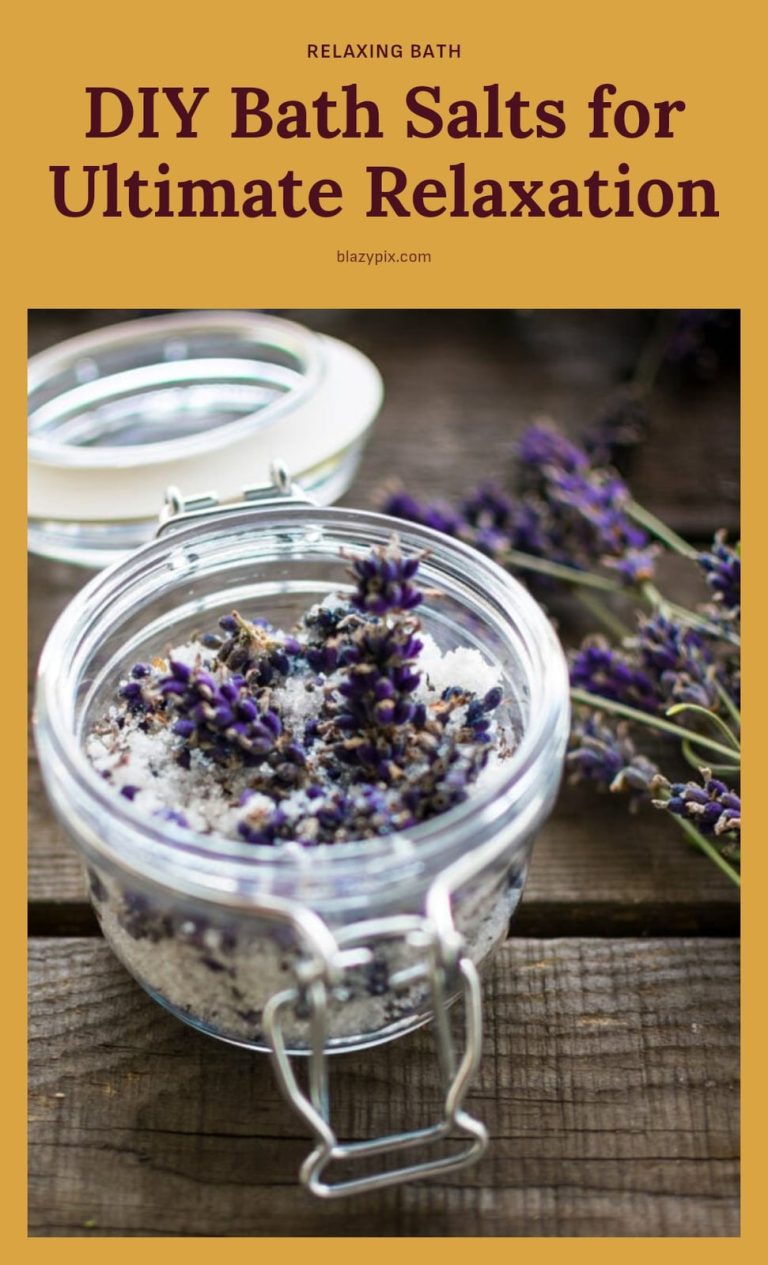
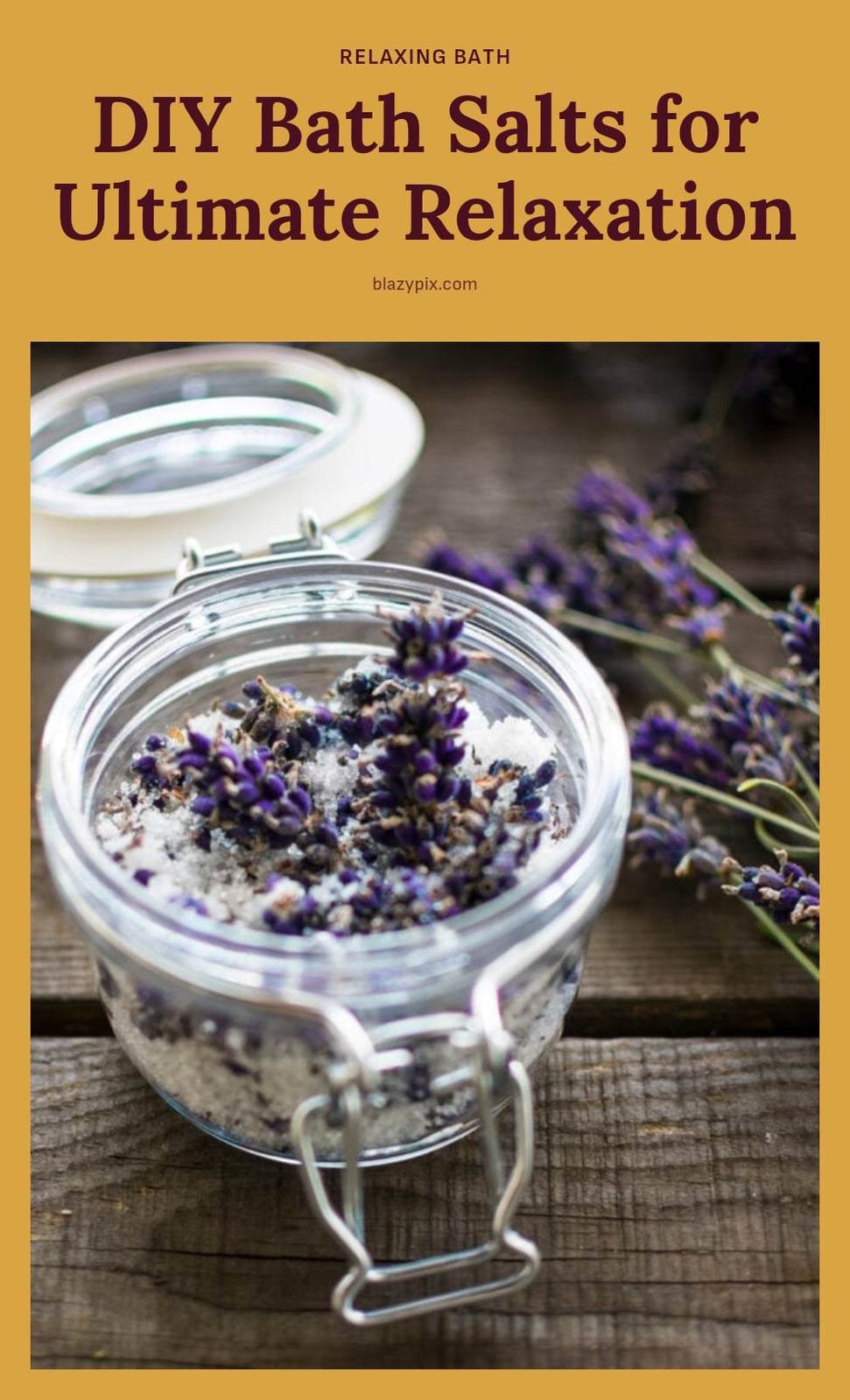
- Add botanicals or colorants: If you want visual appeal, fold in dried rose petals, lavender buds, or a pinch of mica powder. Use only dried botanicals; fresh ones can mold. Add color sparingly, too much can stain your tub.
- Transfer to airtight container: Spoon the bath salts into a glass jar with a tight-fitting lid. Label it with the date and scent. Store in a cool, dark place, and use within several months.
Pro Tips for Perfect Bath Salts
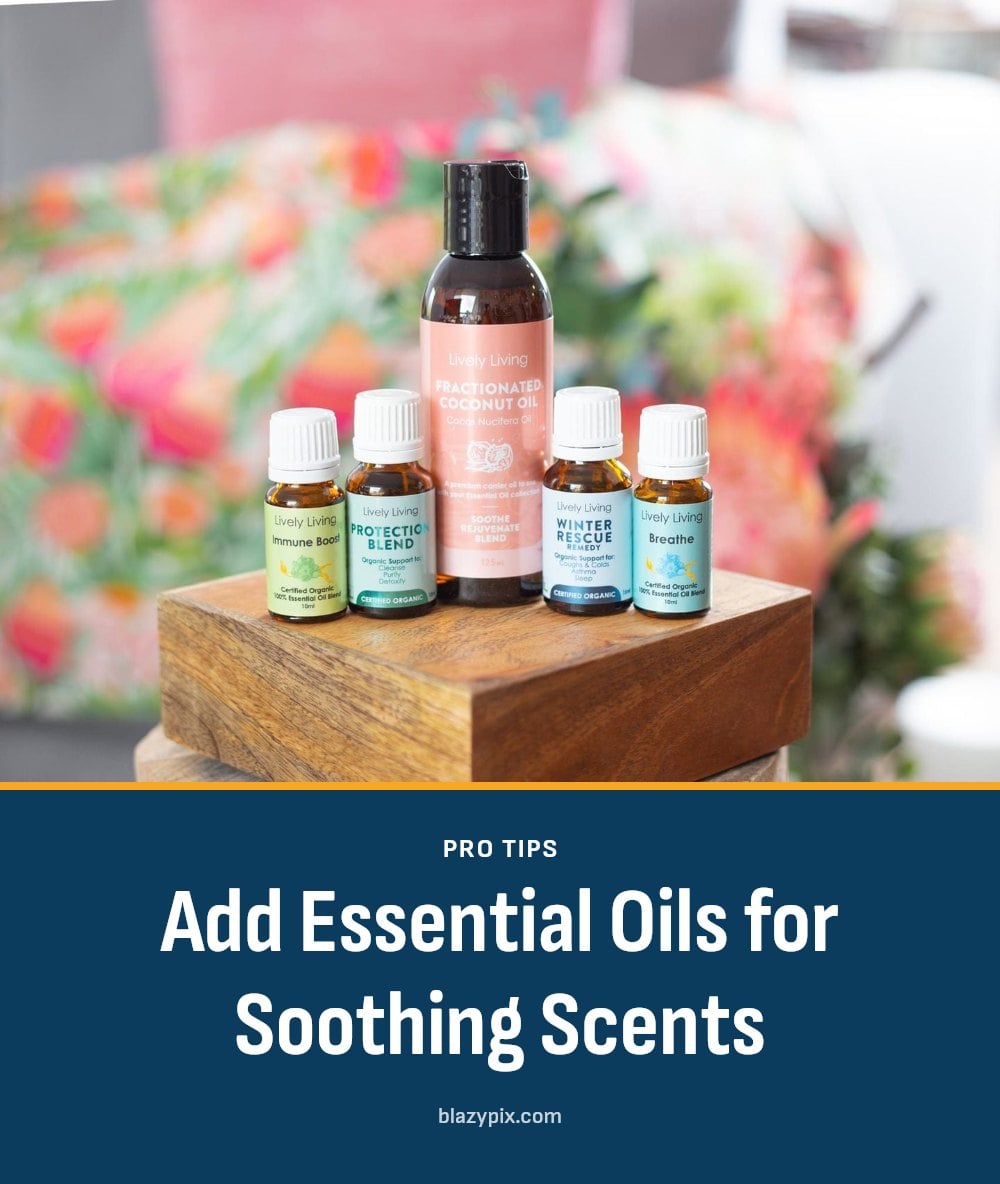
- Start with less essential oil: Begin with 10 drops per cup of salt, then add more if you want a stronger scent. You can always add, but you can’t take away.
- Always use a carrier oil: Even if you think your essential oil is mild, diluting it in jojoba, almond, or fractionated coconut oil prevents skin irritation and helps the oil blend into the water.
- Use a mesh bag for botanicals: Put dried petals or buds in a muslin bag or tea infuser before adding to the bath. This keeps them from clogging the drain and makes cleanup quick.
- Choose high-quality essential oils: Look for pure oils from reputable brands. Synthetic fragrance oils don’t offer the same aromatic benefits and may cause irritation.
- Add a pinch of baking soda: Even if your recipe doesn’t call for it, a tablespoon of baking soda helps soften the water and can help disperse oils.
Customizing Your Bath Salts with Variations
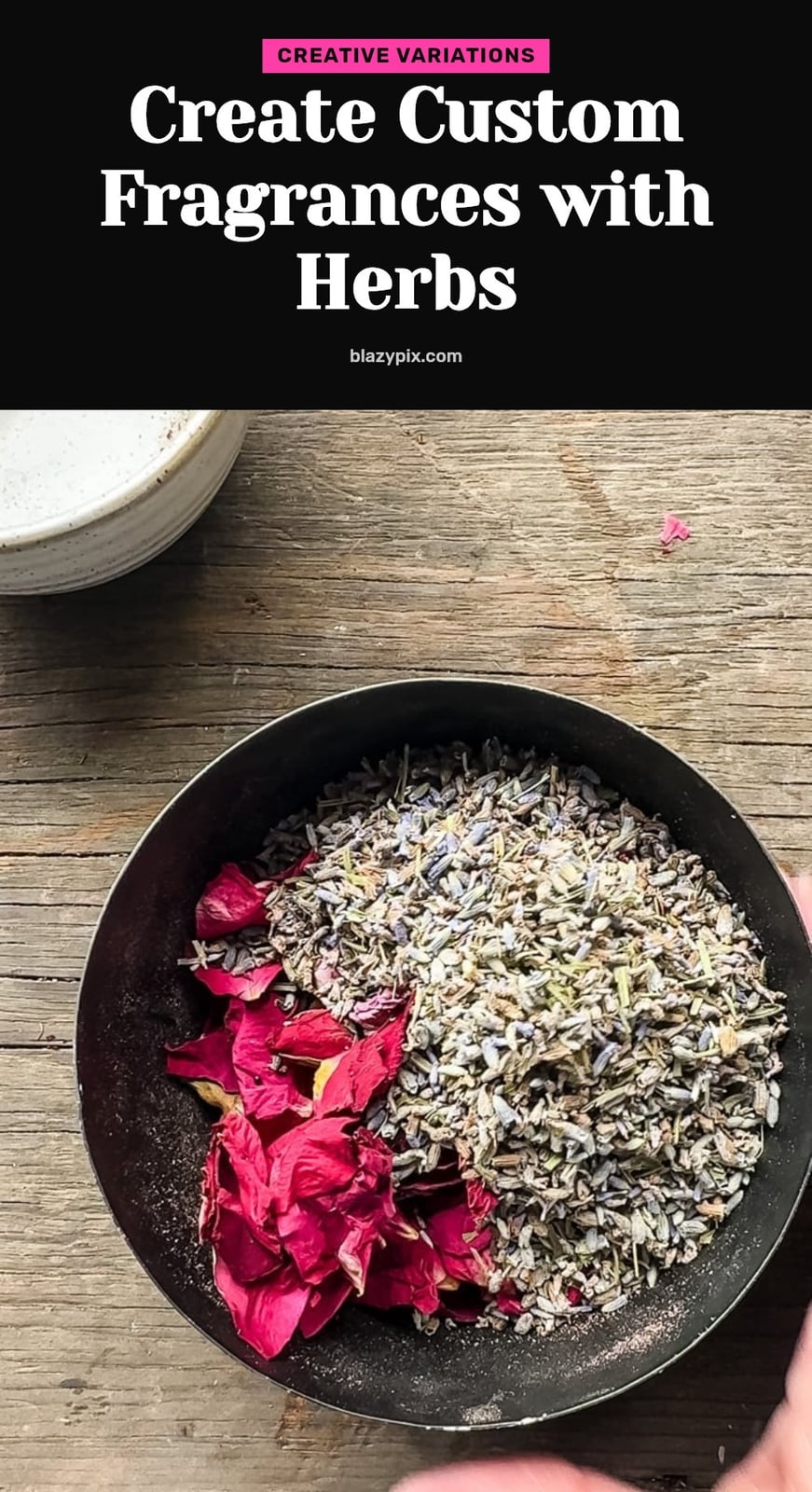
Once you master the base recipe, the fun begins. Swap out the Epsom salt for sea salt or Himalayan pink salt to introduce different trace minerals like calcium and potassium. For scent, match your essential oils to your mood: lavender or chamomile for winding down, peppermint or rosemary for a morning boost, and sweet orange or grapefruit for an uplifting soak. Dried botanicals such as rose petals, calendula, or lavender buds add a beautiful visual touch and a whisper of natural fragrance. A pinch of mica powder gives the salts a subtle shimmer without staining the tub. You can also blend oils, try lavender with a drop of cedarwood for a deeper relaxation blend. Just remember that citric acid creates fizz, but it is more common in bath bombs than in bath salts.
Storing Your Homemade Bath Salts
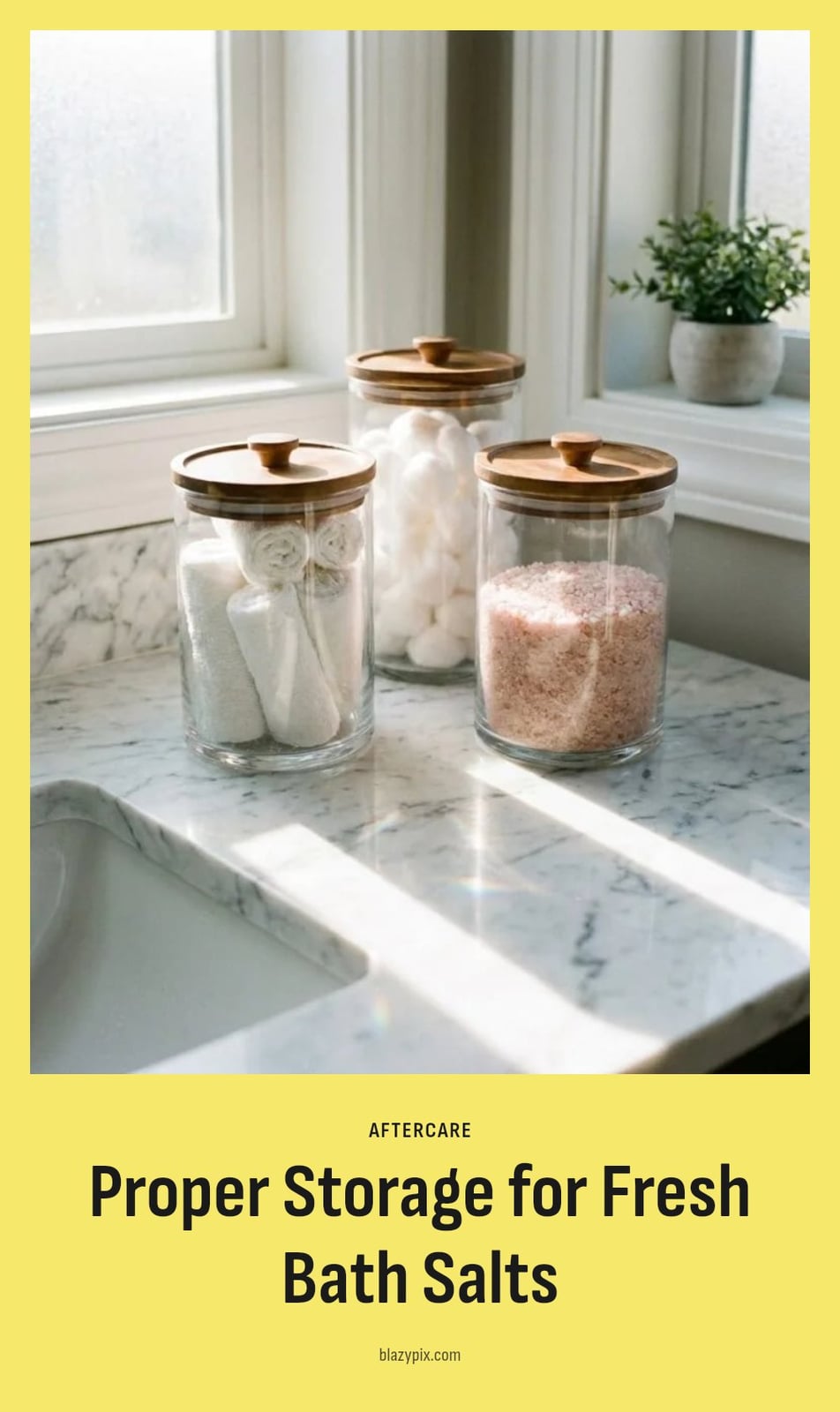
To keep your bath salts fresh and fragrant, pour them into an airtight glass jar or a resealable container. Moisture in the air can cause clumping and make the salts harden into a lump. Store the container in a cool, dark spot like a bathroom cabinet or linen closet. Avoid placing it directly next to the shower or in a humid area, humidity also speeds up the loss of essential oil scent. When stored properly, your bath salts can stay effective for several months.
Common Mistakes to Avoid When Making Bath Salts
A few common slip-ups can ruin a good batch. Using too much essential oil: More than 15-20 drops per cup of salt can irritate your skin or create an overwhelming scent. Start low and add. Not diluting essential oils: Adding undiluted oils directly to the salts means they will float on the bath water and may cause irritation. Always mix them with a carrier oil first. Improper storage: Leaving your salts in an open bowl invites moisture and makes them clump. Use an airtight container. Using botanicals that clog drains: Loose petals or buds can block your pipes. Put them in a mesh bag or tea infuser instead. Believing bath salts are a cure-all: They can help you relax, but they are not a treatment for serious medical conditions. Using synthetic fragrance oils: These lack the therapeutic properties of pure essential oils and can sometimes irritate sensitive skin.
When to Consult a Healthcare Professional
Stop using your bath salts and talk to a doctor if you notice skin redness, itching, or irritation after a soak. Always check with a healthcare professional before trying bath salts if you are pregnant, breastfeeding, or have high blood pressure, heart disease, or diabetes. Avoid using bath salts on open wounds or severely irritated skin. If muscle soreness or stress does not improve with regular baths, see your provider to rule out other causes.
Frequently Asked Questions
Can I use regular table salt for bath salts?
Table salt is not ideal for bath salts. It is highly processed and lacks the beneficial trace minerals found in Epsom salt, sea salt, or Himalayan pink salt. It can also be more drying to the skin. Stick with salts specifically labeled for bathing or cooking-grade sea salt for the best experience.
How long do homemade bath salts last?
When stored in an airtight container in a cool, dark place, homemade bath salts can last for several months. The essential oils may fade over time, but the salts themselves remain effective. If you notice clumping or a change in smell, it is safe to use as long as there is no mold or spoilage.
What essential oils are good for sleep?
Lavender and chamomile are two of the most popular essential oils for promoting relaxation and sleep. You can also try a blend of lavender with a touch of cedarwood or bergamot for a calming effect. Always dilute them with a carrier oil before adding to your bath salts.
Can I use fresh flowers in my bath salts?
No, fresh flowers can mold quickly in bath salts and are not recommended. Use dried botanicals like rose petals or lavender buds instead. They add visual appeal and a subtle scent without the risk of spoilage. Place them in a mesh bag or tea infuser to prevent drain clogs.
How much bath salt should I use in a bath?
For a standard bathtub, start with 1/2 cup of bath salts and you can increase up to 2 cups for a stronger soak. If you have sensitive skin, begin with the smaller amount to see how your skin reacts. Too much can cause irritation or make the tub slippery.
Final Thoughts
My tip: start with the base recipe and adjust the essential oils to match what you need that day. Lavender for winding down, peppermint for an energy boost. Expect your first batch to take about 10 minutes, and the salts will stay fresh for several months if stored properly. A simple homemade bath salt can turn an ordinary evening into a moment of calm.
This article is for informational purposes only and is not a substitute for professional medical advice. Always consult a doctor before using bath salts if you are pregnant, breastfeeding, or have a medical condition. Discontinue use if skin irritation occurs and seek medical attention for persistent symptoms.