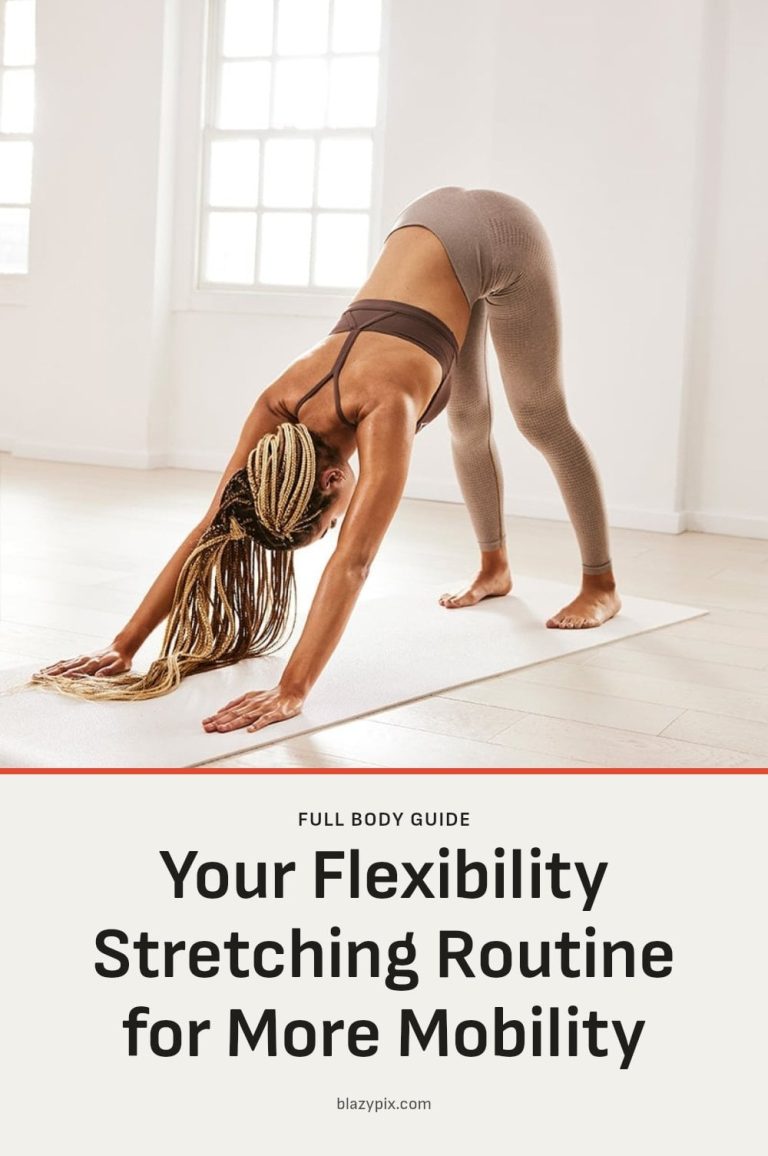
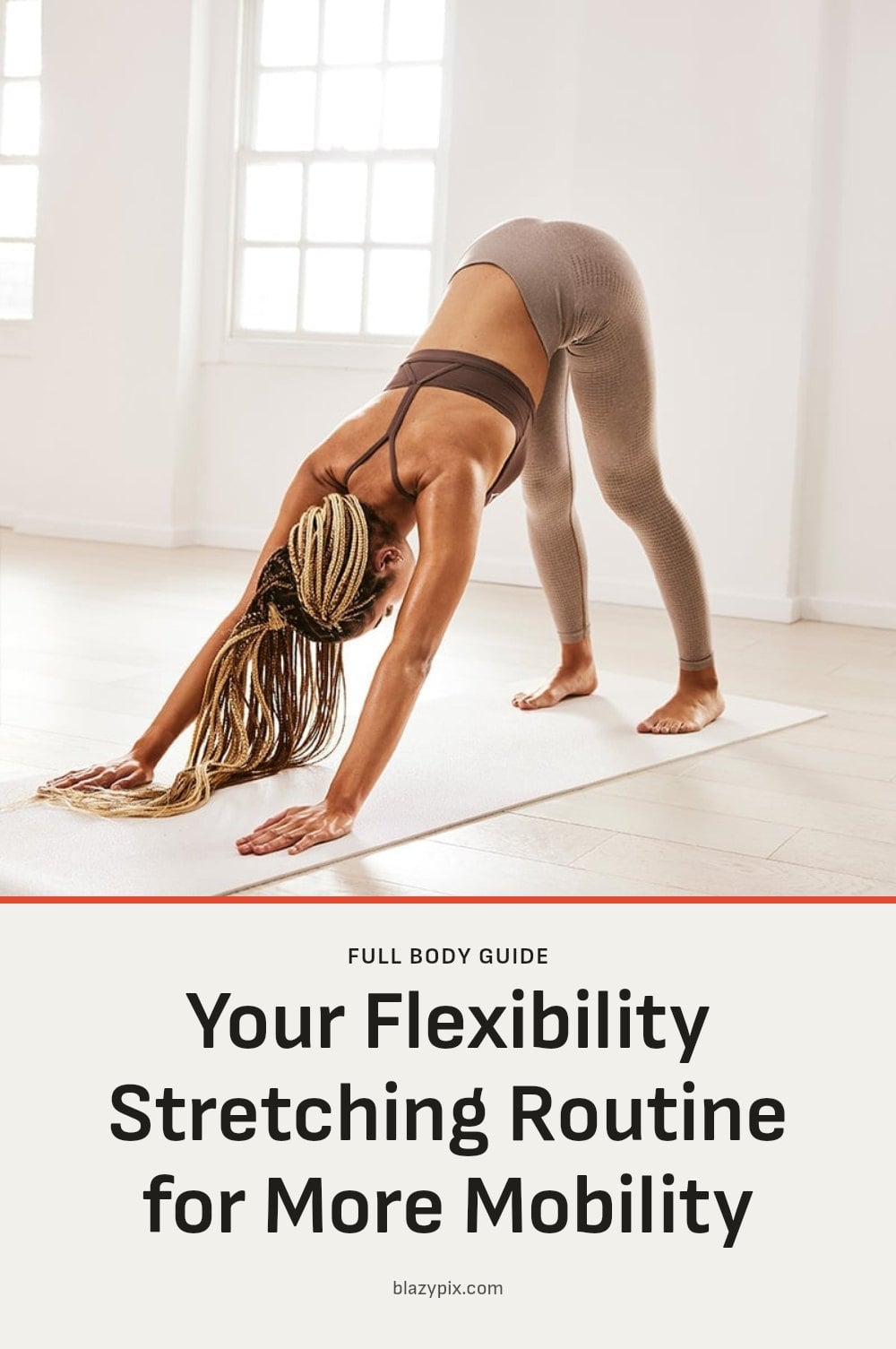
Your Go-to Flexibility Stretching Routine for a More Mobile You
Discover an effective flexibility stretching routine to improve your range of motion and reduce stiffness. Learn safe techniques and common mistakes to avoid.

We all want to move more freely, whether it’s to reach that top shelf without a wince or just feel less stiff after sitting at a desk all day. The secret isn’t long, grueling sessions but a smart, consistent routine that targets the right muscles. This guide breaks down the key moves and timing you need to build a simple yet effective flexibility routine that actually works into your week.
You’ll learn the difference between dynamic and static stretches, get a step-by-step plan for major muscle groups, and understand how to stretch safely so you can stay consistent and see real progress. My tip: focus on how each stretch feels, not how far you can push.
Key Takeaways
- Warm up with 5-10 minutes of light cardio before any static stretching to prevent injury.
- Hold each static stretch for 20-30 seconds and never bounce or jerk into the position.
- Stretch 2-3 times per week for 10-15 minutes; consistency matters more than session length.
- Focus on major muscle groups like hamstrings, quadriceps, hip flexors, shoulders, and chest for balanced flexibility.
- Stop any stretch immediately if you feel sharp pain, not just mild tension.
What is a Flexibility Stretching Routine?
A flexibility stretching routine is a structured series of movements designed to increase your joints’ range of motion and lengthen your muscles. Regular practice helps improve posture, reduce muscle stiffness, and enhance overall physical performance. It involves both dynamic stretches to warm up and static stretches to deepen flexibility, always performed safely and without sharp pain.
1. Warm-Up: Arm Circles
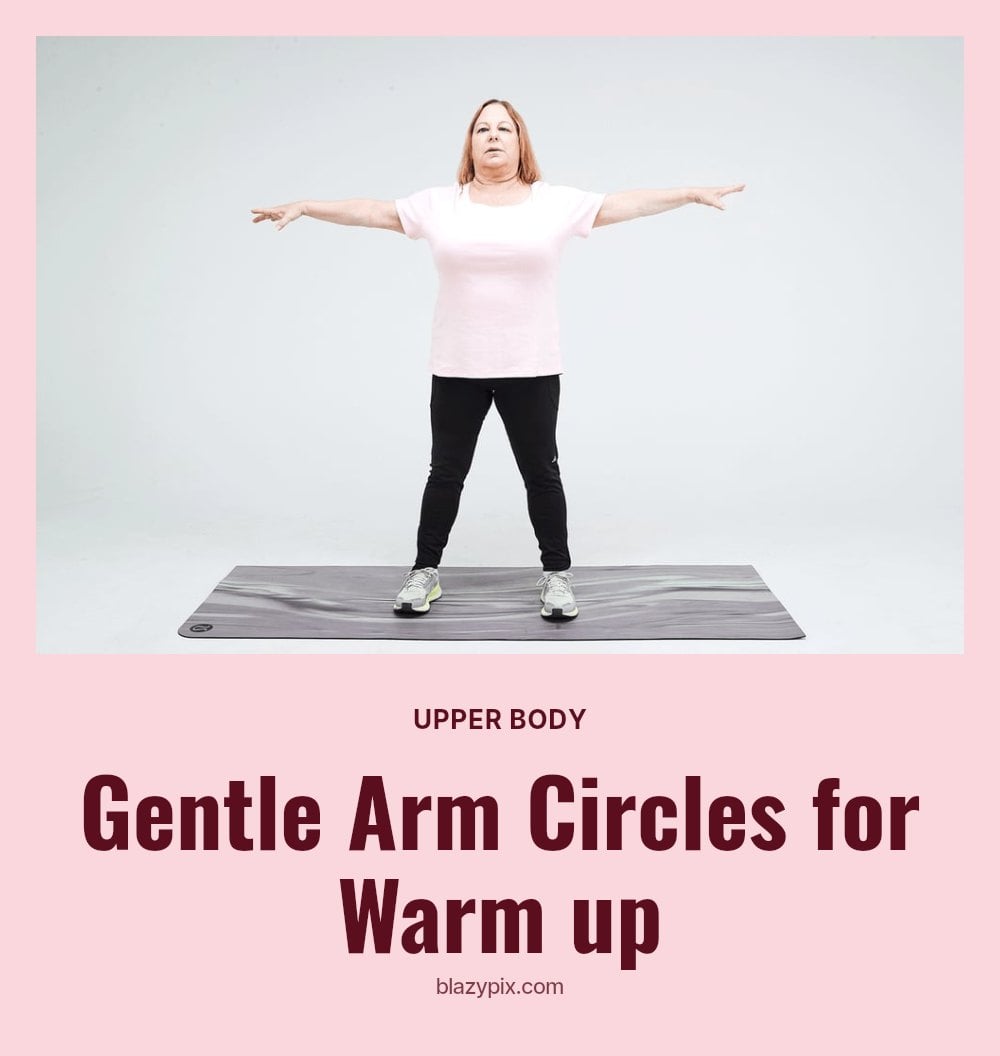
Stand tall with your feet shoulder-width apart. Extend your arms straight out to your sides, parallel to the floor. Begin making small forward circles, gradually increasing the size of the circles. Perform 10-15 circles forward, then reverse direction and perform 10-15 circles backward. Focus on smooth, controlled movements.
- Sets and reps: 10-15 in each direction
- Form cue: Keep your shoulders down and relaxed, not hunched
- Make it easier or harder: Smaller circles for easier, larger for more challenge
2. Dynamic Stretch: Leg Swings

Stand next to a wall or sturdy object for balance. Swing one leg forward and backward in a controlled motion, keeping your core engaged. Gradually increase the height of your swing as your flexibility allows, but avoid forcing the movement. Perform 10-12 swings per leg. This helps warm up the hip flexors and hamstrings.
- Sets and reps: 10-12 per leg
- Form cue: Keep your torso still and upright, only your leg moves
- Make it easier or harder: Start with smaller swings, increase height gradually
3. Static Stretch: Hamstring Stretch
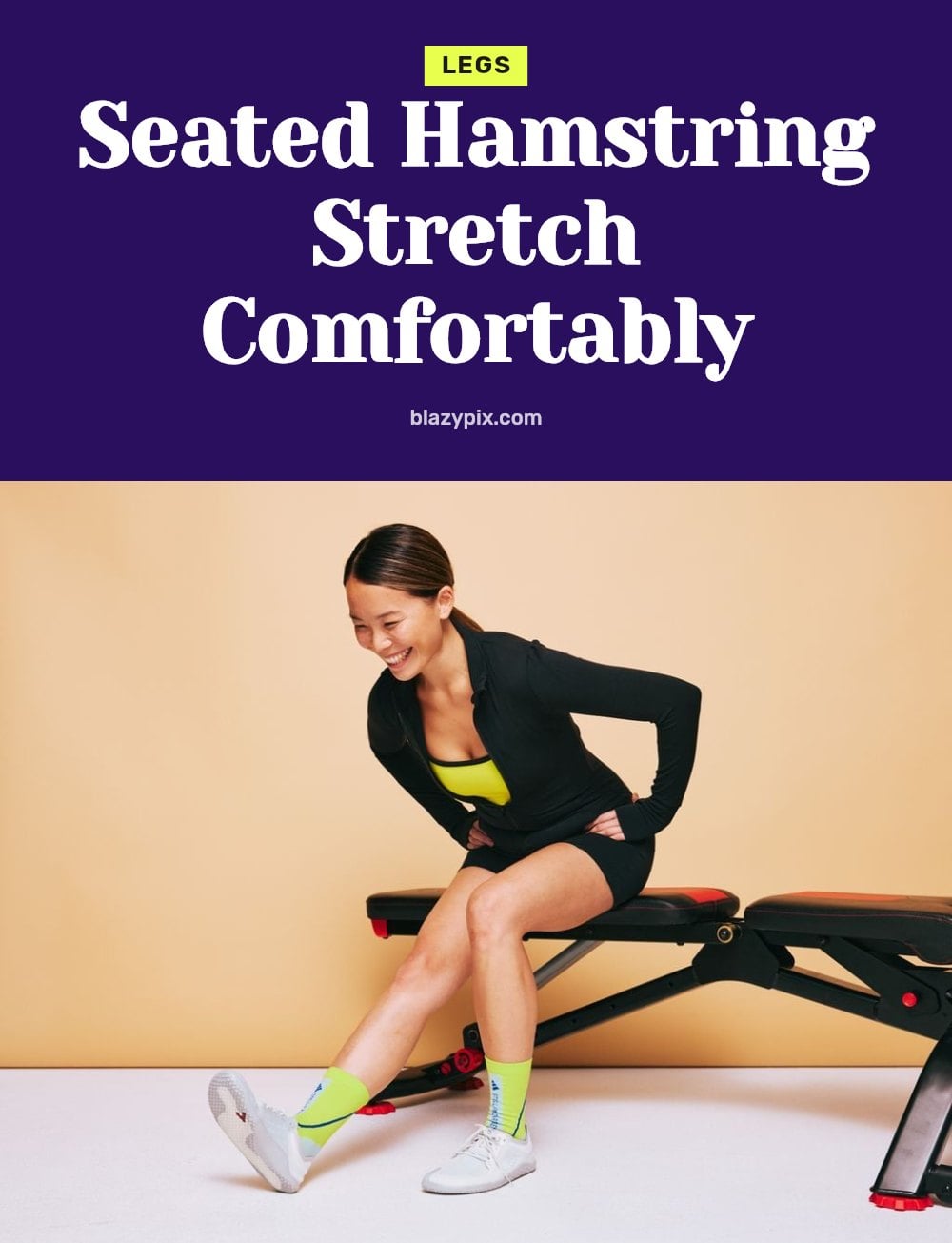
Sit on the floor with one leg extended straight out and the other bent, with your foot resting against your inner thigh. Gently lean forward from your hips, reaching towards your extended foot. Keep your back straight, not rounded. Hold for 20-30 seconds, feeling a mild tension in your hamstring. Repeat on the other side.
- Time: 20-30 seconds each side
- Form cue: Hinge at your hips, not your lower back
- Make it easier or harder: Use a strap around your foot to assist the reach
4. Static Stretch: Quadriceps Stretch
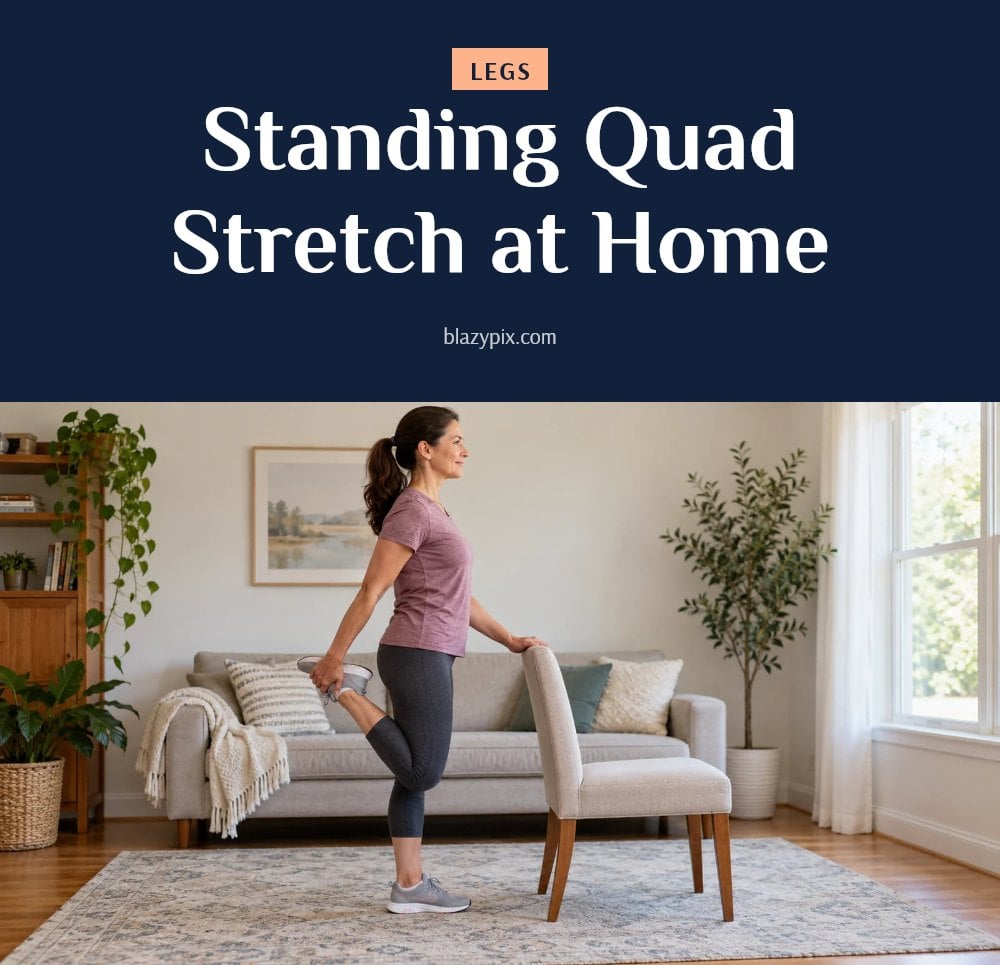
Stand tall and hold onto a wall or chair for balance. Grab your right ankle with your right hand and gently pull your heel toward your glutes. Keep your knees close together to feel the stretch in the front of your thigh, and avoid arching your back.
- Time: Hold for 20-30 seconds, then release slowly and repeat on the left side.
- Form cue: Keep your standing leg slightly bent to avoid locking your knee.
- Make it easier: Use a strap or towel around your ankle if you can’t reach it comfortably.
5. Static Stretch: Hip Flexor Stretch
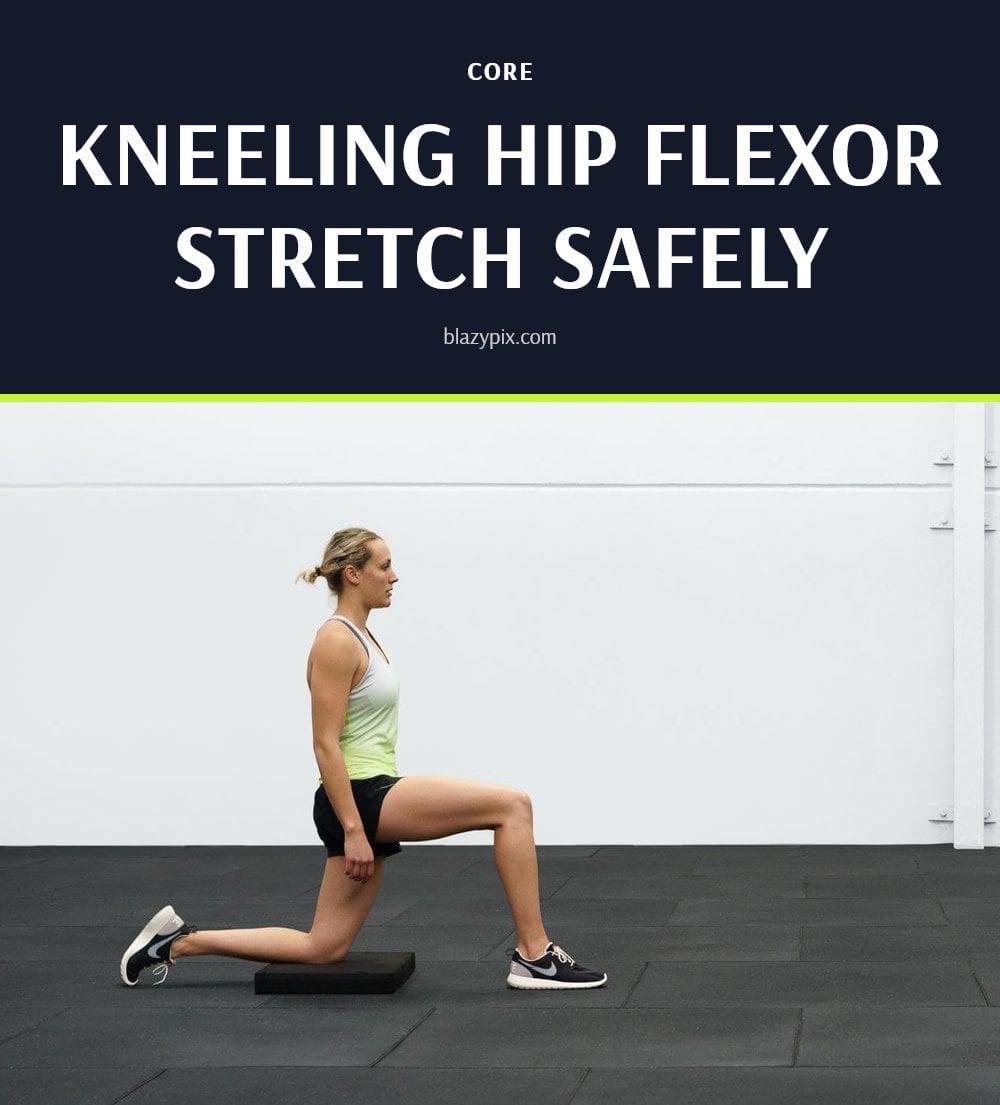
Kneel on your right knee with your left foot flat on the floor in front of you, forming a 90-degree angle at your left knee. Gently push your hips forward, keeping your torso upright, until you feel a stretch in the front of your right hip.
- Time: Hold for 20-30 seconds, then switch sides and repeat.
- Form cue: Squeeze your glutes on the kneeling side to deepen the hip flexor stretch.
- Make it easier: Place a folded towel under your kneeling knee for extra cushioning.
6. Static Stretch: Chest Opener
Stand in a doorway or near a wall. Place your forearm on the doorframe or wall, with your elbow bent at 90 degrees and your upper arm parallel to the floor. Gently step forward with the foot on the same side as your arm, rotating your body away from your arm until you feel a stretch across your chest and shoulder.
- Time: Hold for 20-30 seconds, then repeat on the other side.
- Form cue: Keep your shoulders relaxed and down, not hunched up toward your ears.
- Make it harder: Step farther forward with your opposite foot to increase the rotation and stretch.
7. Static Stretch: Triceps Stretch
Raise one arm overhead, then bend your elbow so your hand reaches down your back. Use your other hand to gently press down on the bent elbow. Feel the stretch along the back of your upper arm, keeping your back straight and avoiding shrugging your shoulders.
- Time: Hold for 20-30 seconds, then switch arms and repeat.
- Form cue: Keep your head aligned with your spine, not tilting forward or backward.
- Make it easier: Hold a towel or strap in the overhead hand and pull it gently with the other hand.
8. Static Stretch: Calf Stretch
Stand facing a wall with your hands placed on it at shoulder height. Step one foot back, keeping both heels on the ground and your toes pointing forward. Lean into the wall by bending your front knee until you feel a stretch in the calf of your back leg, and keep that back leg straight.
- Time: Hold for 20-30 seconds per leg.
- Form cue: Keep your back heel planted on the floor the entire time.
- Make it easier: Step your back foot closer to the wall to reduce the stretch intensity.
Essential Tools for Your Stretching Routine
You do not need much gear to start a flexibility routine. A few simple items can make the process more comfortable and effective.
- Comfortable clothing: Choose stretchy fabrics that let you move freely without restriction.
- Yoga mat (optional): Provides cushioning on hard floors and gives you grip so you do not slip during floor stretches.
- Strap or towel (optional): Helps you ease into deeper stretches for your hamstrings or shoulders without forcing the movement.
Your Weekly Flexibility Routine Plan
Consistency matters more than session length when it comes to flexibility. Short, regular sessions 2-3 times per week will show better results than one long session every two weeks. This plan combines dynamic stretches to warm up and static stretches to lengthen the muscles.
| Day | Focus | Duration |
|---|---|---|
| Monday | Full-body routine (all 6 static stretches plus warm-up) | 15 minutes |
| Wednesday | Lower body focus (hamstring, quad, hip flexor, calf) | 10 minutes |
| Friday | Upper body focus (chest opener, triceps, plus leg swings) | 10 minutes |
Frequently Asked Questions
How often should I do a flexibility stretching routine?
Aim for 2-3 times per week for best results. Short, regular sessions are more effective than one long session every two weeks. You can stretch daily if you keep the intensity light and focus on maintenance, but rest days help your muscles recover and adapt.
Can stretching help with muscle soreness?
Many people find that gentle stretching can reduce muscle tension and improve blood flow, which may help with mild soreness. However, stretching won’t eliminate soreness from a tough workout. For persistent or severe soreness, consider rest, hydration, and consulting a professional.
What’s the difference between static and dynamic stretching?
Dynamic stretching involves moving a body part through its full range of motion in a controlled, repetitive way, like leg swings. It’s best as part of a warm-up. Static stretching means holding a stretch for 15-30 seconds without bouncing, and it’s most effective when muscles are already warm, such as after a workout.
Is it okay to stretch every day?
Yes, you can stretch daily as long as you listen to your body and avoid pushing into pain. Light, gentle stretching on off days can help maintain mobility and reduce stiffness. But for improving flexibility, 2-3 targeted sessions per week are usually enough to see progress without overdoing it.
How long does it take to see results from a flexibility routine?
With consistent practice 2-3 times per week, many people notice improvements in range of motion and reduced stiffness within 3 to 6 weeks. Results depend on your starting point, how often you stretch, and which muscles you target. Patience and regular effort are key.
Final Thoughts
For lasting results, commit to two or three 10-15 minute sessions each week. Focus on the moves that target your tightest areas, but keep the routine balanced. You can expect to notice improved range of motion and less stiffness after several weeks of consistent practice. Remember, flexibility is a gradual process, so be patient and listen to your body along the way.
This article provides general information about flexibility stretching and is not a substitute for professional medical advice. If you have a pre-existing injury, chronic pain, or any health concerns, consult a doctor or physical therapist before starting a new routine. Stop any stretch that causes sharp pain and seek professional guidance for persistent issues.