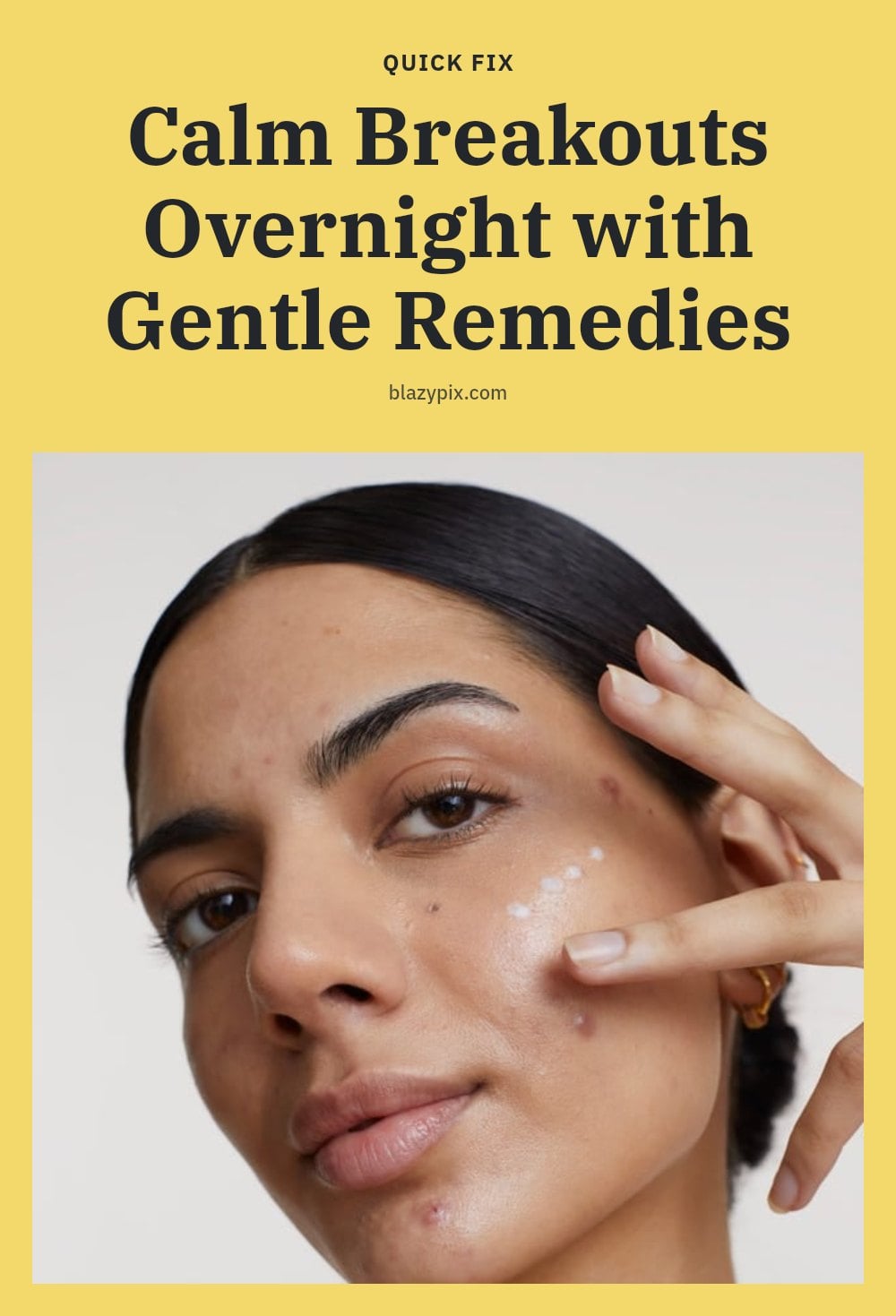
Exfoliation 101: How to Exfoliate Without Irritating Your Skin
Learn the basics of exfoliation, including different types and how to choose the right method for your skin, to achieve a radiant complexion without irritation.

You’ve probably heard that exfoliation is the secret to glowing skin, but getting it wrong can leave you red, dry, and irritated. The good news is that with the right technique and a little know-how, you can safely remove dead skin cells and reveal a smoother, brighter complexion. This article covers the basics of exfoliation, how to choose between physical and chemical options, and the steps to do it without damaging your skin barrier.

Key Takeaways
- Choose a gentle exfoliant: smooth beads for physical, or AHAs/BHAs/enzymes for chemical.
- Start with once a week and increase only if your skin tolerates it.
- Always follow with a hydrating moisturizer and SPF 30+ sunscreen.
- Stop if you notice stinging, burning, or excessive redness.
- Consult a dermatologist if you have rosacea, eczema, or severe acne.
What is Exfoliation and Why Does Your Skin Need It?
Exfoliation is the process of removing dead skin cells from the surface of your skin. Doing this reveals the brighter, smoother skin underneath and improves your skin’s texture and clarity. Removing that outer layer also helps your serums and moisturizers absorb more effectively. Your skin naturally sheds dead cells every 28-30 days, but this process can slow down as you age, which is why adding exfoliation to your routine becomes beneficial.
Physical vs. Chemical Exfoliation: Which One Is Right for You?
Physical exfoliation uses manual methods like scrubs with smooth particles, brushes, or washcloths to physically slough off dead cells. Chemical exfoliation uses acids or enzymes to dissolve the bonds holding dead cells together, without any scrubbing. The right choice depends on your skin type.
| Type | How It Works | Best For |
|---|---|---|
| AHAs (glycolic, lactic) | Water-soluble, work on the skin’s surface | Dry or sun-damaged skin |
| BHAs (salicylic acid) | Oil-soluble, penetrate deeper into pores | Oily or acne-prone skin |
| Enzyme exfoliants (papain, bromelain) | Gentle, dissolve surface cells | Sensitive skin |
Your Exfoliation Toolkit: Essential Products and Tools
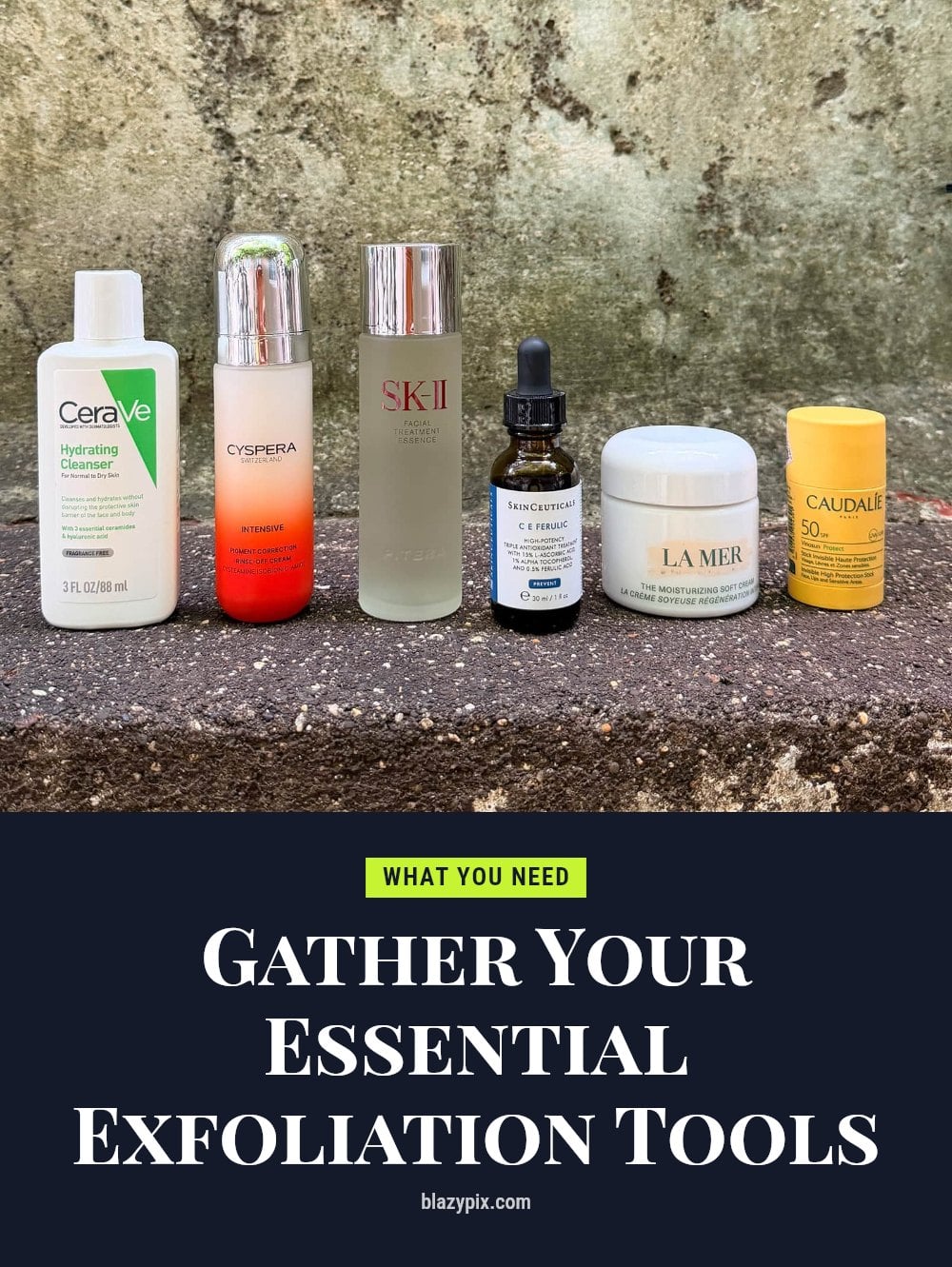
Your exfoliation toolkit starts with the right exfoliant for your skin type. Choose gentle physical scrubs with smooth, round particles like jojoba beads instead of harsh, jagged ones. For chemical options, look for AHAs, BHAs, or enzyme exfoliants. You will also need a hydrating moisturizer to apply immediately after exfoliating and a broad-spectrum sunscreen with SPF 30 or higher for daily use, especially when you use chemical exfoliants.
- Gentle physical scrub smooth particles only
- Chemical exfoliant AHA, BHA, or enzyme formula
- Hydrating moisturizer to restore the skin barrier
- Broad-spectrum sunscreen SPF 30 or higher, used daily
How to Exfoliate Safely: A Step-by-Step Guide

- Start with clean, dry skin: Wash your face with a gentle cleanser and pat it dry. Exfoliating on dry skin helps you control the application and prevents product from running into your eyes.
- Apply a physical exfoliant with light circular motions: Use your fingertips to massage the scrub gently over your skin for about 30 seconds. Do not press hard; let the particles do the work. Avoid the eye area entirely.
- Apply a chemical exfoliant as directed: If you are using an acid or enzyme product, follow the instructions on the label. Most are applied to clean, dry skin and left on for a specific time before rinsing. Keep it away from your eyes, lips, and any broken skin.
- Rinse thoroughly and follow immediately with moisturizer: Use lukewarm water to remove all traces of the exfoliant. Pat your skin dry, then apply a rich, hydrating moisturizer within 60 seconds to lock in moisture.
- Apply sunscreen the morning after chemical exfoliation: Chemical exfoliants can make your skin more sensitive to UV radiation. Use a broad-spectrum SPF 30 or higher every day, even if you are staying indoors.
Common Exfoliation Mistakes and How to Avoid Them
Using an exfoliant that is too harsh for your skin type is a common mistake. Physical scrubs with jagged or sharp particles can cause micro-tears and irritation. Stick to scrubs with smooth, round beads or opt for a gentle chemical exfoliant instead.
Exfoliating too frequently is another pitfall. Over-exfoliation can strip your skin barrier, leading to redness, dryness, and increased sensitivity. Start with once a week and only increase if your skin tolerates it well.
Applying too much pressure during physical exfoliation is a no-go. Use light, circular motions and let the product or tool do the work. After exfoliating, always moisturize thoroughly with a rich, hydrating product to replenish your skin’s moisture barrier.
Failing to use sunscreen, especially after chemical exfoliation, is a major oversight. Chemical exfoliants leave your skin more vulnerable to UV damage, so daily broad-spectrum SPF 30 or higher is non-negotiable. Also, avoid mixing too many active ingredients like retinoids and strong acids without proper knowledge, as this can lead to irritation and compromise your skin’s health.
Expert Tips for a Radiant, Irritation-Free Complexion

Patch test new exfoliants on a small area of skin before using them all over. This helps you spot any negative reaction early. Listen to your skin and adjust the frequency based on how it looks and feels. If you notice redness, stinging, or tightness, scale back.
Exfoliate before applying serums and moisturizers to boost their absorption and effectiveness. Sensitive skin types should exfoliate less frequently, typically once a week or every other week, using gentle options like enzyme exfoliants. Oily or acne-prone skin may tolerate exfoliation 2-3 times a week, especially with BHAs like salicylic acid.
Post-Exfoliation Care: Keeping Your Skin Happy and Healthy
Always follow exfoliation with a rich, hydrating moisturizer to replenish your skin’s moisture barrier. This step is essential for preventing dryness and irritation. Apply a broad-spectrum sunscreen with SPF 30 or higher every day, especially after chemical exfoliation, since your skin will be more sensitive to UV rays.
Avoid using other harsh active ingredients, like retinoids or strong acids, immediately after exfoliating. Give your skin time to recover. Maintain a consistent, gentle routine to support your skin barrier and keep your complexion healthy and balanced.
When to Consult a Professional About Your Exfoliation Routine
Stop exfoliating immediately if you experience stinging, burning, excessive redness, or extreme dryness. These are signs that your skin barrier is compromised. Avoid exfoliating over open cuts, wounds, or active acne breakouts, as this can worsen inflammation and lead to infection.
Consult a dermatologist if you have a skin condition like rosacea, eczema, or severe acne before starting any exfoliation routine. They can recommend safe options for your specific needs. Be cautious around the delicate eye area; many exfoliants are not suitable for this region and can cause irritation.
Frequently Asked Questions
Can I exfoliate every day?
Exfoliating every day is generally too much for most skin types and can lead to over-exfoliation, which damages your skin barrier. Most people do best with 1 to 3 times per week, depending on their skin type. If your skin is sensitive, stick to once a week or even every other week.
What’s the difference between AHA and BHA?
AHAs are water-soluble acids that work on the skin’s surface, making them great for dry or sun-damaged skin. BHAs are oil-soluble, so they can penetrate deeper into pores, which is why they’re often recommended for oily or acne-prone skin. Choose based on your primary concern.
Can I use physical and chemical exfoliants together?
Using both physical and chemical exfoliants in the same routine can be too harsh and increase irritation risk. It’s safer to pick one method per session and alternate days if you want to use both. If you have sensitive skin, stick to one type only.
How long does it take to see results from exfoliation?
With consistent, appropriate exfoliation, you may notice smoother skin and improved radiance within a few weeks. The exact timeline varies by individual and skin type. Keep up a regular routine of 1 to 3 times per week to maintain results.
Is exfoliation good for sensitive skin?
Yes, but you need to be extra careful. Choose a gentle enzyme exfoliant, which is typically milder than acids or physical scrubs. Exfoliate only once a week or every other week, and always patch test first. If you have a condition like rosacea or eczema, talk to a dermatologist before starting.
Final Thoughts
Start with a gentle exfoliant suited to your skin type, use it once a week, and gradually increase frequency if your skin stays calm. Expect smoother, more radiant skin within a few weeks, but remember that consistency matters more than intensity. Listen to your skin: if it feels tight or looks red, scale back. With patience and the right routine, you can enjoy the benefits of exfoliation without the irritation.
This article is for general information only and is not a substitute for professional medical or dermatological advice. If you have a persistent skin concern, a serious condition, or are unsure whether exfoliation is right for you, please consult a qualified healthcare provider or dermatologist.