
Mindfulness Exercises: 10 Easy Ways to Stay Present
Feeling overwhelmed? Learn 10 simple mindfulness exercises to reduce stress, improve focus, and feel more connected to the present moment.

Feeling overwhelmed, stressed, or like you’re constantly running on autopilot? You’re not alone. Mindfulness is a simple yet powerful way to bring your attention back to the present moment, helping you feel calmer and more focused. In this article, I’ll walk you through 10 easy mindfulness exercises you can start today, plus common mistakes to avoid and practical tips for building a sustainable practice.

Key Takeaways
- Start with short 5-10 minute practices and gradually increase duration.
- Use your breath as an anchor when your mind wanders.
- Practice regularly, even a few minutes daily, for noticeable benefits.
- Integrate mindfulness into everyday activities like eating or walking.
- Be patient and kind to yourself; mindfulness is a skill that develops over time.
What is Mindfulness and Why Does it Matter?
Mindfulness is simply the practice of intentionally bringing your attention to the present moment without judgment. It’s not about emptying your mind, but about observing your thoughts, feelings, and sensations with an open attitude. I’ve found that regular practice can significantly reduce stress, improve focus, and enhance overall well-being by fostering a greater sense of calm and presence. It’s a skill you build over time, not a quick fix.
1. Focused Breathing
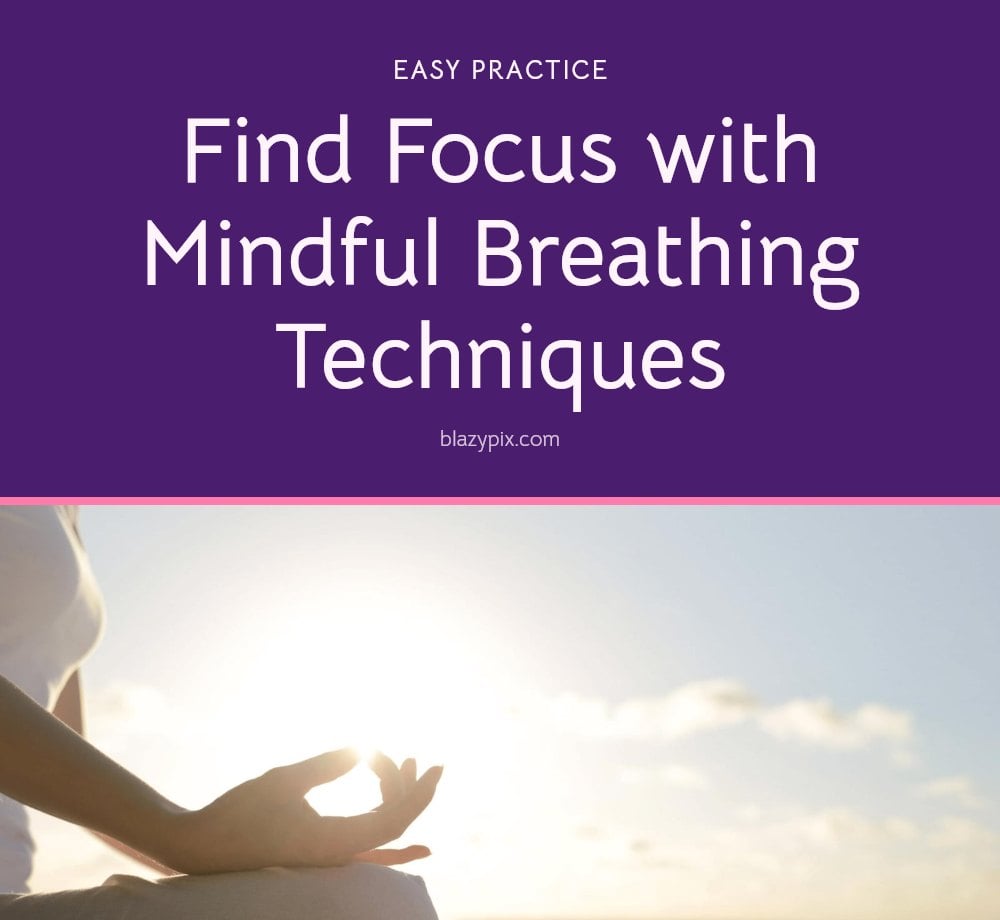
Find a comfortable position, gently close your eyes if you wish, and bring your attention to your breath. Notice the sensation of the air entering and leaving your body, the rise and fall of your chest or abdomen, the feeling at your nostrils. When your mind wanders, gently guide it back to your breath without judgment.
My tip: Start with just 2-3 minutes and gradually increase. A timer can help you stay consistent without checking the clock.
2. Body Scan Meditation
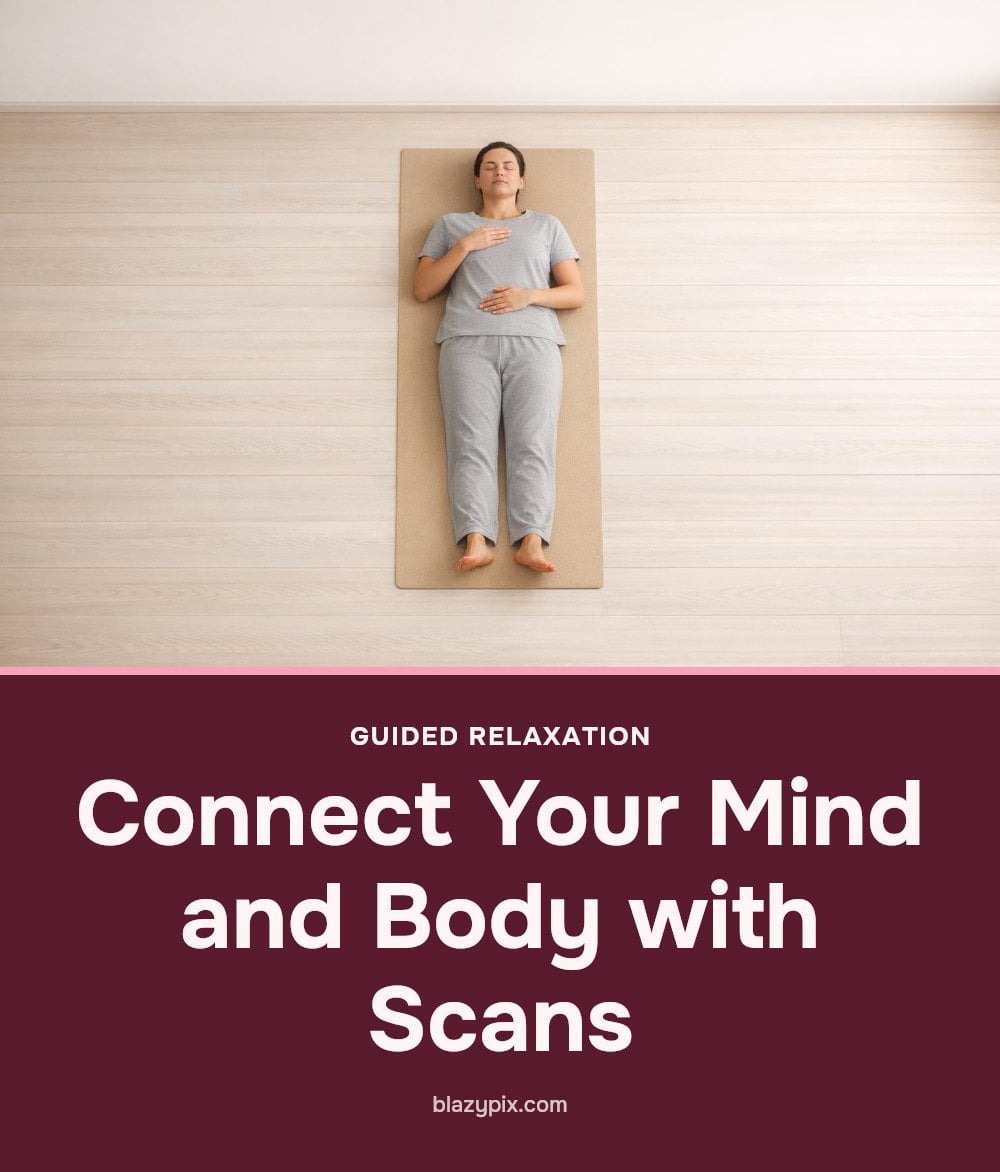
Lie down or sit comfortably and bring your attention to your body, starting with your toes. Slowly move your awareness up through your body, noticing any sensations like warmth, coolness, tension, or tingling without trying to change them. Simply observe each part as you move through it, from your feet to the top of your head. This practice helps you connect with your physical self and release hidden tension.
3. Mindful Walking

As you walk, bring your full attention to the physical sensations of each step. Notice the feeling of your feet touching the ground, the movement of your legs, and the swing of your arms. Pay attention to the rhythm of your breath and the sights and sounds around you, without getting caught up in thoughts about your destination. It’s a great way to integrate mindfulness into daily life, especially during a lunch break or commute.
4. Mindful Eating

Before you eat, take a moment to observe your food. Its colors, textures, and smells. This pause activates your senses and signals your brain to prepare for digestion. Take small bites, chew slowly, and pay attention to the taste and texture of each mouthful. Notice when you feel hungry and when you feel satisfied, allowing yourself to truly experience the meal. My tip: Try this with just one bite of something you love to start. It can transform how you relate to food without feeling overwhelming.
5. The STOP Practice
The STOP practice is a quick, on-the-spot mindfulness tool that fits into any busy day. Stop what you are doing, even for a few seconds. Take a deep breath, anchoring yourself in the present moment. Observe your thoughts, feelings, and sensations without judgment, simply noticing them as they are. Proceed with your activity, bringing this newfound awareness with you.
My tip: I usually use this before switching tasks or when I feel scattered. It takes about 30 seconds but can reset your focus and lower stress, making it a fantastic choice for hectic schedules.
6. Mindful Observation of Senses
Pick one of your five senses, sight, sound, smell, taste, or touch, and dedicate a few minutes to it. If you choose sight, look around you and notice colors, shapes, and light without labeling or judging them. If you choose sound, simply listen to the ambient noises without trying to identify their source. This practice cuts through mental chatter by grounding you in raw sensory input. It is a simple way to bring you back to the here and now.
7. Mindful Showering

As you shower, pay attention to the sensation of the water on your skin, the temperature, and the scent of your soap or shampoo. Notice the sounds of the water and the feeling of cleansing. Let your mind stay with these sensations rather than drifting to your to-do list. This transforms a routine into a moment of presence. Even a two-minute mindful shower can reset your mood for the day.
8. Mindful Listening
When someone is speaking, give them your full, undivided attention. Resist the urge to plan your response or interrupt. Instead, simply listen to their words, tone, and body language without judging or rehearsing what you will say next.
Tip: If your mind drifts, gently bring it back to the speaker’s voice. This practice not only enhances your presence but also improves your relationships by making others feel heard and valued. It’s a powerful way to connect deeply with the people around you.
9. Mindful Daily Chores
Choose a routine chore like washing dishes, folding laundry, or making tea. Bring your full attention to the task: the feel of the water, the texture of the fabric, the warmth of the mug. Engage all your senses and notice the simple actions involved, turning mundane tasks into opportunities for mindfulness.
Tip: Even a minute of mindful dishwashing can shift your mood. Focus on the temperature of the water and the sound of the plates, and you will feel more grounded afterward.
Common Mindfulness Mistakes and How to Avoid Them
Trying to empty your mind: Mindfulness is about observing thoughts, not eliminating them. Instead, simply notice thoughts as they arise and let them pass like clouds.
Getting frustrated when your mind wanders: It is completely normal for your mind to wander. Gently guide your attention back to your anchor, like your breath, without self-criticism.
Expecting instant bliss: Mindfulness is a practice, not a quick fix. Benefits accumulate over time with consistent effort, so be patient and kind to yourself.
Using mindfulness to avoid difficult emotions: The goal is to observe emotions without judgment, not to suppress them. Allow feelings to be present and explore them with curiosity.
Frequently Asked Questions
How long should I practice mindfulness each day?
Start with just 5-10 minutes a day and gradually increase as you feel comfortable. Even a few minutes of consistent daily practice can make a difference. The key is regularity, not length. You can also integrate short mindful moments into daily activities like brushing your teeth or drinking tea.
Can mindfulness help with anxiety?
Many people find that regular mindfulness practice helps reduce stress and anxiety by encouraging a non-judgmental awareness of thoughts and feelings. It can help you respond to anxious thoughts more calmly. However, if you have severe anxiety or a mental health condition, consult a healthcare professional before starting an intensive practice.
Is mindfulness a religious practice?
Mindfulness has roots in ancient Buddhist meditation, but it has been adapted into secular programs like Mindfulness-Based Stress Reduction. You don’t need to follow any religion to benefit from it. It’s simply a way to train your attention and cultivate presence, accessible to everyone regardless of beliefs.
What if my mind keeps wandering during mindfulness?
Mind wandering is completely normal and not a failure. When you notice your mind has drifted, gently guide your attention back to your anchor, such as your breath or body sensations. Each time you do this, you’re strengthening your mindfulness muscle. Be patient and kind to yourself.
Can children practice mindfulness?
Yes, children can practice mindfulness with age-appropriate exercises. Simple activities like mindful breathing with a stuffed animal or noticing sensations while eating can be fun and beneficial. It can help kids improve focus and emotional regulation. Start with very short sessions and make it playful.
Final Thoughts
My tip: choose one exercise from the list and commit to it for just five minutes each day this week. Whether it’s focused breathing or mindful showering, consistency matters more than duration. Expect to notice small shifts in your stress levels and focus within a few weeks, with deeper benefits building over months. Remember, mindfulness is a practice, not a destination, so be gentle with yourself as you learn to stay present.
This article is for general informational purposes only and is not a substitute for professional medical or mental health advice. If you have a persistent or serious condition, or if mindfulness practice causes significant distress, please consult a qualified healthcare provider.