
How to Get Rid of a Bloated Belly Fast
Feeling bloated? Learn how to get rid of a bloated belly fast with practical, effective strategies to ease discomfort and reduce swelling.

That tight, swollen feeling in your belly is never fun, and you want relief fast. In this article, I break down what causes bloating, how to ease it quickly, and what to do long-term to keep it from coming back. You’ll get practical steps you can start using right now.
Key Takeaways
- Gentle exercise like a short walk can help move trapped gas through your digestive system.
- Drink water slowly throughout the day, as dehydration can actually worsen bloating.
- Avoid high-FODMAP foods, carbonated drinks, and artificial sweeteners if you’re prone to bloating.
- Eat smaller, more frequent meals and chew each bite thoroughly to reduce swallowed air.
- See a doctor if bloating is severe, persistent, or comes with pain or blood in stool.
Immediate Relief for a Bloated Belly
Start with a short walk or gentle stretching to help move gas through your system. Drink a glass of water slowly, dehydration can make bloating worse, not better. Temporarily skip foods like beans, onions, and carbonated drinks until symptoms ease. For quick relief, an over-the-counter anti-gas medication containing simethicone can help break up gas bubbles in the stomach.
Why Your Belly Might Be Bloated
Excess Gas and Muscle Disturbances
Bloating often starts with excess gas production or when the muscles in your digestive tract don’t move food along as they should. This can trap gas and cause that swollen feeling.
Common Dietary Triggers
- High-FODMAP foods: Items like wheat, garlic, and certain fruits ferment in the gut and produce gas.
- Carbonated drinks: The bubbles add air directly to your digestive system.
- Artificial sweeteners: Some sugar alcohols are poorly absorbed and can cause gas.
Eating Habits and Constipation
Eating too quickly or talking while you chew makes you swallow excess air, which has to come out somehow. Constipation is another big cause, when stool builds up, it traps gas and distends the abdomen.
Stress
Stress affects your digestion by slowing or altering gut movement, which can lead to bloating. Managing stress is a real step, not just a suggestion.
Effective Ways to Reduce Bloating

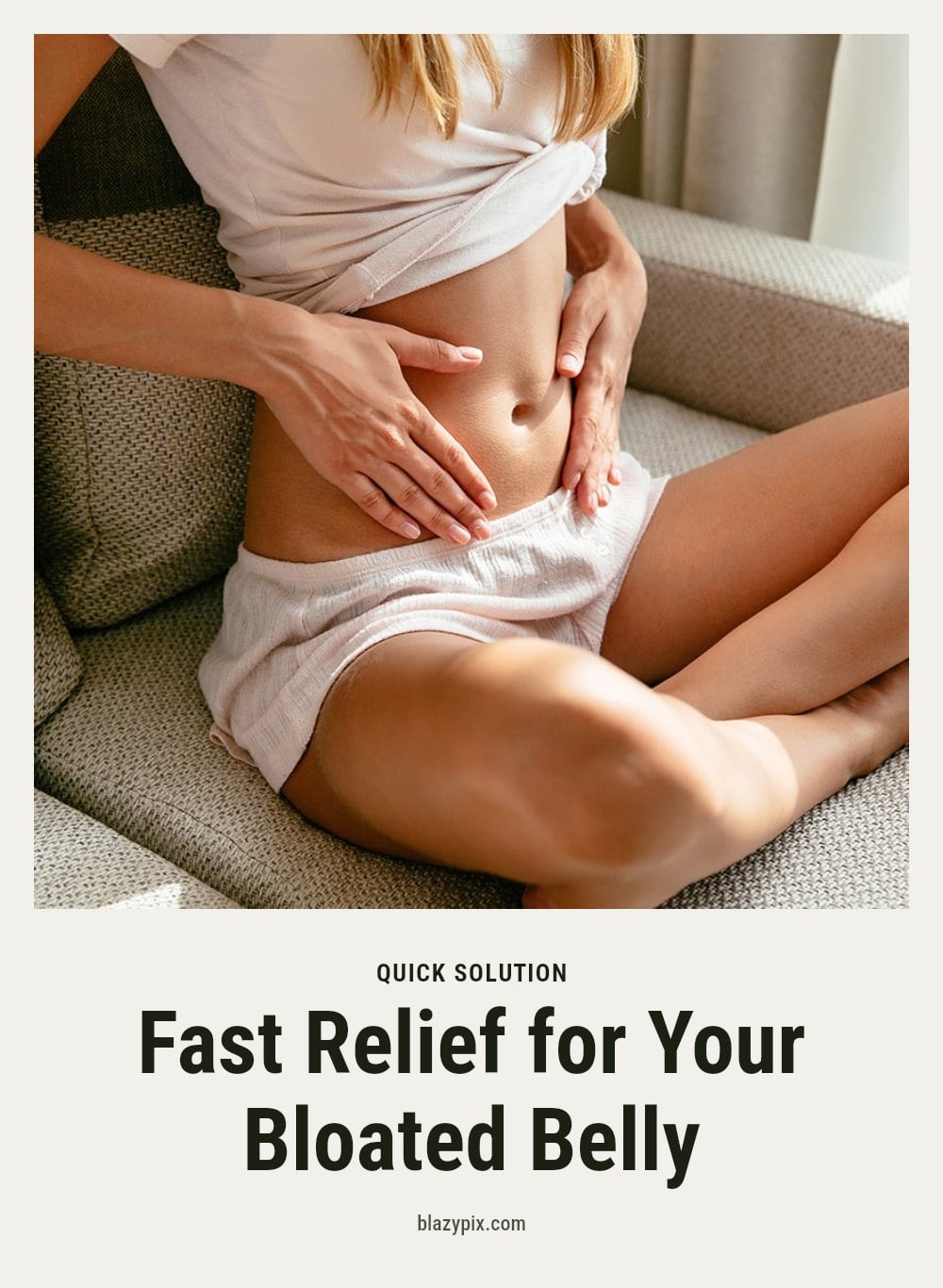
Try abdominal massage: Lie down and massage your belly in a clockwise direction for 5 minutes. This gentle pressure can help move trapped gas through the intestines.
Sip herbal tea: Peppermint or ginger tea can soothe the digestive tract. Ginger has anti-inflammatory properties, and peppermint may help relax gut muscles. Steep for 5 minutes and drink slowly.
Use OTC anti-gas meds: Products with simethicone work by breaking up gas bubbles in the stomach. They work best when taken right after a meal. Caution: Don’t rely on them daily. They treat symptoms, not causes.
Add probiotics: Yogurt, kefir, or a probiotic supplement may help balance your gut bacteria over time. My tip: Start with one serving of plain yogurt per day and see how you feel after a week.
Drink water consistently: Sip water throughout the day rather than gulping large amounts at once. Proper hydration prevents constipation, which is a major cause of bloating.
Preventing Future Bloating Episodes

Eat slowly: Chew each bite thoroughly and put your fork down between bites. This reduces swallowed air and gives your stomach time to signal fullness.
Stay hydrated: Drink water steadily all day, not just when you feel thirsty. Aim for pale yellow urine as a sign.
Move regularly: A 20-minute walk after meals can stimulate bowel movements and reduce gas buildup.
Identify triggers: Keep a simple food diary for a week. Note what you eat and when bloating hits, then limit those foods.
Manage stress: Even 5 minutes of deep breathing before meals can improve digestion.
Eat smaller meals: Six small meals instead of three large ones puts less pressure on your digestive system.
Avoid late meals: Finish eating at least two hours before bed to give your body time to digest.
Common Bloating Mistakes to Avoid
When you’re bloated, it’s easy to jump to the wrong fix. Here are the common mistakes I see people make, and what to do instead.
- Assuming it’s just gas: Bloating can also come from constipation or fluid retention. If you haven’t had a bowel movement in a while, address that first with hydration and fiber.
- Cutting out too many foods: Eliminating entire food groups without knowing your triggers can lead to nutrient gaps and doesn’t solve the problem. Keep a food diary to spot patterns.
- Drinking less water: Some people cut fluids to reduce bloating, but dehydration actually worsens it by slowing digestion. Keep sipping water throughout the day.
- Ignoring stress and sleep: Stress and lack of sleep can disrupt digestion and increase bloating. Prioritize rest and relaxation techniques like deep breathing.
- Self-diagnosing chronic bloating: If bloating is frequent or severe, don’t guess the cause. A healthcare professional can help rule out underlying conditions.
When to Talk to a Doctor About Bloating
Occasional bloating is normal, but certain signs mean it’s time to see a doctor. Seek medical attention if bloating is severe, persistent, or comes with any of these red flags:
- Severe pain: If the bloating is painful and doesn’t ease, get checked.
- Blood in stool: Any blood in your stool warrants a prompt visit.
- Unexplained weight loss: Losing weight without trying, along with bloating, needs evaluation.
- Fever or vomiting: These symptoms alongside bloating require immediate medical care.
- Before major changes: Always consult a doctor before starting new supplements or making big dietary shifts, especially if you have existing health conditions.
How Quickly You’ll See Results and What to Expect
How fast you see results depends on the cause and the strategy. Immediate relief methods like gentle exercise, hydration, and over-the-counter anti-gas products can work within hours to a day. For chronic bloating, expect to wait days to weeks of consistent changes like eating slowly, staying hydrated, and managing stress before you notice a real difference.
Costs vary widely. Simple fixes like water, walking, and herbal teas are free. Probiotic supplements and OTC medications are moderate expenses, but they’re not a substitute for addressing the root cause.
Frequently Asked Questions
How long does it take for bloating to go away?
For immediate strategies like gentle exercise and hydration, many people feel relief within hours to a day. If bloating is chronic, sustained changes to your diet and lifestyle may take days to weeks to show consistent results.
Can drinking water help reduce bloating?
Yes, staying hydrated is key. Dehydration can make bloating worse by slowing digestion and causing fluid retention. Sip water steadily throughout the day to support regular bowel movements and reduce gas buildup.
What foods should I avoid if I’m prone to bloating?
Common triggers include high-FODMAP foods like wheat, garlic, and onions, as well as carbonated drinks and artificial sweeteners. Pay attention to what bothers you specifically, and consider keeping a food diary to identify your personal triggers.
Is stress a common cause of bloating?
Yes, stress can affect your digestive system and contribute to bloating. Techniques like meditation, deep breathing, or a short walk can help manage stress and may ease related digestive symptoms.
When should I be concerned about bloating?
Occasional bloating is normal, but see a doctor if it’s severe, persistent, or accompanied by symptoms like intense abdominal pain, blood in your stool, unexplained weight loss, or vomiting. These signs may point to a more serious condition.
Final Thoughts
For quick relief, start with a short walk and a glass of water, then skip trigger foods for a day. For long-term results, consistent habits like eating slowly and staying hydrated can make a real difference within a few days to weeks. Listen to your body, and don’t hesitate to check in with a healthcare professional if bloating becomes a regular problem.
This article is for general informational purposes only and does not constitute medical advice. Bloating can have many causes, and if your symptoms are severe or persistent, please consult a doctor or gastroenterologist for a proper evaluation and treatment plan.