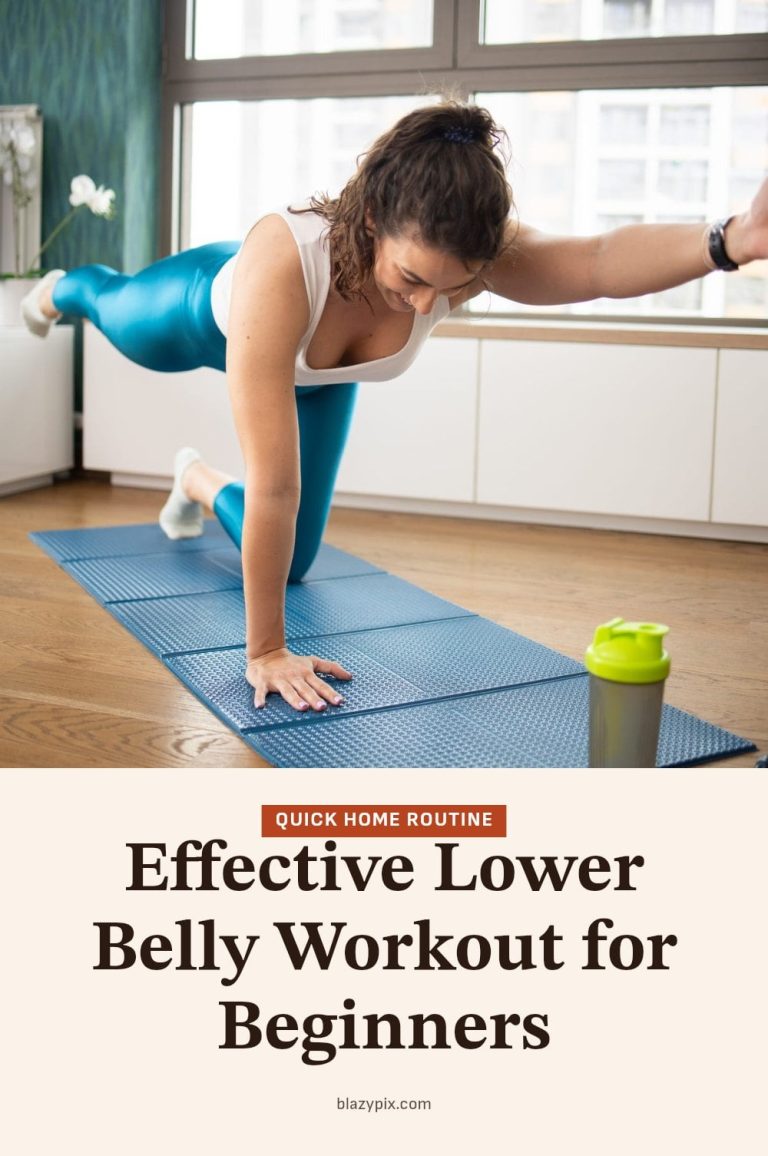
Lower Belly Workout for Beginners: 8 Moves at Home
Strengthen your core with an effective lower belly workout you can do at home. Learn 8 beginner-friendly moves for a stronger, more defined core.

You’ve heard the phrase ‘lower belly’ and maybe you’re wondering if you can actually work that area. The truth is, you can’t spot-reduce fat, but you can strengthen the muscles there for better core stability, posture, and definition. This article covers a beginner-friendly, at-home workout with eight moves that target your lower abs, plus tips on form and consistency.
Key Takeaways
- Perform lower belly exercises 2-3 times per week as part of a full-body routine.
- Focus on controlled movements and proper form over speed or high reps.
- Keep your lower back pressed into the mat during leg lifts to avoid strain.
- Combine core work with a balanced diet and cardio for overall results.
- Expect to feel stronger in 3-4 weeks, with visible changes taking several months.
What is a ‘Lower Belly Workout’?
A ‘lower belly workout’ is a set of exercises that emphasize the lower portion of your rectus abdominis, the long muscle that runs from your ribs to your pelvis. While you can’t spot-reduce fat from one area, these movements, paired with a balanced diet and full-body activity, can strengthen and improve the appearance of your core. The key is understanding that the rectus abdominis is one muscle, but specific exercises can target its lower fibers for more focused engagement.
1. Warm-Up: Cat-Cow Stretch
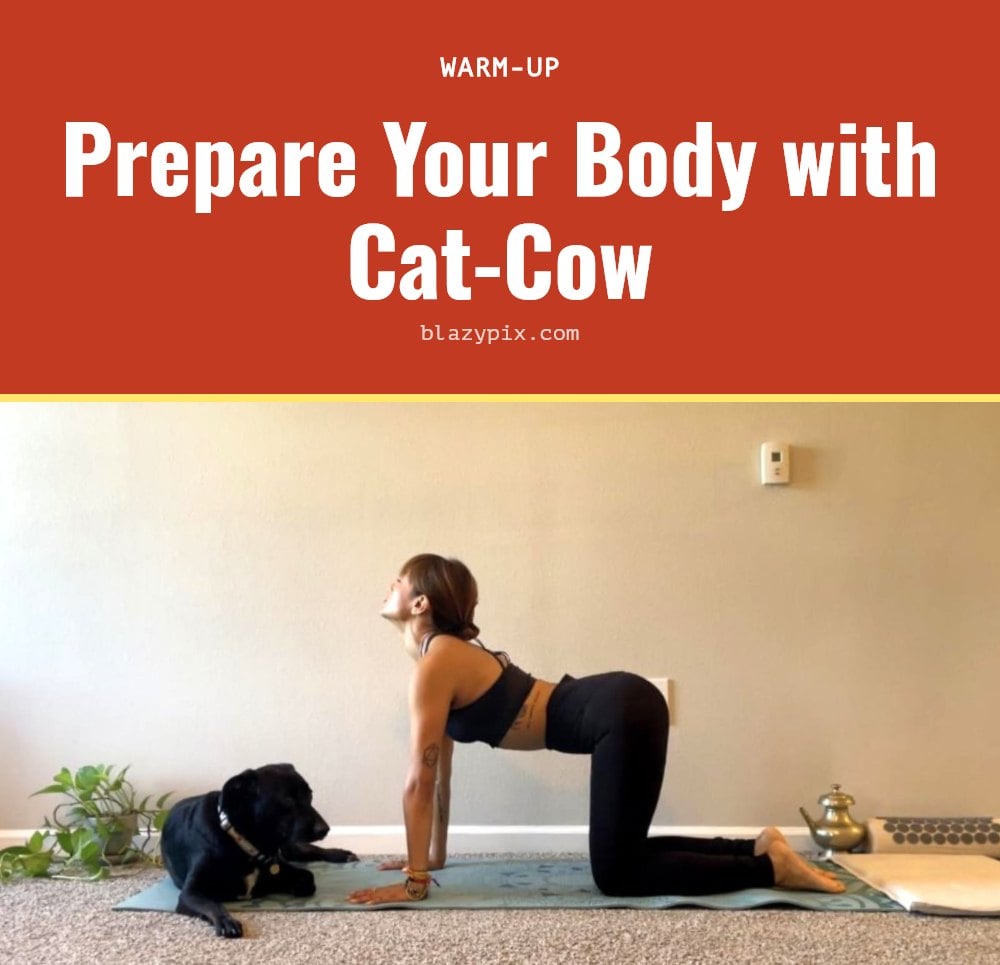
Start on all fours, with your hands directly under your shoulders and your knees under your hips. Inhale as you drop your belly toward the mat and lift your gaze (Cow pose). Exhale as you round your spine toward the ceiling, tucking your chin to your chest (Cat pose).
- Sets and reps: 8-10 slow repetitions, moving with your breath.
- Form cue: Keep your shoulders stacked over your wrists and your hips over your knees throughout.
- Make it easier: Reduce the range of motion if you feel tightness in your spine.
2. Pelvic Tilts
Lie on your back with your knees bent, feet flat on the floor hip-width apart. Your lower back will have a natural curve. Gently flatten your lower back into the mat by tilting your pelvis upward, engaging your lower abs. Do not lift your hips off the mat. Hold for a count of two, then slowly release.
- Sets and reps: 2 sets of 10-12 repetitions.
- Form cue: Keep the movement small and controlled; you are tilting, not lifting.
- Make it easier: Place your hands under your hips for feedback on the pelvic tilt.
3. Dead Bug
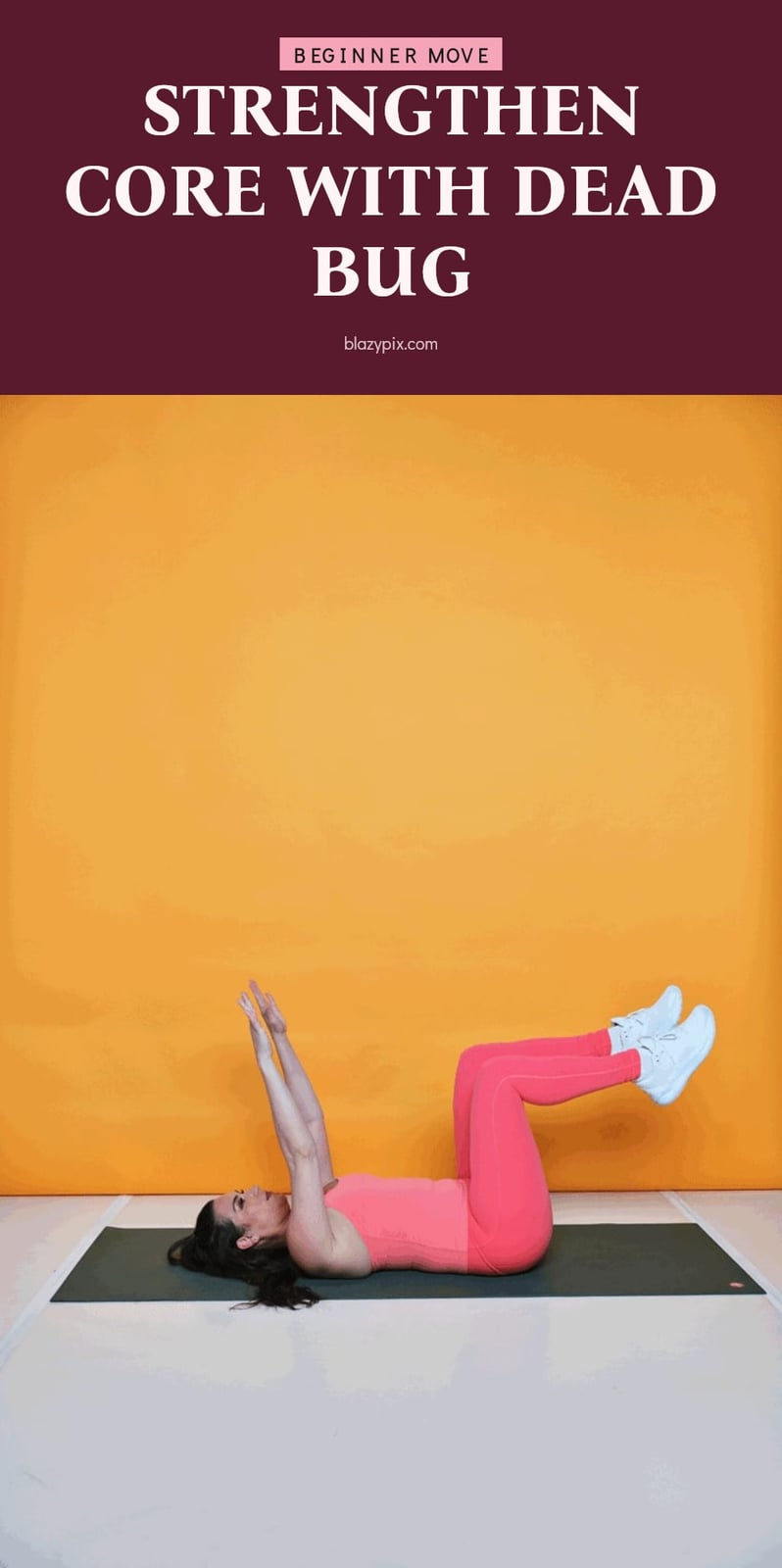
Lie on your back with your knees bent at 90 degrees over your hips, shins parallel to the floor. Extend your arms straight up toward the ceiling. Slowly lower your right arm and left leg simultaneously toward the floor, keeping your lower back pressed into the mat. Stop just before your limbs touch the ground, then return to center with control. Alternate sides.
- Sets and reps: 2 sets of 8-10 repetitions per side.
- Form cue: Exhale as you lower your limbs, imagining your belly button pulling toward your spine.
- My tip: Move slowly to maintain core stability. Rushing makes you lose the engagement.
- Make it harder: Hold the lowered position for 2 seconds before returning.
4. Reverse Crunches
Lie on your back with your hands by your sides or lightly supporting your head. Bring your knees to a 90-degree angle, shins parallel to the floor. Engage your lower abs to lift your hips slightly off the floor, bringing your knees toward your chest. Imagine pulling your belly button toward your spine as you lift. Slowly lower your hips back down with control, avoiding any swinging motion.
- Sets and reps: 2-3 sets of 10-15 repetitions.
- Form cue: Exhale as you lift your hips. This helps engage your core more effectively.
- Make it easier or harder: Keep your hands pressed into the mat for extra support. To increase difficulty, hold the lifted position for a one-count before lowering.
5. Leg Lowers (Modified)
Lie on your back and press your lower back firmly into the mat. Bring your knees to a 90-degree angle over your hips, shins parallel to the floor. Slowly lower one heel toward the floor, tapping it lightly, while keeping the other leg stable. Maintain that lower back press throughout. Return the leg to start and alternate sides.
- Sets and reps: 2 sets of 10-12 taps per leg.
- Form cue: Only lower as far as you can without arching your back. The moment your back lifts off the mat, you have gone too far.
- Make it easier or harder: Keep both legs at 90 degrees and only lower one heel a few inches. For more challenge, try lowering both heels a few inches toward the floor at the same time.
6. Flutter Kicks

Lie on your back with your hands under your lower back for support if needed, or by your sides. Lift both legs a few inches off the floor, keeping them straight. Engage your core to keep your lower back pressed into the mat. Perform small, alternating up-and-down movements with your legs, like kicking in water. Keep the motions controlled and small, no big swings.
- Time: 30-45 seconds, then rest. Repeat for 2-3 sets.
- Form cue: The lower your legs hover, the harder your core has to work. Adjust the height to your comfort level.
- Make it easier or harder: Lift your legs higher off the floor to reduce intensity. To increase difficulty, lower them closer to the mat without letting your back arch.
7. Forearm Plank
Start on your forearms and toes, body in a straight line from head to heels. Place your elbows directly under your shoulders with forearms parallel. Engage your entire core by squeezing your glutes and pulling your belly button toward your spine. Avoid letting your hips sag toward the floor or pike up toward the ceiling.
- Time: Hold for 20-30 seconds, rest, and repeat for 2-3 sets.
- Form cue: Imagine a straight line from your head to your heels. Keep your gaze just past your fingertips to maintain a neutral neck position.
- Make it easier or harder: Drop to your knees if holding a full plank is too challenging. For more difficulty, lift one leg a few inches off the floor and hold.
8. Cool-Down: Cobra Stretch
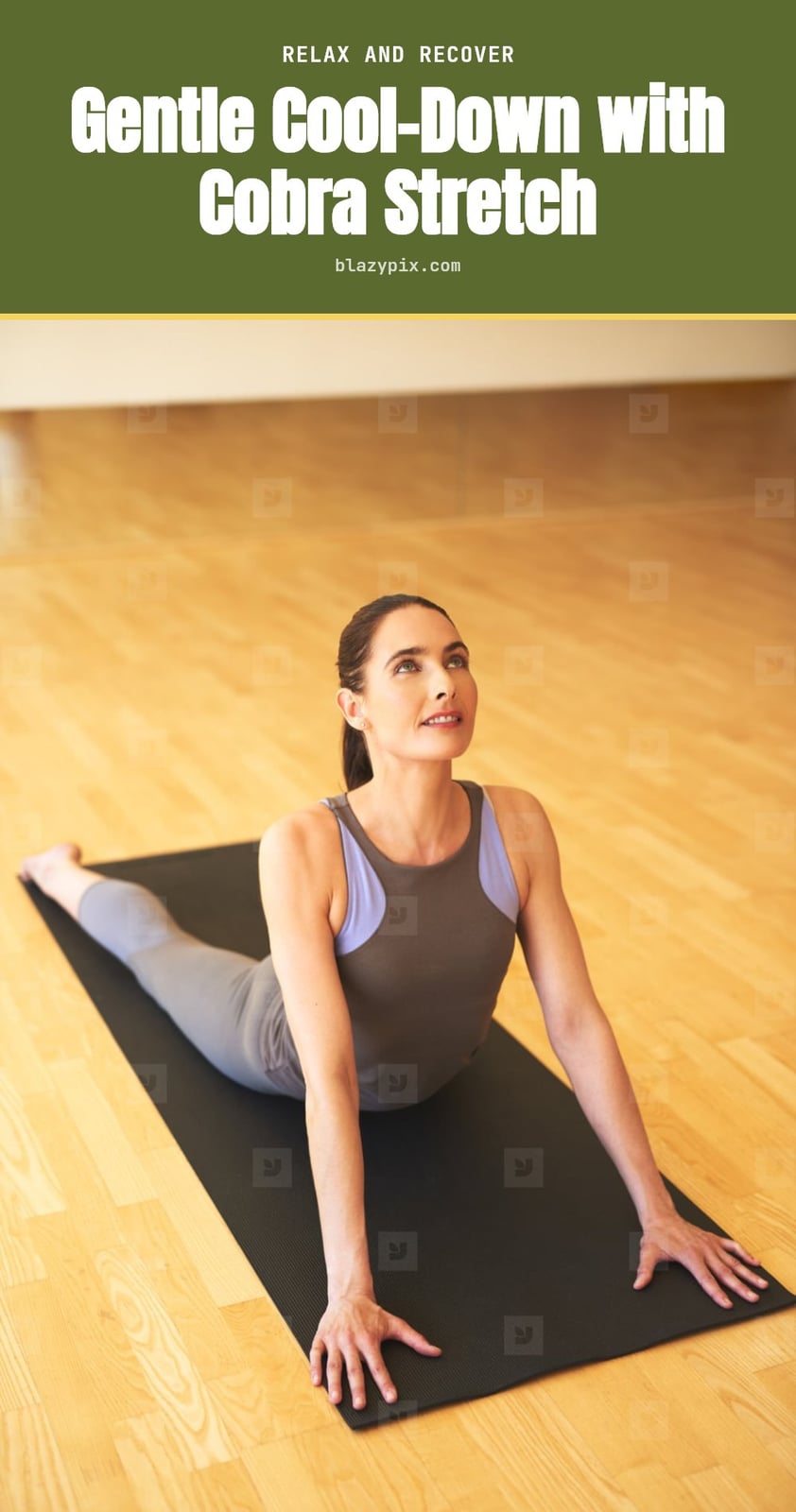
Lie face down on your mat with your hands flat on the floor under your shoulders and your elbows tucked in close to your body. Gently press through your hands to lift your chest off the floor, keeping your hips and lower body grounded. Look straight ahead, avoiding craning your neck.
- Time: Hold for 15-20 seconds, feeling a gentle stretch in your abdomen. Release slowly. Repeat 2-3 times.
- Form cue: Keep your shoulders relaxed and your gaze forward, not up, to prevent neck strain.
- Make it easier or harder: For a gentler version, only lift your chest a few inches. To deepen the stretch, press your hips into the mat and lift higher.
Weekly Workout Schedule for Your Core
Consistency is key for seeing results and building strength. This schedule incorporates the lower belly workout 2-3 times a week, allowing for rest and recovery. Always include a warm-up before and a cool-down after your workout. Remember to listen to your body and adjust as needed.
| Day | Focus | Notes |
|---|---|---|
| Monday | Lower belly workout | Include warm-up and cool-down |
| Tuesday | Rest or light cardio | Walking, stretching |
| Wednesday | Lower belly workout | Focus on form over speed |
| Thursday | Full-body strength | Include other muscle groups |
| Friday | Lower belly workout | Add one extra rep per set |
| Saturday | Active recovery | Yoga, swimming, or rest |
| Sunday | Rest | Hydrate and prepare for the week |
Common Mistakes to Avoid in Your Lower Belly Workout
Arching Your Lower Back: This shifts the work away from your abs and can cause back pain. Always keep your lower back pressed into the mat during exercises like leg lifts.
Using Momentum, Not Muscles: Swinging your legs or body means your muscles aren’t fully engaging. Slow down and focus on controlled movements to feel your core work.
Holding Your Breath: Proper breathing helps engage your core more effectively. Exhale on exertion (when you lift or contract) and inhale as you release.
Neglecting Overall Fitness: A lower belly workout is part of a bigger picture. Diet and full-body exercise are crucial for fat loss and overall definition.
Expecting Instant Results: Building core strength and seeing visible changes takes time and consistency. Don’t get discouraged if you don’t see changes overnight.
Frequently Asked Questions
How often should I do a lower belly workout?
Aim for 2-3 times per week, allowing at least one rest day between sessions. This gives your muscles time to recover and grow stronger. Include it as part of a balanced fitness routine with cardio and full-body strength training.
Can you really target lower belly fat?
No, spot reduction is not possible. Fat loss happens evenly across your body based on genetics, diet, and overall activity. These exercises strengthen the muscles underneath, which can improve definition when combined with a calorie deficit and full-body movement.
What is the best way to lose belly fat?
The most effective approach combines a calorie-controlled diet, regular cardiovascular exercise, and full-body strength training. Core workouts help build muscle tone, but they won’t burn fat from just one area. Patience and consistency are key.
How long until I see results from lower belly exercises?
You may feel stronger in 3-4 weeks, but visible changes often take several months. Results depend on your starting point, diet, and how consistently you work out. Focus on how your core feels rather than expecting quick visual changes.
Do I need equipment for a lower belly workout?
No special equipment is required. A yoga mat or comfortable surface is helpful for cushioning, but you can do all these moves on a carpet or towel. Bodyweight exercises like reverse crunches and flutter kicks are effective on their own.
Final Thoughts
My tip for getting the most out of these moves is to prioritize quality over quantity. Start with 2-3 sets of 10-15 controlled reps, and rest 30-60 seconds between sets. Realistic results take time, with strength improvements often noticeable in 3-4 weeks and visible changes over several months. Stick with it, and your core will thank you.
This article is for general informational purposes only and does not constitute medical or professional advice. Always consult a doctor, physical therapist, or qualified fitness professional before starting a new exercise program, especially if you have pre-existing conditions, injuries, or are pregnant.