How to Build Your Glutes Without a Gym Effectively
Discover how to build strong glutes at home without a gym using bodyweight and resistance bands. Get effective exercises and tips for a powerful posterior.

You don’t need a gym membership or fancy equipment to build strong, shapely glutes. Bodyweight exercises like squats, lunges, and glute bridges can be surprisingly effective when done with proper form and consistent effort. This article covers everything you need to know to build your glutes at home, from essential gear to a step-by-step workout plan, common mistakes to avoid, and what timeline to expect.
Key Takeaways
- Focus on proper form over reps to prevent injury and maximize glute activation.
- Use progressive overload by adding more reps, sets, or resistance bands over time.
- Incorporate exercises that target all three glute muscles: maximus, medius, and minimus.
- Aim for 2-4 glute-focused workouts per week with rest days in between.
- Pair your workouts with a balanced diet rich in protein to support muscle repair.
You Can Absolutely Build Strong Glutes Without a Gym
You don’t need a gym membership or expensive equipment to build strong glutes. Bodyweight exercises like squats, lunges, and glute bridges are highly effective, and adding resistance bands takes the challenge further. The key is focusing on proper form, gradually increasing the difficulty (progressive overload), and staying consistent. Strong glutes improve your posture, boost athletic performance, and help reduce the risk of back and knee pain. It’s completely doable at home.
Your Home Glute Workout Essentials
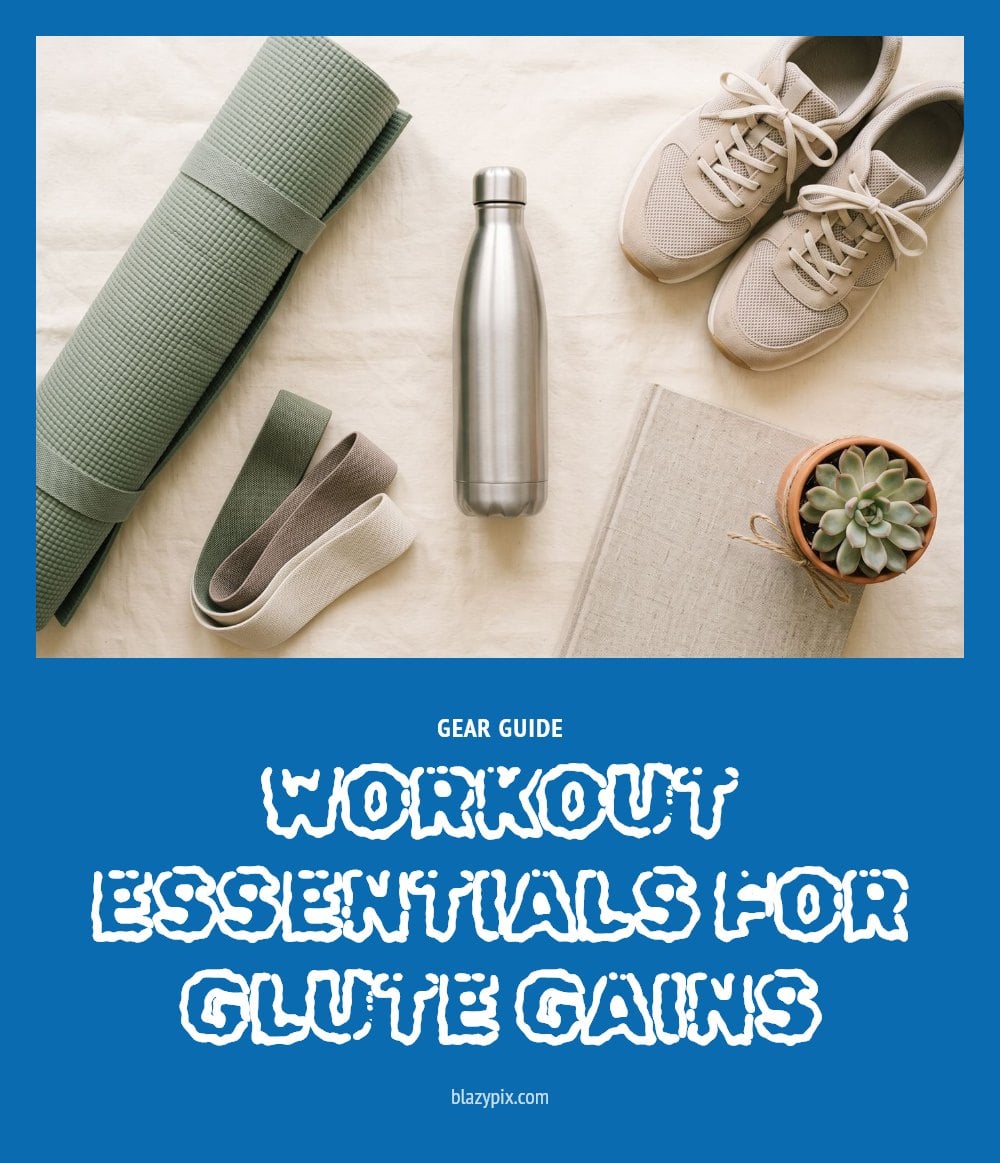
You only need a few items to get started, and you probably already have some at home.
- Resistance bands: Loop bands or long bands add intensity to bodyweight moves and help activate your glutes. They’re small and portable, so you can use them anywhere.
- Yoga mat: Provides cushioning and stability for floor exercises like glute bridges and clamshells. It also keeps you from slipping.
- Sturdy chair or bench: Use it for elevated lunges, step-ups, or hip thrusts. A higher surface increases your range of motion, which makes the exercise harder.
Your Step-by-Step Guide to a Powerful Glute Workout
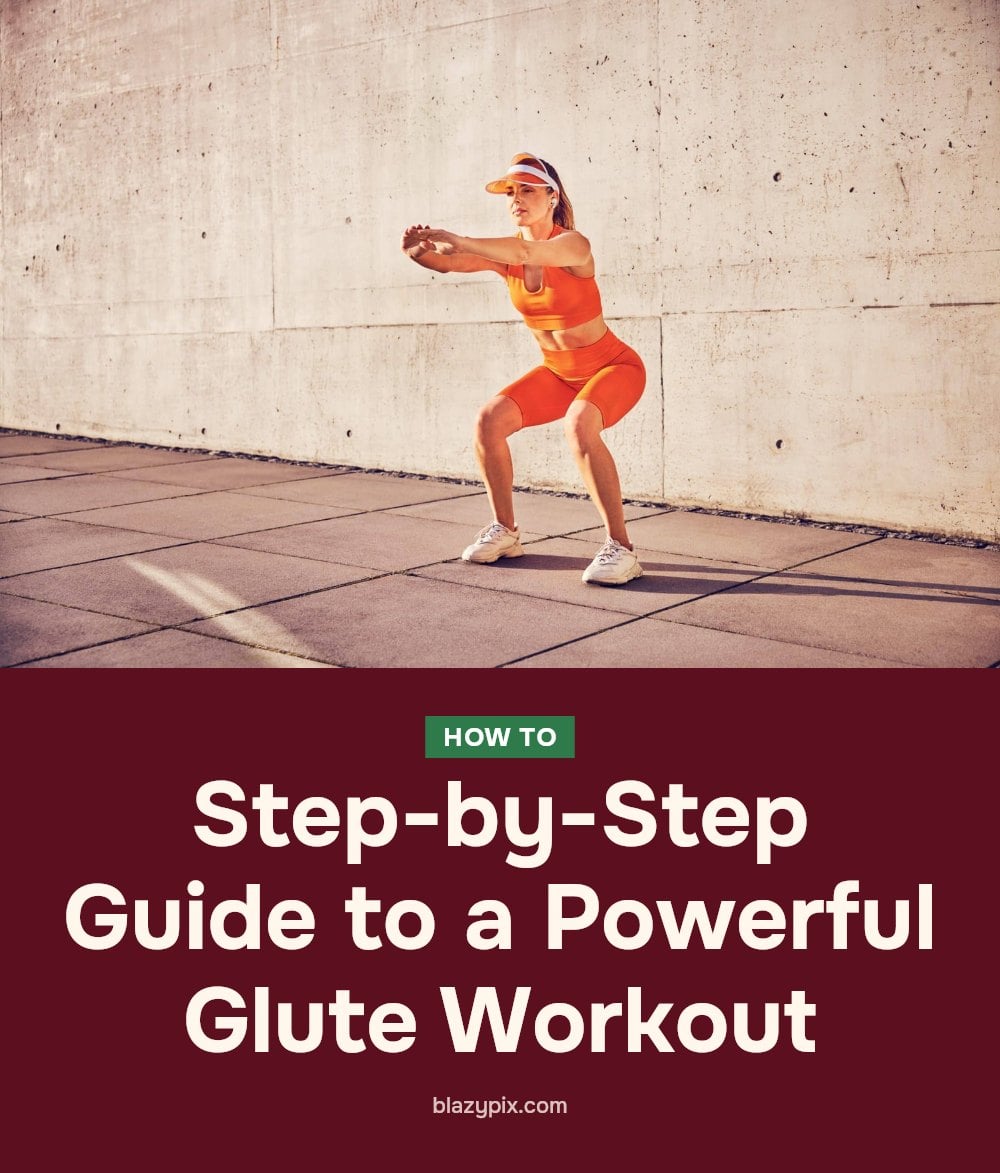
Follow these steps to build a powerful glute workout at home. Each step builds on the last, so don’t skip ahead.
- Warm up with glute activation: Start with 5 minutes of dynamic movements like leg swings, bodyweight squats, and glute bridges. Follow with 10-15 band walks or clamshells to wake up your glutes and prevent other muscles from taking over.
- Choose 3-4 exercises that cover all glute actions: Pick one hip extension move (glute bridges or hip thrusts), one compound move (squats or lunges), and one abduction move (band walks or clamshells). Perform 3 sets of 12-15 reps for each.
- Focus on form and mind-muscle connection: Squeeze your glutes at the top of each rep. Move slowly and control the descent. If you can’t feel your glutes working, reduce the range of motion or add a pause.
- Apply progressive overload: Every 2-3 weeks, increase the challenge. Add an extra set, slow down the tempo (e.g. 3 seconds up, 3 seconds down), or use a heavier resistance band. If an exercise feels easy, it’s time to progress.
- Cool down with static stretches: Hold a glute stretch (like pigeon pose) and a hip flexor stretch for 30 seconds each. This improves flexibility and helps recovery.
1. Glute-Focused Exercises You Can Do Anywhere
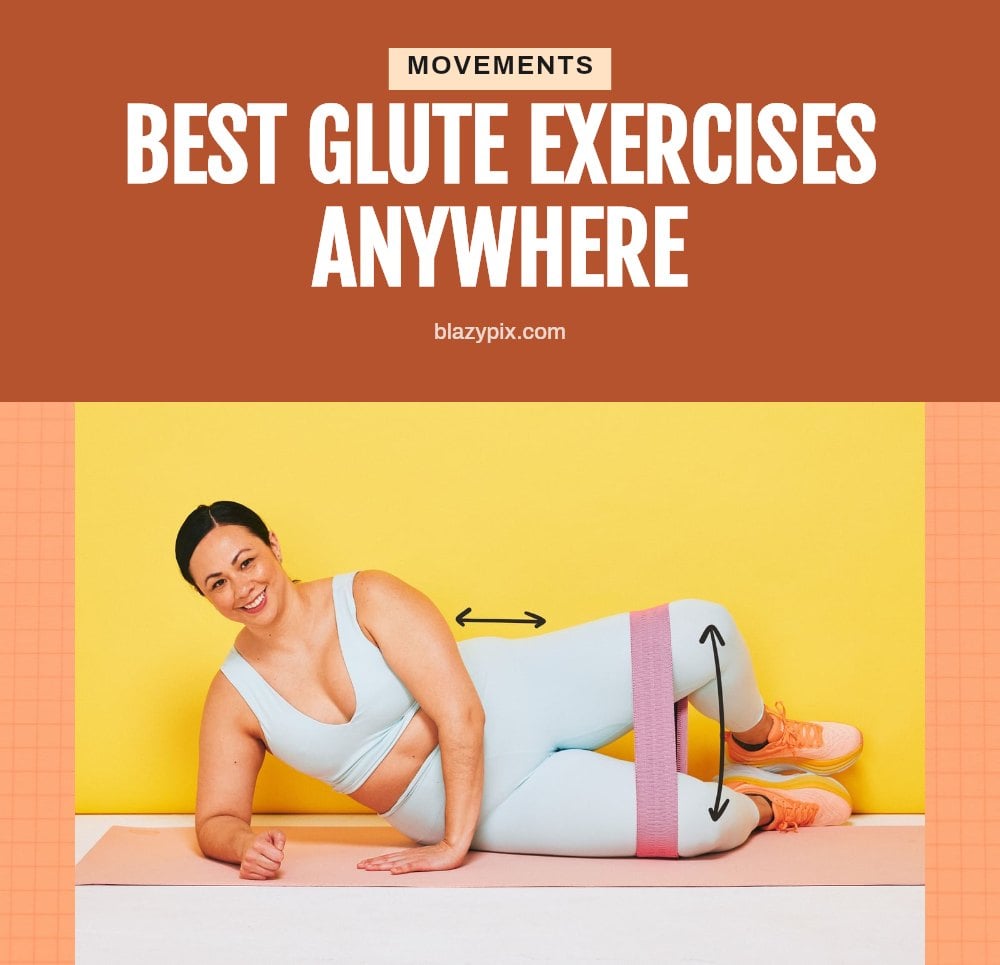
These five exercises hit all three glute muscles and can be done in a small space with no equipment (or just a band).
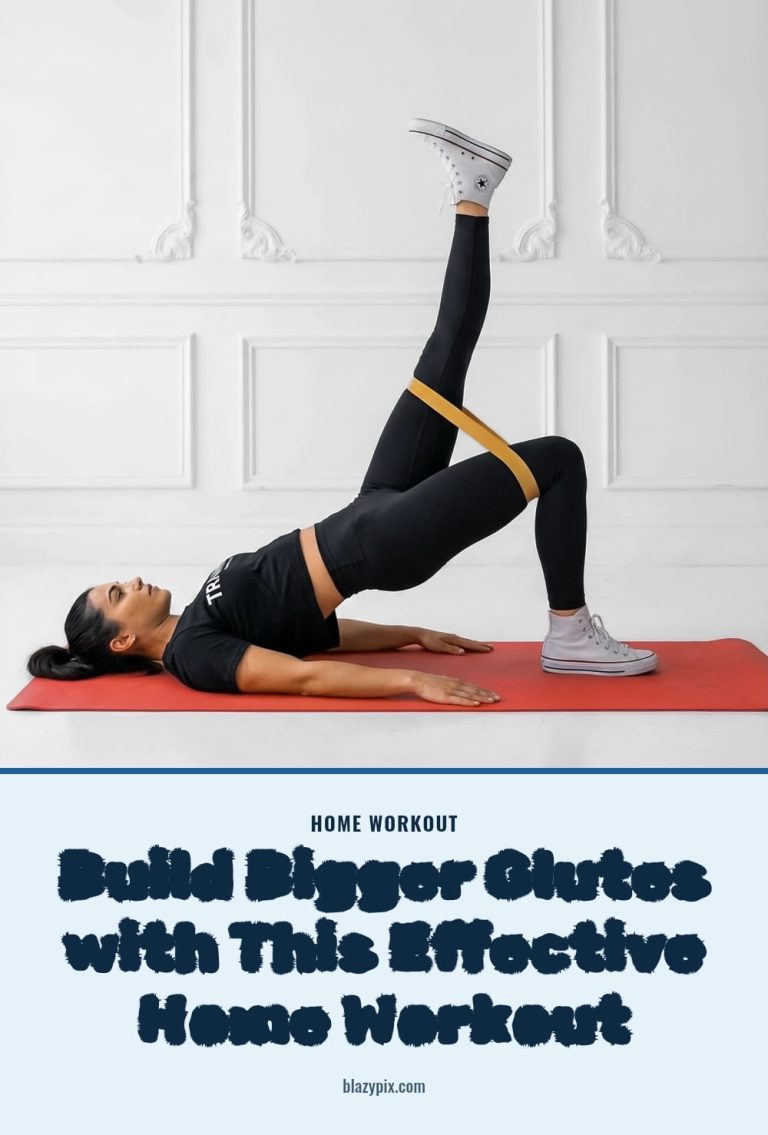
- Glute Bridges: Lie on your back, knees bent, feet flat. Lift your hips up, squeezing your glutes at the top. This targets the gluteus maximus and is great for activation.
- Squats: Stand with feet shoulder-width apart, lower your hips as if sitting in a chair, then push through your heels to stand. Squats work your glutes, quads, and hamstrings together.
- Lunges: Step forward with one leg and lower both knees to 90 degrees. Keep your front knee over your ankle. Lunges build unilateral strength and let you focus on one glute at a time.
- Clamshells: Lie on your side with knees bent at 45 degrees. Keep your feet together and lift your top knee toward the ceiling. This isolates the gluteus medius and minimus for hip stability.
- Resistance Band Walks: Place a loop band around your ankles or just above your knees. Stay in a half-squat position and take small steps sideways. This move engages the gluteus medius for hip abduction.
Common Glute Workout Mistakes and How to Fix Them
Not activating glutes first: Jumping straight into squats or lunges often lets your quads and hamstrings take over. A quick warm-up of 10-15 glute bridges or band walks wakes up the glutes so they actually do the work during your main set.
Using momentum, not muscle: Swinging your legs or bouncing through reps reduces muscle engagement. Slow down the movement and pause for one second at the top of each rep to feel the squeeze.
Skipping progressive overload: Doing the same number of reps every week leads to a plateau. Add one more rep per set, slow down the tempo, or switch to a heavier resistance band every 2-3 weeks.
Neglecting all glute muscles: Focusing only on glute bridges and squats hits the maximus but leaves the medius and minimus underdeveloped. Add clamshells and side-lying leg lifts to build hip stability.
Poor nutrition: Muscles need protein to repair and grow after a workout. Aim for a serving of protein-rich food within two hours of exercising to support recovery.
Top Tips for Maximizing Your Glute Gains at Home
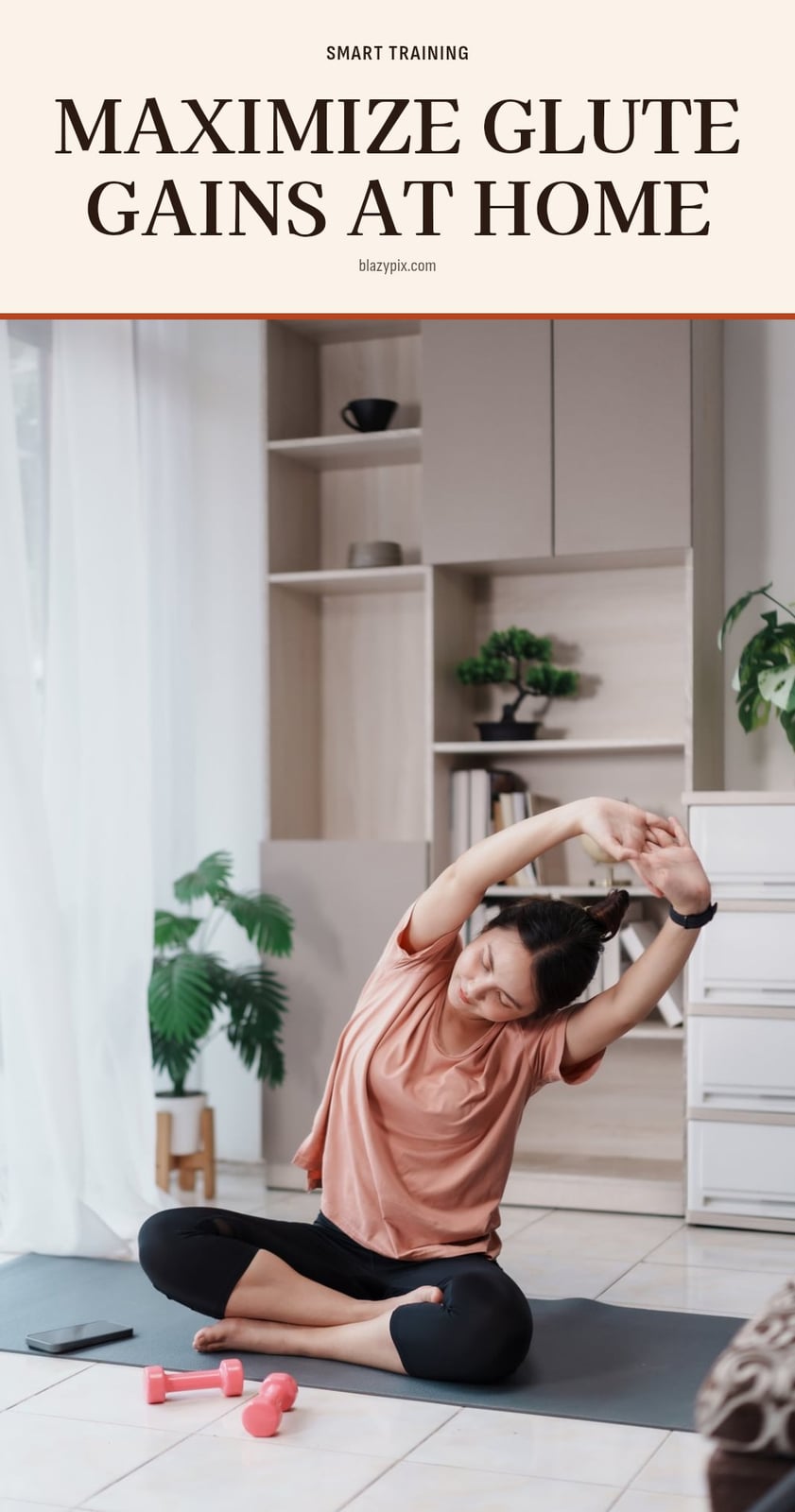
Mind-muscle connection: I focus on squeezing my glutes hard at the top of every rep. It makes a real difference in how much I feel the burn the next day.
Consistency is key: I schedule 3 glute sessions per week with a rest day in between. That regular stimulus is what drives growth over time.
Listen to your body: If a movement causes sharp pain, I stop and modify it. Rest days are not laziness, they are part of the progress.
Hydration and nutrition: I keep a water bottle nearby during workouts and eat a balanced diet with plenty of protein. My tip: a small protein snack like Greek yogurt or a hard-boiled egg after a session helps muscles recover.
Vary your routine: Every 3-4 weeks I swap out one exercise, change the rep range, or add a tempo change. That variety keeps my muscles adapting.
What to Expect: Timeline and Cost for Home Glute Workouts
With consistent effort 2-4 times per week, most people notice visible changes in glute strength and shape within 8 to 12 weeks. Continued improvements in muscle tone and size follow over the next several months as you keep progressing.
The total cost is low. A set of resistance bands runs $10 to $30, and a yoga mat costs around $15 to $40. That is it for equipment. No gym fees, no expensive machines. Just a small one-time investment for a routine you can do anywhere.
When to Consult a Professional About Your Workout
If you experience sharp or persistent pain during or after a workout, stop and talk to a healthcare professional. That kind of pain is different from normal muscle soreness and may signal an injury.
Speak with a physical therapist before starting any new routine if you have pre-existing conditions or past injuries. For personalized guidance or if you have been consistent but still see no progress, a certified personal trainer can help adjust your form and program.
Frequently Asked Questions
How long does it take to see results in glute strength?
Most people notice visible changes in glute strength and shape within 8 to 12 weeks of consistent training 2-4 times per week. Continued improvements in muscle tone and size follow over the next several months as you keep applying progressive overload.
Can I really build significant glute muscle without weights?
Yes, you can build significant glute muscle using bodyweight exercises alone, especially when you focus on proper form, slow tempo, and progressive overload. Adding resistance bands can increase the challenge further, but consistent bodyweight work is enough for noticeable gains.
What’s the best way to activate my glutes before a workout?
A quick warm-up of 10-15 glute bridges or band walks effectively wakes up the glutes so they do the work during your main set. This prevents other muscles like your quads or hamstrings from taking over and improves overall exercise effectiveness.
How often should I work out my glutes for best results?
Aim for 2 to 4 glute-focused workouts per week, allowing at least one rest day between sessions for muscle recovery and growth. Consistency is more important than frequency, so choose a schedule you can maintain long term.
What role does diet play in glute growth?
A balanced diet rich in protein supports muscle repair and growth after your workouts. While exercise stimulates the muscles, adequate protein intake provides the building blocks needed for recovery and size increases over time.
Final Thoughts
For the best results, stick with 3 glute sessions per week, each including a warm-up, main exercises, and a cool-down. Expect to see noticeable changes in strength and shape within 8 to 12 weeks of consistent effort. Remember, patience and proper form are your biggest allies in this journey.
This article is for general informational purposes only and does not constitute medical or professional advice. Before starting any new exercise program, consult a healthcare professional or physical therapist, especially if you have pre-existing conditions or injuries. Stop immediately if you experience sharp pain.