
Easy Treadmill Workout to Burn Calories Walking
Discover an easy treadmill workout designed for calorie burning through walking. Learn how to adjust speed and incline for maximum benefit.

Walking on a treadmill is one of the simplest ways to burn calories, boost your heart health, and build endurance, all without the high impact of running. Whether you’re just starting out or looking to shake up your routine, a structured walking workout can make a big difference. In this article, I’ll walk you through a step-by-step treadmill routine that mixes steady pacing with incline and interval challenges, plus tips on how to make it work for you.

Key Takeaways
- Start every treadmill session with 5-10 minutes of light walking to warm up.
- Alternate incline and speed intervals to boost calorie burn and engage more muscles.
- Aim for at least 150 minutes of moderate-intensity walking per week, per CDC guidelines.
- Skip the handrails to maximize effort and maintain proper posture.
- Finish with a 5-10 minute cool-down and stretches to ease recovery.
1. Warm-Up Walk

Start with a gentle pace to ease your body into movement. Walk for 5-10 minutes at a comfortable speed of 1.5-2.5 mph, letting your heart rate rise gradually.
- Time: 5-10 minutes
- Form cue: Keep your shoulders relaxed, arms swinging naturally.
- Make it easier or harder: Adjust speed slightly, but stay at a conversational effort.
2. Brisk Flat Walk
Pick up the pace to a brisk 3.0-3.5 mph where you can talk but feel slightly breathless. Keep the incline at 0% and walk for 10 minutes with good posture: shoulders back, core engaged, gaze forward.
- Time: 10 minutes
- Form cue: Imagine a string pulling the top of your head upward.
- Make it easier or harder: Slow down to 2.8 mph or speed up to 3.5 mph.
3. Incline Power Walk (Moderate)
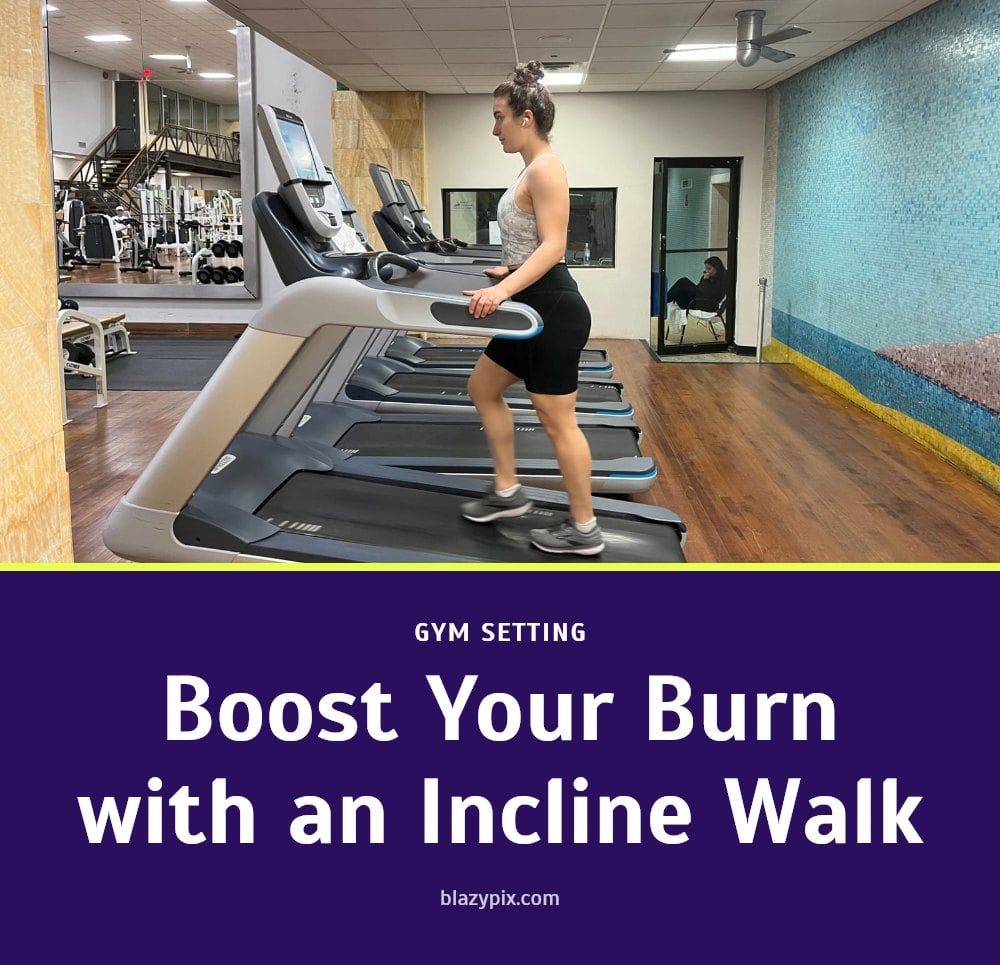
Raise the incline to 3-5% and keep your speed at 2.8-3.2 mph. Walk for 5 minutes, focusing on the burn in your glutes and hamstrings. Avoid holding the handrails so your muscles do the work.
- Time: 5 minutes
- Form cue: Push through your heels, keep your torso tall.
- Make it easier or harder: Lower incline to 2% or increase to 6%.
4. Speed Interval (Fast Walk)
Drop the incline to 0% and alternate between a challenging fast walk and recovery. Go at 3.5-4.0 mph for 2 minutes, then slow to 2.5-3.0 mph for 1 minute. Repeat the cycle 3 times for an interval boost.
- Sets and reps: 3 rounds of 2 minutes fast, 1 minute recovery
- Form cue: Pump your arms to drive your pace.
- Make it easier or harder: Reduce fast intervals to 1 minute or increase to 2.5 minutes.
5. Incline Power Walk (Steeper)
Raise the incline to 5-7% and keep your speed at a moderate 2.5-3.0 mph. Walk for 5 minutes, focusing on a steady rhythm and deep, controlled breathing. This steeper angle significantly boosts calorie burn and works your glutes, hamstrings, and calves harder.
- Time: 5 minutes total.
- Form cue: Keep your torso tall, shoulders relaxed, and gaze forward, not down at your feet.
- Make it easier or harder: Drop the incline to 4% if the burn is too intense, or push it to 8% for an extra challenge.
6. Steady State Brisk Walk
Lower the incline back to 0-1% and settle into a consistent brisk pace of 3.0-3.5 mph. Walk for 10 minutes at this steady effort, keeping your heart rate elevated and your breathing rhythmic. This sustained segment helps lock in calorie burning and builds endurance.
- Time: 10 minutes at a steady pace.
- Form cue: Pump your arms naturally and keep your core engaged for a smooth, efficient stride.
- Make it easier or harder: Slow to 2.8 mph if you need to catch your breath, or speed up to 3.7 mph for a stronger push.
7. Cool-Down Walk
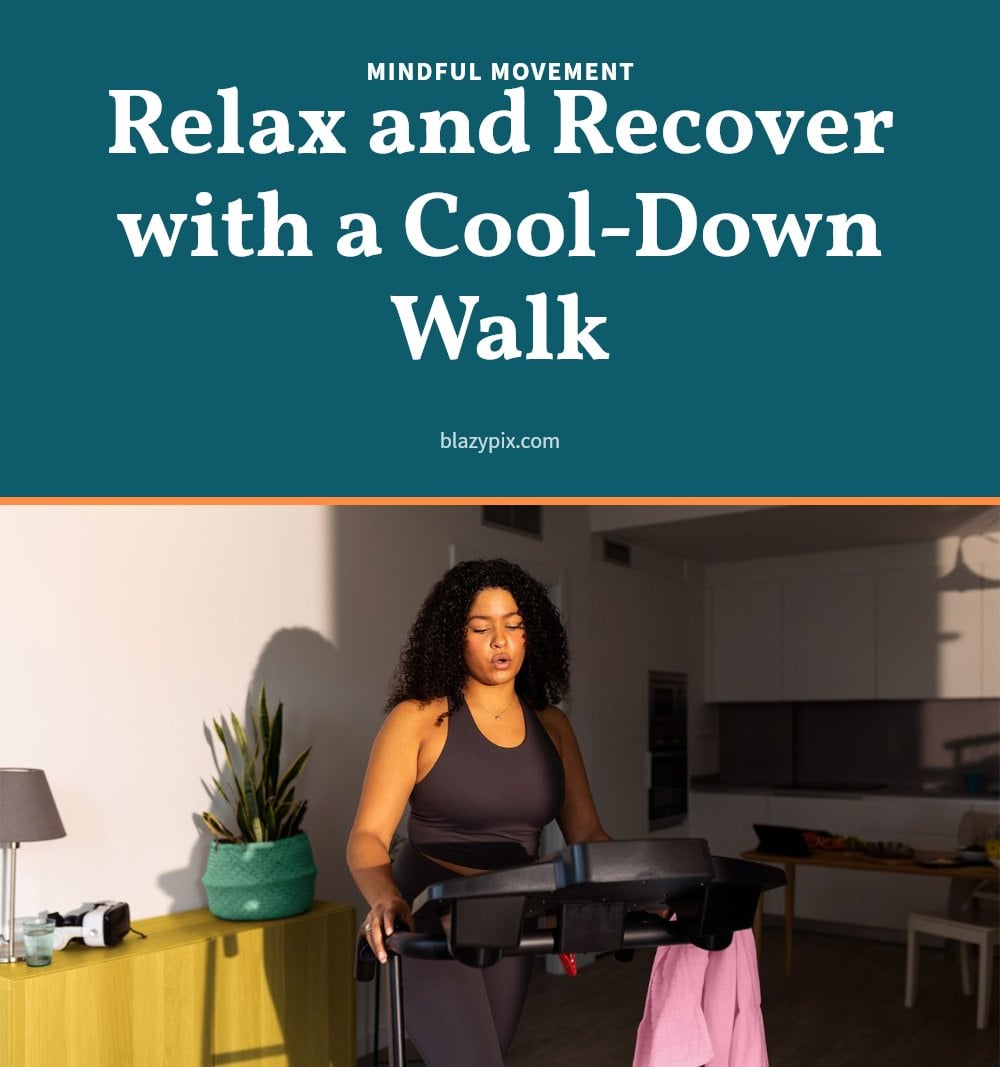
Gradually bring the speed down to a very slow, comfortable walk of 1.0-2.0 mph. Continue for 5-10 minutes to let your heart rate return to normal and your breathing settle. This gradual cooldown prevents blood from pooling in your legs and reduces muscle stiffness.
- Time: 5-10 minutes of slow walking.
- Form cue: Relax your shoulders and arms, and take deep, full breaths to help your body wind down.
- Make it easier or harder: If you feel dizzy, slow down further or step off and sit until you feel steady.
8. Post-Workout Stretch

Once you step off the treadmill, take a few minutes to stretch your hamstrings, quads, and calves. Hold each stretch for 20-30 seconds without bouncing, and breathe deeply to help your muscles relax. Regular stretching improves flexibility and can reduce post-workout soreness.
- Time: Hold each stretch for 20-30 seconds, one to two times per leg.
- Form cue: Keep your stretches gentle and controlled, never forcing a stretch into pain.
- Make it easier or harder: Use a wall or chair for balance if needed, or deepen the stretch slightly as your flexibility improves.
Your Weekly Treadmill Walking Plan
Aim for consistency over extreme intensity. The CDC recommends at least 150 minutes of moderate-intensity aerobic activity per week for adults. Adjust workout duration and intensity based on your fitness level and how you feel each day.
| Day | Workout | Total Time |
|---|---|---|
| Monday | Complete the 7-step workout above | 45-55 min |
| Tuesday | Rest or gentle walk | 20 min |
| Wednesday | Repeat steps 1-6 | 35-45 min |
| Thursday | Steady walk at 3 mph, 0% incline | 30 min |
| Friday | Complete the 7-step workout above | 45-55 min |
| Weekend | Rest or gentle walk | 20-30 min |
Common Treadmill Workout Mistakes to Avoid
Starting too fast without a warm-up: Always begin with 5-10 minutes of light walking. Jumping straight into high intensity shocks your muscles and raises injury risk.
Holding onto handrails: This reduces calorie burn and can affect your natural gait. Try to let go and use your arms naturally to engage your core and get the full benefit.
Not varying speed or incline: Mix it up. Interval training and incline changes keep your body challenged and prevent plateaus in your fitness progress.
Wearing inappropriate shoes: Invest in supportive athletic footwear to protect your joints and feet. Flat or worn-out shoes can lead to discomfort and injury over time.
Skipping the cool-down: A gradual cool-down prevents dizziness and muscle stiffness. Don’t rush off the machine after your main workout.
Ignoring pain: Listen to your body. If something hurts, stop or reduce intensity. Consult a doctor if pain persists.
Frequently Asked Questions
How long should a treadmill workout be?
Aim for 30 to 60 minutes per session, depending on your fitness level and schedule. The CDC recommends at least 150 minutes of moderate-intensity aerobic activity per week, so you could do five 30-minute sessions or three 50-minute ones. Start with shorter sessions if you’re new and build up gradually.
Can I lose weight just by walking on a treadmill?
Yes, walking on a treadmill can help with weight loss when combined with a balanced diet. At a moderate pace of about 3 mph, you may burn 200-300 calories per hour. To see results, aim for regular sessions and consider increasing incline or adding intervals to boost calorie burn. Consistency is key.
What’s the best incline for calorie burning?
There’s no single best incline, but higher inclines generally increase calorie burn and engage your glutes and hamstrings more. The routine here uses moderate inclines of 3-7% for power walks. Start with a lower incline and gradually increase as you get stronger. Listen to your body to avoid overexertion.
How often should I do treadmill workouts?
Most days of the week is fine, as long as you listen to your body and allow rest days when needed. The CDC suggests at least 150 minutes of moderate activity weekly, so you could do 30-minute sessions five days a week. If you’re new, start with three days and build up.
Is it better to walk or run on a treadmill for weight loss?
Both can work, but walking is lower impact and easier on joints, making it a great option for many. Running burns more calories per minute, but walking at a brisk pace with inclines can also be effective. Choose what feels sustainable for you, and consider mixing both if you’re able.
Final Thoughts
My tip: stick with this routine three to five days a week, and you’ll likely notice improvements in your stamina and how your clothes fit within a few weeks. Consistency beats intensity, so if you’re tired, just lower the speed or incline and keep moving. Remember to listen to your body, wear supportive shoes, and stay hydrated. Over time, you can gradually increase the incline or speed to keep challenging yourself.
This article is for general informational purposes only and is not a substitute for professional medical advice. Before starting any new exercise program, especially if you have health conditions, are pregnant, or are recovering from an injury, consult a doctor or qualified fitness professional. If you experience pain, dizziness, or unusual symptoms during exercise, stop and seek medical attention.