Hair Wash Day Routine: Step-by-Step for Clean, Soft Hair
Transform your hair wash day into a spa-like ritual. Learn the step-by-step routine for clean, soft, and manageable hair, tailored to your needs.

You know that feeling when your hair just doesn’t look or feel clean, no matter how much shampoo you use? That’s because hair wash day is more than a quick lather and rinse. It’s a full routine that starts with the right water temperature and ends with gentle drying, all tailored to your hair type. This article breaks down every step, from choosing the right products to avoiding common mistakes, so you can get truly clean, soft, manageable hair every time.

Key Takeaways
- Shampoo focuses on your scalp; conditioner goes from mid-lengths to ends.
- Warm water opens cuticles for cleansing; cool water seals them for shine.
- Use a wide-tooth comb on wet hair to detangle without breakage.
- Pat hair dry with a microfiber towel or old t-shirt to reduce frizz.
- Wash frequency depends on your hair type, scalp oiliness, and activity level.
What Exactly Is Hair Wash Day?
Hair wash day is the full routine of cleansing, conditioning, and prepping your hair for styling. It goes beyond a quick shampoo to address concerns like oiliness, dryness, or frizz, which is what makes it work. The key is tailoring every step to your hair type and needs, so you get the healthiest results possible.
Your Essential Hair Wash Day Toolkit
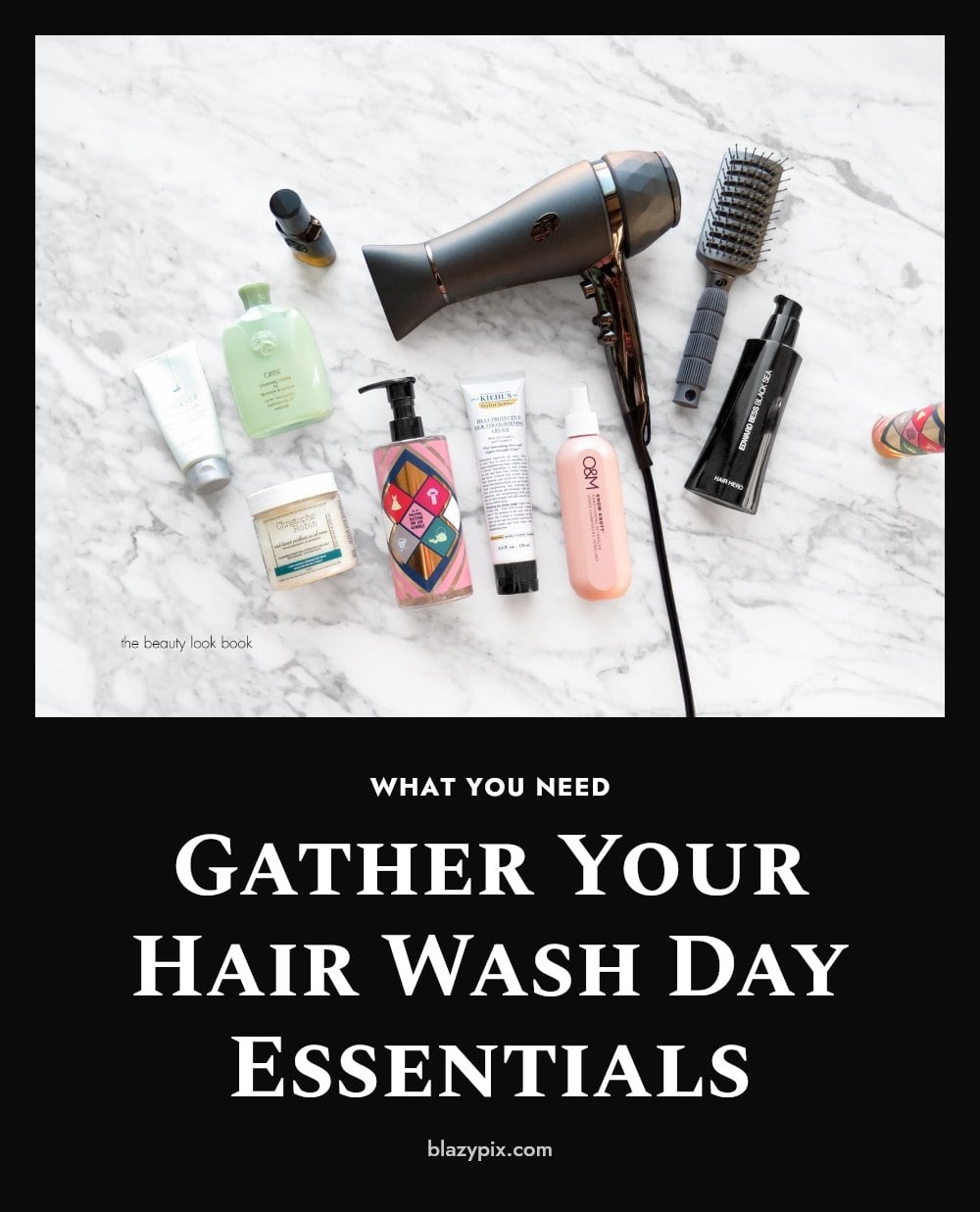
Start with the basics: a shampoo and conditioner made for your hair type. Pair them with a wide-tooth comb, which is the only tool you should use on wet hair to detangle without breakage. A microfiber towel or an old t-shirt reduces friction and frizz when drying.
- Shampoo and conditioner: Choose formulas for your specific concerns, like oily scalp, dry ends, or color-treated hair.
- Wide-tooth comb: Detangles wet hair gently, starting from the ends and working upward.
- Microfiber towel or t-shirt: Absorbs water without roughing up the hair cuticle, cutting down on frizz.
- Optional extras: Pre-shampoo oil or mask, leave-in conditioner, heat protectant, and hair serum for added nourishment and styling prep.
Your Step-by-Step Guide to a Perfect Hair Wash Day
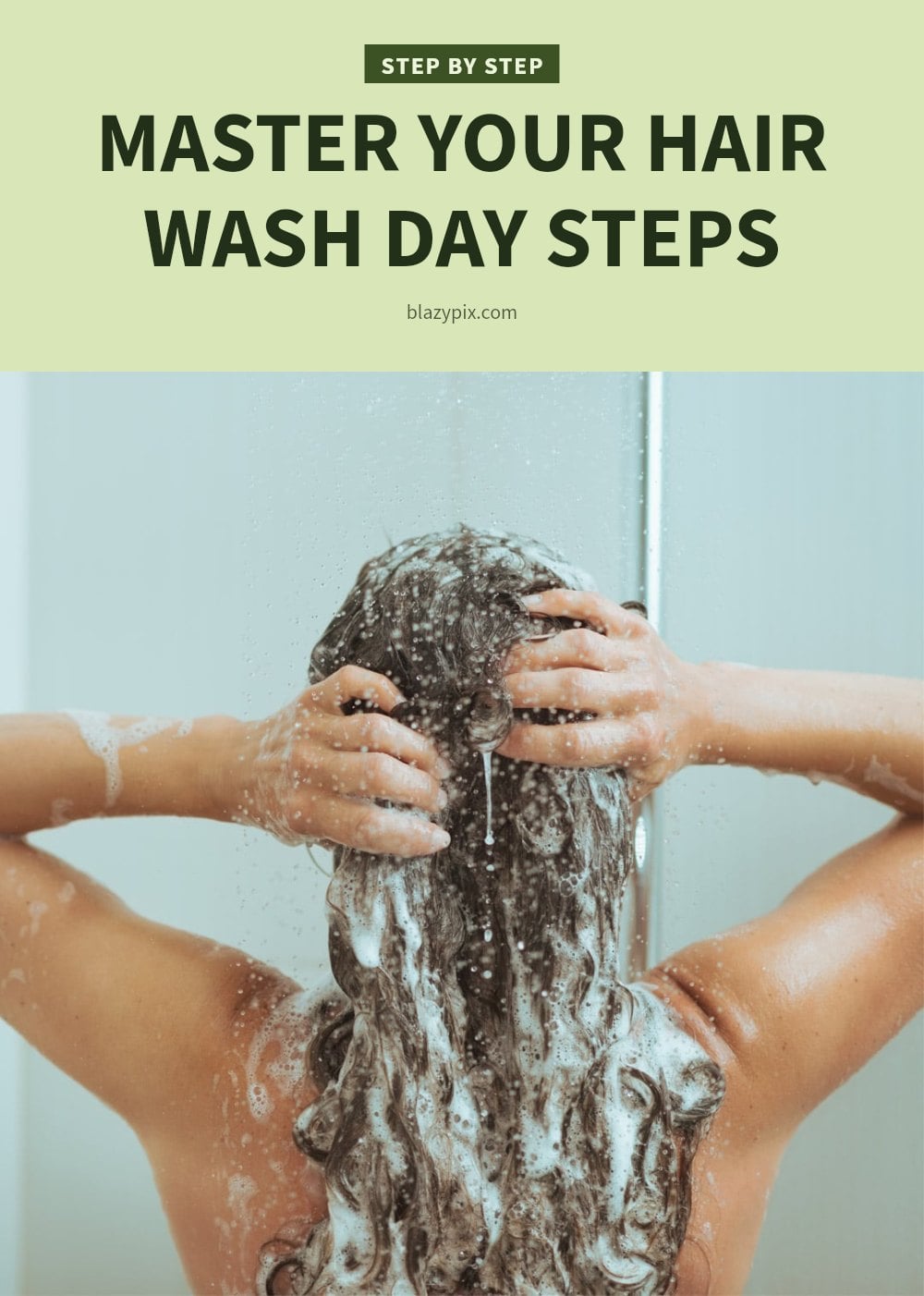
- Wet your hair thoroughly: Start with warm water to open the cuticles so shampoo can clean effectively. Make sure every strand is soaked before you begin.
- Apply shampoo to the scalp: Focus the shampoo on your roots and scalp, not the ends. Massage gently with your fingertips in circular motions to stimulate blood flow and remove buildup. Avoid scrubbing with your nails.
- Rinse and apply conditioner: Rinse all shampoo out with warm water, then squeeze excess water from your hair. Apply conditioner from mid-lengths to ends only, skipping the scalp unless you’re using a scalp-specific treatment.
- Detangle while conditioned: Use a wide-tooth comb or your fingers to gently work out tangles, starting at the ends and moving up. This is when hair is most flexible and least likely to break.
- Rinse with cool water: Switch to cool water for the final rinse to remove all conditioner completely. Cool water seals the cuticles, which locks in moisture and adds shine.
- Dry gently: Gently squeeze out excess water with your hands, then pat your hair dry with a microfiber towel. Never rub or wring it, as that causes frizz and breakage.
Understanding Your Hair Type for Best Results
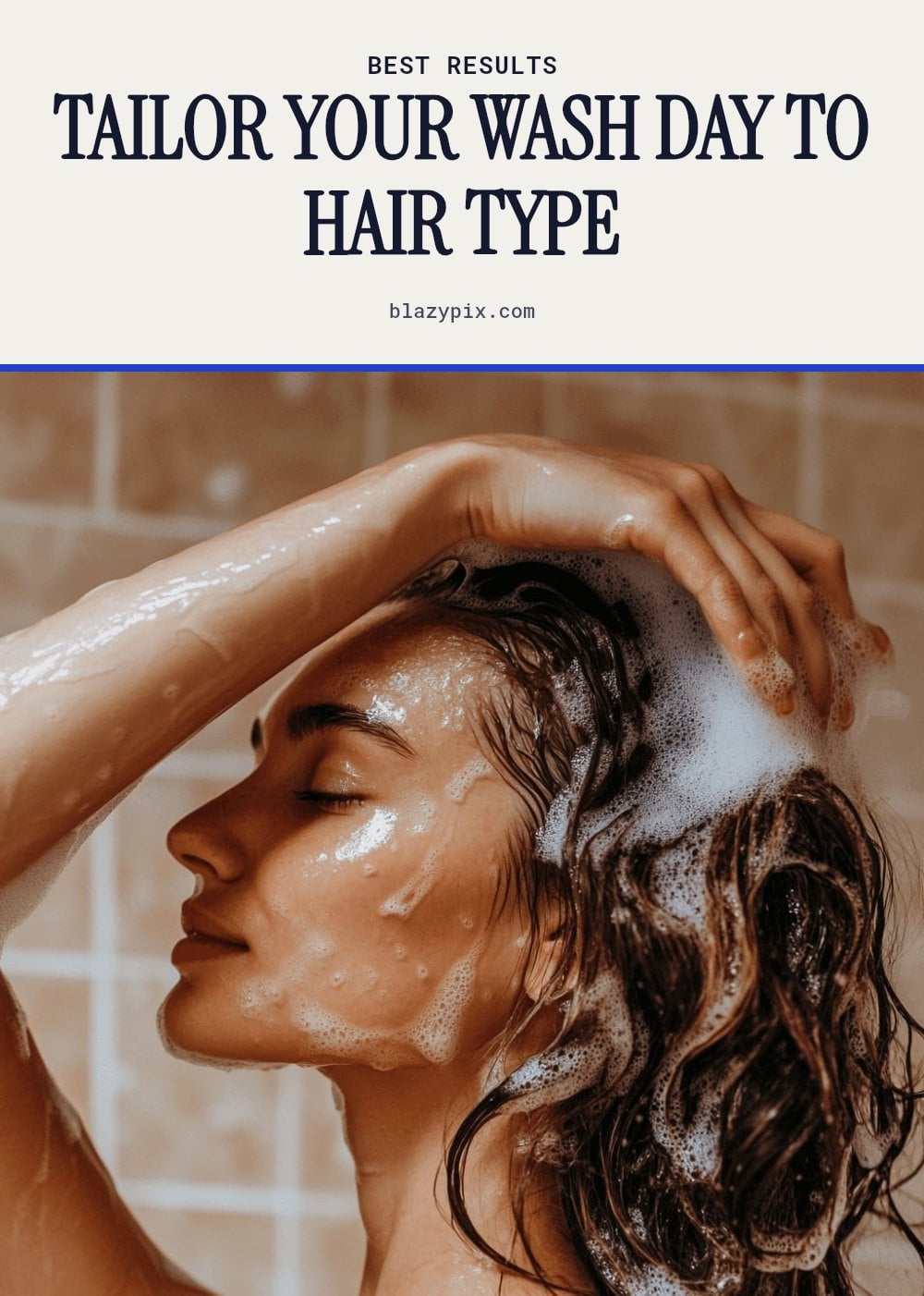
How often you wash your hair depends on your hair type, how oily your scalp gets, your activity level, and how much product you use. Some people need daily washing, while others go a week or more between washes.
Water temperature matters
Warm water opens the cuticles for a deeper clean, but always finish with a cool rinse. Cool water seals the cuticles, which helps your hair retain moisture and reflect light for extra shine.
Pre-shampoo treatments
Applying a hair mask or oil 15-30 minutes before shampooing can give your strands extra nourishment and protection, especially if your hair is dry or damaged. For fine or oily hair, choose a lightweight oil like argan or jojoba and apply only to the ends, or skip the oil entirely and use a lightweight mask instead.
- Fine or oily hair: Wash every 1-2 days; if using a pre-shampoo treatment, stick to lightweight oils on the ends only.
- Thick, curly, or dry hair: Wash once a week or less; pre-shampoo masks help a lot.
- Color-treated hair: Wash less often to preserve color; use a sulfate-free shampoo.
Common Hair Wash Day Mistakes to Avoid
Washing too often or not often enough for your hair type can throw off your scalp’s natural oil balance. My tip: stick to a schedule that matches your hair’s needs, not a calendar date.
Applying conditioner directly to the scalp is a common misstep that leads to greasiness and buildup. Keep it on the mid-lengths and ends only.
Aggressively rubbing your hair dry with a towel creates frizz and breakage. Instead, gently squeeze out excess water and pat dry with a microfiber towel or an old t-shirt.
Skipping heat protectant when you use styling tools leaves hair vulnerable to heat damage. Tip: always apply a protectant before any hot tool touches your strands.
Pro Tips for an Even Better Hair Wash Day
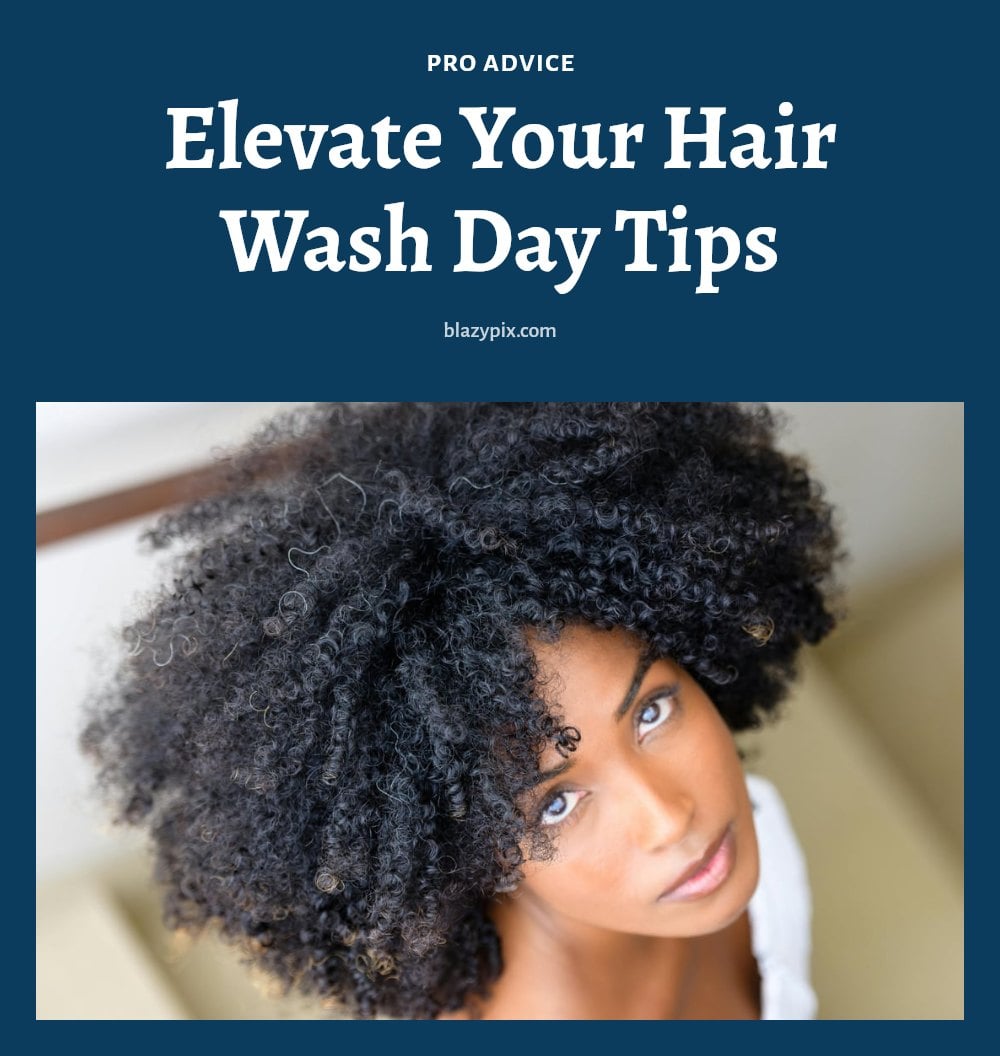
Consider a pre-shampoo treatment like a hair oil or mask applied 15-30 minutes before washing. It adds extra nourishment and protection, especially for dry or damaged hair.
Use a clarifying shampoo sparingly, only when you notice significant product buildup or dullness. Overuse can strip natural oils.
Air drying is gentler on hair than blow-drying because it avoids direct heat exposure. If you must use heat, always apply a heat protectant first.
Pro move: finish with cool water rinse to seal the cuticles and boost shine.
How Long Does Hair Wash Day Take and How Often?
A typical hair wash day routine takes 15 to 30 minutes, including shampooing, conditioning, and gentle drying. Frequency varies widely: some people need daily washing, while others wash once a week or less.
Pay attention to your hair and scalp. If your scalp feels oily or your hair looks limp, wash more often. If it feels dry or brittle, stretch the time between washes.
When to Consult a Professional for Hair Concerns
Consult a dermatologist if you have persistent scalp irritation, itching, or noticeable hair loss. These can signal underlying conditions that need medical attention.
Seek professional advice if you experience severe allergic reactions to hair products, such as redness or swelling. A stylist can also help diagnose hair damage from overprocessing or improper technique and recommend targeted treatments.
Frequently Asked Questions
How often should I wash my hair?
It depends on your hair type, scalp oiliness, activity level, and product use. Some people need daily washing, while others go a week or more between washes. Pay attention to your scalp: if it feels oily or itchy, it’s time to wash.
Can I use a hair mask every wash day?
You can, but it’s not necessary for most hair types. A hair mask is a pre-shampoo treatment that adds extra nourishment, especially for dry or damaged hair. If your hair feels healthy, once a week or every other wash is enough.
What is a clarifying shampoo and when should I use it?
A clarifying shampoo is designed to remove product buildup, excess oil, and residue from hard water. Use it sparingly, only when you notice your hair looks dull or feels weighed down. Overuse can strip natural oils and cause dryness.
Is air drying better than blow-drying?
Air drying is generally gentler on hair because it avoids heat damage. However, if you need to blow-dry, use a heat protectant and keep the dryer on a low or medium setting. For most hair types, air drying is the safer choice.
How do I prevent my hair from getting greasy too quickly?
Start by washing only as often as your scalp needs, and avoid applying conditioner to your roots. A clarifying shampoo once a month can help remove buildup that traps oil. Also, avoid touching your hair throughout the day, as dirt and oil from your hands transfer easily.
Final Thoughts
For the healthiest hair, make a routine that matches your hair type and stick to it. Expect that a full wash day takes 15 to 30 minutes, and you’ll see the difference in softness and shine after just a few washes. My tip: pay attention to how your scalp and ends feel after each wash, and adjust your products or timing accordingly.
This article is for general informational purposes only and does not constitute medical or professional hair care advice. If you have persistent scalp irritation, itching, or hair loss, consult a dermatologist or a licensed hair care professional for personalized guidance.