11 Simple Productivity Tips to Get More Done
Feeling overwhelmed? Discover 12 simple productivity tips to manage your time and energy effectively, helping you get more done without burnout.

Feeling overwhelmed by your to-do list is something I think we all know too well. The secret isn’t to cram more into your day but to work smarter, focusing on the tasks that genuinely move the needle. This article covers 11 practical tips to help you manage your time, energy, and attention so you can get more done without burning out.
Key Takeaways
- Use the Eisenhower Matrix to sort tasks by urgency and importance, prioritizing the important but not urgent.
- Work in focused 25-minute Pomodoro intervals with short breaks to maintain sharp attention.
- Batch similar tasks together to reduce the mental cost of switching between different activities.
- Identify your peak productivity times and schedule demanding work during those periods.
- Aim for 7 to 9 hours of quality sleep each night to support cognitive function and focus.
What is Productivity, Really?
Productivity isn’t about cramming more into your day. It’s about working smarter by focusing on high-impact tasks that actually move your goals forward. That means managing your time, energy, and attention in a way that feels sustainable. The real goal is consistent output without burning out, so you can keep showing up for what matters most.
1. Prioritize with the Eisenhower Matrix
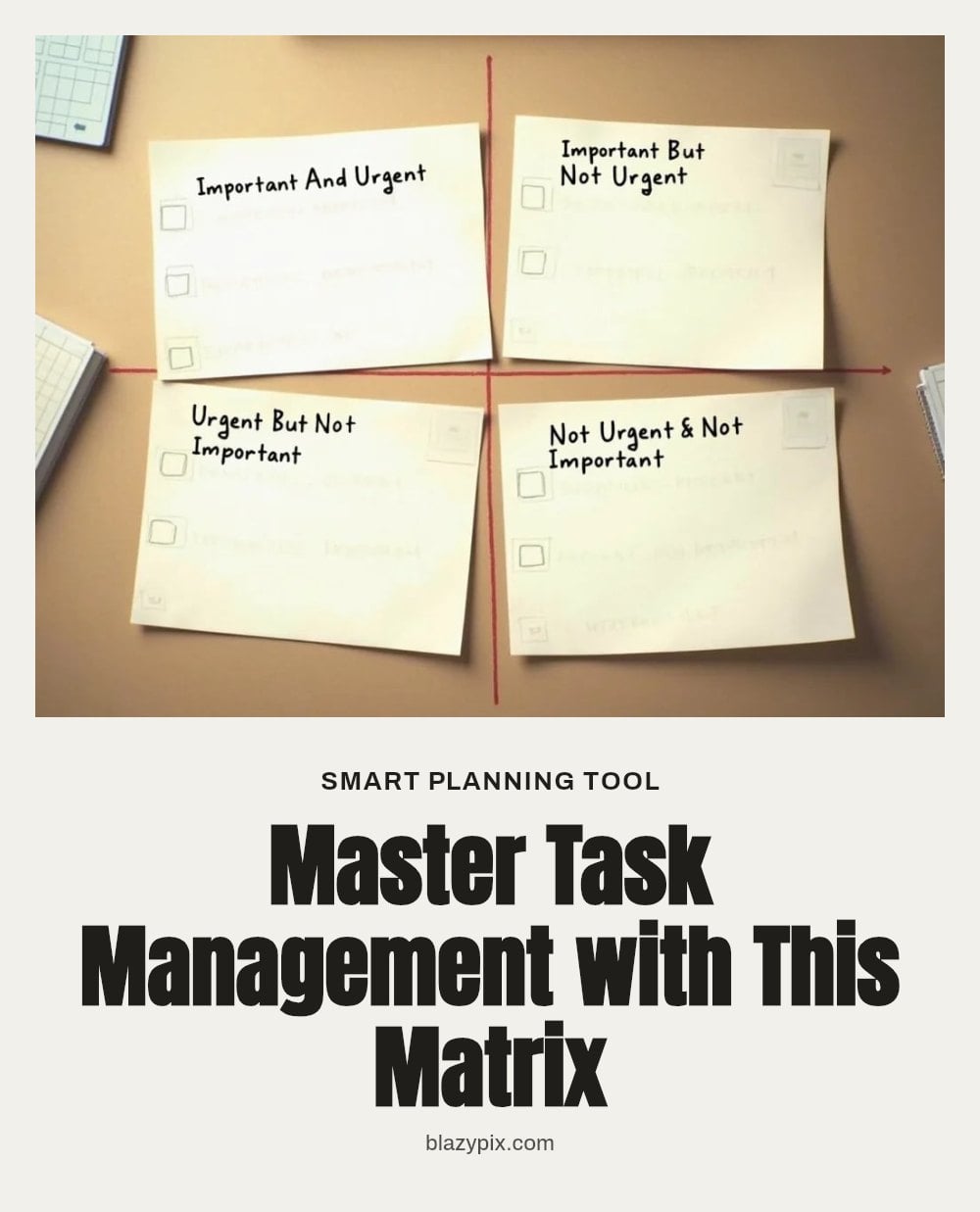
The Eisenhower Matrix sorts your tasks into four boxes based on urgency and importance: urgent and important, important but not urgent, urgent but not important, and neither. Your sweet spot is the important but not urgent quadrant. This is where deep work and long-term progress happen.
- Urgent and important: Do these now, but try to keep them rare.
- Important but not urgent: Schedule time for these. They drive your biggest goals.
- Urgent but not important: Delegate or do them quickly.
- Neither: Drop them entirely.
My tip: Using this matrix stops you from getting stuck in busy work that feels productive but doesn’t move the needle.
2. Plan Your Day in Advance

Spend 10 to 15 minutes each evening or morning mapping out your next day. Write a realistic to-do list and pick the 3 to 5 most important tasks to tackle first. This simple habit cuts down on decision fatigue because your plan is already set. When you wake up, you know exactly where to put your energy, and that clarity keeps you moving forward without wasting time figuring out what to do next.
3. Embrace the Pomodoro Technique
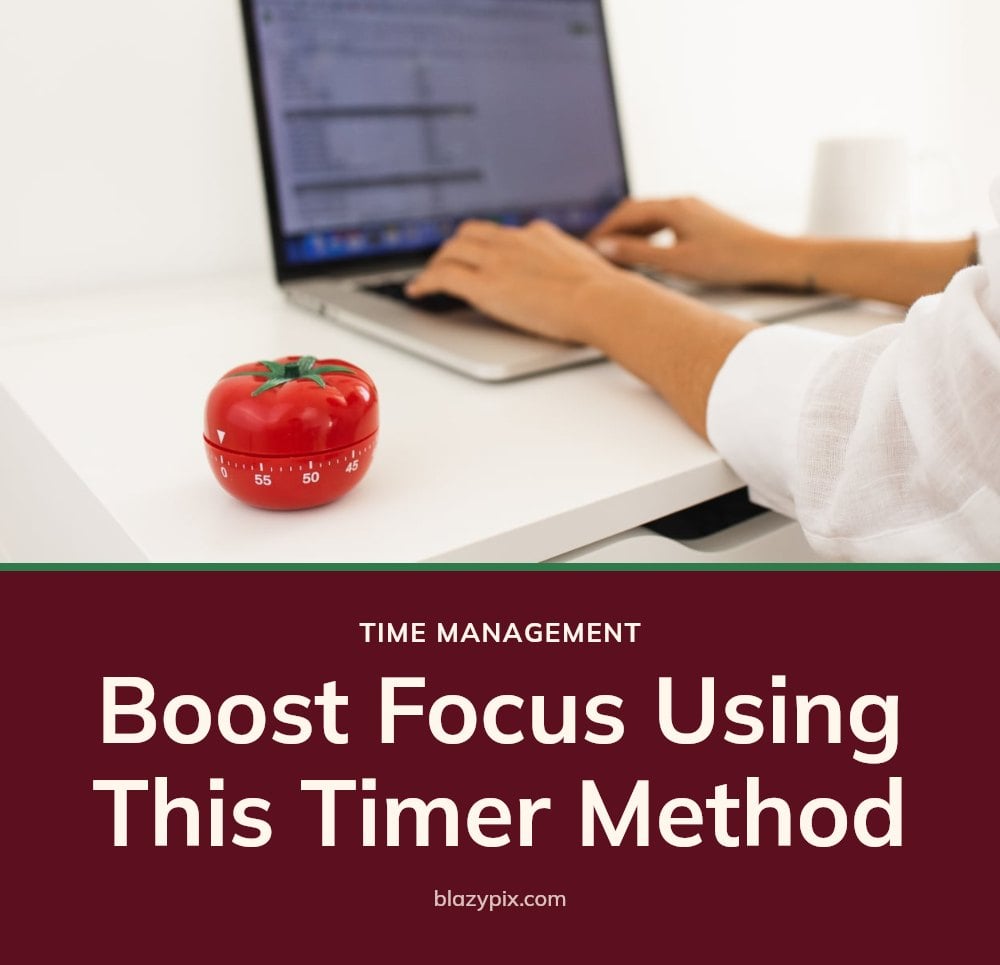
Set a timer for 25 minutes of focused work, then take a 5-minute break. That’s one Pomodoro. After four of these cycles, step away for a longer 15 to 30 minute break. The short bursts keep your attention sharp, and the breaks prevent mental fatigue from building up. I’ve tried a lot of productivity methods, and this one really works for me. It turns intimidating tasks into manageable chunks and keeps me from burning out halfway through the afternoon.
4. Batch Similar Tasks
Group similar tasks together, like answering emails, making calls, or scheduling appointments. Each time you switch from one type of task to another, your brain uses extra energy to refocus. Batching reduces that “context-switching” cost so you stay in the same mental gear longer.
My tip: Designate specific times of day for these batched activities. For example, check and respond to emails only at 10 a.m. and 3 p.m., and batch all your calls in the late morning.
5. Eliminate Distractions

Create a dedicated workspace free from common distractions like phone notifications and clutter. A tidy, quiet area signals your brain it’s time to focus. Put your phone on silent or in another room during focused work blocks.
- Close unnecessary browser tabs and turn off desktop alerts.
- Use noise-canceling headphones or play white noise if you can’t control the environment.
A quiet environment can significantly boost concentration and output by reducing the mental effort of ignoring interruptions.
6. Identify Your Peak Productivity Times
Pay attention to when you feel most energized and focused throughout the day. For many people, that’s a couple of hours after waking up, but it varies. Schedule your most demanding or creative tasks during these peak periods.
This leverages your natural energy cycles for maximum efficiency. If you hit a slump mid-afternoon, save low-energy tasks like organizing files or replying to routine emails for that time.
7. Implement the Two-Minute Rule
If a task takes less than two minutes to complete, do it immediately. This prevents small tasks from piling up and becoming overwhelming. Think of quick emails, putting away dishes, or making a brief call to confirm an appointment.
Tip: Keep a running list of two-minute tasks so you can knock them out during natural pauses in your day. Just make sure the task truly takes under two minutes, if it’s longer, schedule it instead.
8. Say No to Non-Essentials
Politely decline any request that doesn’t align with your current priorities or long-term goals. It’s not about being rude; it’s about protecting your time and focus for what truly matters. Good to know: Use a simple, direct phrase like “I can’t take that on right now” without over-explaining. Prioritizing your own work and well-being isn’t selfish, it’s essential for sustainable output.
9. Take Regular Breaks
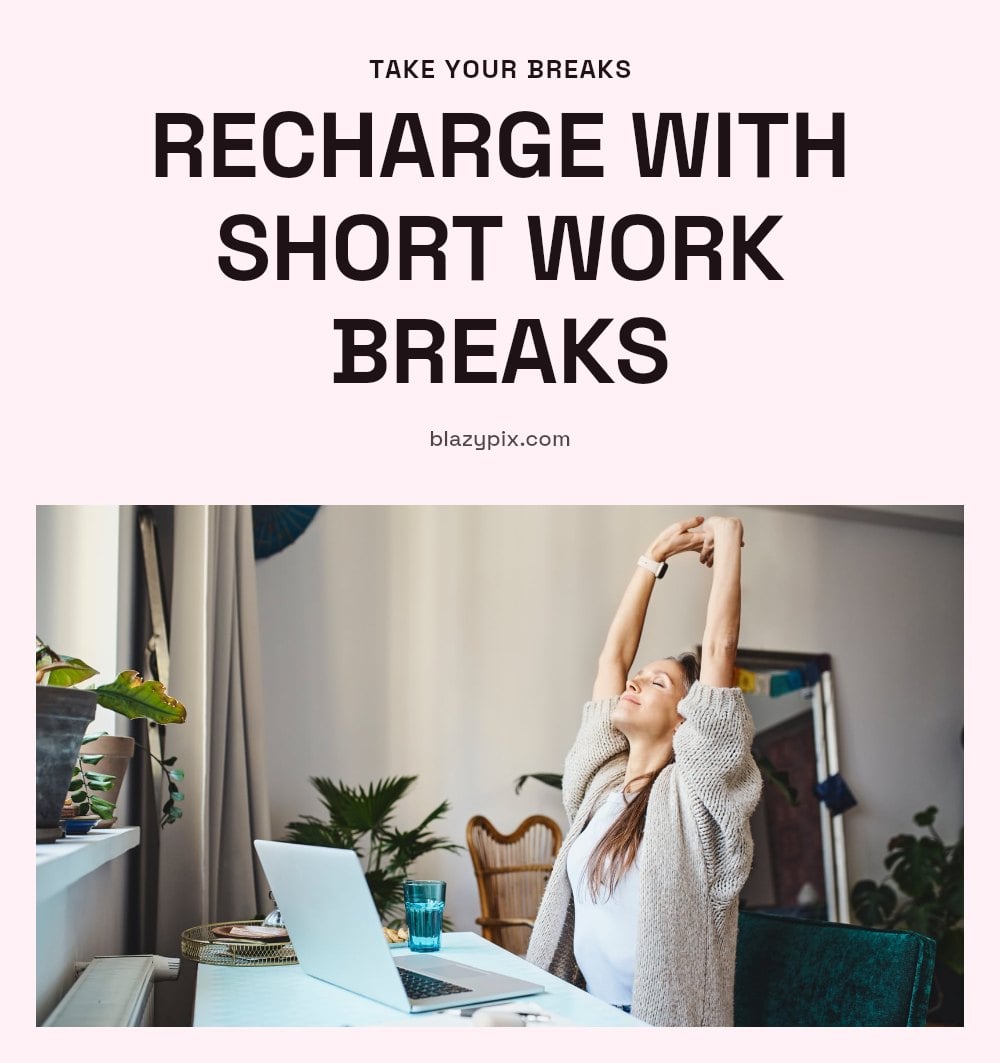
Beyond the Pomodoro breaks, you need to step away from your screen regularly throughout the day. Even a short walk, a quick stretch, or just looking out the window for a few minutes can refresh your mind. These breaks improve focus and prevent mental fatigue, helping you sustain your output over the long haul. Tip: Set a recurring reminder every 90 minutes to get up and move for at least 5 minutes.
10. Prioritize Sleep and Hydration
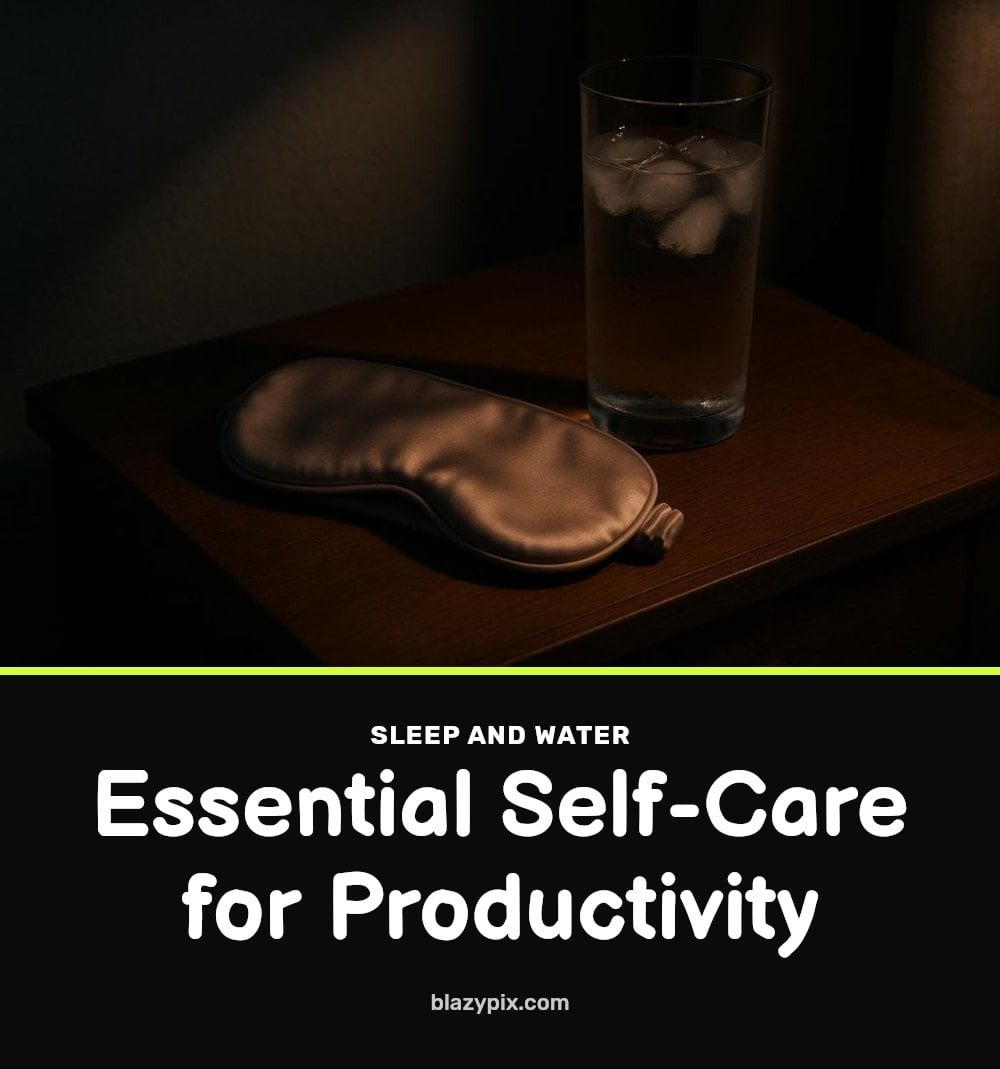
Sleep and hydration are the foundation of every productivity strategy. Aim for 7 to 9 hours of quality sleep each night; your brain uses that time to consolidate memories and restore focus. Even one night of poor sleep can cut your cognitive performance by 20 to 30 percent.
Drink water consistently throughout the day. Dehydration by as little as 2 percent of your body weight can impair concentration and mood, making it harder to stick to your plans. Keep a water bottle at your desk and refill it at least twice.
- Pro move: Set a recurring alarm on your phone for 30 minutes before your ideal bedtime to start winding down.
- Caution: Avoid caffeine after 2 p.m. if you have trouble falling asleep at night.
- Good to know: Even mild dehydration feels like brain fog, so drink before you feel thirsty.
11. Review and Adjust Regularly
Close each day with a two-minute check: what got done, what didn’t, and why. At the end of the week, do the same review in ten minutes. Write it down, because memory flatters you. A short list of wins and misses tells you more than a vague feeling of being behind.
Then look for patterns:
- What worked: which time blocks or methods produced real output
- What stalled: the task type that kept sliding to tomorrow
- What to change: one adjustment for next week, not five
Adjust one thing at a time so you can tell whether it helped. Your best schedule in a busy season may fail in a quiet one, so keep testing.
Common Productivity Pitfalls to Avoid
Believing busy equals productive: Activity alone doesn’t mean progress. Ask yourself whether each task actually moves your goals forward. If it doesn’t, it’s just busy work.
Overestimating daily capacity: Be realistic about what you can achieve in a day. Packing your schedule too tightly leads to burnout and disappointment. Aim for 3 to 5 meaningful tasks.
Neglecting self-care: Skipping sleep, breaks, or hydration will eventually tank your output. Your brain needs rest and fuel to function well. These are non-negotiable.
Multitasking complex tasks: Switching between complex tasks reduces efficiency and increases errors. Dedicate full focus to one demanding task at a time. Simple tasks like folding laundry can be paired with a podcast.
Allowing constant interruptions: Every notification or chat pulls your attention away. Turn off alerts and set clear boundaries during focused work blocks. Even a 30-second interruption can break your flow for minutes.
Frequently Asked Questions
What is the best way to start a productive day?
Begin by planning your day in advance rather than diving straight into tasks. Spend 10 to 15 minutes each evening or morning writing a realistic to-do list and picking the 3 to 5 most important tasks to tackle first. This reduces decision fatigue and gives you a clear starting point.
How can I stay focused during long tasks?
Break long tasks into shorter, timed intervals using the Pomodoro Technique: work for 25 minutes, then take a 5-minute break. After four cycles, take a longer 15 to 30 minute break. This keeps your attention sharp and prevents mental fatigue from setting in.
Is multitasking ever a good idea?
Multitasking on complex tasks usually reduces efficiency and increases errors. It is generally not recommended for work that requires deep focus. However, simple, automatic activities like listening to a podcast while folding laundry may be fine.
How do I prevent burnout while being productive?
Prevent burnout by taking regular short breaks throughout the day, prioritizing 7 to 9 hours of sleep each night, and staying hydrated. Also, learn to say no to non-essential requests and avoid the trap of busy work over impactful tasks. If overwhelm persists, consider speaking with a wellness professional.
What if I don’t have a dedicated workspace?
You can still create a focused environment by designating a specific spot for work, even if it’s a corner of a table. Minimize distractions by putting your phone on silent, closing unnecessary browser tabs, and using noise-canceling headphones if possible. A tidy, quiet area signals your brain it’s time to focus.
Final Thoughts
Start with just one or two of these tips that feel most manageable for you. For example, try planning your next day in 10 to 15 minutes this evening or using the Pomodoro Technique for your first work block tomorrow. Expect small, immediate wins, but know that consistent practice over weeks will turn these strategies into lasting habits that protect your energy and help you achieve your goals.