Castor Oil: Benefits, Uses, and How to Apply It Safely
Discover the real benefits and uses of castor oil for hair and skin. Learn how to apply it safely and effectively for best results.

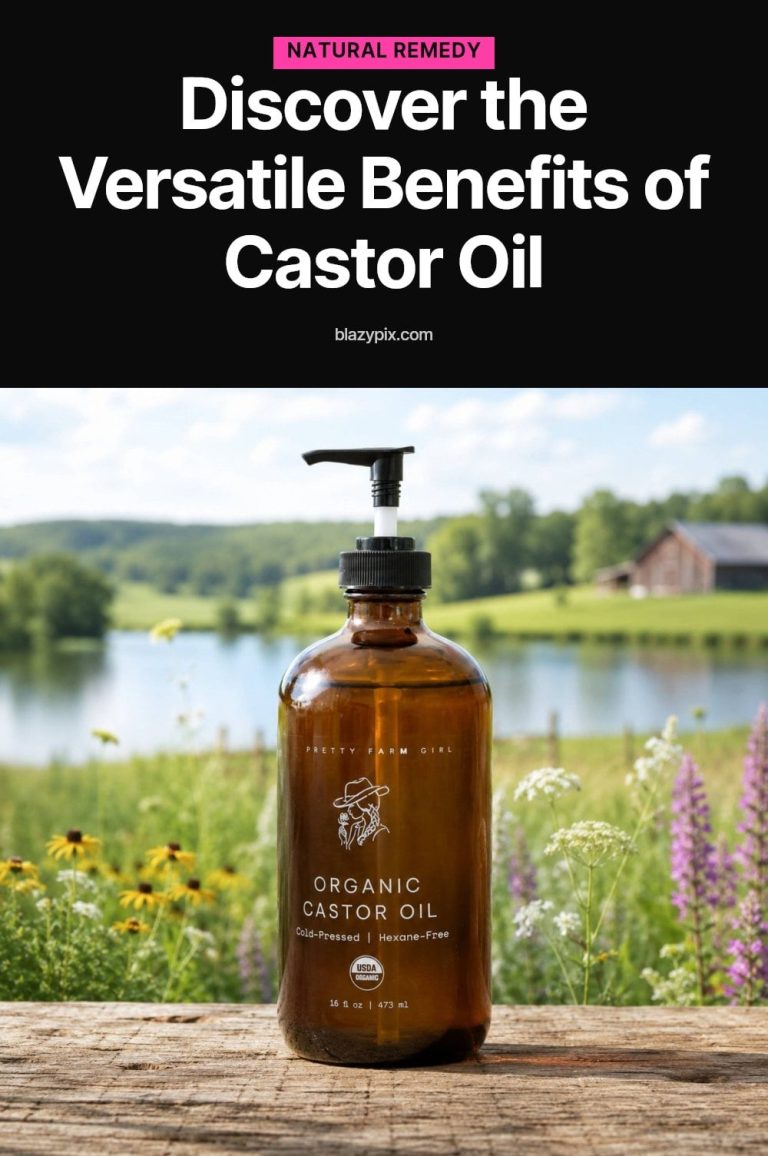
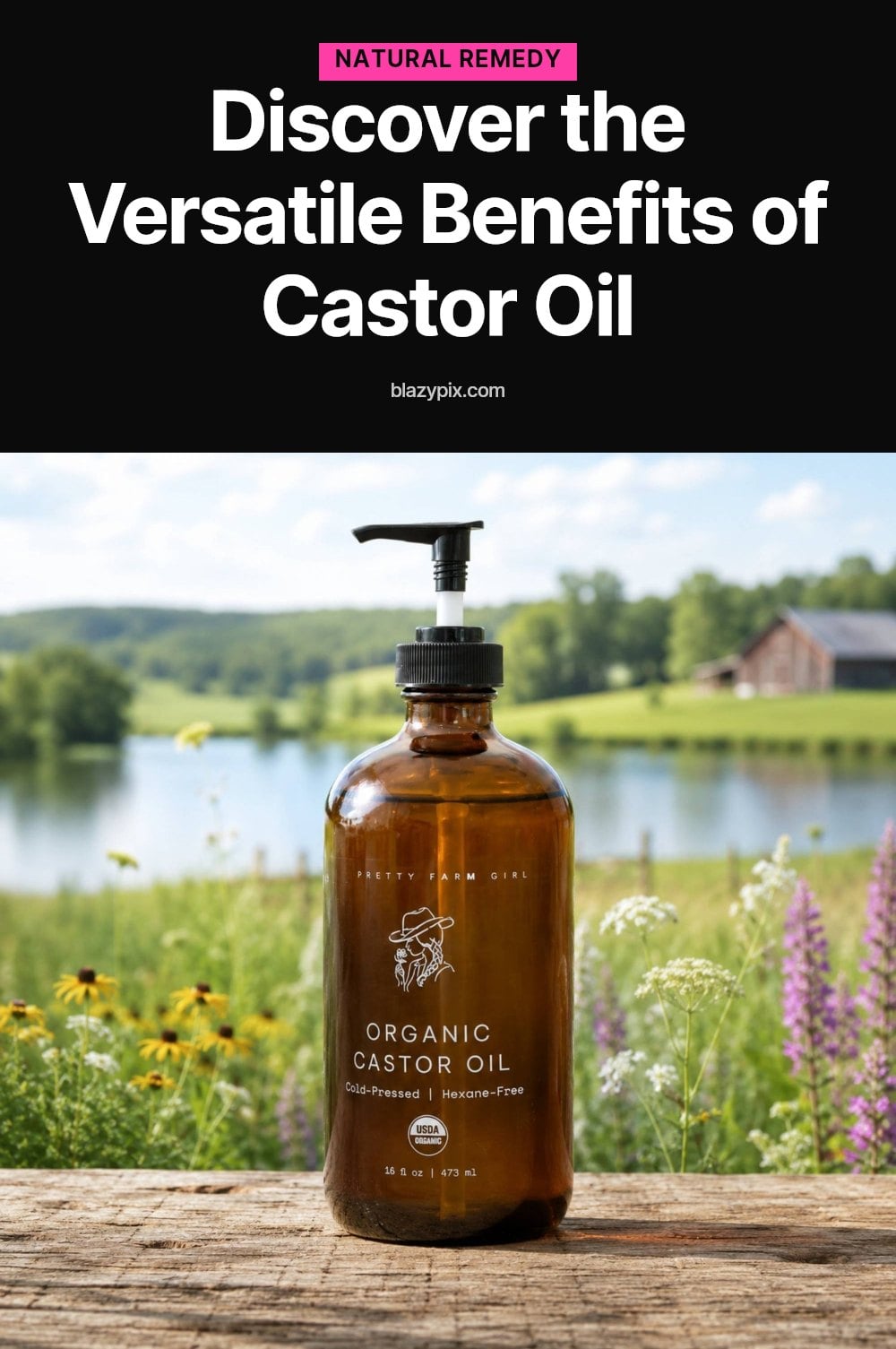
Castor oil has a reputation that runs ahead of the evidence, and it helps to know what it can realistically do before you slick it on your scalp. It is a thick vegetable oil pressed from castor bean seeds, rich in a fatty acid called ricinoleic acid, and it works as a humectant that pulls moisture into skin and hair. That is a real, well-established perk.
This article covers the two main types you will find on the shelf, how to apply castor oil to hair, lashes, brows, and skin, and the mistakes that leave people with greasy strands and irritated skin.
Key Takeaways
- Dilute castor oil with a lighter carrier oil like jojoba or almond before applying it to hair.
- Patch test behind the ear or on the inner arm and wait 24 hours before wider use.
- Expect moisture and shine changes over weeks to months, not instant hair growth.
- Never ingest castor oil for beauty reasons and keep it out of your eyes.
- Stop and see a doctor if redness, itching, or swelling persists after application.
What is Castor Oil and Why Is It So Popular?
Castor oil is a thick, viscous vegetable oil pressed from the seeds of the Ricinus communis plant. Its popularity in beauty comes from two things: a fatty acid called ricinoleic acid, which makes up about 90% of the oil, and its humectant nature, meaning it draws moisture from the air into your skin and hair. You will mostly see it used as a moisturizer for dry skin and hair, though many people also claim it helps with hair growth. Those growth claims are largely anecdotal, not proven.
The Science Behind Castor Oil’s Beauty Benefits
What sets castor oil apart from other plant oils is its main fatty acid, ricinoleic acid. This component gives castor oil its thick, syrupy texture and makes it a strong emollient, meaning it softens and smooths the surface of your skin and hair. But castor oil is also a humectant. It pulls moisture from the air into your skin and hair, which is why it feels so hydrating.
That combination of emollient and humectant properties is why castor oil works so well as a moisturizer. It can help condition dry, rough patches and add shine to dull hair. However, when it comes to hair growth, the evidence is much thinner. There is limited scientific research showing that castor oil directly stimulates hair follicles. Many people report thicker-looking hair after using it, but that is likely because the oil coats the hair shaft, making it appear fuller and reducing breakage. Its real strength is in moisturizing and conditioning, not in promising new growth.
Choosing Your Castor Oil: Regular vs. Jamaican Black Castor Oil
You will mostly find two types of castor oil on the shelf: regular and Jamaican black. They come from the same plant but are processed differently, which affects color, texture, and how they feel on your skin and hair.
| Type | How it’s made | Key difference |
|---|---|---|
| Regular castor oil | Cold-pressed from raw seeds | Light in color, thinner consistency |
| Jamaican black castor oil | Roasted beans, then pressed | Darker, thicker, may have different pH |
| Both types | Same plant source | Similar moisturizing benefits |
Regular castor oil is usually cold-pressed, which keeps it light in color and relatively thin. Jamaican black castor oil is made from roasted beans, giving it a darker color and a slightly different pH. Some people prefer the black variety for hair and scalp treatments because of its traditional use, but both offer similar moisturizing benefits. Your choice may come down to texture preference or how you plan to use it.
Essential Tools and Products for Castor Oil Application
Before you start, gather these basics so application is clean and easy.
- Castor oil: Choose cold-pressed or Jamaican black castor oil as your main ingredient.
- Carrier oil: Jojoba, almond, or coconut oil to dilute the castor oil and make it easier to spread.
- Applicator bottle or dropper: For precise, mess-free application, especially on your scalp.
- Spoolie brush: A clean mascara wand for applying oil to lashes and brows without waste.
- Shower cap: To protect bedding during overnight hair treatments.
- Old towel: Castor oil can stain, so keep one handy to catch drips.
How to Use Castor Oil for Hair and Scalp Health
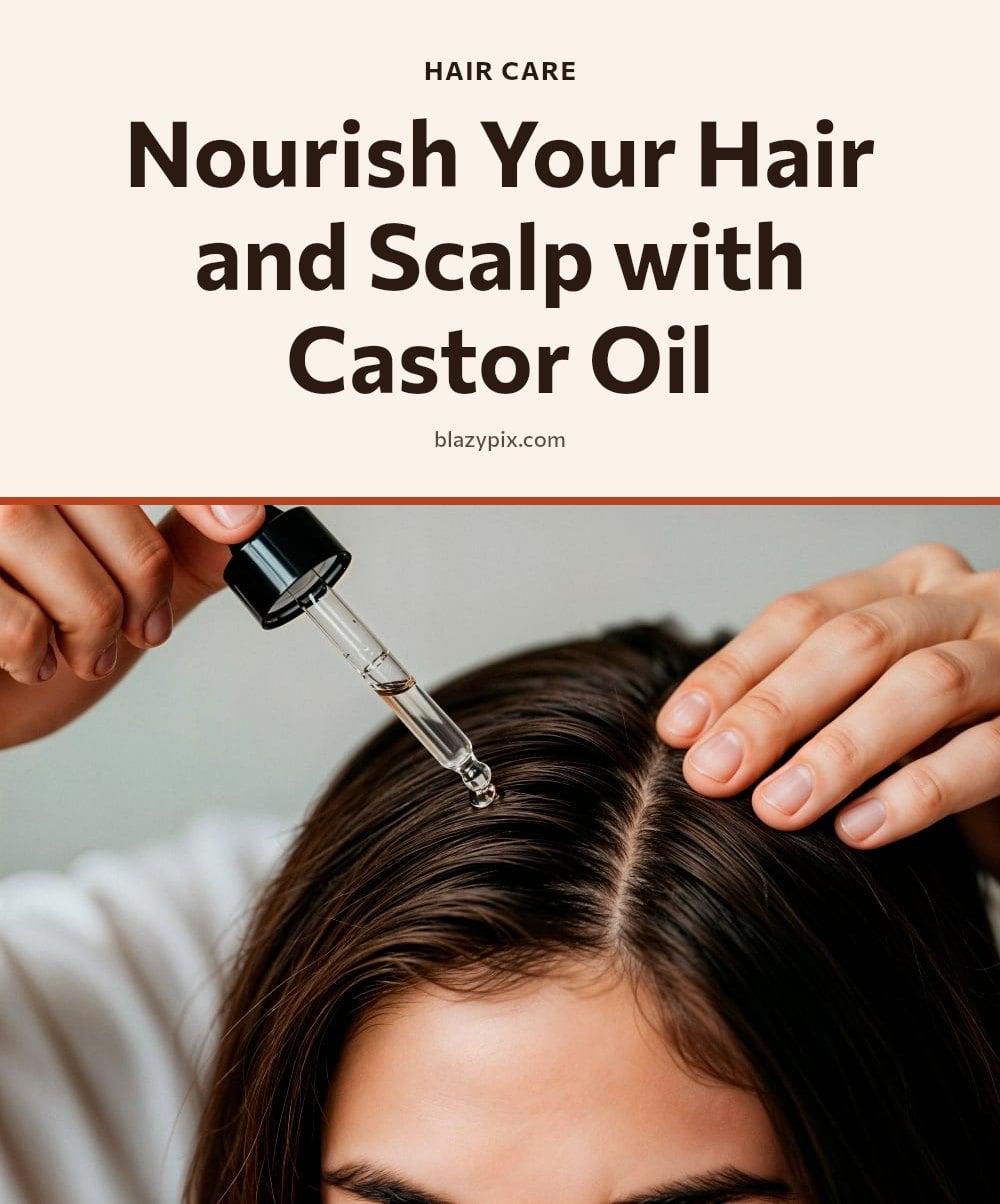
Before you apply castor oil to your scalp or hair, do a patch test on a small area of skin behind your ear or on your inner arm. Wait 24 hours to check for redness or irritation. If all is clear, you can proceed.
- Dilute the oil: Mix one part castor oil with three parts carrier oil like jojoba or almond. This thins the castor oil so it spreads evenly without leaving your hair greasy.
- Section your hair: Part your hair into four to six sections so you can reach your scalp easily. Use clips to hold the sections apart.
- Apply to scalp and hair: Using a dropper or your fingertips, apply the diluted oil directly to your scalp, focusing on areas that feel dry or need moisture. Work the oil through the lengths of your hair, especially the ends.
- Massage gently: Use your fingertips in circular motions for two to three minutes. This helps the oil penetrate and stimulates circulation.
- Let it sit: Leave the oil on for at least 30 minutes. For deeper conditioning, leave it on overnight. Cover your hair with a shower cap to protect your pillowcase from stains.
- Wash thoroughly: Shampoo twice if needed to remove all residue. Follow with conditioner as usual.
Caution: Castor oil can stain fabrics and pillowcases. Always use an old towel and a shower cap during treatment.
Applying Castor Oil for Eyelashes and Eyebrows
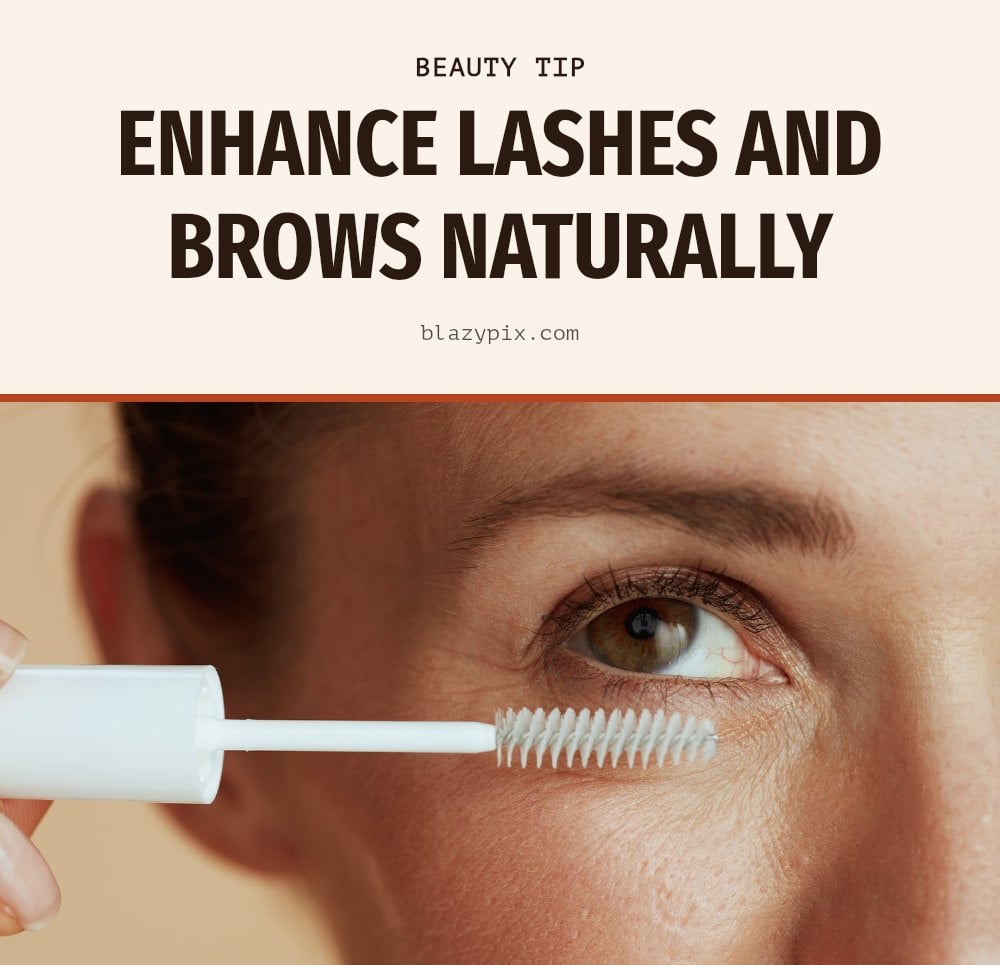
Applying castor oil to your lashes and brows is simple, but precision and hygiene matter. Follow these steps to avoid irritation.
- Clean the area: Remove all makeup and wash your face. The eye area must be completely clean before you apply oil.
- Use a clean spoolie: Dip a clean spoolie brush or a disposable mascara wand into the castor oil. Tap off any excess so the brush is barely damp.
- Apply a tiny amount: Brush the oil onto your lashes as you would mascara, starting at the roots and moving to the tips. For brows, brush in the direction of hair growth. Use only a thin layer.
- Avoid direct eye contact: Keep the oil away from your waterline and inner corners. If oil gets into your eyes, rinse with cool water immediately.
- Remove excess: Gently blot any oil that pools on your skin with a cotton pad. Do not rub.
Tip: Apply at night before bed so the oil has hours to absorb. Wash your face as usual in the morning.
Using Castor Oil for Skin Moisturization
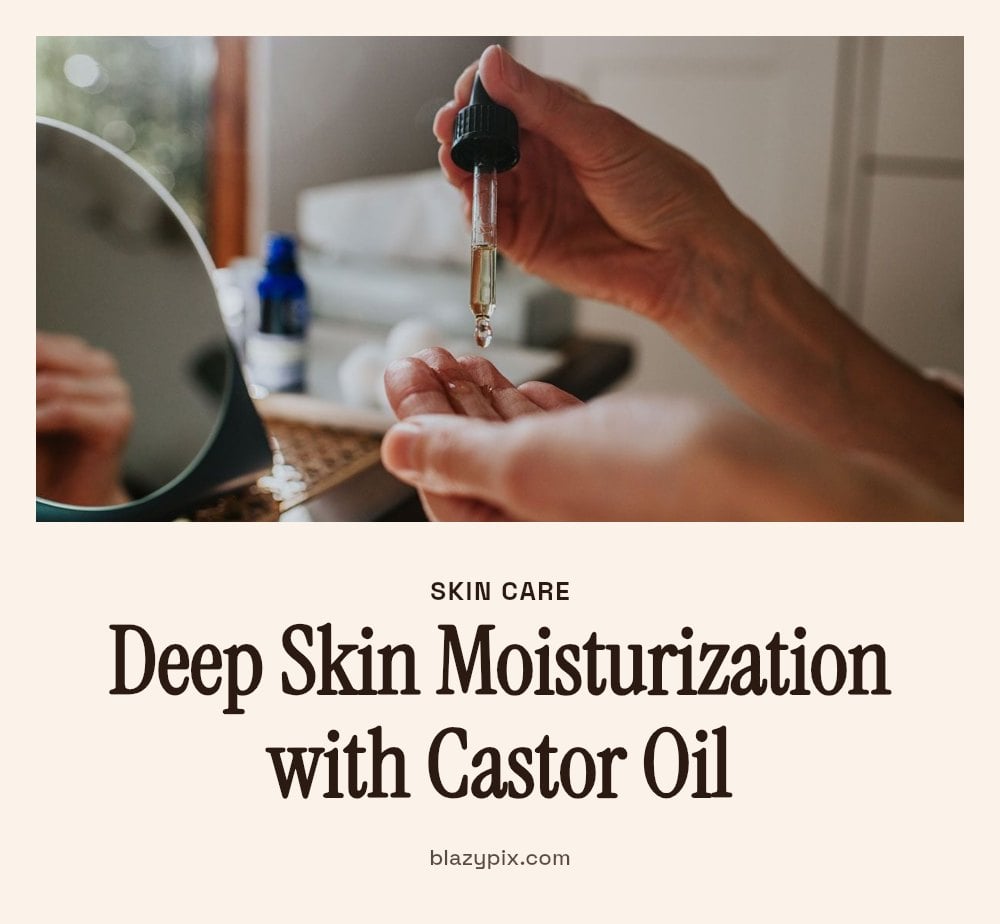
Castor oil works well as a skin moisturizer because of its emollient and humectant properties. Here are three ways to use it.
Spot treatment for dry patches
Apply a drop of castor oil directly to dry areas like elbows, knees, or cuticles. Massage it in until absorbed. Use once or twice daily.
Mixed into lotion or body oil
Add a few drops of castor oil to your regular lotion or body butter. Stir well before applying. This spreads the oil and reduces its thickness, making it easier to use over large areas.
Facial moisturizer (diluted)
Caution: Castor oil is thick and can clog pores for some skin types. Always dilute it with a lighter oil like jojoba or rosehip (one part castor to three parts carrier). Perform a patch test on your jawline before applying to your whole face. If you have oily or acne-prone skin, start with a very small amount and monitor your skin’s reaction.
Common Castor Oil Mistakes and How to Avoid Them
- Using too much oil: Heavy application leaves hair greasy and hard to wash. Stick to a thin layer and always dilute with a carrier oil.
- Expecting instant growth: Castor oil moisturizes hair and scalp but does not directly stimulate follicles. Visible changes take weeks to months of consistent use.
- Skipping the patch test: Allergic reactions can happen even with natural oils. Always test on a small skin area first.
- Ingesting for beauty: Castor oil is a powerful laxative. Never swallow it for hair or skin benefits. Internal use can cause severe digestive upset.
When to Consult a Professional About Castor Oil Use
Stop using castor oil and consult a doctor if you notice persistent redness, itching, swelling, or irritation after application. If you have a diagnosed skin condition like eczema or psoriasis, or known allergies to seeds or plants, check with a dermatologist before starting any new oil routine. Pregnant or breastfeeding individuals should also speak with a healthcare provider before using castor oil, especially on large areas of skin. When in doubt, a professional can help you decide if castor oil is safe for your specific situation.
Frequently Asked Questions
Can I use castor oil every day?
You can, but most people do not need to. Daily use on skin is generally fine for small dry patches, while hair and scalp treatments are easier to manage a few times a week, especially if you dilute the oil. Watch for buildup and cut back if your hair feels heavy or your skin feels congested.
Is Jamaican black castor oil better than regular castor oil?
Not better, just different. Black castor oil comes from roasted beans, which gives it a darker color and a slightly different nutrient profile, while regular cold-pressed oil is lighter in color. Which one you prefer comes down to texture, scent, and how your hair and skin respond.
How long does it take to see results from castor oil?
Changes in moisture and shine may become noticeable after consistent use over several weeks to a few months. Nothing happens overnight, and results vary from person to person. If you are waiting on thicker hair, keep expectations realistic, since the oil conditions rather than stimulates follicles.
Can castor oil help with thinning hair?
It may improve how thinning hair looks and feels by adding moisture and reducing breakage, but there is limited scientific evidence that it directly promotes growth. If you are concerned about ongoing thinning, see a dermatologist rather than relying on oil alone.
What are the side effects of using castor oil on skin?
Some people experience redness, itching, swelling, or irritation, which is why a patch test matters. Castor oil can also feel heavy and clog pores on oily or acne-prone skin. Discontinue use if irritation appears, and check with a doctor if it persists.
Can I mix castor oil with other oils?
Yes, and it is often the better way to use it. Diluting with jojoba, almond, or coconut oil makes the thick oil easier to spread through hair and over skin. It also works as a carrier oil for essential oils, so you can add a drop or two for scent.
Final Thoughts
My tip: treat castor oil as a moisturizer, not a growth serum. Dilute it, apply a thin layer, and give it several weeks to a few months of consistent use before you judge the results. If your scalp or skin feels coated and heavy, you used too much, so scale back rather than adding more product.
Expect softer, more conditioned hair and calmer dry patches, and expect the process to be slow. Keep a patch test in your routine whenever you switch to a new bottle, especially with black castor oil. A little patience and a light hand go a long way here.
This article is general information, not medical or dermatological advice. Castor oil affects people differently, and patch testing is your first line of defense. If you have a persistent skin or scalp problem, a diagnosed condition, or a known allergy, consult a doctor or dermatologist before using it.