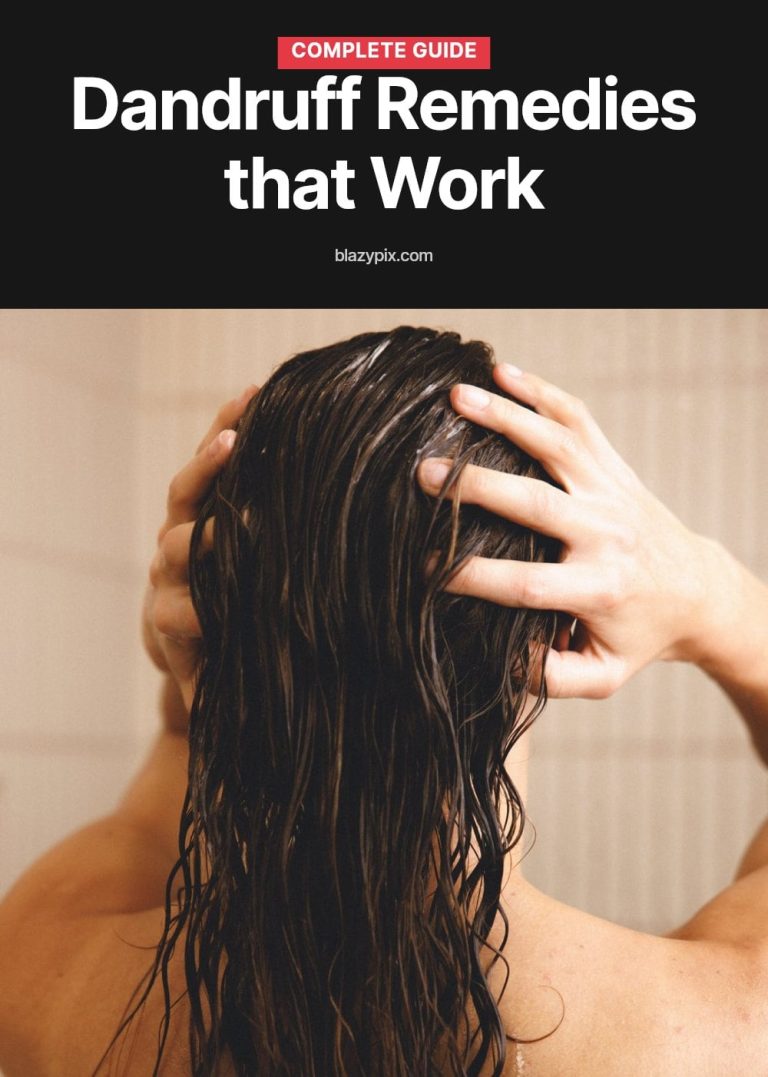
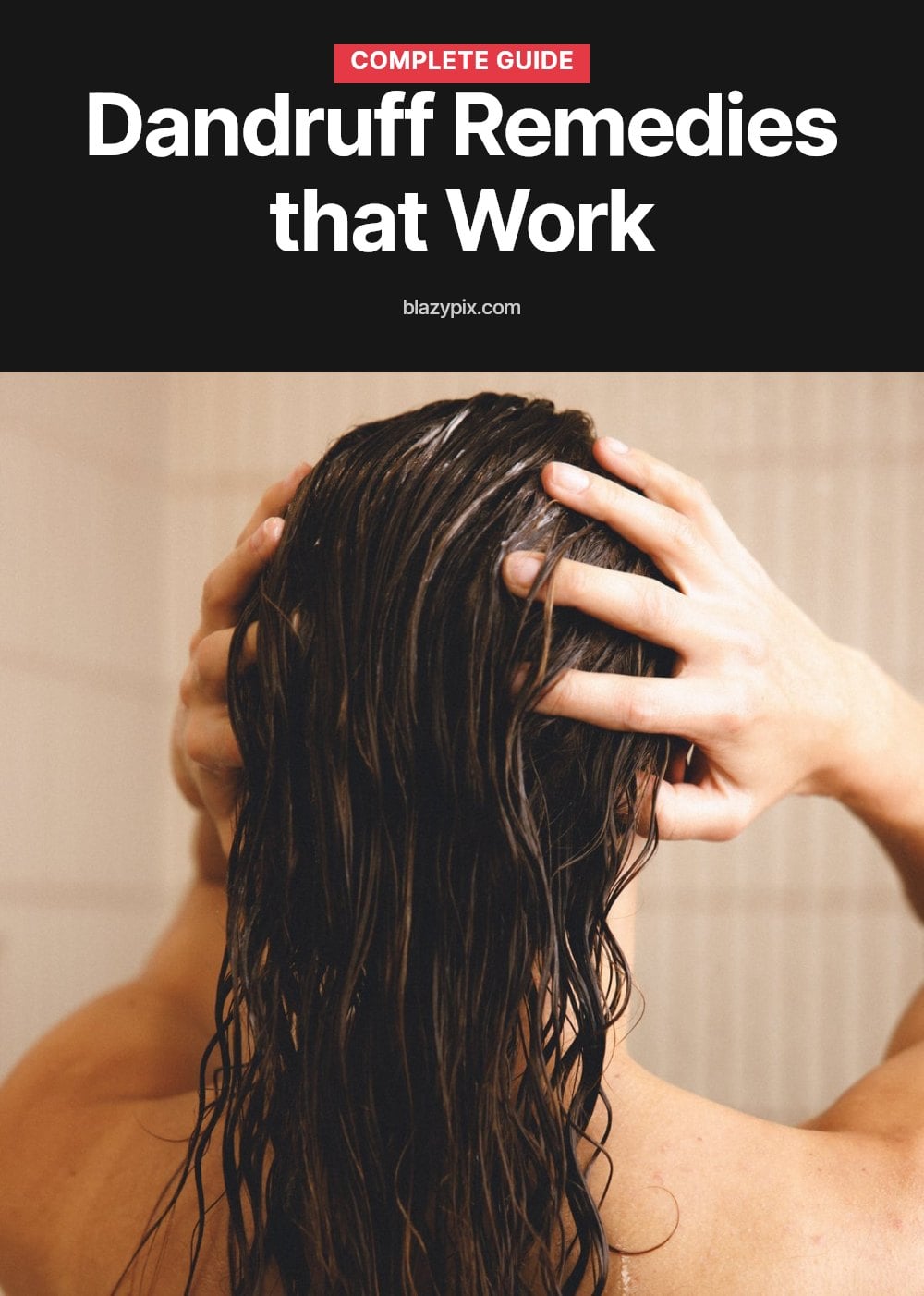
Dandruff Remedies that Work: Your Guide to a Healthy Scalp
Tired of flakes? Discover effective dandruff remedies that work, from medicated shampoos to simple scalp care, for a healthier, itch-free scalp.

If you’re dealing with a flaky, itchy scalp, you know how frustrating it can be to find something that actually works. Dandruff is a common condition caused by an overgrowth of a yeast-like fungus on your scalp, and the right approach can make a real difference. This article covers the most effective remedies, from medicated shampoos to scalp care habits, so you can find relief and keep flakes under control.
Key Takeaways
- Use an antidandruff shampoo with zinc pyrithione, selenium sulfide, or ketoconazole as directed.
- Leave medicated shampoo on your scalp for 3-5 minutes before rinsing for best results.
- Wash your hair frequently, even daily, especially if you have an oily scalp.
- Alternate between two different types of medicated shampoos to prevent the fungus from adapting.
- See a dermatologist if symptoms persist after several weeks of consistent over-the-counter use.
What Really Works for Dandruff?
The most effective way to treat dandruff is using specialized shampoos with active ingredients like zinc pyrithione, selenium sulfide, or ketoconazole. These ingredients target the root cause: an overgrowth of a yeast-like fungus called Malassezia globosa on your scalp. Consistent use and proper application are key. Leave the shampoo on your scalp for 3-5 minutes before rinsing to give the active ingredients time to work. Keep using it regularly even after flakes clear up to prevent recurrence.
1. Zinc Pyrithione Shampoos
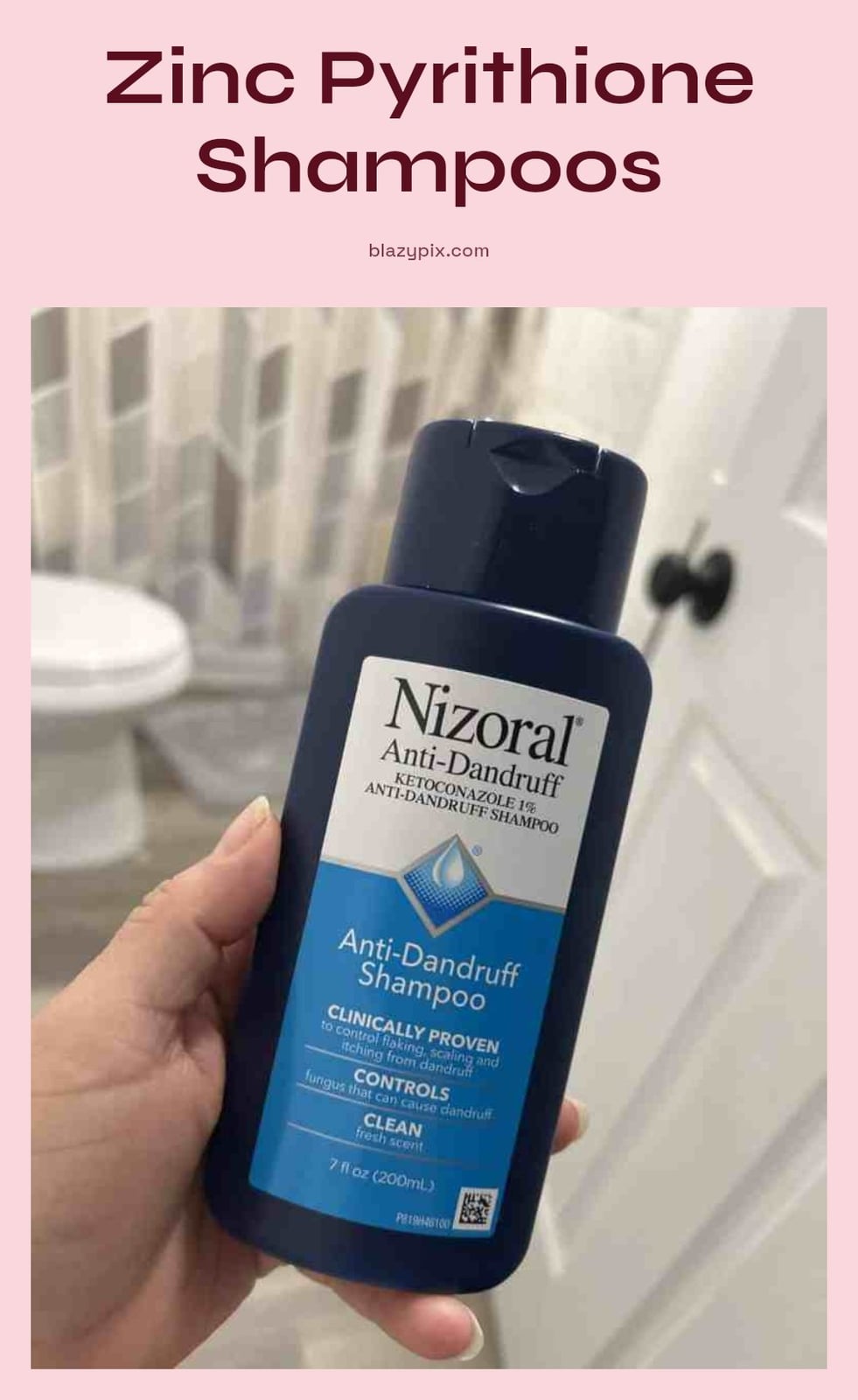
Zinc pyrithione is a common and effective active ingredient in many over-the-counter anti-dandruff shampoos. It works by reducing the amount of Malassezia fungus on your scalp, which is a primary cause of dandruff.
- My tip: Use it regularly, as directed on the bottle, often several times a week initially, then as needed for maintenance.
- Don’t skip days just because your scalp feels better, consistency prevents the fungus from bouncing back.
2. Selenium Sulfide Shampoos
Selenium sulfide is a powerful antifungal agent that helps control the growth of Malassezia globosa. It also works to slow down the turnover of skin cells on your scalp, reducing flaking from two angles at once.
- Caution: This ingredient can discolor light-colored hair if not rinsed thoroughly, so be extra careful when washing.
- Massage it into your scalp and let it sit for the recommended time, then rinse until the water runs clear.
3. Ketoconazole Shampoos
Ketoconazole is a broad-spectrum antifungal agent that is very effective against Malassezia. It targets the fungus directly and is often the go-to option when other ingredients fall short.
- You can find lower strength versions over-the-counter, while higher concentrations are available by prescription.
- If other shampoos aren’t working for you, this might be the next step to try before seeing a dermatologist.
4. Salicylic Acid Shampoos
Salicylic acid works as an exfoliant for your scalp. It loosens and removes existing flakes, making it a good option if you have a lot of visible buildup. Since it is not an antifungal, it is often combined with other active ingredients or used to manage flaking while a different shampoo tackles the Malassezia fungus.
My tip: If you have a lot of visible flakes, this can help clear them away quickly. Use it on days you are not using an antifungal shampoo, or look for a product that combines salicylic acid with an antifungal ingredient for a dual-action approach.
5. Coal Tar Shampoos
Coal tar slows down the growth of skin cells on the scalp, which reduces flaking and itching. It can be effective for more severe forms of dandruff or seborrheic dermatitis. You might suspect seborrheic dermatitis if you see red, inflamed patches on your scalp along with thick, yellowish flakes, or if dandruff spreads to your face or chest. If your symptoms match this description or if over-the-counter shampoos don’t improve your condition after several weeks, consult a dermatologist for a proper evaluation.
Caution: Coal tar has a strong smell and may discolor light-colored hair. Rinse very thoroughly after use, and consider using it only on days you can allow time for the odor to dissipate.
6. Regular and Thorough Shampooing
Washing your hair frequently, especially if you have an oily scalp, helps manage dandruff by removing excess oil and skin cells. Infrequent shampooing allows the Malassezia fungus to thrive on accumulated oils, which can worsen the condition.
Tip: Even if your scalp feels dry, do not skip washing. Use a gentle, hydrating shampoo on days you are not using medicated treatment. This keeps oil levels in check without over-drying.
7. Alternate Medicated Shampoos
Your scalp can sometimes get used to one type of medicated shampoo, making it less effective over time. Alternating between two different types of anti-dandruff shampoos (for example, one with zinc pyrithione and one with selenium sulfide) can keep the fungus from adapting.
This strategy helps maintain effectiveness and may prevent recurrence. Switch shampoos every few washes or with each new bottle.
8. Tea Tree Oil Treatments
Tea tree oil has natural antifungal and antiseptic properties that may help reduce dandruff symptoms. Look for shampoos listing tea tree oil as an active ingredient, or add a few drops of diluted oil to your regular shampoo.
Caution: Always dilute tea tree oil with a carrier oil (like coconut or jojoba) before applying it to your scalp. Pure tea tree oil can cause irritation or an allergic reaction.
While many people find tea tree oil helpful, scientific evidence for its effectiveness in treating dandruff is limited. It may work best as a complementary treatment alongside medicated shampoos.
9. Manage Your Stress Levels
Stress doesn’t cause dandruff directly, but it can make existing flare-ups worse. High stress levels can weaken your immune system, making your scalp more vulnerable to the Malassezia fungus.
Good to know: Build stress-reducing habits into your week. A short daily walk, a few minutes of meditation, or a gentle yoga session can help calm your system and may reduce dandruff outbreaks.
10. Gentle Scalp Care Practices
Treat your scalp gently to avoid making dandruff worse. Scratching loosens flakes temporarily but damages the skin barrier and increases irritation. Use lukewarm water when washing, as hot water strips natural oils and dries out the scalp.
Rinse your hair thoroughly after shampooing. Leftover product residue can irritate a sensitive scalp and contribute to flaking.
11. Consider Your Hair Products

Some hair products can aggravate dandruff by irritating your scalp or causing buildup. Avoid ingredients like excessive alcohol, strong synthetic fragrances, and heavy oils that sit on the scalp.
Pro move: Choose gentle, hypoallergenic, or non-comedogenic hair products, especially if your scalp is sensitive. Check labels for terms like “for sensitive skin” or “fragrance-free.”
When to See a Professional
If you’ve been using an over-the-counter anti-dandruff shampoo consistently for several weeks and your symptoms haven’t improved, it’s time to see a dermatologist. Also seek professional help if your scalp becomes very red, swollen, develops sores, or feels intensely itchy and painful.
A dermatologist can identify whether your flaking is actually dandruff or something else, like psoriasis or eczema, which require different treatment. They can also prescribe stronger medicated shampoos or topical treatments that aren’t available over the counter. Don’t wait until the irritation becomes severe, earlier intervention can prevent more discomfort and scalp damage.
Frequently Asked Questions
What is the main cause of dandruff?
The primary cause of dandruff is an overgrowth of a yeast-like fungus called Malassezia globosa, which is naturally present on the scalp. This fungus breaks down scalp oils into oleic acid, which can irritate sensitive scalps and lead to increased skin cell turnover and flaking.
Can stress make dandruff worse?
Yes, stress does not cause dandruff directly, but it can make existing flare-ups worse. High stress levels can weaken your immune system, making your scalp more vulnerable to the Malassezia fungus. Managing stress through habits like daily walks or meditation may help reduce dandruff symptoms.
How often should I wash my hair if I have dandruff?
If you have dandruff, especially if your scalp is oily, washing your hair frequently, even daily, can help by removing excess oil and skin cells. Infrequent shampooing allows the fungus to thrive on accumulated oils, which can worsen the condition. Even if your scalp feels dry, don’t skip shampooing.
Is dandruff contagious?
Dandruff itself is not contagious, but it is a good idea not to share combs, brushes, or hats, as these can spread fungal spores. The Malassezia fungus is present on most people’s scalps anyway, so you cannot catch dandruff from someone else.
Can natural remedies cure dandruff permanently?
Natural remedies like tea tree oil or apple cider vinegar may help manage symptoms, but they are unlikely to cure dandruff permanently. Dandruff is a chronic condition that often requires ongoing maintenance with medicated shampoos. Natural treatments can be used as a complement, but scientific evidence for their effectiveness is limited.
Final Thoughts
For most people, a consistent routine with a medicated shampoo is the key to managing dandruff. Start with a zinc pyrithione or ketoconazole shampoo, use it as directed, and give it a few days to two weeks to see improvement. Remember that dandruff often requires ongoing maintenance, so don’t stop treatment as soon as your scalp looks clear. Stick with good scalp hygiene and gentle care to keep flakes away long-term.
This article is for general informational purposes only and does not constitute medical advice. Dandruff can have various causes, and what works for one person may not work for another. If your symptoms persist, worsen, or you have concerns about your scalp health, consult a dermatologist or healthcare professional for a proper diagnosis and treatment plan.