20-Minute No Equipment Workout You Can Do Anywhere
Discover how to get an effective 20-minute no-equipment workout using just your body weight. Build strength and boost cardio without a gym.

You don’t need a gym or any equipment to get a great workout. Whether you’re traveling, on a tight budget, or just prefer exercising at home, a no-equipment routine using your own body weight can build strength, improve your cardiovascular fitness, and boost flexibility. In this article, I’ll walk you through a complete 20-minute workout you can do anywhere, with tips on form, progression, and safety so you can get the most out of every session.
Key Takeaways
- Perform 3 to 5 sessions per week for best results.
- Always warm up for 5-10 minutes before and cool down after.
- Focus on proper form over speed or high reps to prevent injury.
- Increase difficulty by adding reps, sets, or harder variations over time.
- Take rest days and listen to your body to allow muscle recovery.
1. Dynamic Warm-Up: Arm Circles
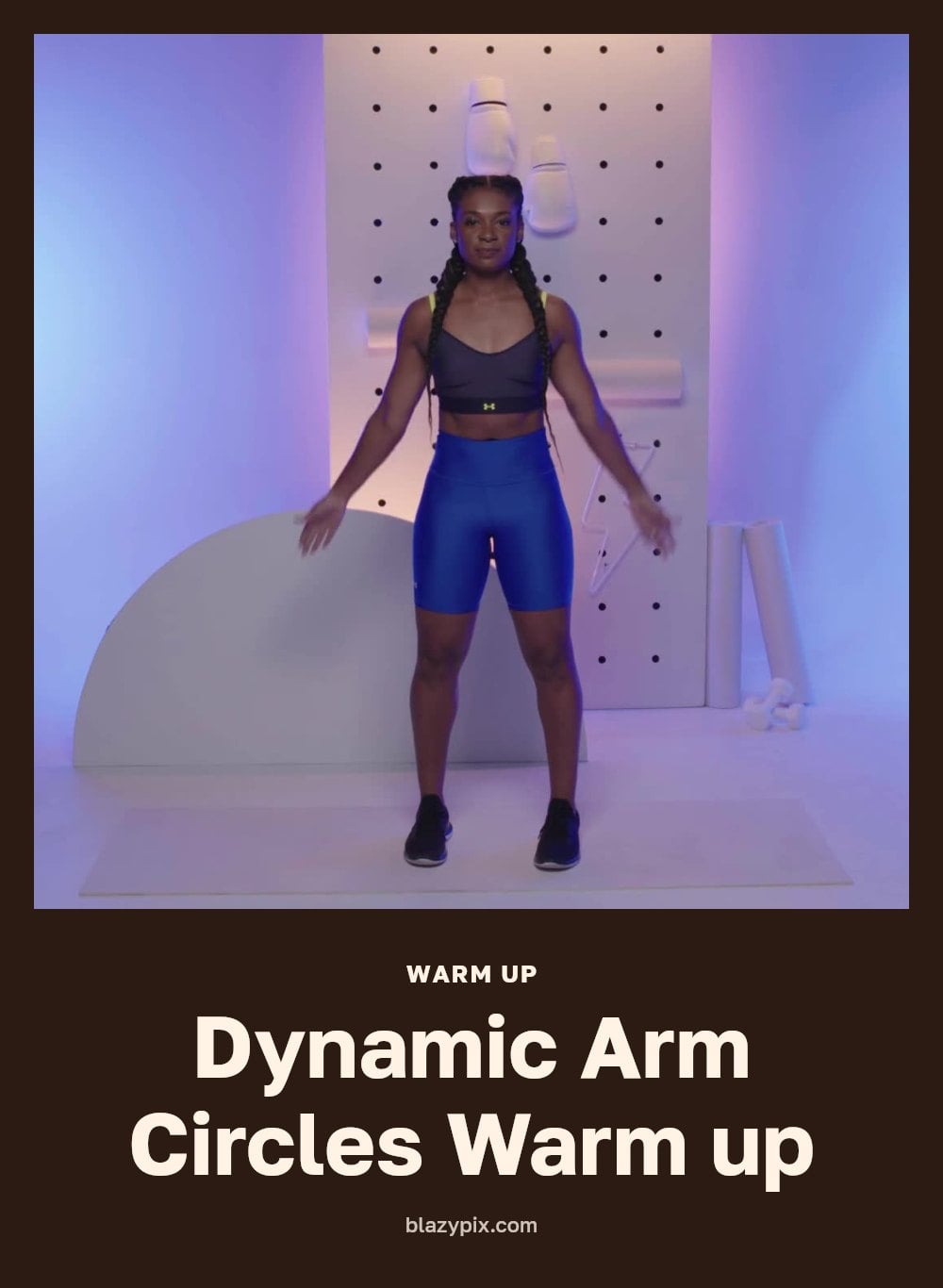
Stand tall with feet shoulder-width apart and extend your arms straight out to the sides. Make small forward circles for 30 seconds, then reverse direction for another 30 seconds. Keep your core engaged and your shoulders relaxed, moving only your arms.
- Time: 30 seconds forward, 30 seconds backward
- Form cue: Keep arms at shoulder height, don’t let them drop
- Make it easier or harder: Reduce circle size for easier; increase to large circles for harder
2. Squats

Stand with feet shoulder-width apart, toes slightly turned out. Lower your hips as if sitting in a chair, keeping your chest up and back straight. Push through your heels to return to standing.
- Sets and reps: 3 sets of 10-15 repetitions
- Form cue: Keep knees tracking over your toes, not caving inward
- My tip: Focus on driving through your heels to engage glutes and hamstrings more
3. Push-Ups
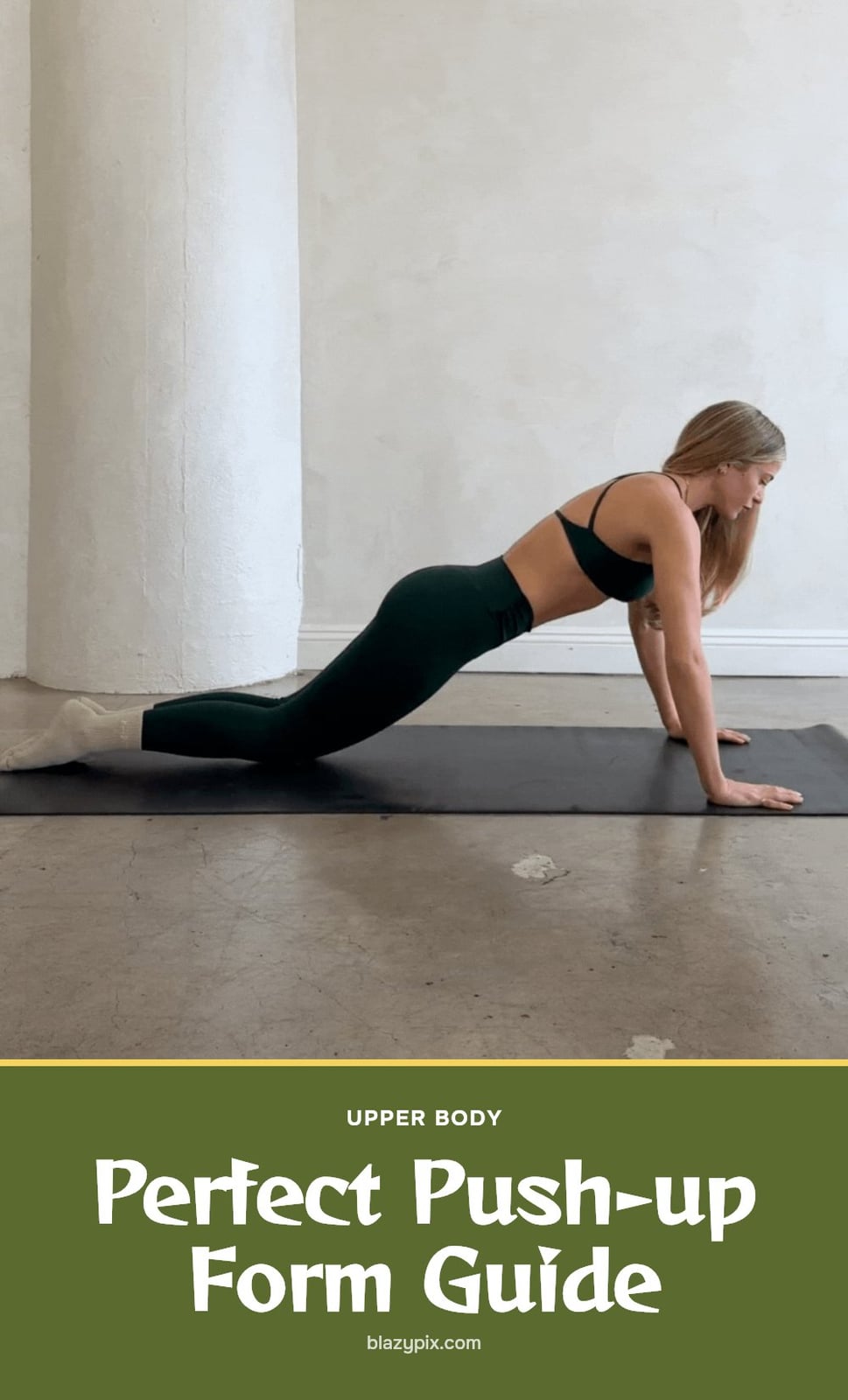
Start in a plank position with hands shoulder-width apart. Lower your chest toward the floor, keeping your body in a straight line from head to heels, then push back up. Engage your core throughout.
- Sets and reps: 3 sets of as many reps as possible (AMRAP)
- Form cue: Keep elbows at a 45-degree angle to your body, not flared out
- Make it easier or harder: Drop to your knees for easier; elevate your feet on a low step for harder
4. Lunges

Step one foot forward and lower your hips until both knees bend to a 90-degree angle. Your front knee should stay directly above your ankle, and your back knee should hover just above the floor. Push off the front foot to return to start, then alternate legs.
- Sets and reps: 3 sets of 10-12 repetitions per leg
- Form cue: Keep your torso upright and avoid leaning forward
- Make it easier or harder: Reduce step length for easier; add a jump between lunges for harder
5. Plank
Set up on your forearms and toes, making a straight line from your head down to your heels. Tighten your abs as if bracing for a light punch and hold the position without letting your hips sag or pike up.
- Time: Hold for 3 sets of 30-60 seconds, stopping sooner if your form starts to break.
- Form cue: Pull your belly button toward your spine throughout the hold to keep your deep core muscles active.
- Make it easier or harder: Drop to your knees to reduce the load, or lift one foot off the floor to increase the challenge.
6. Glute Bridges
Lie on your back with your knees bent and feet flat on the floor, hip-width apart. Press through your heels and lift your hips toward the ceiling, squeezing your glutes at the top. Lower slowly back to the start.
- Sets and reps: Complete 3 sets of 12-15 controlled repetitions.
- Form cue: Keep your shoulders and upper back pressed into the ground the whole time; only your hips move.
- Make it easier or harder: Perform a single-leg glute bridge (extend one leg straight) for more difficulty.
7. Triceps Dips (Chair/Bench)
Sit on the edge of a sturdy chair or bench and grip the edge beside your hips with both hands. Walk your feet forward a few inches, slide your hips off the seat, and bend your elbows to lower your body until your upper arms are roughly parallel to the floor. Push back up to the start.
- Sets and reps: Aim for 3 sets of 8-12 repetitions.
- Form cue: Keep your elbows pointing straight back, not flaring out to the sides, and stay close to the chair.
- Make it easier or harder: Bend your knees more to take weight off your arms, or extend your legs straighter to increase the load.
8. Cool-Down: Hamstring Stretch
Lie on your back and extend one leg straight up toward the ceiling. Place your hands behind your thigh or calf and gently pull the leg toward you until you feel a stretch along the back of your thigh. Keep your lower back flat on the floor.
- Time: Hold for 20-30 seconds per leg, breathing steadily.
- Form cue: Avoid bouncing; hold the stretch still and only pull as far as feels comfortable.
- Make it easier: Bend the knee slightly or loop a towel around your foot and pull with the ends.
Your Weekly No-Equipment Workout Schedule
This schedule spreads your workouts across the week so you get enough recovery between sessions. Aim for 3 to 5 sessions per week, and always take at least one full rest day between strength days if you are sore.
| Day | Workout Focus | Exercises |
|---|---|---|
| Monday | Full Body Strength | Squats, Push-Ups, Lunges, Plank, Glute Bridges |
| Tuesday | Active Recovery | Light walk or gentle stretching |
| Wednesday | Upper Body & Core | Push-Ups, Triceps Dips, Plank, Plank Shoulder Taps |
| Thursday | Lower Body & Glutes | Squats, Lunges, Glute Bridges, Calf Raises |
| Friday | Full Body HIIT | 30 seconds work / 30 seconds rest: Squats, Push-Ups, Lunges, Plank |
| Saturday | Active Recovery | Light walk or gentle stretching |
| Sunday | Rest | Full rest day |
Remember to listen to your body and adjust intensity or take extra rest days as needed. Consistency matters more than pushing through fatigue.
Common Mistakes to Avoid in No-Equipment Workouts
Avoid these common pitfalls to keep your workouts safe and effective.
- Skipping Warm-Up and Cool-Down: Always dedicate 5-10 minutes to dynamic warm-ups before and static stretches after your workout to prevent injury and improve flexibility.
- Sacrificing Form for Reps: It is better to do fewer repetitions with perfect form than many with poor technique. Poor form can lead to injury and less effective muscle activation.
- Neglecting Core Engagement: Many bodyweight exercises rely on a strong core for stability and effectiveness. Actively engage your core throughout movements like squats, lunges, and planks.
- Ignoring Progressive Overload: To continue seeing results, you need to challenge your muscles. Increase reps, sets, decrease rest, or try harder variations of exercises over time.
- Holding Your Breath: Maintain steady, controlled breathing throughout your exercises. Exhale on exertion and inhale during the recovery phase.
- Pushing Through Sharp Pain: Distinguish between muscle fatigue and sharp, unusual pain. If you feel sharp pain, stop the exercise immediately and rest. Consult a professional if pain persists.
Frequently Asked Questions
How often should I do no-equipment workouts?
Aim for 3 to 5 sessions per week, with at least one full rest day between strength-focused days if you are sore. This schedule gives your muscles time to recover and grow while keeping you consistent.
Can I build muscle with only bodyweight exercises?
Yes, you can build muscle with bodyweight exercises by using progressive overload. Increase the number of reps or sets, reduce rest time, or try more challenging variations like one-leg squats or decline push-ups to keep your muscles working hard.
What if I’m a complete beginner to exercise?
Start with the basic versions of each exercise, such as knee push-ups instead of full push-ups or holding a plank for shorter intervals. Focus on proper form first, and gradually increase reps or hold times as you get stronger.
How do I make bodyweight exercises harder?
You can make bodyweight exercises harder by increasing the number of repetitions or sets, shortening your rest between sets, or moving to more advanced variations. For example, try single-leg glute bridges or pike push-ups when the standard version feels easy.
Is a warm-up and cool-down really necessary?
Yes, a warm-up and cool-down are essential for preventing injury and improving flexibility. Spend 5-10 minutes doing dynamic stretches and light cardio before your workout, and another 5-10 minutes on static stretches afterward.
What should I do if I feel pain during a workout?
Stop the exercise immediately if you feel sharp, unusual pain, dizziness, chest pain, or shortness of breath. Distinguish between muscle fatigue, which is normal, and sharp pain that signals injury. If pain persists, consult a healthcare professional before continuing.
Final Thoughts
My tip: Start with the basic exercises and focus on nailing the form before you try to push for more reps or harder variations. You’ll likely notice visible strength and endurance improvements within 4 to 6 weeks of consistent effort. Remember, consistency matters more than intensity, especially when you’re just starting out. So grab a mat, clear a little space, and give this workout a try wherever you are.
This article is for general informational purposes only and does not constitute medical or professional advice. Always consult a healthcare professional before starting any new exercise program, especially if you have pre-existing health conditions or concerns. If you experience sharp pain, dizziness, or other concerning symptoms during exercise, stop immediately and seek medical guidance.