How to Use Rose Water for Glowing Skin and Hair
Discover how to use pure rose water in your daily beauty routine for hydrated skin, balanced pH, and shiny hair. Learn applications and mistakes.

You’ve probably seen rose water in beauty aisles and wondered if it lives up to the hype. The truth is, this gentle, fragrant liquid really can do a lot for your skin and hair, from calming irritation to adding a dewy glow. In this article, I’ll walk you through how to pick the right product, use it safely, and get the most out of every drop.
Key Takeaways
- Choose pure, alcohol-free rose water without artificial fragrances or dyes.
- Always do a patch test before using rose water extensively, especially if you have sensitive skin.
- Use rose water as a toner after cleansing to balance your skin’s pH.
- Mist it over your face during the day for a refreshing hydration boost.
- Store rose water in a cool, dark place or in the refrigerator to keep it fresh.
What is Rose Water and How Does It Benefit You?
Rose water is a natural liquid made by steam-distilling fresh rose petals. It’s prized for its soothing, anti-inflammatory, and antioxidant properties, which help calm irritated skin and protect against environmental stressors. Its slightly acidic pH works to balance your skin’s natural levels, while its hydrating qualities add a healthy shine to hair. Gentle by nature, it suits most skin types, including sensitive ones.
Essential Tools for Your Rose Water Routine
To get the most from rose water, start with the right basics.
- Pure rose water: Look for a product with no alcohol, artificial fragrances, or dyes. This ensures you get the full benefits without irritation.
- Cotton pads: Ideal for applying rose water as a toner after cleansing.
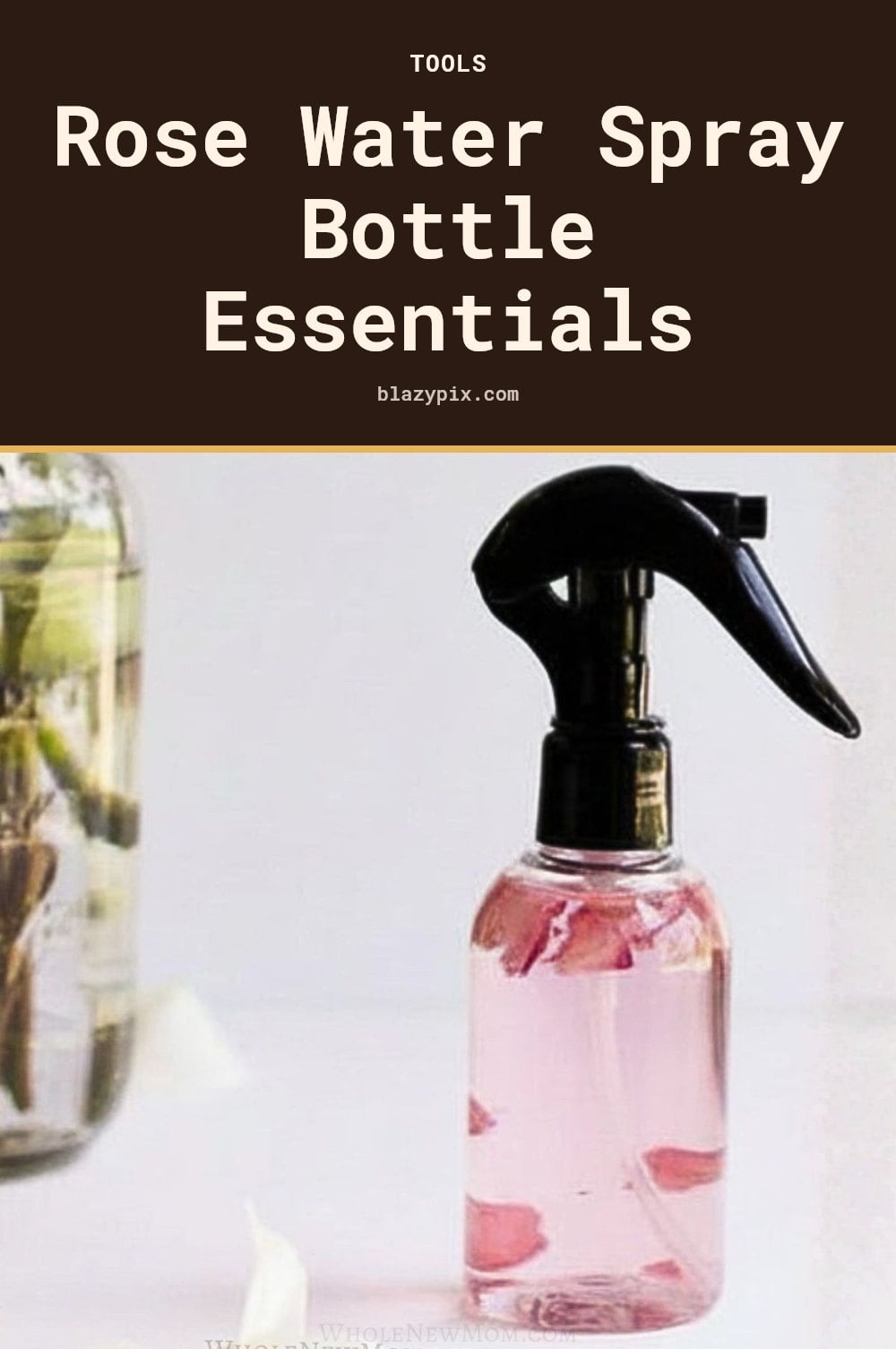
- Spray bottle: Fill it with rose water for a quick, refreshing mist anytime.
- DIY mask ingredients: Keep clay, honey, or glycerin on hand to blend with rose water for extra nourishment.
Step-by-Step: Incorporating Rose Water into Your Routine

Adding rose water to your routine is simple. Follow these steps to use it safely and effectively.
- Choose the right product: Select a pure, alcohol-free rose water. Check the ingredient list to avoid hidden additives that can dry or irritate your skin.
- Patch test first: Apply a small amount to your inner forearm and wait 24 hours. If you notice redness, itching, or burning, skip it.
- Use as a toner: After cleansing, soak a cotton pad with rose water and gently sweep it over your face and neck. This helps balance your skin’s pH and prep it for moisturizer.
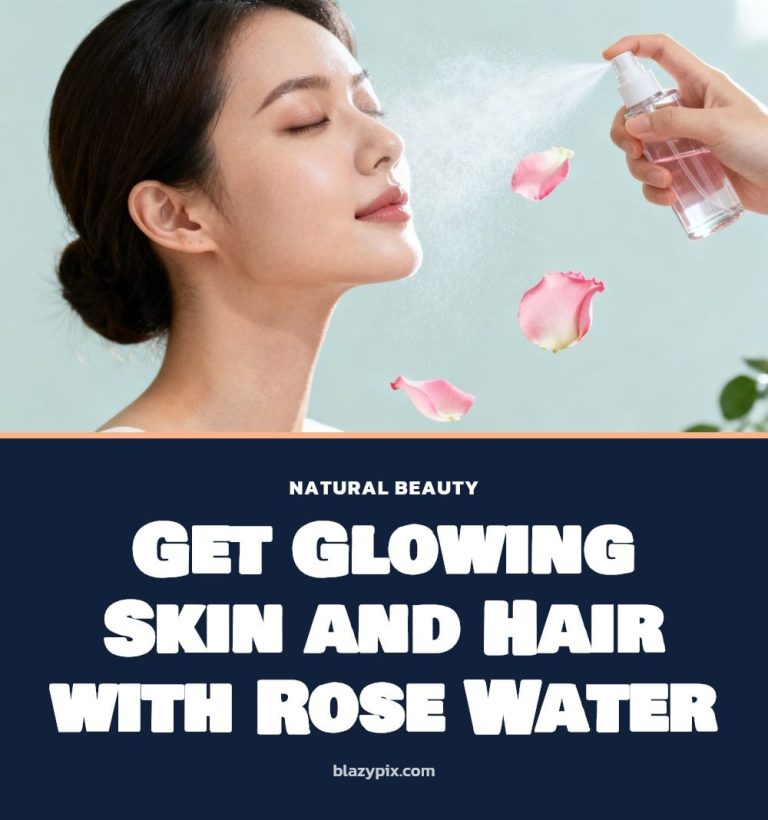
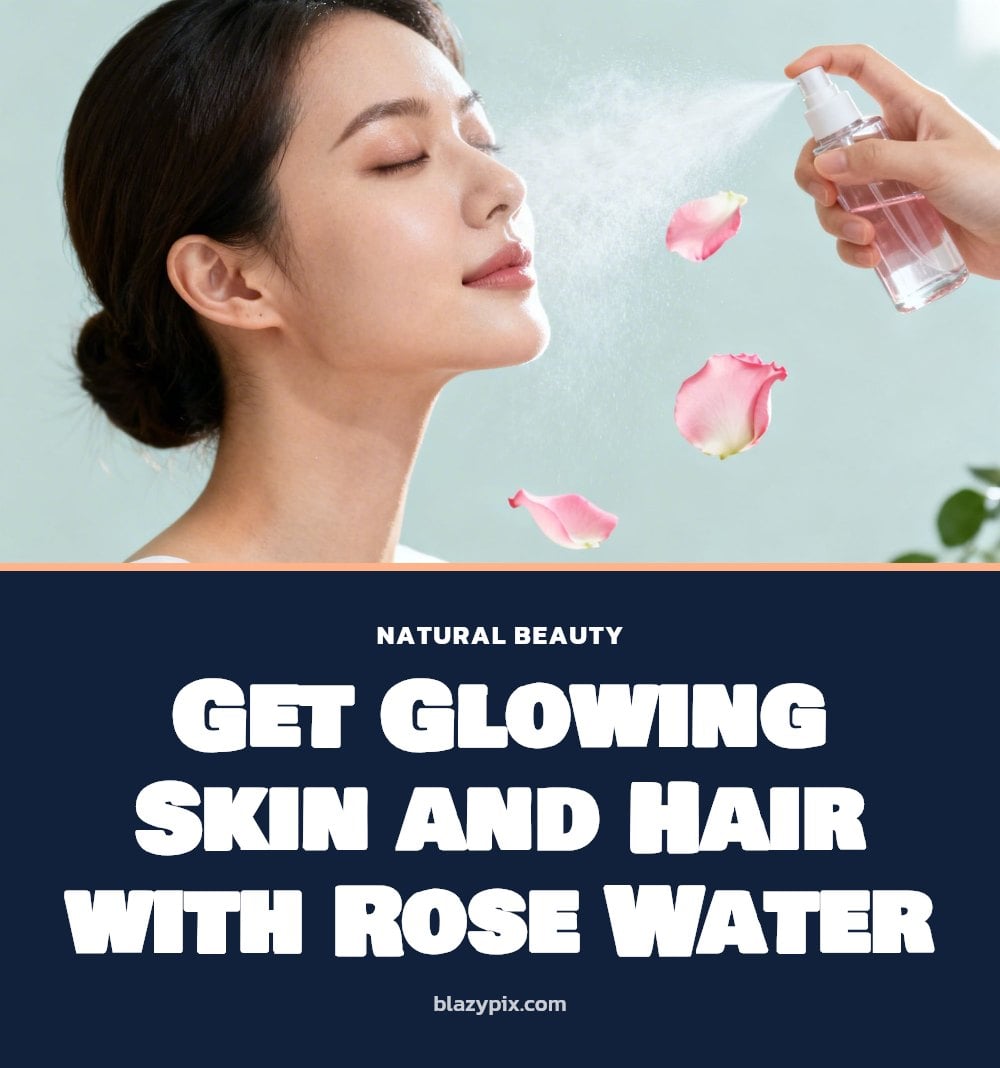
- Mist throughout the day: Keep a spray bottle of rose water in your bag. Spritz over your face whenever you need a hydration boost, especially in dry or air-conditioned environments.
- Mix into DIY recipes: Add a few tablespoons to your favorite face mask or hair rinse. For hair, combine rose water with your conditioner to boost shine and reduce frizz.
Creative Ways to Use Rose Water for Beauty

Rose water goes beyond a simple toner. Try these creative applications to get more from your bottle.
Set your makeup
Fill a spray bottle with rose water and mist it lightly over your finished makeup. It gives a dewy finish and helps your makeup stay in place. Tip: Hold the bottle about 8 inches from your face and spray in a gentle, even layer.
Soothing hair rinse
After shampooing, pour a cup of rose water over your hair as a final rinse. It adds shine and helps tame frizz. Caution: Avoid getting it in your eyes; if it happens, rinse thoroughly with water.
Boost your face masks
Replace plain water with rose water in your DIY masks. Mix with clay for a purifying mask or honey for extra hydration. The rose water enhances the soothing effect while adding a pleasant scent.
Light makeup remover
Soak a cotton pad in rose water and sweep it over your face to remove light makeup, such as tinted moisturizer or powder. Caution: Rose water does not dissolve heavy or waterproof makeup. For full-coverage products, use a dedicated makeup remover first, then follow with rose water to tone.
Common Rose Water Mistakes and How to Avoid Them
Not all rose water is the same. Many products contain alcohol, artificial fragrances, or dyes that can dry out or irritate your skin. Always check the ingredient list and choose a pure, alcohol-free version.
Don’t expect rose water to fix severe acne or chronic skin conditions overnight. It offers gentle hydration and soothing, but dramatic changes take consistent use over weeks. For serious issues, see a professional.
Improper storage shortens its shelf life. Keep the bottle in a cool, dark place or the refrigerator. Tip: Refrigeration also makes each mist feel more refreshing.
Avoid applying rose water to broken skin or open wounds without a dermatologist’s advice. It’s gentle but not sterile for damaged areas.
What to Expect: Timeline and Cost of Rose Water
You’ll notice hydration and soothing right after the first application. Your skin feels calmer and more comfortable almost immediately. Long-term improvements to skin tone and texture, however, require several weeks of consistent use.
Pure rose water is generally affordable, often comparable to a basic toner. You can use it once or twice daily as part of your routine. My tip: Mist it on your face after cleansing and again before moisturizer for an extra layer of hydration.
When to Consult a Professional About Skin Concerns
If you experience redness, itching, or burning after using rose water, stop using it right away. These are signs of irritation or an allergic reaction. Rinse the area with cool water and avoid the product going forward.
Consult a dermatologist if skin concerns persist or if you have a severe condition like cystic acne or eczema. Do not apply rose water to open wounds without first asking a professional. For any serious or ongoing reaction, medical advice is the safest next step.
Frequently Asked Questions
What kind of rose water should I buy?
Look for pure rose water that lists only rose petals and water as ingredients. Avoid products with alcohol, artificial fragrances, or dyes, since those can dry out or irritate your skin. Organic options are a good choice if you want to minimize exposure to pesticides.
Can rose water help with acne?
Rose water’s anti-inflammatory properties can help calm redness and soothe acne-prone skin, but it is not a primary treatment for acne. It works best as a gentle toner or refresher alongside a proper acne care routine. For persistent acne, see a dermatologist.
How often can I use rose water on my face?
You can use rose water on your face up to twice daily, once in the morning and once at night. It’s gentle enough for most skin types, including sensitive skin, but start with once a day if you are new to it. If you notice any irritation, reduce frequency or discontinue use.
Does rose water need to be refrigerated?
Refrigeration is optional, but storing rose water in the refrigerator can enhance its refreshing and soothing effect, especially when used as a mist on warm days. If you keep it at room temperature, store it in a cool, dark place away from direct sunlight to maintain its quality.
Can I make my own rose water at home?
Yes, you can make rose water at home by simmering fresh, pesticide-free rose petals in distilled water and straining the liquid. Homemade versions lack preservatives, so they spoil faster and should be stored in the refrigerator and used within a week. For longer shelf life, store-bought pure rose water is a reliable option.
Final Thoughts
My tip: Start your morning and evening routine with a quick rose water spritz or toner swipe. You’ll feel the soothing effect right away, and with consistent daily use, you can expect improvements in skin tone and texture within a few weeks. It’s a simple, affordable step that makes a real difference.
This article is for informational purposes only and does not constitute medical or professional advice. Results may vary based on individual skin type and condition. If you have persistent skin concerns or experience a reaction, consult a dermatologist or healthcare professional.