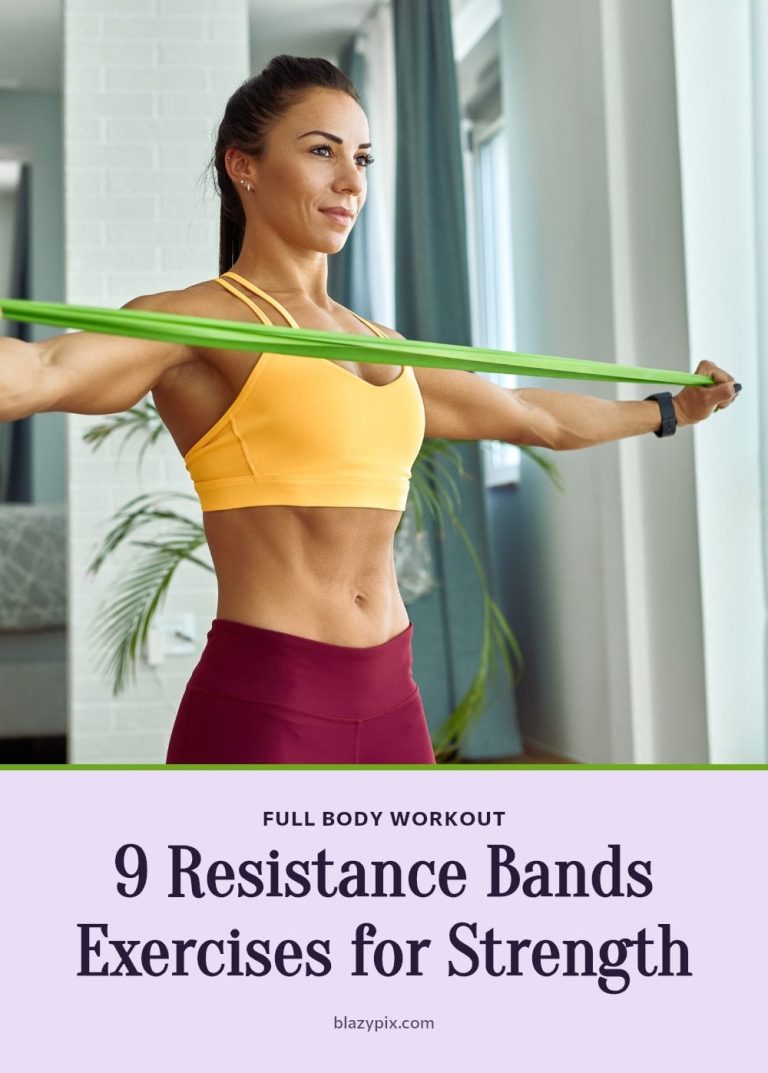
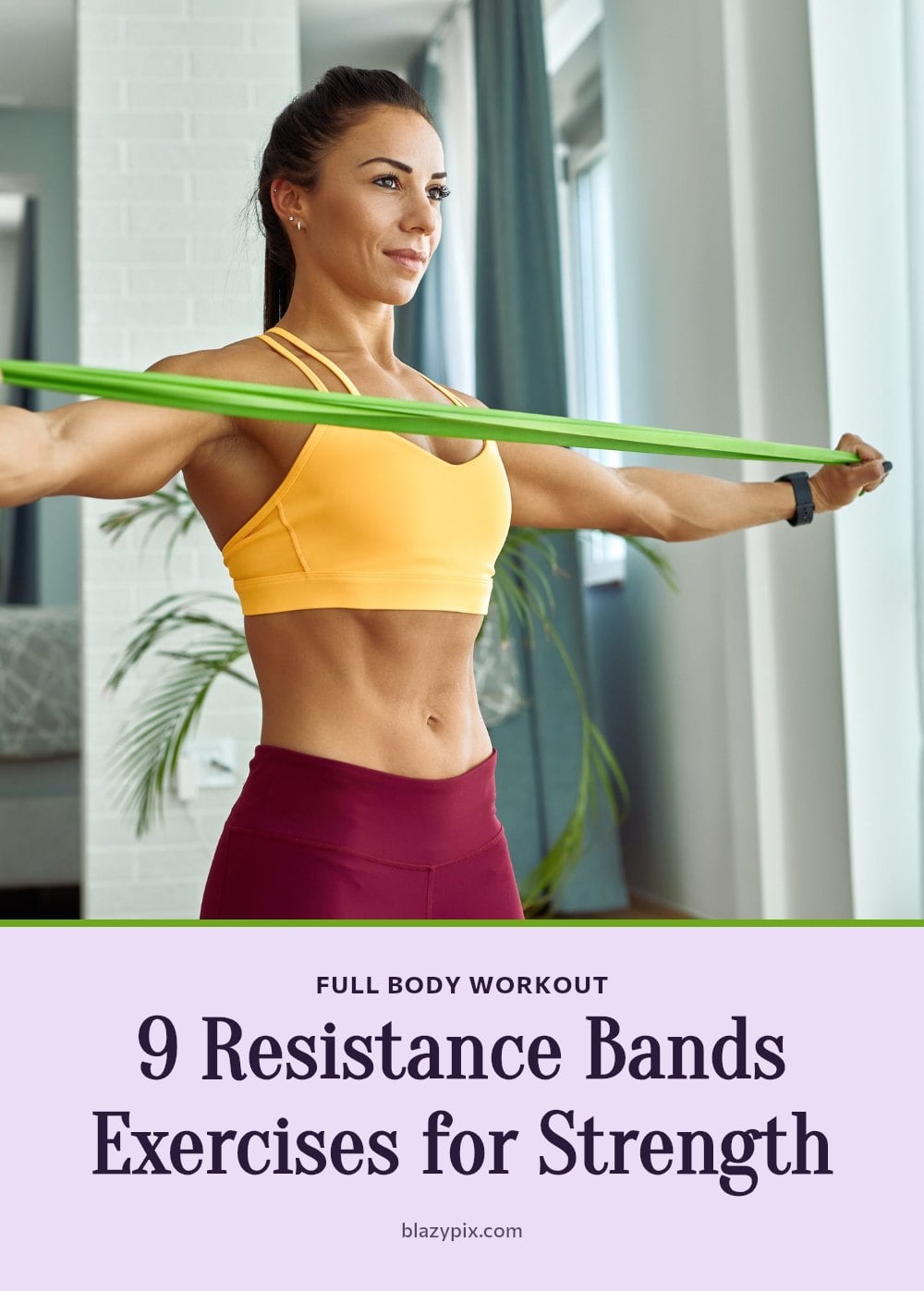
9 Resistance Band Exercises to Build Strength Anywhere
Discover 10 effective resistance band exercises to build strength at home or on the go. Learn proper form and common mistakes to avoid for a full-body workout.

Whether you’re traveling, short on space, or just want a versatile way to build strength, resistance bands can transform your workout routine. They offer continuous tension that keeps your muscles engaged throughout every movement, making them a powerful tool for both beginners and seasoned lifters. This article covers nine effective exercises, from warm-ups to cool-downs, along with tips on choosing the right band and creating a weekly plan.
Key Takeaways
- Choose band resistance based on your fitness level and the specific exercise.
- Perform 2-3 resistance band workouts per week on non-consecutive days.
- Use loop bands for lower body moves and tube bands for upper body exercises.
- Inspect bands for tears or damage before each use to avoid injury.
- Control both the lifting and lowering phases for maximum muscle engagement.
Why Resistance Bands Are Your Go-To for Strength
Resistance bands deliver a versatile, low-impact way to build strength and improve flexibility for any fitness level. Unlike free weights, they provide continuous tension, engaging your muscles throughout every part of the movement. That constant pull targets major muscle groups for a full-body workout, making them ideal for home or travel. Plus, they are highly portable and affordable, so you can pack a set in your bag and exercise anywhere.
1. Warm-Up: Banded Glute Bridge
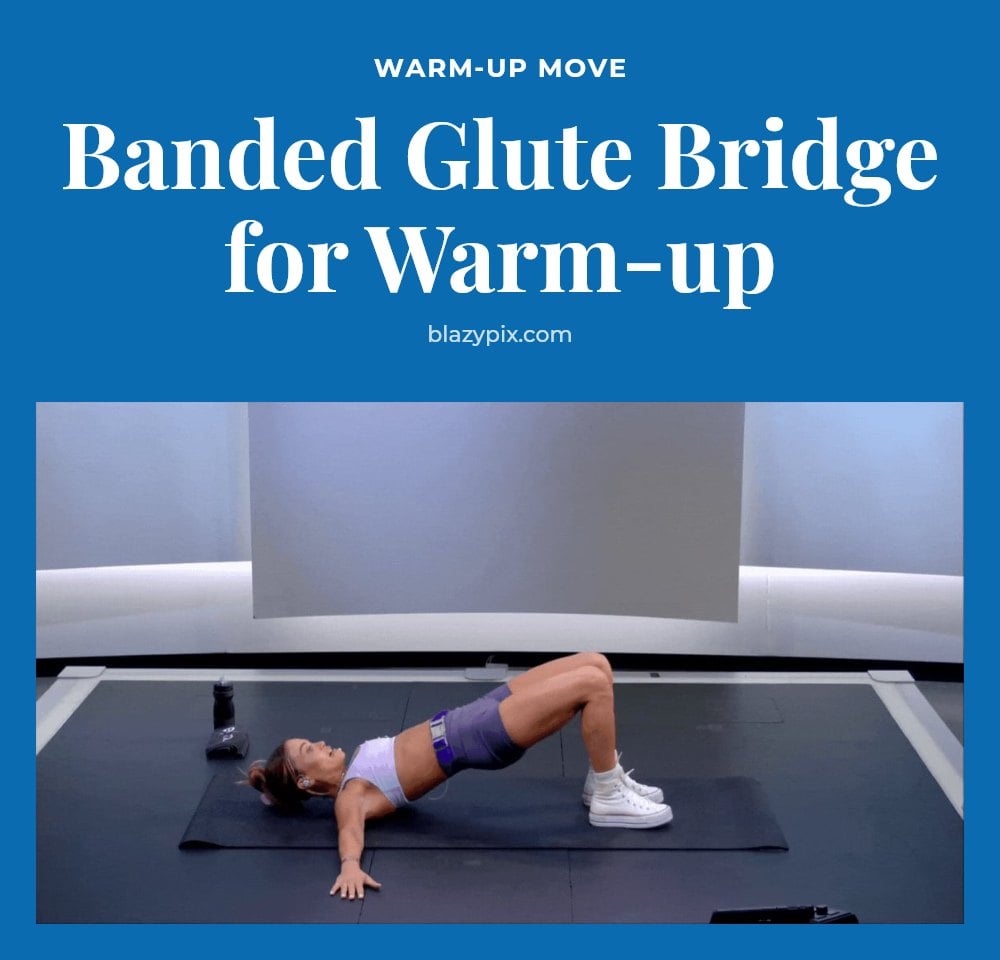
Place a loop band around your thighs, just above your knees. Lie on your back with knees bent, feet flat on the floor and hip-width apart. Press through your heels, lifting your hips until your body forms a straight line from shoulders to knees. Squeeze your glutes at the top and keep tension on the band throughout.
- Sets and reps: 2 sets of 10-12 repetitions
- Form cue: Drive your knees outward against the band as you lift
- Make it easier or harder: Use a lighter band for less resistance, or a heavier band for more
2. Lower Body: Banded Squats
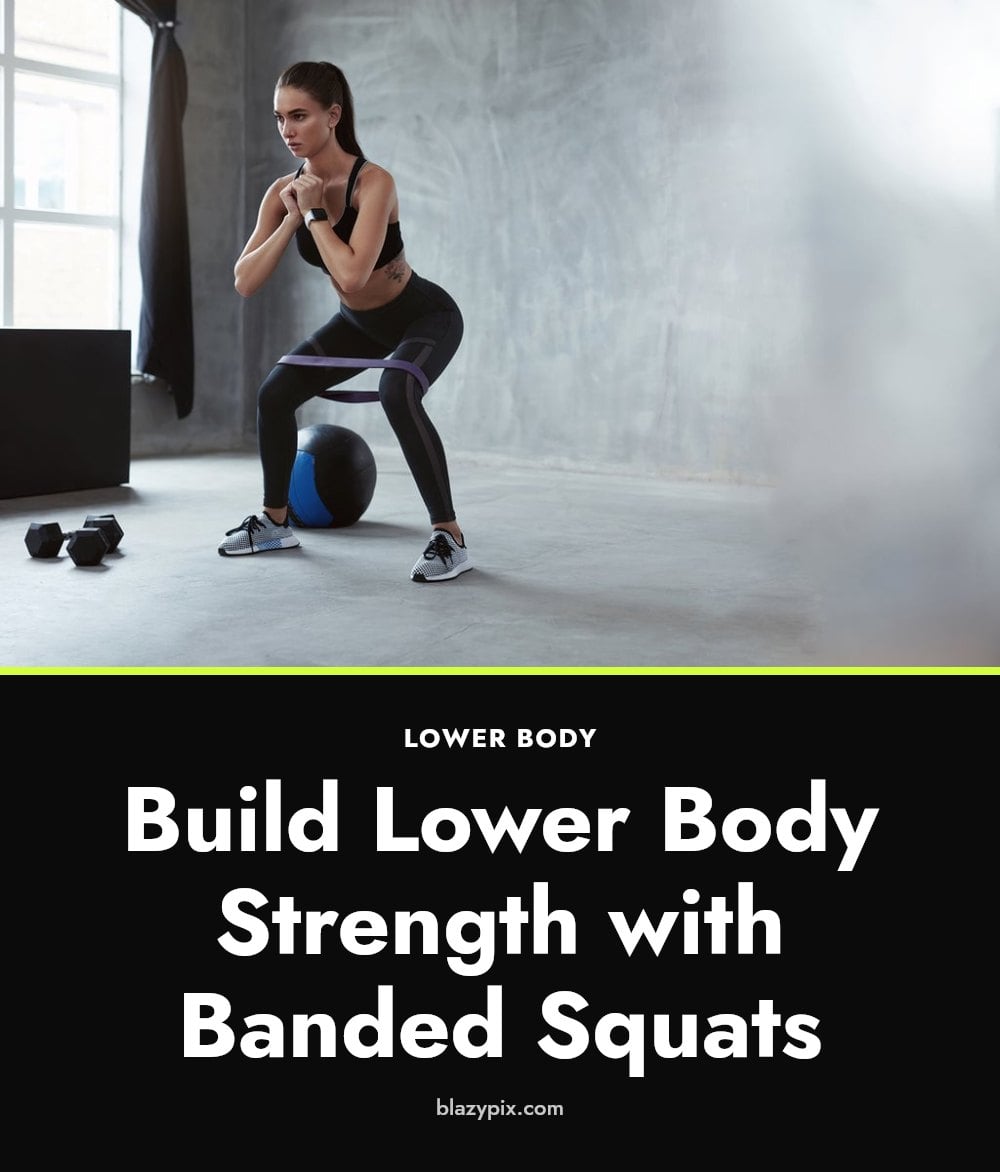
Position a loop band around your thighs, just above your knees. Stand with feet hip-width apart and toes pointed slightly out. Lower your hips as if sitting in a chair, keeping your chest up and pushing your knees outward against the band. Go as deep as comfortable while maintaining good form.
- Sets and reps: 3 sets of 10-12 repetitions
- Form cue: Keep your knees tracking over your second toe, not collapsing inward
- Make it easier or harder: Shorten your range of motion for less intensity, or use a thicker band for more
3. Lower Body: Lateral Band Walks
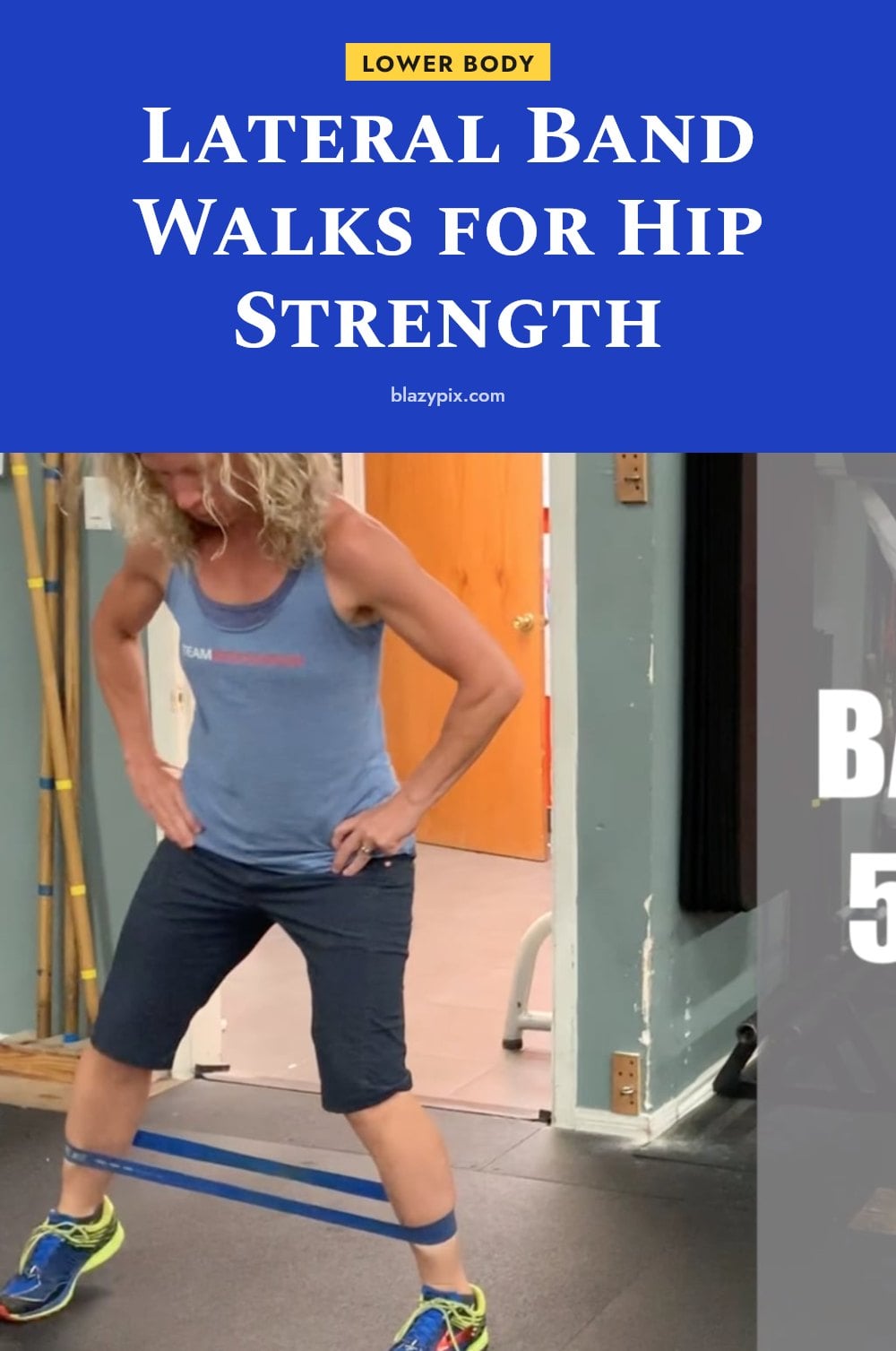
Place a loop band around your ankles or just above your knees. Stand with feet hip-width apart, knees slightly bent, and hinge forward slightly at your hips. Take small, controlled steps sideways, keeping constant tension on the band. Engage your core and avoid letting your feet slide together.
- Sets and reps: 3 sets of 10-12 steps in each direction
- Form cue: Lead with your heel and keep your toes pointing forward
- Make it easier or harder: Place the band above your knees instead of ankles for less resistance, or lower it to your ankles for more
4. Upper Body: Banded Bicep Curls
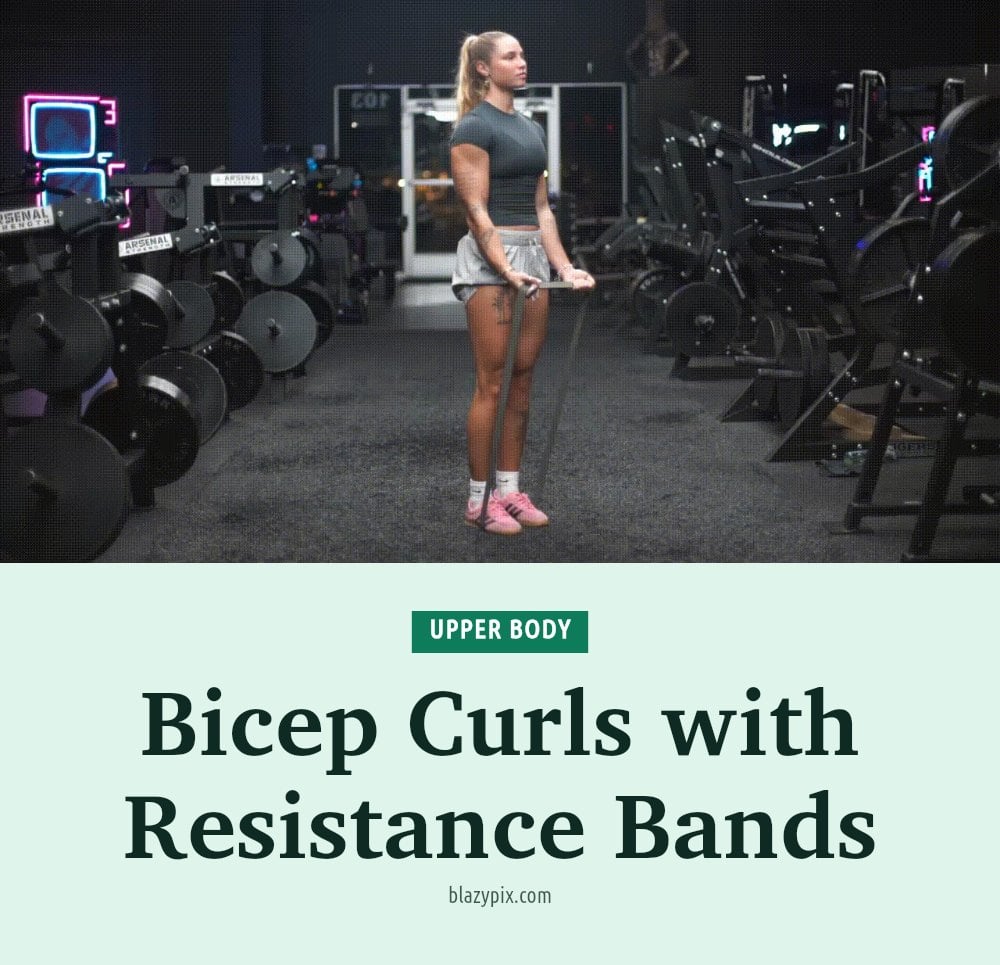
Stand on the middle of a tube band with handles, feet hip-width apart. Hold a handle in each hand, palms facing forward. Keeping your elbows glued to your sides, curl your hands toward your shoulders, squeezing your biceps. Control the band as you slowly lower the handles back down.
- Sets and reps: 3 sets of 10-12 repetitions
- Form cue: Keep your wrists straight and elbows stationary throughout the movement
- Make it easier or harder: Use a lighter band or shorten the band by stepping closer to the anchor point for more resistance
5. Upper Body: Banded Tricep Extensions
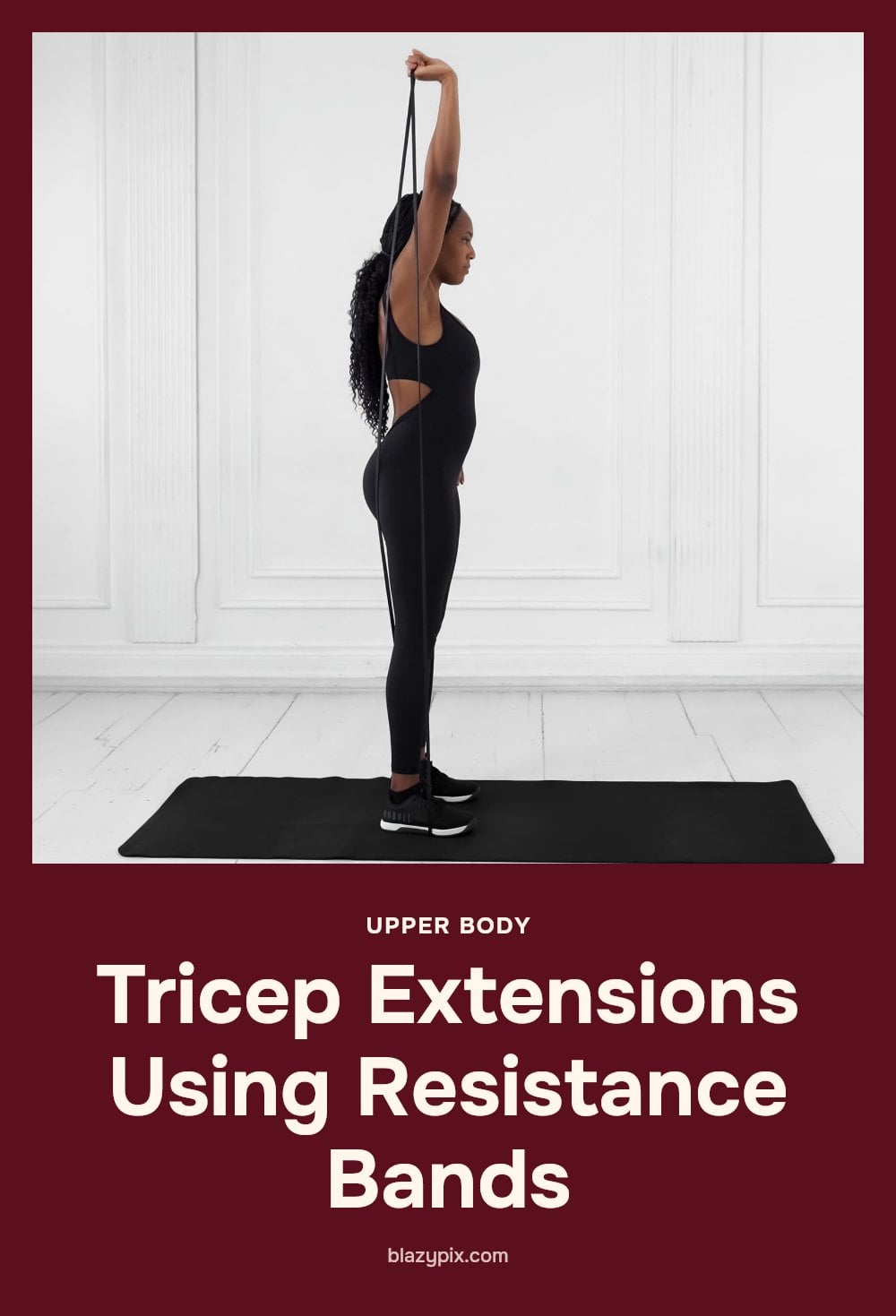
Anchor a tube band to a door anchor or sturdy object above your head, or stand on one end of the band. Hold the handle with both hands, arms extended overhead, elbows bent at 90 degrees. Extend your forearms upward, straightening your arms and squeezing your triceps. Slowly return to the starting position, controlling the tension.
- Sets and reps: 3 sets of 10-12 repetitions
- Form cue: Keep your upper arms close to your ears and avoid flaring your elbows
- Make it easier or harder: Use a lighter band or increase resistance by choosing a heavier band or shortening the band length
6. Core: Banded Pallof Press
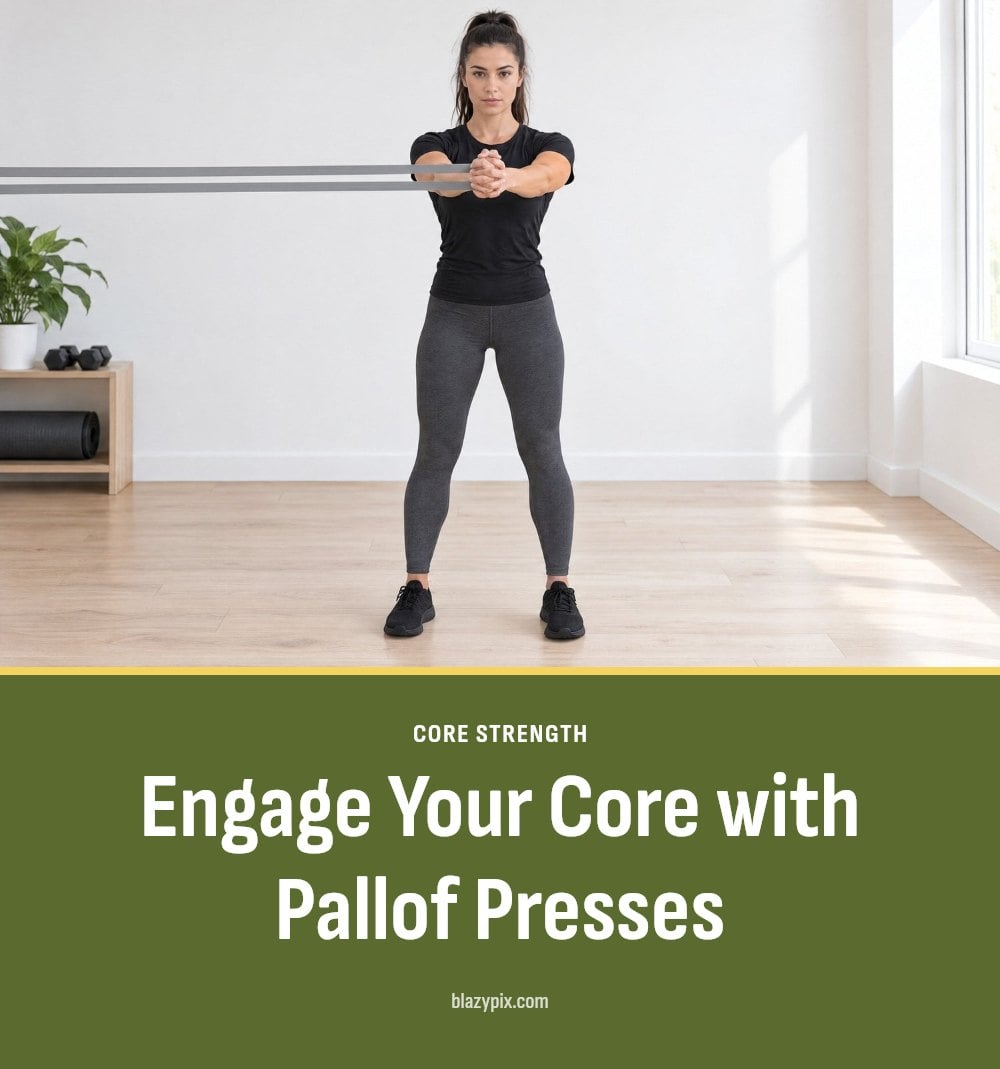
Anchor a tube band to a sturdy object at chest height. Stand sideways to the anchor, grasping the handle with both hands at your chest. Step away to create tension, feet shoulder-width apart with a slight bend in your knees. Press the band straight out in front of you, resisting its pull to rotate your torso. Slowly bring the band back to your chest.
- Sets and reps: 3 sets of 8-10 repetitions per side
- Form cue: Keep your core braced and hips facing forward throughout the press
- Make it easier or harder: Step closer to the anchor for less tension or farther away for more challenge
7. Full Body: Banded Push-Ups
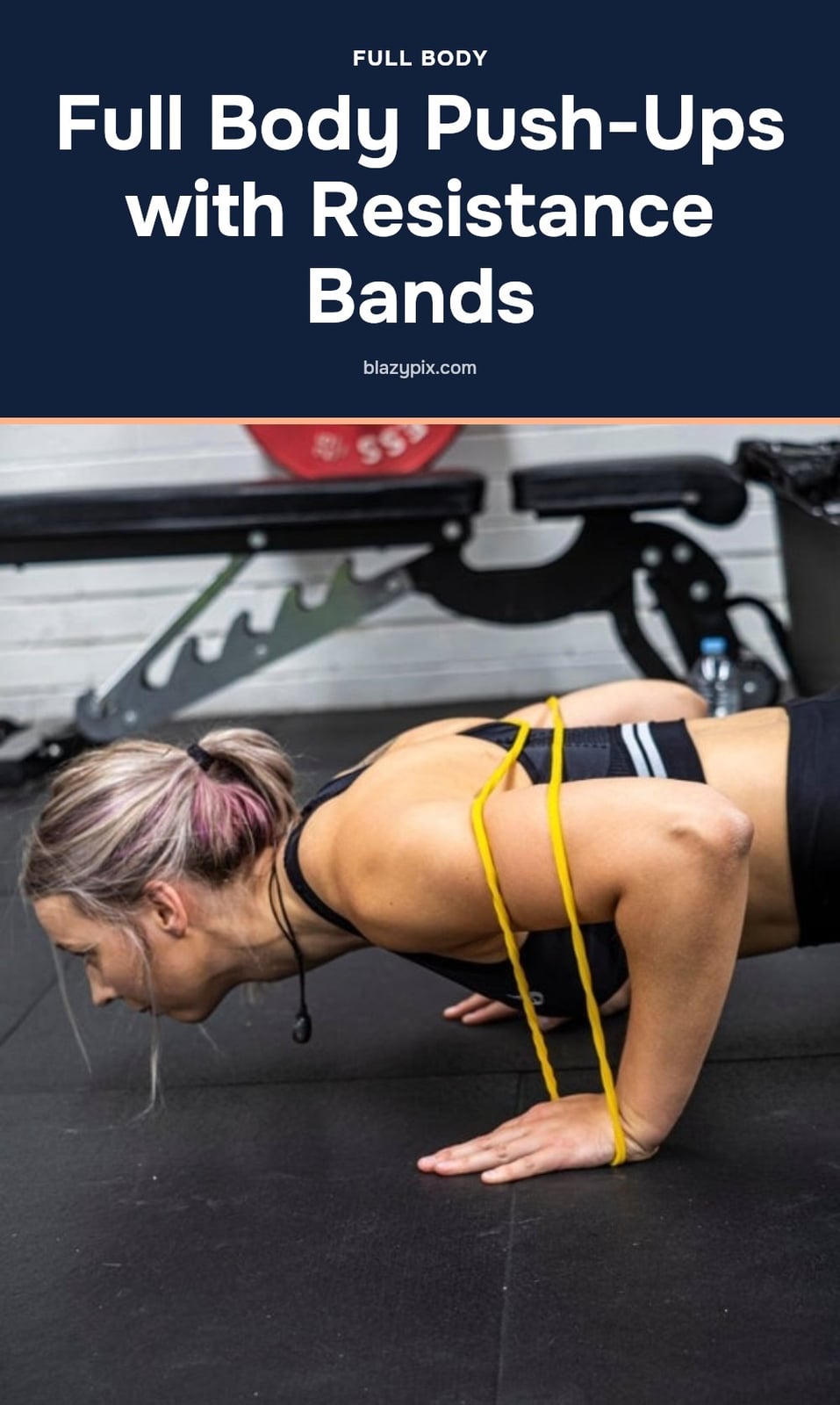
Place a loop band across your upper back, hooking your thumbs through each end of the band. Get into a push-up position with hands slightly wider than shoulder-width apart. Lower your chest toward the floor, keeping your core tight and elbows tucked at about 45 degrees. Push back up, feeling the added resistance from the band.
- Sets and reps: 3 sets of as many repetitions as possible with good form
- Form cue: Keep your body in a straight line from head to heels, avoiding sagging or piking
- Make it easier or harder: Perform from your knees for less resistance or use a heavier band for more challenge
8. Full Body: Banded Rows
Anchor a tube band to a door anchor or sturdy object at chest height. Stand facing the anchor, holding a handle in each hand with your arms extended straight out. Pull the handles toward your torso, squeezing your shoulder blades together, then slowly extend your arms back to the start.
- Sets and reps: 3 sets of 10-12 repetitions
- Form cue: Keep your elbows close to your body and avoid shrugging your shoulders
- Make it easier or harder: Use a lighter band to start, or step closer to the anchor for less tension
9. Cool-Down: Banded Hamstring Stretch
Lie on your back with one leg extended flat on the floor. Loop a flat resistance band around the arch of your other foot, holding the ends with both hands. Gently pull the band to extend your leg toward the ceiling until you feel a stretch in your hamstring.
- Time: Hold for 20-30 seconds per leg, repeat 2-3 times
- Form cue: Keep your extended leg flat on the floor and avoid rounding your back
- Make it easier or harder: Bend the lifted knee slightly to reduce the stretch, or pull the leg closer to your chest for more
Essential Resistance Band Gear
You don’t need a lot of gear to start, but having the right types of bands makes a difference. Here is what I usually keep in my home gym bag.
- Loop resistance bands (mini bands): Best for lower body exercises like glute bridges and lateral walks, and for glute activation before a workout
- Tube resistance bands with handles: Ideal for upper body and full-body movements such as bicep curls and rows
- Flat resistance bands: Great for stretching and rehabilitation exercises, like the hamstring stretch
- Optional accessories: A door anchor expands your options for tube band exercises, and ankle straps add variety for leg work
Your Weekly Resistance Band Workout Plan
Consistency is what drives results with resistance bands. Aim for 2-3 workouts per week on non-consecutive days, and listen to your body to adjust intensity.
| Day | Focus | Exercises |
|---|---|---|
| Monday | Lower body + core | Glute bridge, squats, lateral walks, Pallof press |
| Wednesday | Upper body + full body | Bicep curls, tricep extensions, push-ups, rows |
| Friday | Full body + stretch | Repeat your favorite 4-5 exercises, finish with hamstring stretch |
Start with 2 sets per exercise if you are new, and progress to 3 sets as you get stronger. Rest at least one day between sessions to allow your muscles to recover.
Frequently Asked Questions
What are the different types of resistance bands?
The main types are loop bands (mini bands) for lower body exercises, tube bands with handles for upper body moves, and flat bands for stretches and rehabilitation. Each type serves a specific purpose, so having a mix gives you more workout options.
How do I choose the right resistance band level?
Start with a band that allows you to complete 10-12 repetitions with good form but feels challenging by the last few reps. Bands are usually color-coded from extra light to extra heavy. If you can easily do more than 12 reps, move up a level.
Can resistance bands build muscle effectively?
Yes, they can help build muscle by providing continuous tension throughout the exercise. To see progress, gradually increase resistance by using a stronger band, shortening the band, or combining multiple bands. Consistency and proper form are key.
Can I combine resistance bands with other workouts?
Absolutely. Resistance bands work well as a warm-up before weightlifting, as a finisher after cardio, or as a standalone workout. They are also low-impact, so they can be added to yoga or Pilates routines without overloading your joints.
What are the best resistance band exercises for beginners?
Start with foundational moves like banded glute bridges, banded squats, and banded bicep curls. These exercises are easy to learn and target major muscle groups. Focus on controlled movements and proper form before increasing resistance.
Final Thoughts
For a reliable start, try the weekly plan from the article, mixing lower body, upper body, and full-body exercises. With consistent effort, you can often notice visible strength improvements within four to six weeks. The key is to listen to your body and adjust the resistance as you get stronger.
This article provides general information about resistance band exercises and is not a substitute for professional medical or fitness advice. Consult a healthcare provider or certified trainer before starting any new exercise program, especially if you have pre-existing health conditions or injuries.