Macros Made Simple: How to Count Them Without Stress
Unlock the power of macros to reach your health and fitness goals. Learn how to count carbs, proteins, and fats without stress, ensuring balanced nutrition.

Tired of counting calories but still not seeing the changes you want? Counting macros, carbohydrates, proteins, and fats, gives you a clearer picture of what’s actually on your plate. Instead of just a number, you’re tracking the quality of your fuel, which can help with energy, fullness, and reaching your goals. This article walks you through the simple steps to start tracking macros without the stress, plus common pitfalls to avoid.
Key Takeaways
- Know your TDEE: Calculate total daily energy expenditure online to set your starting calorie needs.
- Set personalized targets: Adjust protein, carb, and fat grams based on your weight, muscle, or maintenance goals.
- Use a food scale: This tool gives the most accurate portions, especially for calorie-dense foods like nuts and grains.
- Prioritize whole foods: Focus on nutrient-dense options to meet your macros and support overall health.
- Be consistent, not perfect: Aim for close to your targets most days; exact numbers matter less over time.
What Are Macros and Why Should You Count Them?
Macros are the three nutrients your body needs in large amounts to function: carbohydrates, proteins, and fats. Counting macros gives you more control than tracking calories alone because you can adjust how much of each nutrient you eat. This precision helps you stay full, maintain steady energy, and work toward body composition goals like fat loss or muscle gain without guessing.
Essential Tools for Accurate Macro Tracking
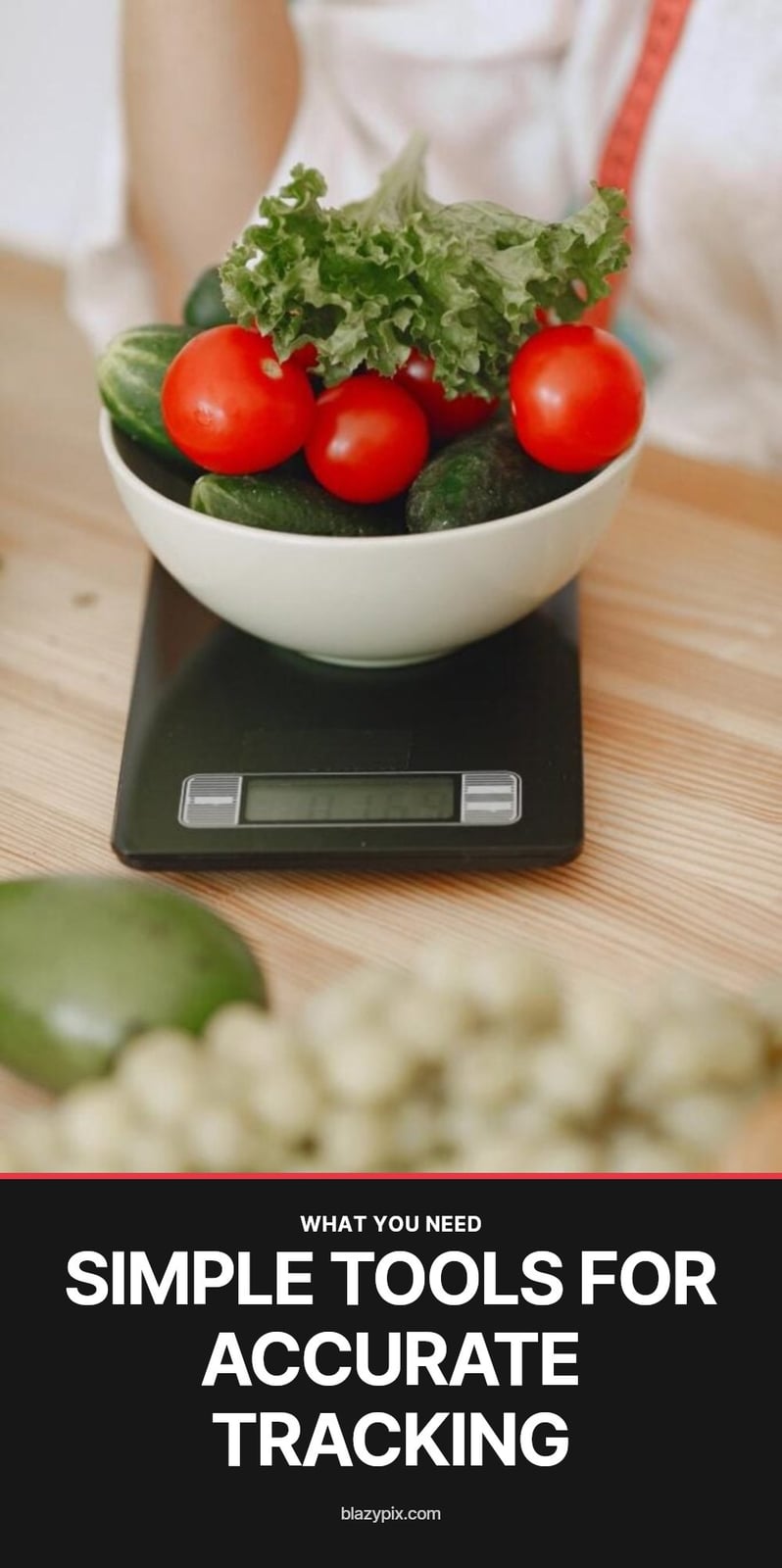
A food scale is your most accurate tool for portioning solid foods like chicken, rice, or nuts. Use measuring cups and spoons for liquids such as olive oil or milk and for smaller amounts like nut butter. A nutrition tracking app or a simple food journal lets you log consistently so you can see patterns. You also need to read nutrition labels to find the grams of carbs, protein, and fat per serving.
Your Step-by-Step Guide to Counting Macros

- Calculate your TDEE: Your total daily energy expenditure is the number of calories you burn each day. Use an online calculator that factors in your age, sex, weight, height, and activity level to get a starting number.
- Set your macro targets: Based on your goal (weight loss, muscle gain, or maintenance), choose a protein target first, commonly 0.8 to 1.2 grams per pound of body weight. Then divide remaining calories between carbs and fats using a common starting ratio like 40% carbs and 30% fats, or let a tracking app calculate this for you.
- Prioritize whole foods: Vegetables, lean proteins, whole grains, and healthy fats provide more nutrients and fiber than processed options, making it easier to hit your targets without feeling deprived.
- Track what you eat: Weigh or measure every ingredient, including oils and sauces. Log everything in your app or journal before you eat so you can adjust if needed.
- Adjust as you go: After two to three weeks, check your progress. If you aren’t seeing changes or feel low on energy, shift your targets by 50 to 100 calories or tweak your carb-to-fat ratio.
Consistency matters more than perfection. Aim to hit your numbers within 5 to 10 grams most days rather than stressing over exact matches.
Understanding the Role of Each Macronutrient
Carbohydrates
Carbs are your body’s main fuel source, providing 4 calories per gram. They break down into glucose, which powers your brain and muscles. Fiber is a type of carb your body can’t digest, but it supports digestion and helps you feel full longer.
Protein
Protein supplies 4 calories per gram and is essential for repairing tissues and making enzymes and hormones. It also keeps you satisfied between meals, which can help with portion control.
Fats
Fats deliver 9 calories per gram and are critical for hormone production, absorbing fat-soluble vitamins, and protecting your organs. Include sources like avocados, nuts, and olive oil to cover these needs.
Common Macro Tracking Mistakes and How to Avoid Them
Underestimating portion sizes: This is the most common error. A food scale eliminates guesswork, especially for calorie-dense foods like nuts, cheese, and grains. Weigh everything for the first few weeks until you learn portion sizes by sight.
Ignoring fiber intake: Fiber keeps you full and supports digestion. Prioritize whole foods like vegetables, legumes, and whole grains over processed options to naturally boost your fiber without extra tracking.
Not adjusting targets: Your macro needs change as your weight, activity level, or goals shift. Recalculate every 4-6 weeks or after a 10-pound change to stay on track.
Becoming overly restrictive: Aim for 90% consistency, not perfection. Missing a target by a few grams occasionally won’t derail progress, but constant restriction can lead to burnout or bingeing.
Forgetting cooking oils/condiments: Olive oil, butter, salad dressings, and even ketchup add significant calories and fat. Log significant amounts of oils and condiments for accurate totals.
When to Consult a Professional About Your Diet
Consult a healthcare professional or registered dietitian before making significant dietary changes, especially if you have underlying health conditions or are pregnant or nursing. If macro tracking leads to obsessive thoughts, anxiety, or guilt around food, seek guidance immediately. Persistent fatigue, irritability, or poor performance despite consistent tracking may signal imbalanced macros or insufficient calories. A professional can provide personalized targets and help you build a sustainable, healthy relationship with food.
Frequently Asked Questions
How long does it take to see results from macro tracking?
Most people begin noticing changes in energy, body composition, or weight within a few weeks to a couple of months, depending on how consistently they track and how closely they follow their targets. Patience and consistency are key.
Do I need to track macros forever?
Not at all. Many people track for a few months to build awareness of portion sizes and nutrient balance, then transition to a more intuitive approach. You can always revisit tracking if your goals or lifestyle change.
What if I don’t hit my macros perfectly every day?
That’s perfectly okay. Consistency over time matters far more than hitting exact numbers every single day. If you miss your target by a few grams, adjust the next day and keep going.
How do fiber and micronutrients fit into macro tracking?
Fiber is a type of carbohydrate listed on labels, so count it within your carb total. Micronutrients (vitamins and minerals) aren’t tracked in macro counting, but choosing whole, unprocessed foods helps ensure you get enough of them.
Can I count macros without weighing food?
You can, but it’s less accurate. Eyeballing portions often leads to underestimating calories and macros, especially for dense foods like nuts, cheese, and cooking oils. A food scale gives reliable data for the first few weeks until you learn portion sizes by sight.
Final Thoughts
Macro tracking isn’t about perfection. It’s about learning what your body needs to feel strong, fueled, and satisfied. Start with a food scale and a free tracking app, and check your progress every few weeks. If you feel stuck or overly anxious, step back and talk to a professional. The goal is a flexible, sustainable approach that fits your life, not a rigid rulebook.
This article provides general information and is not a substitute for professional medical or dietary advice. Always consult a healthcare provider or a registered dietitian before making significant changes to your eating plan, especially if you have underlying health conditions or special nutritional needs.