How to Treat Dry Scalp Naturally and Find Relief
Learn how to treat dry scalp naturally with effective home remedies and gentle care. Find relief from itching and flaking with our expert tips.

If your scalp feels tight, itchy, and leaves small white flakes on your shoulders, you are likely dealing with dry scalp rather than dandruff. The difference matters because the wrong treatment can make things worse. This article walks you through natural remedies, the best ingredients to use, and the habits that keep your scalp hydrated long-term.
Key Takeaways
- Use a sulfate-free shampoo and lukewarm water to avoid stripping natural oils.
- Moisturize weekly with coconut, jojoba, or olive oil for deep hydration.
- Dilute tea tree oil with a carrier oil before applying to prevent irritation.
- Add a humidifier in dry climates to help maintain scalp moisture.
- See a dermatologist if symptoms persist or worsen after a few weeks of gentle care.
What is Dry Scalp and How Can You Treat It?
Dry scalp is simply dehydrated skin on your head. It shows up as small white flakes, itchiness, and a tight feeling. This is not dandruff, which comes from a yeast overgrowth and causes larger, oily flakes. The fix is straightforward: switch to gentle, sulfate-free products, add moisture with natural ingredients, and stop stripping your scalp with harsh washes or hot water.
Understanding What Causes a Dry Scalp
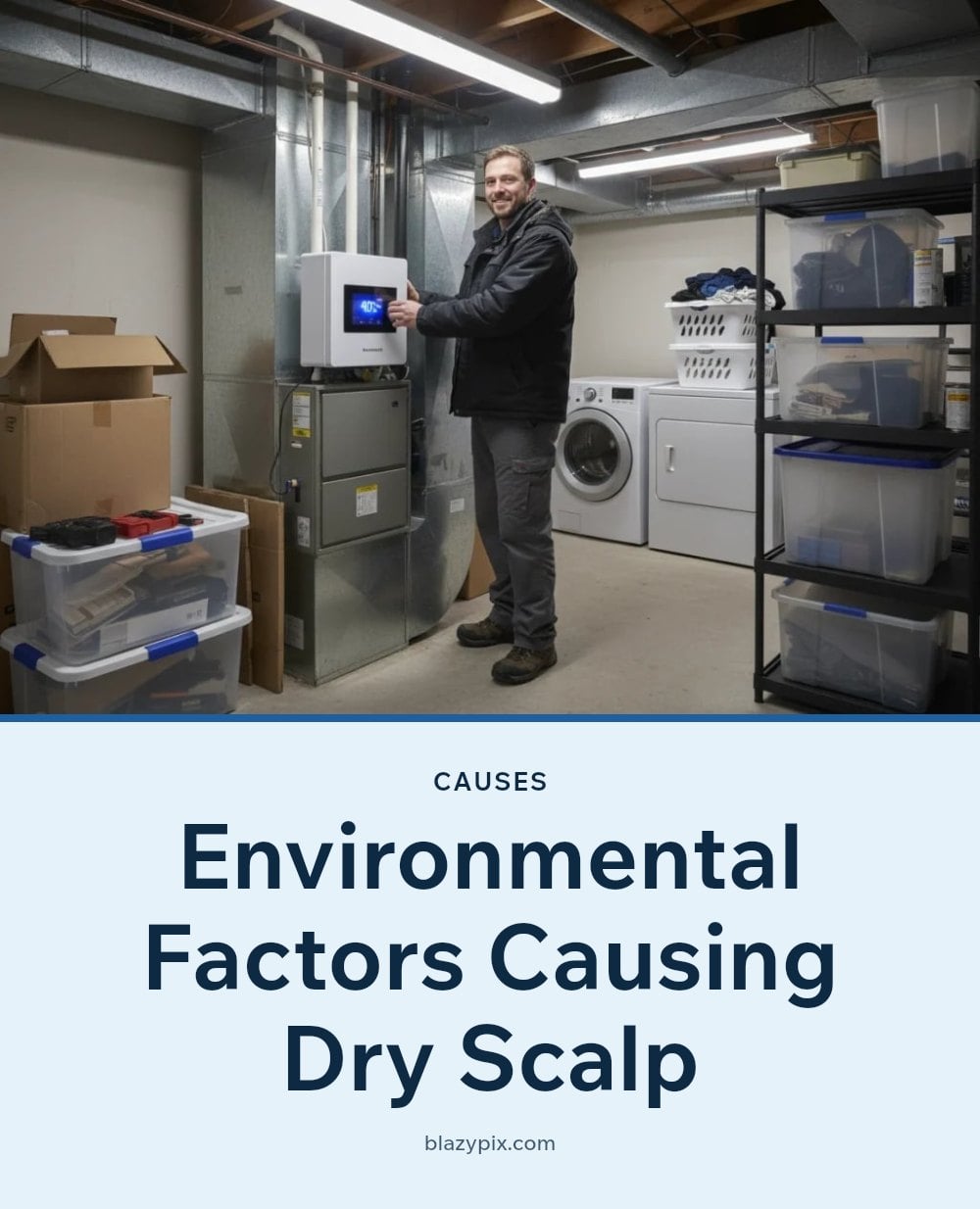
Dry air and cold weather are common triggers. When humidity drops, moisture leaves your scalp faster. Indoor heating in winter makes it worse.
What else strips your scalp of moisture
- Harsh hair products: Sulfates and denatured alcohols in shampoos, gels, and sprays remove protective oils.
- Over-washing: Washing every day or every other day can leave your scalp dry. Aim for 2 to 3 times a week.
- Hot water: Very hot showers pull moisture from your scalp. Use lukewarm water instead.
- Infrequent washing: Going too long between washes lets dead skin and product buildup accumulate, which can also cause flaking.
Your Essential Toolkit for Dry Scalp Relief
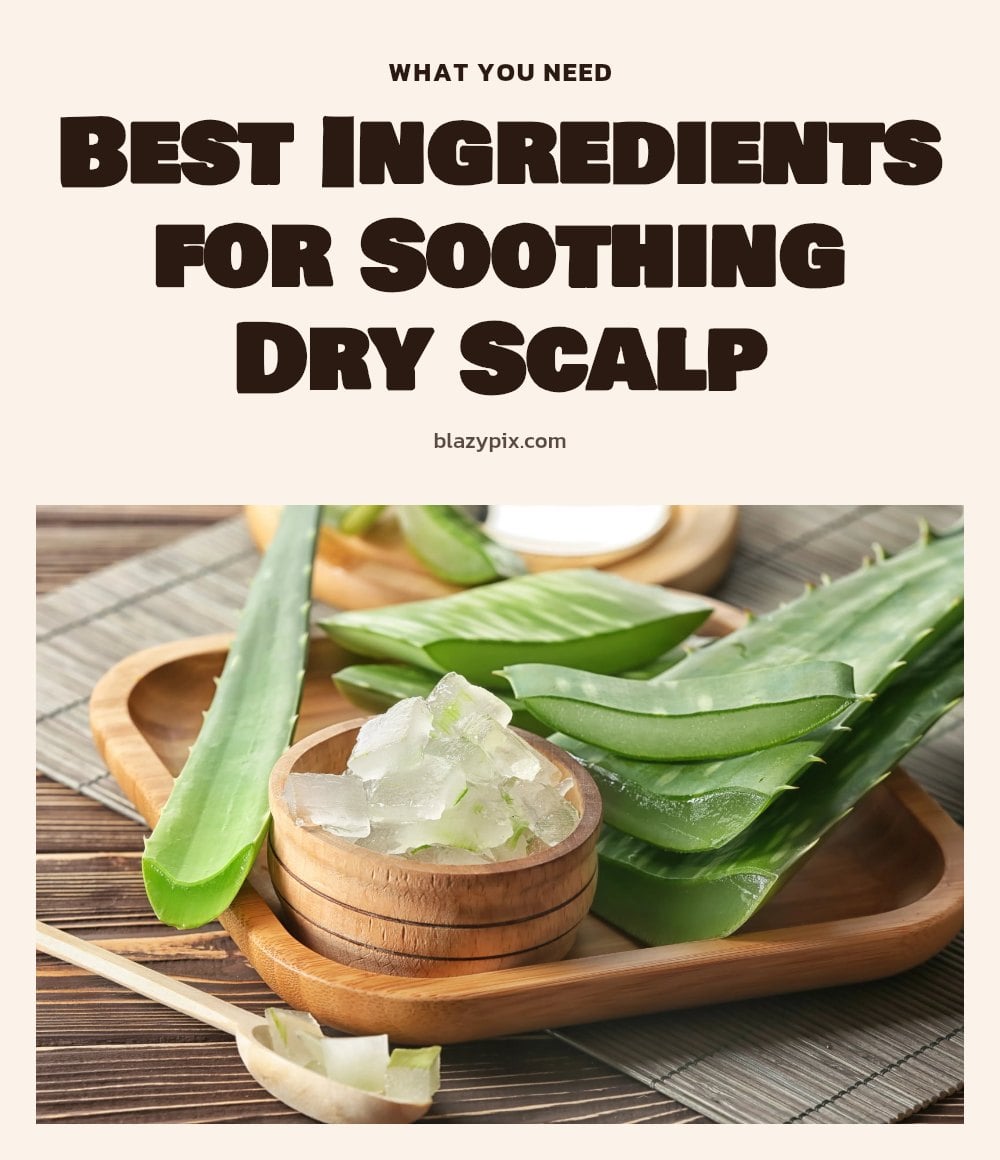
Start with a gentle, sulfate-free shampoo and a moisturizing conditioner. They clean without stripping your scalp.
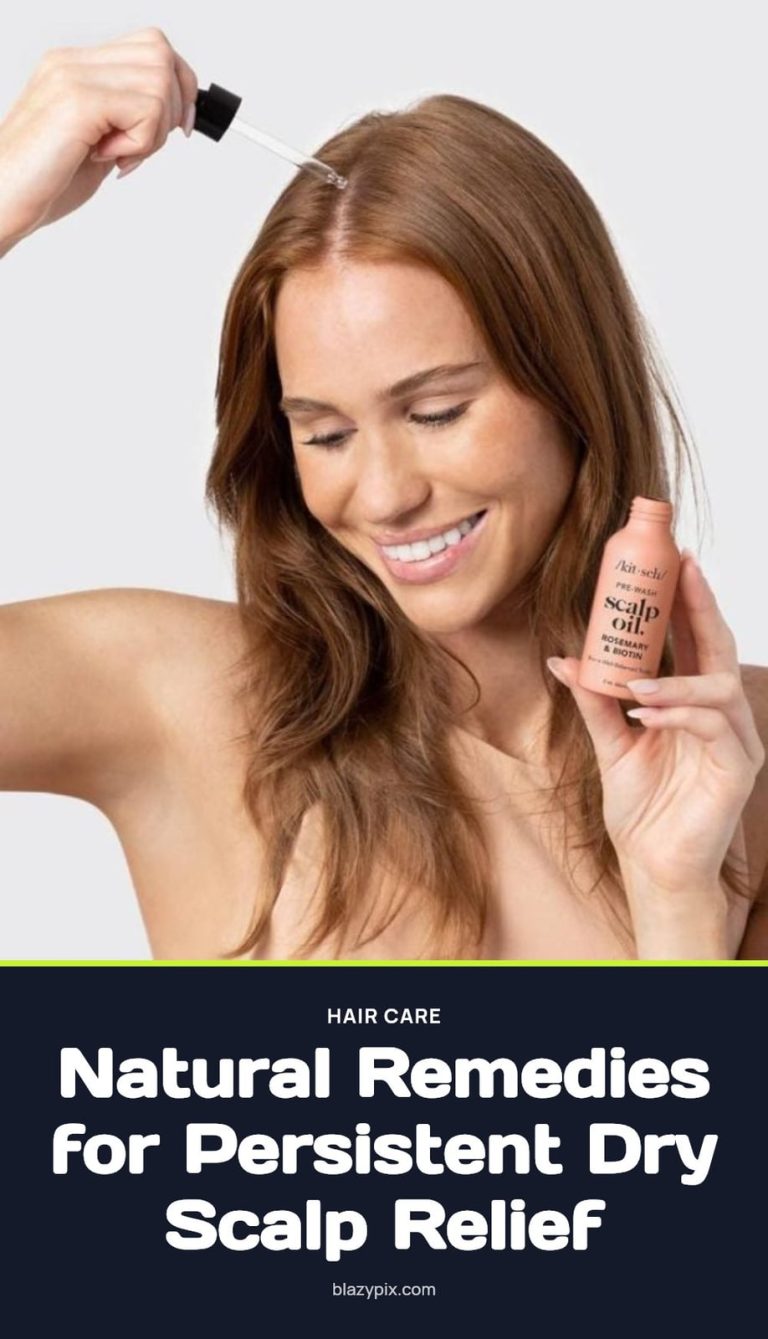
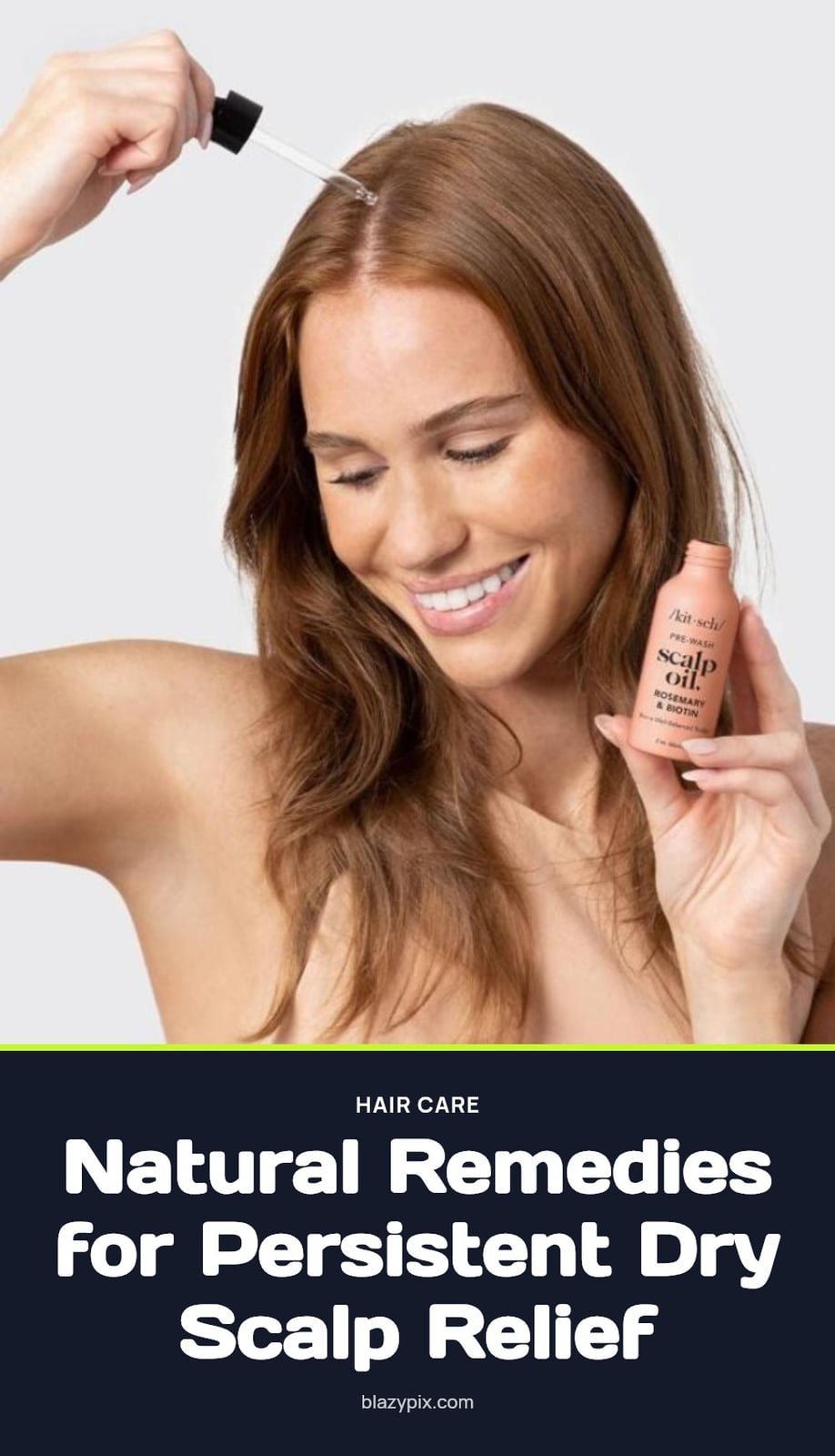
- Natural oils: Coconut, jojoba, and olive oil penetrate the skin to hydrate directly.
- Aloe vera gel: Pure gel soothes irritation and cools the scalp.
- Apple cider vinegar: Diluted with water, it balances pH and removes residue.
- Tea tree essential oil: Always dilute a few drops with a carrier oil (like almond or grapeseed) before applying. It offers antiseptic benefits.
Effective Natural Remedies to Soothe Your Scalp

Coconut Oil Overnight Mask
Warm 1 to 2 tablespoons of coconut oil until liquid. Massage it into your scalp. Leave it on overnight (cover your pillow with a towel) or for at least 30 minutes. Wash with a gentle shampoo. Repeat once a week.
Aloe Vera Direct Application
Apply pure aloe vera gel directly to your scalp. Massage gently and leave it on for 15 to 20 minutes. Rinse with lukewarm water. Use up to 3 times a week for soothing relief.
Apple Cider Vinegar Rinse
Mix 1 part apple cider vinegar with 2 parts water. After shampooing, pour the mixture over your scalp. Let it sit for 2 to 3 minutes, then rinse thoroughly. Use once a week to clarify and balance pH.
Tea Tree Oil Scalp Treatment
Mix 3 to 5 drops of tea tree essential oil with 2 tablespoons of a carrier oil like jojoba or grapeseed. Massage into your scalp and leave for 10 to 15 minutes. Shampoo as usual. Caution: Always do a patch test on your inner arm before using any essential oil on your scalp.
Common Mistakes When Treating Dry Scalp
Most setbacks come from treating the wrong problem or using the wrong tool. These are the errors I see most often, and what to do instead.
- Anti-dandruff shampoo on dry scalp: If your flakes are small and white, an anti-dandruff formula can strip moisture further. Switch to a gentle, sulfate-free cleanser.
- Washing too often: Daily washing removes the oils your scalp needs. Aim for 2 to 3 times a week, or as needed.
- Hot water: It feels good but dehydrates the skin. Use lukewarm water and rinse thoroughly.
- Skipping the ingredient list: Sulfates and alcohol are common drying culprits. Read the label before you buy.
Caution: Don’t scratch flakes off with your nails. It irritates the skin and can make flaking worse.
Preventing Dry Scalp From Returning

Once your scalp settles, the goal shifts to keeping moisture in. A few habits do most of the work.
- Keep a moisturizing routine: A light oil or aloe mask once a week keeps the skin hydrated between washes.
- Stay gentle with products: Sulfate-free shampoo and conditioner protect the scalp’s barrier.
- Adjust your wash habits: Lukewarm water, thorough rinsing, and no more than 2 to 3 washes a week.
- Hydrate from inside and out: Drink enough water and run a humidifier when the air is dry.
- Shield your scalp outdoors: A hat in cold wind keeps moisture from evaporating.
When to Consult a Dermatologist for Scalp Issues
Home care handles most cases, but some signs need a professional eye. Book an appointment with a dermatologist if:
- Symptoms persist or get worse after a few weeks of gentle care.
- You see severe redness, pain, swelling, or signs of infection.
- You suspect eczema, psoriasis, or another underlying skin condition.
- You notice hair loss along with the flaking and itching.
A dermatologist can identify the cause and rule out conditions that look similar to dryness.
Frequently Asked Questions
How often should I moisturize a dry scalp?
Most people benefit from moisturizing once a week with a natural oil or aloe vera mask. If your scalp feels very dry, you can increase to twice a week, but avoid overdoing it because buildup can clog pores. Adjust based on how your scalp responds.
Can diet affect dry scalp?
Yes, a lack of essential fatty acids may contribute to dry skin, including the scalp. Eating foods rich in omega-3s, such as salmon, walnuts, and flaxseeds, may help support skin hydration. Staying well hydrated also matters for overall skin health.
What’s the difference between dry scalp and dandruff?
Dry scalp is simply dehydrated skin, causing small white flakes and tightness. Dandruff is caused by an overgrowth of yeast and produces larger, yellowish, oily flakes. Using anti-dandruff shampoo on dry scalp can worsen dryness, so identifying which one you have is key.
Are there any specific ingredients to avoid in hair products?
Avoid sulfates and denatured alcohols, which strip natural oils from your scalp. Check labels for ingredients like sodium lauryl sulfate or SD alcohol. Fragrance can also be irritating for some people, so opt for fragrance-free or naturally scented products when possible.
How long does it take for dry scalp remedies to work?
With consistent use of gentle products and natural moisturizers, you may see improvement within a few days to a couple of weeks. If you do not notice any change after three weeks, or if symptoms get worse, consult a dermatologist to rule out other conditions.
Final Thoughts
My tip: Start with the coconut oil overnight mask and switch to a sulfate-free shampoo. You should notice less itching and flaking within a week or two if you stay consistent. If nothing changes or your scalp becomes red or painful, it is time to see a dermatologist for a proper diagnosis.
This article is for informational purposes only and is not a substitute for professional medical advice. If you have persistent, severe, or worsening scalp symptoms, or suspect an underlying condition such as eczema or psoriasis, please consult a dermatologist or healthcare professional.