How to Stop Thigh Chafing and Keep Your Skin Happy
Learn how to effectively stop thigh chafing with proven methods and preventative strategies, keeping your skin comfortable and irritation-free.

That raw, stinging feeling after a long walk or a day in shorts is all too familiar. Thigh chafing happens when skin rubs against skin, and moisture from sweat makes it worse. This article covers what causes that irritation, how to soothe it fast, and the smartest ways to keep it from coming back.
Key Takeaways
- Apply a barrier product like anti-chafing balm or petroleum jelly before activity to reduce friction.
- Wear moisture-wicking synthetic fabrics instead of cotton to keep skin dry.
- Clean chafed skin gently with mild soap and pat dry, never rub.
- Use bike shorts or slip shorts under skirts to create a protective layer.
- See a doctor if chafing is severe, blistered, or shows signs of infection.
What is Chafing and Why Does it Happen?
Chafing is skin irritation caused by repetitive friction, and moisture like sweat makes it worse. It is a form of irritant contact dermatitis, meaning the skin’s surface gets damaged by rubbing against skin, clothing, or other materials. You’ll most often notice it on your inner thighs, armpits, and skin folds, where friction happens with every step or movement. The result is redness, stinging, and tenderness that can turn into blistering if left unchecked.
Immediate Relief: Soothe Chafed Skin

Start with Gentle Cleansing
When your skin is already chafed, the first step is to clean it without causing more damage. Use a mild, fragrance-free soap and lukewarm water, then pat the area dry with a soft towel. Rubbing with a towel can strip away the fragile skin barrier and make the irritation worse.
Apply a Protective Barrier
Once the skin is clean and dry, apply a thick layer of petroleum jelly or an anti-chafing balm. These barrier products are safe for both intact and broken skin, as they create a protective layer that reduces further friction and locks in moisture to support healing. Reapply as needed, especially before any activity that involves movement.
Use Powder Only on Intact Skin
If your skin isn’t broken or blistered, a talc-free powder can help absorb sweat and cut down on friction. Cornstarch-based powders work well, but avoid them on open wounds because they can cake and irritate the area further.
- Caution: Skip powders if the skin is cracked or bleeding, and switch to a barrier ointment such as petroleum jelly instead.
- Pro move: Keep a small tube of petroleum jelly in your bag for quick touch-ups during the day.
Your Anti-Chafing Arsenal: Products and Clothing
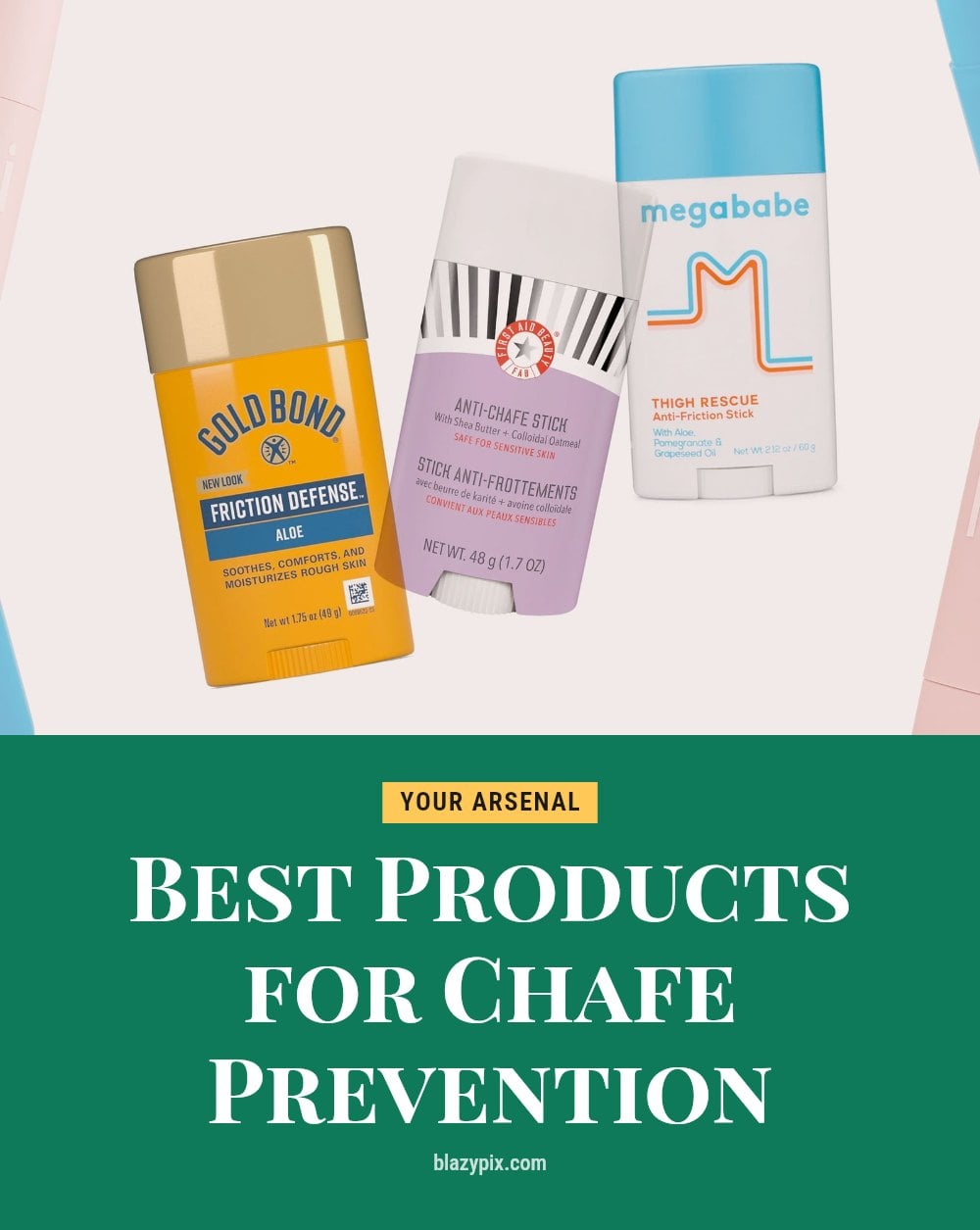
Building a small kit of anti-chafing essentials makes prevention and treatment much easier. Here is what actually helps and why.
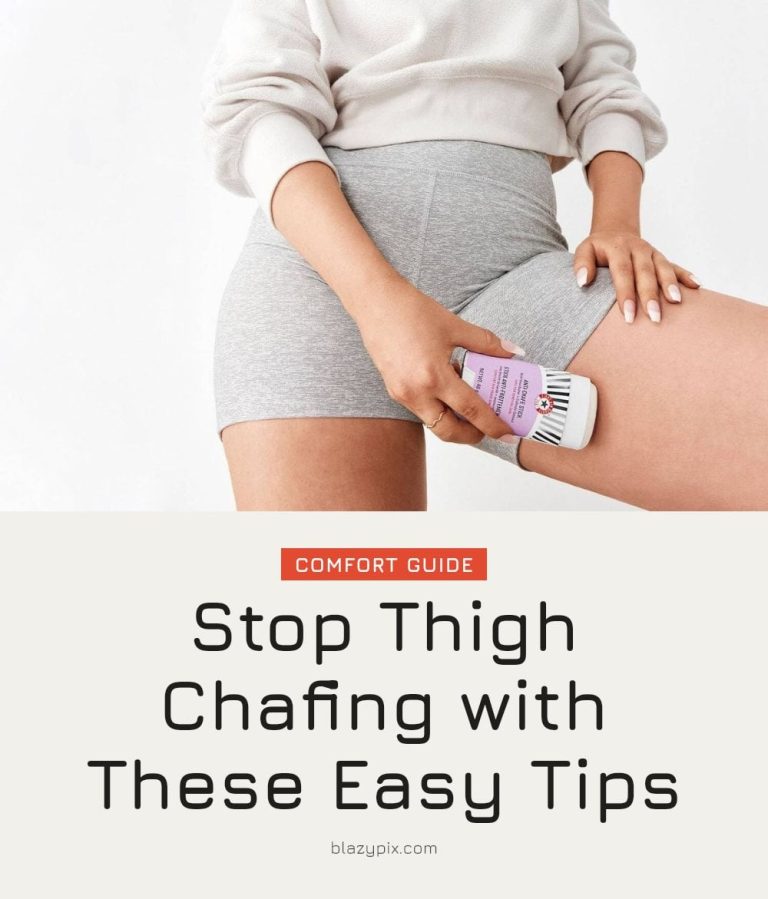
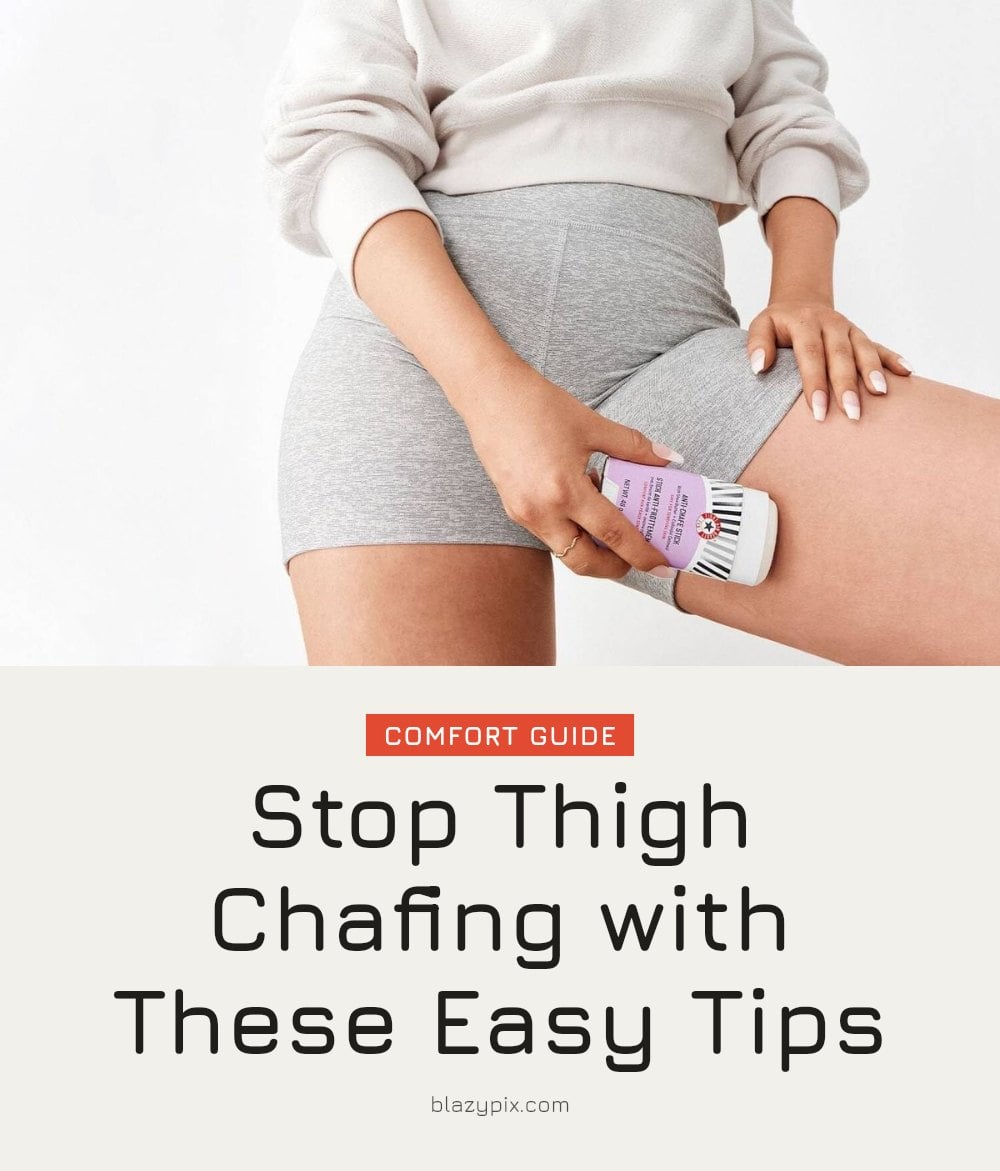
- Anti-chafing balms or sticks: These glide on smoothly and form a friction-reducing film that lasts through workouts and long walks. Unlike lotion, they stay put instead of soaking in.
- Moisture-wicking fabrics: Synthetic blends like polyester or nylon pull sweat away from your skin, keeping the surface drier and less prone to irritation. Look for activewear labeled as moisture-wicking.
- Slip shorts or bike shorts: Worn under dresses, skirts, or loose shorts, they provide a physical barrier between your thighs. This stops skin-to-skin rubbing entirely, which is the most direct fix.
Smart Strategies to Prevent Chafing

Preventing chafing is about stopping friction before it starts, and a little planning goes a long way.
- Apply barrier products early: Put on an anti-chafing balm or petroleum jelly before you get dressed or start exercising. This gives the product time to settle and creates a consistent shield.
- Choose moisture-wicking gear: For workouts, skip cotton and pick synthetic fabrics that dry fast. They keep sweat off your skin, which reduces both friction and the chance of irritation.
- Separate skin surfaces: Wear bike shorts, slip shorts, or fitted leggings when you’re prone to thigh chafing. Loose clothing works for some areas, but for thighs, a fitted layer is the most reliable.
- Stay clean and dry: Shower after sweating and pat your skin dry gently. Let problem areas air out completely before dressing again, especially in warm weather.
Common Chafing Mistakes to Avoid
Cotton is the worst fabric for exercise, even though it feels soft and breathable. It soaks up sweat and holds it against your skin, which raises friction and weakens your skin barrier. For workouts, choose moisture-wicking synthetic blends instead.
Ignoring moisture is another common miss. Sweat is not just uncomfortable, it is a key ingredient in chafing, so staying dry matters as much as reducing friction. If you are prone to sweating in specific spots, an antiperspirant applied to intact skin before activity can help.
Regular body lotion is not a substitute for a barrier product. Lotion absorbs quickly and leaves little protection, while balms, sticks, or petroleum jelly create a lasting film that actually reduces friction.
Waiting until chafing is severe makes treatment harder. Early prevention, like applying a barrier balm before you head out, takes seconds and saves you days of discomfort.
Best Tips for Staying Chafing-Free
My tip: Shower as soon as you finish sweating, even if you are in a hurry. Sweat leaves behind salt and bacteria that keep irritating the skin, so rinsing it off quickly gives your skin a fresh start.
My tip: When you dry off, pat your skin gently instead of rubbing. Rubbing tugs at already sensitive areas and can set back healing. A soft towel and a few light presses are all you need.
Tip: If you sweat heavily in specific spots like the inner thighs or underarms, try an antiperspirant there. It cuts down moisture before friction even begins, just keep it away from broken skin.
Good to know: Once the chafed area has healed, switch from barrier products to a gentle, non-irritating moisturizer. This supports long-term skin barrier health, so your skin stays resilient and less prone to future chafing.
When to See a Doctor for Chafing
Most chafing clears up on its own with a few days of gentle care, but some situations need a doctor’s input. Make an appointment if the area is severely blistered or bleeding, or if the pain stops you from moving normally.
Watch for signs of infection, which require prompt medical attention:
- Pus or yellow discharge from the chafed area
- Increasing redness that spreads beyond the original spot
- Warmth around the skin that feels hot to the touch
- Fever or chills
Also see a doctor if chafing does not improve after a week of consistent home care, or if it keeps coming back in the same place. Persistent irritation can point to an underlying skin condition that needs a professional diagnosis.
Frequently Asked Questions
What is the best fabric to wear to prevent chafing?
Moisture-wicking synthetic blends, like nylon or polyester, are best because they pull sweat away from your skin and dry quickly. Cotton holds moisture and increases friction, so save it for low-activity days.
Can I use deodorant to prevent chafing?
You can use an antiperspirant on areas prone to chafing to reduce sweating, which helps lower friction. Stick with a fragrance-free formula to avoid irritating sensitive skin. Do not apply it to already chafed or broken skin.
How long does chafing take to heal?
Mild chafing usually heals in a few days with proper care, like keeping the area clean, dry, and protected. If the skin is blistered or raw, healing may take longer. See a doctor if it does not improve or looks infected.
Is chafing a sign of a more serious skin condition?
Chafing itself is a common, temporary irritation, not a sign of a serious condition. However, if it recurs in the same spot, becomes severe, or develops signs of infection like pus or spreading redness, a doctor can check for underlying issues like a skin infection or dermatitis.
Can diet affect skin’s susceptibility to chafing?
There is no direct link between diet and chafing, but staying hydrated helps your skin barrier function well. A balanced diet supports overall skin health, which may make skin less prone to irritation. Focus on prevention measures like barrier products and moisture-wicking clothing.
Final Thoughts
Preventing chafing is simpler than treating it, so make barrier balm and moisture-wicking clothing part of your routine before you head out. Even with good habits, mild chafing can happen, and a few days of gentle care usually sets things right. Keep your skin clean, dry, and protected, and you will stay comfortable all season.
This article provides general information for managing skin chafing and is not a substitute for professional medical advice. If you have persistent, severe, or infected chafing, or if symptoms worsen, please consult a doctor or dermatologist.