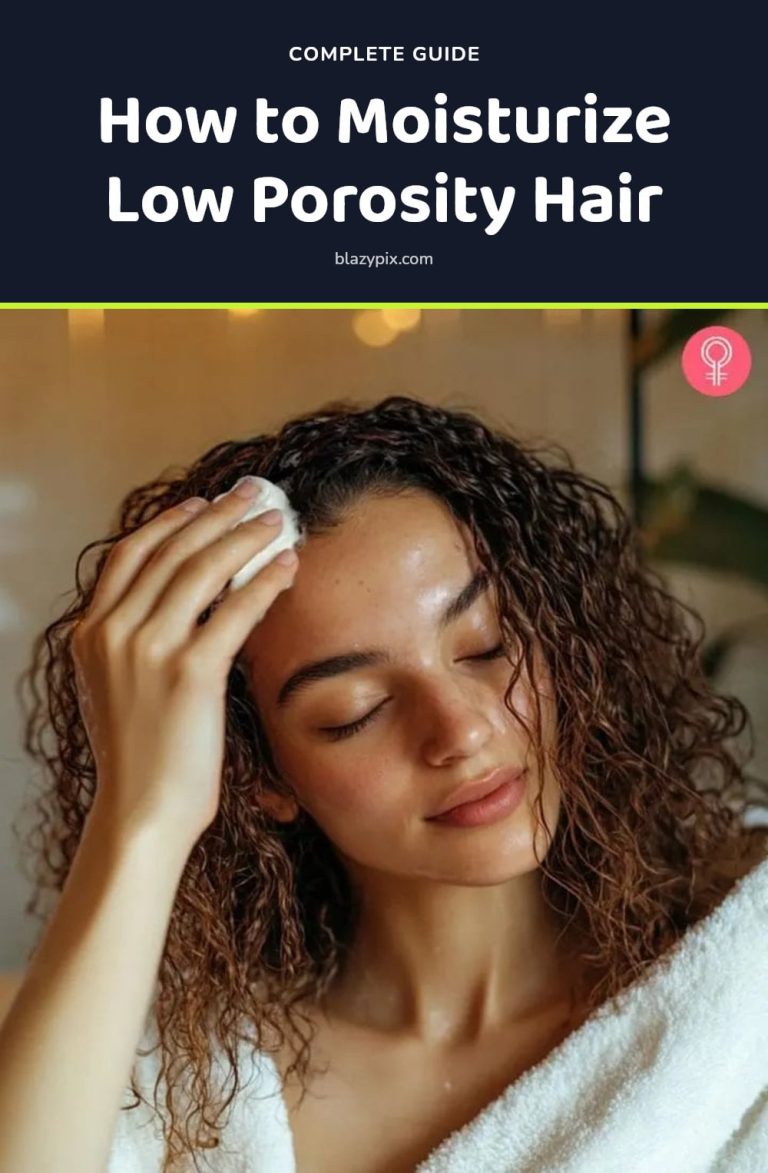
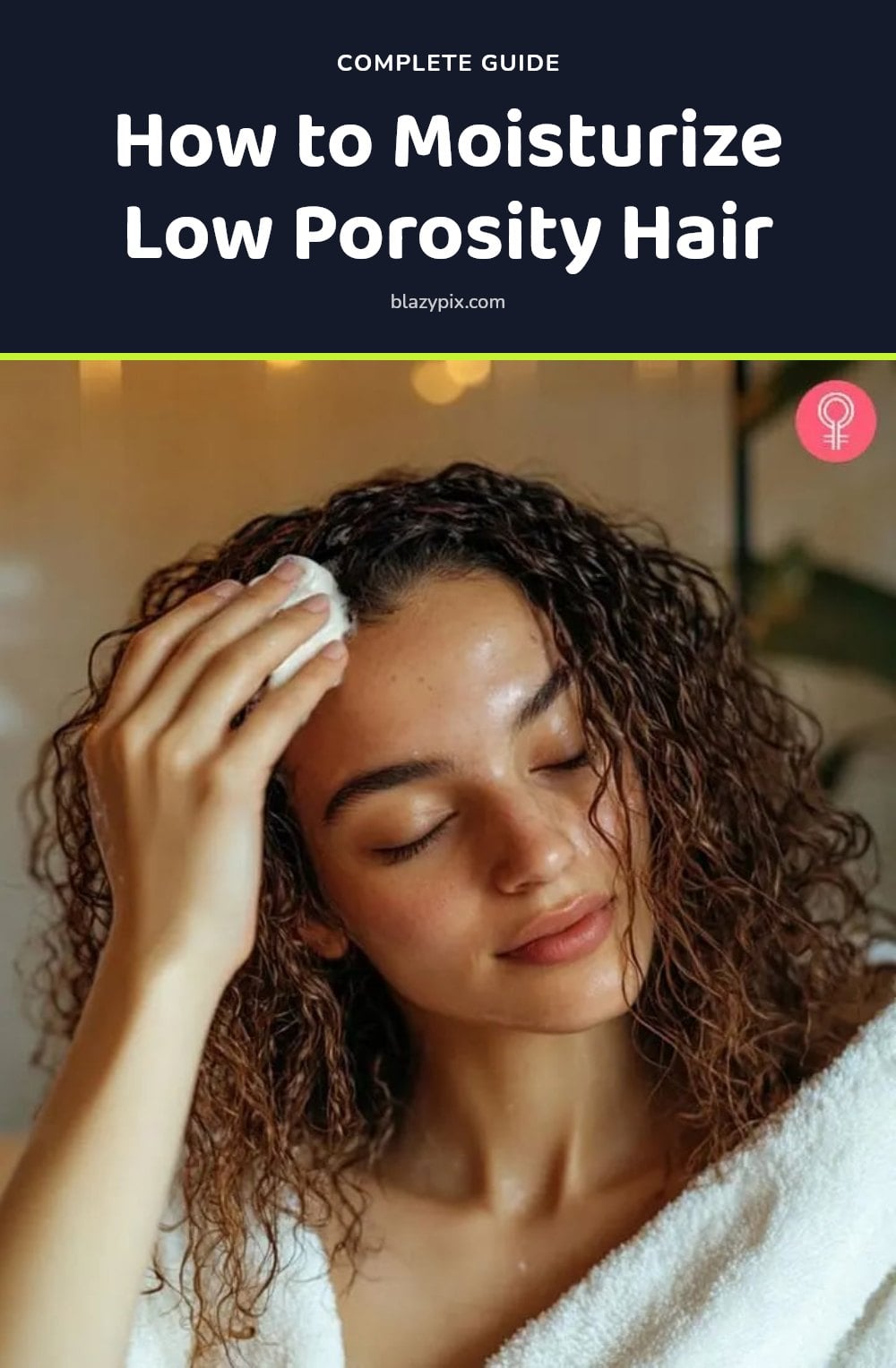
How to Moisturize Low Porosity Hair: What Actually Works
Struggling with dry, product-coated low porosity hair? Learn effective techniques and product choices to truly hydrate and retain moisture.

If your hair feels dry and stiff even after loading it with conditioner, you might be dealing with low porosity hair. The cuticle layer is so tightly shut that moisture has a hard time getting in, but once it does, it stays put. This article walks you through a proven routine for getting hydration to actually penetrate, using warm water, heat, and the right lightweight products.
Key Takeaways
- Use warm water and gentle heat to open the cuticle before applying products.
- Stick with lightweight, water-based leave-ins and oils like argan or jojoba.
- Clarify regularly with a detox shampoo to prevent product buildup.
- Apply products to damp or wet hair for better absorption.
- Seal moisture with a light oil after hydrating, using the LCO method.
The Secret to Hydrating Low Porosity Hair
Low porosity hair has tightly packed cuticles that resist letting moisture in, but once water gets inside, it stays. That means the real challenge is absorption, not retention. My tip: use warm water and gentle heat to lift those cuticles just enough for lightweight, water-based products to slip through. Skip heavy butters and thick creams, which only sit on the surface and lead to buildup. Consistent, gentle care with the right products is what keeps low porosity hair hydrated long-term.
Your Essential Toolkit for Low Porosity Hair
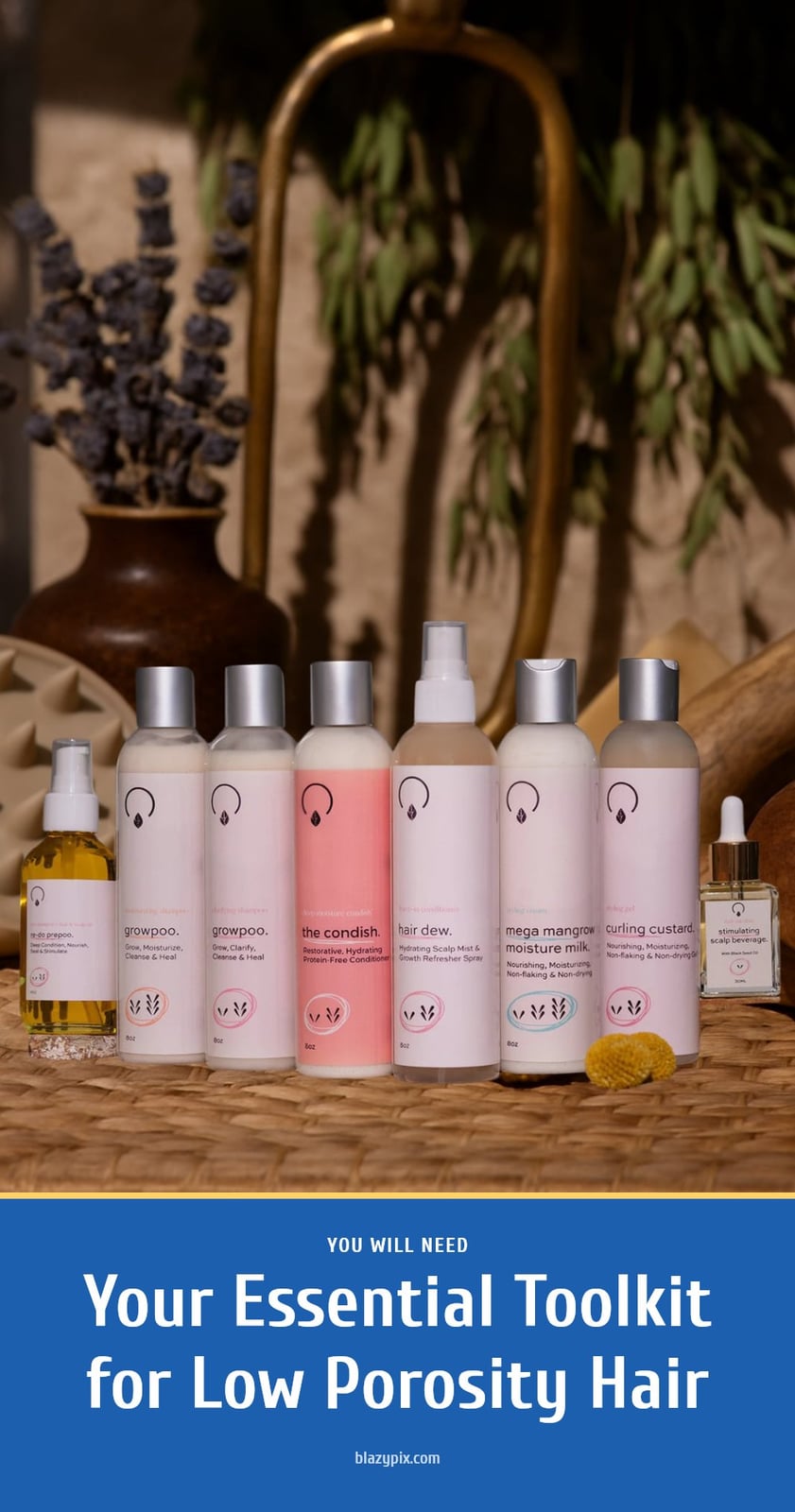
Stock your shelf with products that work with your hair, not against it. Here is what you need:
- Lightweight leave-in conditioner and water-based moisturizer: These absorb easily instead of sitting on top of the cuticle.
- Lightweight hair oils: Argan, jojoba, or grapeseed oil seal moisture without causing buildup.
- Detox shampoo: It removes product buildup more gently than a harsh clarifying shampoo.
- Heat tools: A steamer, warm towel, or hooded dryer helps products penetrate during deep conditioning.
Focus on product types, not brand names, and you will build a routine that actually hydrates.
Step-by-Step Routine for Deeply Hydrated Low Porosity Hair
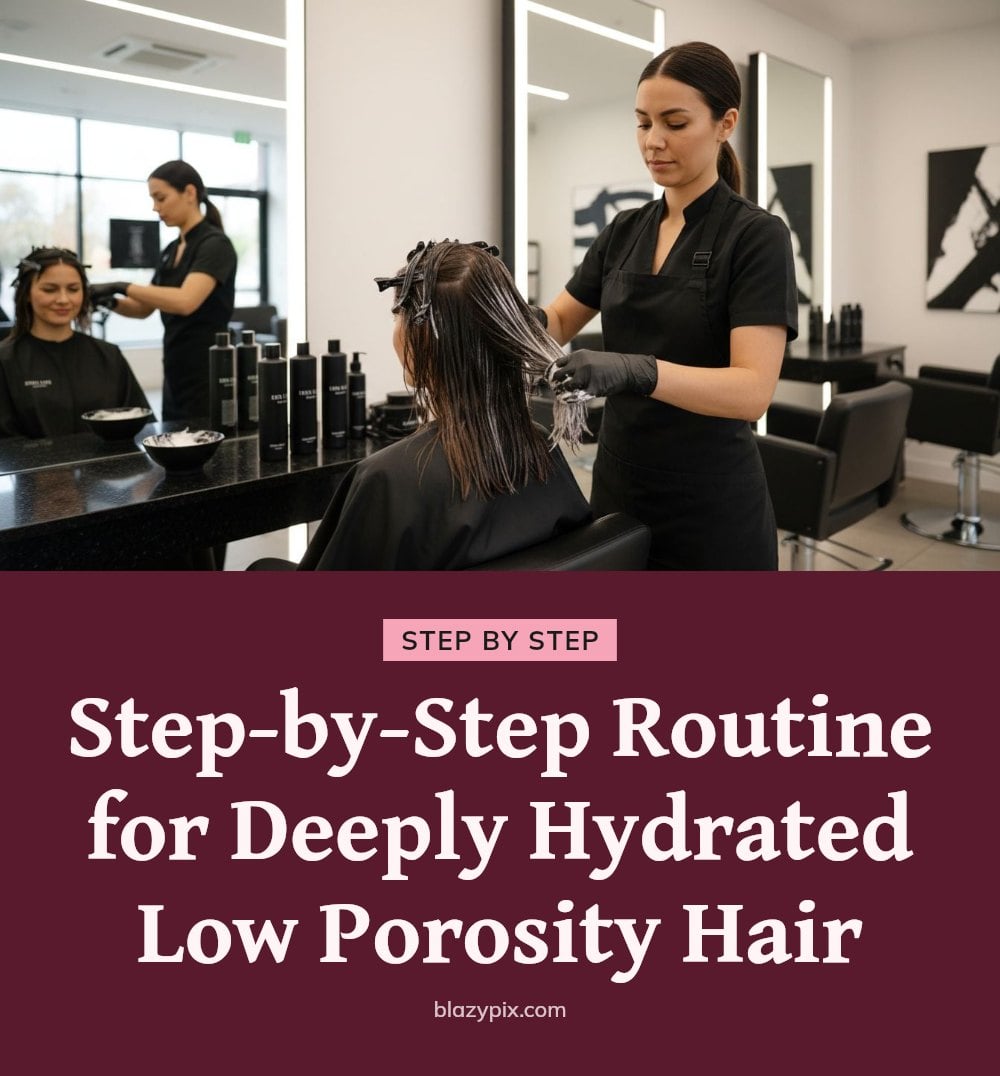
- Dampen your hair: Before you step in the shower, spray your hair and scalp with warm water. Use a squeezing motion to help the water work in and encourage the cuticles to open.
- Apply oils: Work your preferred oil through your hair, concentrating on the ends. They are the oldest and driest. Massage rosemary oil into your scalp for 3 to 5 minutes to stimulate blood flow.
- Heat and wait: Warm the oils before applying (set the bottle in a bowl of hot water) so they penetrate better. Let the oil sit for at least 45 minutes; 15 minutes if you are short on time.
- Let water run: In the shower, let warm water flow through your hair for a few minutes while you gently squeeze it. This ensures the first layer of hair is fully saturated before you shampoo.
- Shampoo twice: First with a detox shampoo, focusing on your scalp and edges, let the rinse clean the rest of your hair. Then follow with a moisturizing shampoo to add hydration back.
- Apply a deep conditioner or mask: Use a thick, water-based formula. Massage it into your entire hair, including your scalp, then apply heat, a warm towel over a shower cap works well, to help it absorb.
- Rinse upside down: Tilt your head down so product runs off your hair, not down your body. A handheld shower attachment makes this easier and prevents re-contaminating clean skin.
- Condition and detangle: Apply your regular conditioner, then detangle your hair in sections (try four). Add more conditioner if you need extra slip.
- Rinse and style: Rinse out the conditioner. For a wash-and-go, apply a leave-in conditioner to each section, raking it through with your fingers to separate curls. Follow the LCO method: leave-in, then cream, then oil. Mist with cold water to seal the cuticles, then gently squeeze out excess.
Prefer to watch? Angelique walks through the whole method in this 17-minute video. The how-to part starts at 0:41.
Pro Tips for Maximizing Moisture Absorption
These small adjustments make a big difference in how well your low porosity hair drinks up moisture:
- Warm water is your best friend: It helps open tight cuticles so products can get in. Use it for dampening, washing, and rinsing.
- Massage your scalp: While applying oils, take 3 to 5 minutes to massage. It boosts blood flow, which supports healthy hair growth.
- Focus oils on ends: Your ends are the oldest and driest part of your hair, so they need the most sealing.
- Warm your products: Set your oil or hair mask in a bowl of hot water before applying. The warmth helps the cuticle lift and lets ingredients penetrate faster.
- Let water run longer: Give your hair extra time under warm water before shampooing so it truly saturates the first layer.
- Choose detox shampoo: It removes buildup without stripping your hair the way a clarifying shampoo can. Use it for your first wash.
Common Mistakes When Caring for Low Porosity Hair
Not letting warm water penetrate: If you skip the pre-wash dampening step, your cuticles stay closed and products cannot get in. Warm water is the key that unlocks absorption.
Overshampooing your ends: Your ends are the oldest and driest part of your hair. Focus shampoo on your scalp and let the rinse clean the rest to avoid stripping moisture.
Confusing oil with water for moisture: Oil seals in hydration, but it does not add moisture. Water and water-based products are what actually hydrate your strands.
Rinsing with your head upright: This lets product run down your body and can re-contaminate clean skin. Tilt your head down or use a handheld shower attachment.
Overdoing clarifying shampoos: They can be harsh and drying if used too often. A detox shampoo is usually gentler and more nourishing for regular buildup removal.
Applying products to dry hair: Low porosity hair needs to be damp for effective absorption. Always start with wet or damp hair to help products penetrate.
How Long Until You See Results and How Often to Repeat
Stick with a consistent routine and you should see noticeable improvement in moisture and less dryness within a few weeks. A full wash day, pre-poo, shampoo, deep condition, and style, works best once a week or every two weeks, depending on how your hair feels. Cost ranges from budget drugstore buys to premium salon lines, so focus on product types (lightweight, water-based) rather than price tags.
Frequently Asked Questions
How do I know if I have low porosity hair?
The most reliable way is to ask a professional stylist. A common at-home test is the float test, where you place a clean strand of hair in a glass of water and see if it floats or sinks, but this is not always accurate. Low porosity hair typically feels smooth, resists absorbing water, and takes a long time to dry.
Can I use protein treatments on low porosity hair?
Yes, but sparingly. Low porosity hair already has strong bonds, so too much protein can make it stiff and prone to breakage. If you use a protein treatment, choose a lightweight one and follow it with a moisturizing deep conditioner to keep the hair balanced.
How often should I clarify low porosity hair?
Clarify every one to two weeks, depending on how much product buildup you notice. A detox shampoo is preferred over a clarifying shampoo because it is gentler and less drying. If your hair feels coated or looks dull, it is time to clarify.
What is the LCO method for low porosity hair?
LCO stands for Leave-in, Cream, Oil. After washing, apply a lightweight leave-in conditioner first, then a cream to add moisture, and finally a light oil to seal it all in. This order helps each layer absorb without sitting on top of the cuticle.
Final Thoughts
For low porosity hair, the key is to focus on getting moisture in, not trapping it. Stick with lightweight, water-based products and always use warm water or heat during your wash day. You should see a real difference in softness and hydration within a few weeks of following this routine once a week or every two weeks. That is all it takes to turn dry, coated hair into healthy, bouncy curls.