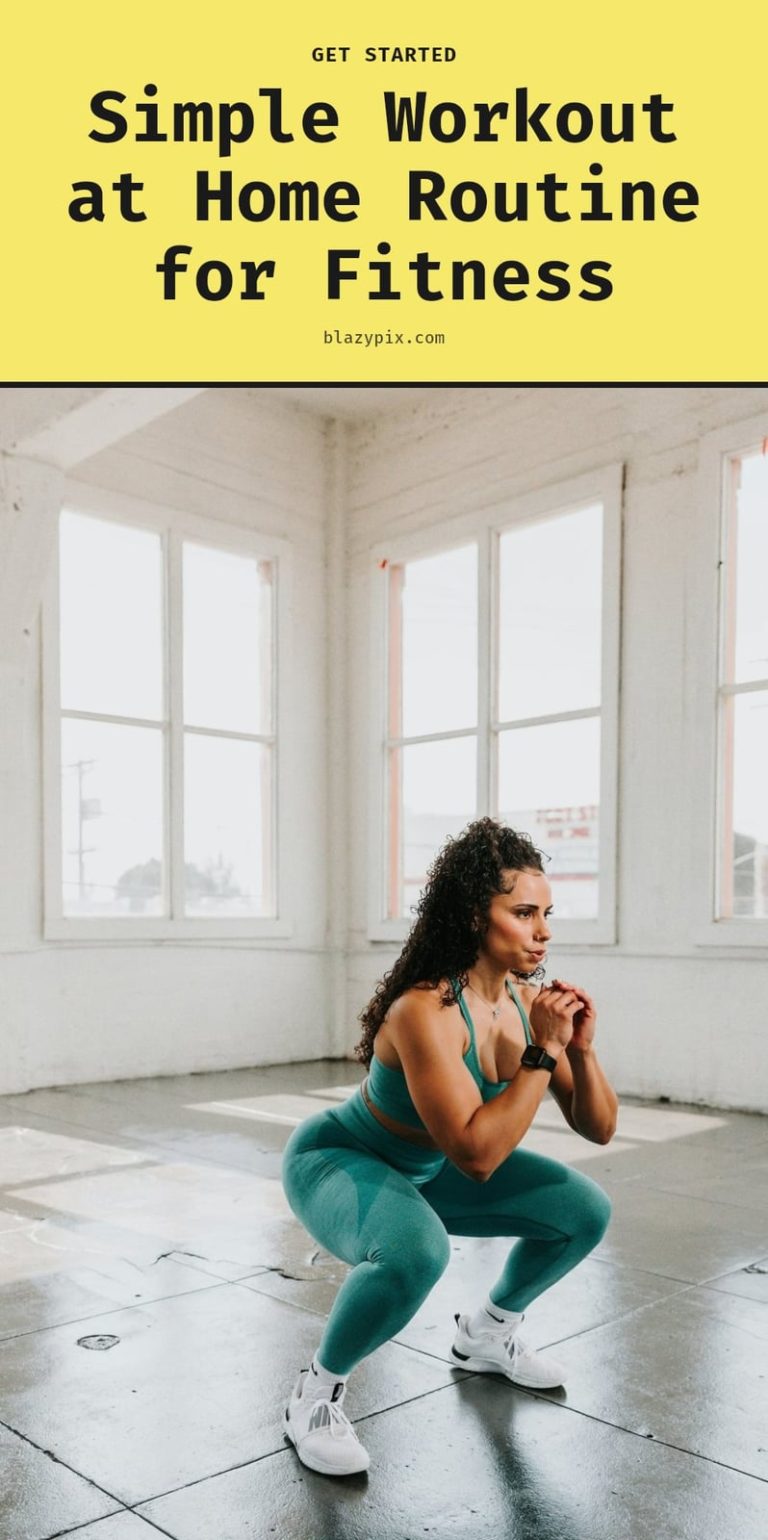
Easy Workout at Home Routine: Your Guide to Fitness
Discover an easy workout at home routine that builds strength and boosts fitness. Get practical tips, a weekly plan, and avoid common mistakes.

You don’t need a gym or fancy equipment to get a great workout. Whether you’re short on time, space, or just prefer the comfort of your own home, building a consistent fitness routine is totally doable. This guide walks you through a simple, effective home workout plan that uses bodyweight exercises, plus tips on warming up, cooling down, and avoiding common mistakes so you can stay safe and see real progress.
I’ve put together a weekly schedule that balances strength, cardio, and rest, and it’s designed to be flexible enough to fit into your life. My tip: start where you are, focus on form over speed, and give yourself permission to modify any exercise. Consistency really is the secret.
Key Takeaways
- Aim for at least 150 minutes of moderate or 75 minutes of vigorous aerobic activity per week, as recommended by the American Heart Association.
- Always start with a 5-10 minute warm-up and end with a 5-10 minute cool-down to prevent injury and aid recovery.
- Focus on proper form for every exercise; doing fewer reps correctly is better than doing more with poor technique.
- Incorporate a mix of strength, cardio, and flexibility exercises each week for balanced fitness.
- Listen to your body and take rest days; avoid pushing through sharp pain to prevent overtraining.
1. Warm-Up: Arm Circles

Start with your feet shoulder-width apart and arms extended straight out to your sides at shoulder height. Make small forward circles for 30 seconds, then reverse the direction for another 30 seconds. Keep the movement controlled and gradually increase the circle size as your shoulders warm up.
- Time: 1 minute total (30 seconds each direction)
- Form cue: Keep your shoulders down and away from your ears.
- Make it easier or harder: Reduce circle size for less intensity; use larger circles or add light hand weights for more.
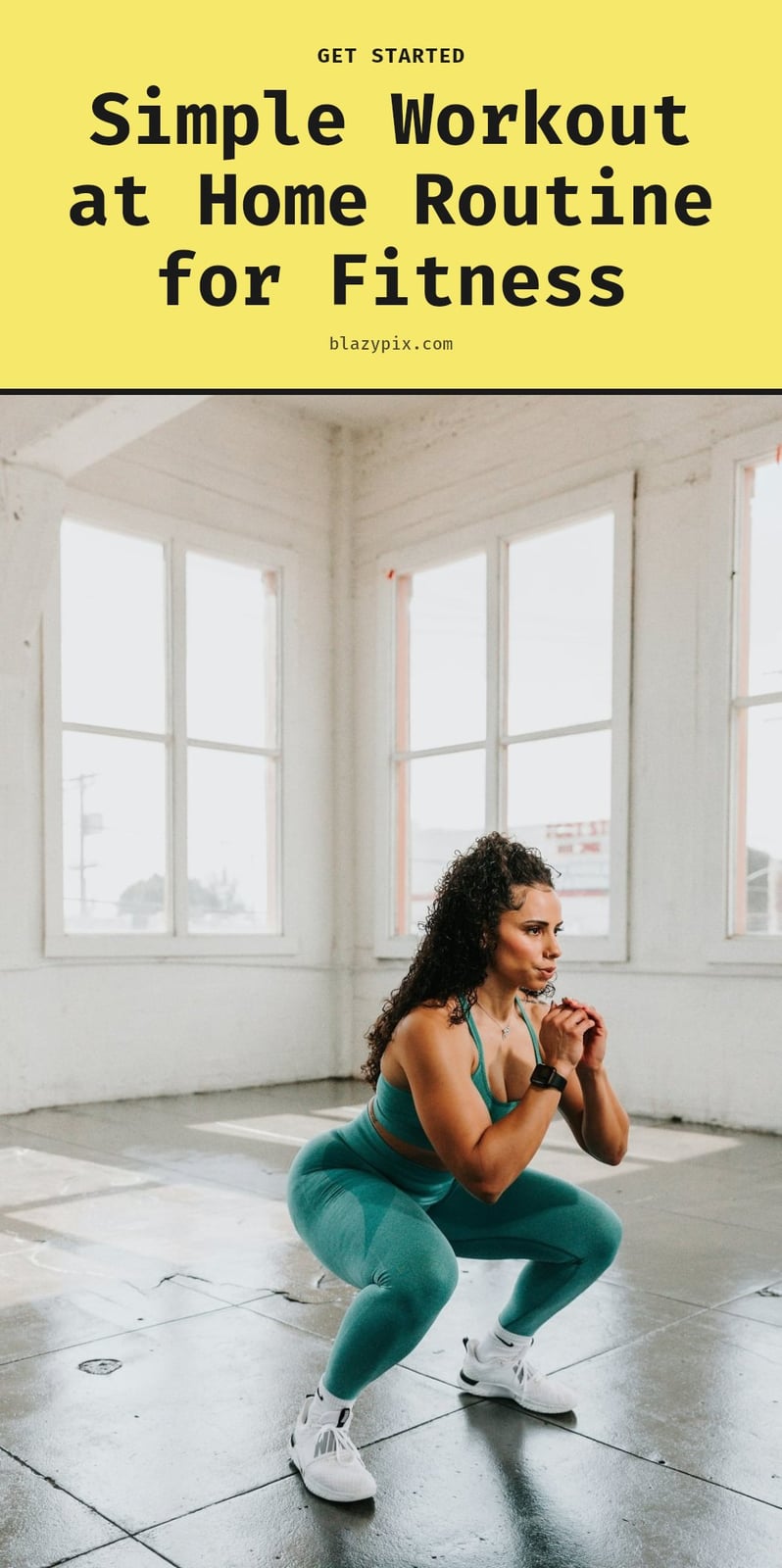
2. Bodyweight Squats

Stand with feet shoulder-width apart, toes pointing slightly out. Keep your chest up and core engaged as you lower your hips as if sitting into a chair, aiming for thighs parallel to the floor. Keep your knees tracking over your toes, then push through your heels to stand back up.
- Sets and reps: 3 sets of 10-15 repetitions
- Form cue: Keep your weight in your heels and your knees in line with your toes.
- Make it easier or harder: Hold a chair for support; add resistance bands or a jump for a challenge.
My tip: Focus on pushing through your heels as you stand back up to engage your glutes more.
3. Push-Ups (Modified or Full)

Start in a plank position with hands slightly wider than shoulder-width. For a modified version, drop to your knees. Lower your chest toward the floor, keeping your body in a straight line from head to knees or heels, then push back up to the starting position.
- Sets and reps: 3 sets of 8-12 repetitions
- Form cue: Keep your core tight and your body in one straight line.
- Make it easier or harder: Use a wall or bench for incline; elevate your feet for more difficulty.
My tip: Engage your core throughout the movement to protect your lower back.
4. Walking Lunges
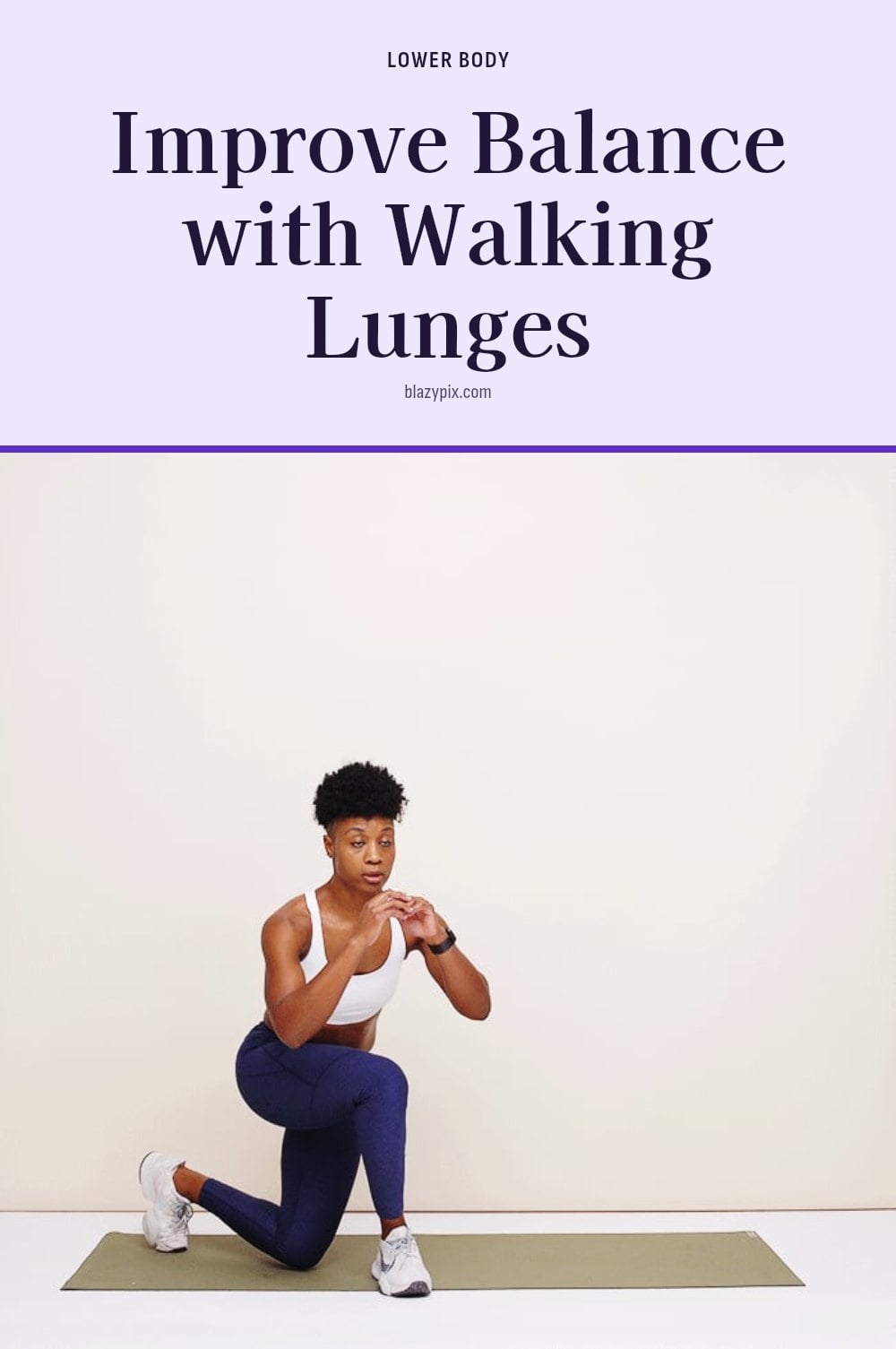
Step forward with one leg, lowering your hips until both knees are bent at about a 90-degree angle. Your front knee should be directly above your ankle, and your back knee should hover just above the floor. Push off your back foot to bring it forward, stepping into the next lunge.
- Sets and reps: 3 sets of 10-12 lunges per leg
- Form cue: Keep your torso upright and your front knee from caving inward.
- Make it easier or harder: Hold onto a wall for balance; add a knee lift or hold dumbbells for more challenge.
5. Plank
Start in a push-up position, then lower onto your forearms. Keep your body in a straight line from head to heels. Engage your core, glutes, and quads, and avoid letting your hips sag or rise too high.
- Time: Hold for 30-60 seconds, 3 sets
- Form cue: Imagine pulling your belly button toward your spine to maximize core engagement
- Make it easier or harder: Drop to your knees for less intensity, or lift one leg off the floor for more challenge
6. Glute Bridges
Lie on your back with knees bent, feet flat on the floor hip-width apart, and arms by your sides. Engage your glutes and lift your hips until your body forms a straight line from shoulders to knees. Hold for a second at the top, then slowly lower back down.
- Sets and reps: 3 sets of 12-15 repetitions
- Form cue: Squeeze your glutes at the top and keep your core tight throughout
- Make it easier or harder: Perform with both feet on the floor, or lift one leg for a single-leg bridge
7. Jumping Jacks
Start with feet together and arms at your sides. Jump, spreading your feet wide and bringing your arms overhead, clapping them if possible. Jump back to the starting position and repeat.
- Time: 60 seconds, 3 sets
- Form cue: Land softly on the balls of your feet with knees slightly bent to absorb impact
- Make it easier or harder: Step one leg out at a time while raising arms for a lower-impact option, or increase speed for more intensity
8. Cool-Down: Hamstring Stretch
Lie on your back, extend one leg straight, and loop a towel or resistance band around the sole of the other foot. Gently pull the leg toward you, keeping it straight, until you feel a stretch in your hamstring. Hold, then switch legs.
- Time: Hold for 20-30 seconds per leg, repeating 2-3 times
- Form cue: Breathe deeply and relax into the stretch, don’t bounce
- Make it easier or harder: Bend the knee slightly if the stretch is too intense, or pull the leg closer for a deeper stretch
Your Weekly Home Workout Plan
This plan gives you a balanced mix of strength, cardio, and rest. Adjust the days to fit your schedule, but aim for consistency. Each workout uses the exercises above in the order they appear.
| Day | Focus | Workout |
|---|---|---|
| Monday | Full body | Squats, push-ups, plank, glute bridges |
| Tuesday | Cardio + legs | Jumping jacks, walking lunges, glute bridges |
| Wednesday | Rest or light stretch | Hamstring stretch, arm circles |
| Thursday | Upper body + core | Push-ups, plank, glute bridges |
| Friday | Lower body | Squats, walking lunges, glute bridges |
| Saturday | Full body | All exercises in order |
| Sunday | Rest | Active recovery or complete rest |
Tip: Perform 3 sets of each exercise with 30-60 seconds rest between sets. Repeat the circuit 1-2 times depending on your energy level.
Common Home Workout Mistakes to Avoid
Skipping Warm-Up and Cool-Down: Always dedicate 5-10 minutes to prepare your body and 5-10 minutes to stretch afterward. This prevents injury and aids recovery.
Sacrificing Form for Speed: Focus on proper technique for every exercise. It is better to do fewer repetitions with good form than many with poor form, which can lead to injury.
Doing the Same Routine Every Day: Your body adapts quickly. Vary your exercises, increase repetitions, or add resistance (like bands) to keep challenging yourself and prevent plateaus.
Ignoring Pain Signals: Listen to your body. Sharp pain means stop. Modify the exercise or take a rest day. There is a difference between muscle fatigue and injury pain.
Not Staying Hydrated: Drink water before, during, and after your workout. Hydration is crucial for performance and recovery.
Frequently Asked Questions
How long should a home workout be?
Aim for 20-45 minutes per session, including your warm-up and cool-down. If you’re just starting, 20-30 minutes is plenty. The key is consistency, not duration, so choose a length you can stick with most days of the week.
Can I build muscle with just bodyweight exercises?
Yes, you absolutely can build strength and muscle with bodyweight exercises, especially as a beginner. To keep progressing, focus on increasing the difficulty over time, for example, by doing more reps, slowing down your movements, or adding variations like single-leg squats or pike push-ups.
What if I don’t have much space to work out?
You only need enough room to lie down and extend your arms and legs fully. A small corner in your living room or bedroom is fine. Clear any tripping hazards, and you’re good to go. Many bodyweight exercises, like squats, lunges, and planks, require very little space.
How often should I change my home workout routine?
Consider switching up your routine every 4-6 weeks to keep challenging your muscles and avoid a plateau. You can change the exercises, increase reps or sets, or try new movement patterns. Listening to your body is key, if you’re no longer feeling challenged, it’s time for a change.
Is it okay to work out every day at home?
It’s generally not recommended to do intense strength training every day because your muscles need rest days to recover and grow. A good approach is to work out 3-5 days per week, with at least one full rest day. On rest days, you can do light stretching or a gentle walk.
Final Thoughts
Stick with this routine for 4-6 weeks, and you’ll likely notice improvements in strength and endurance. Don’t worry about being perfect, just show up consistently, even if it’s just three times a week. Your body will thank you for the movement, and you’ll build a habit that lasts. Start your next workout feeling strong and capable.
This article provides general fitness information and is not a substitute for professional medical advice. Before starting any new exercise program, especially if you have underlying health conditions, please consult a healthcare provider or a certified fitness professional. Stop immediately if you experience pain, dizziness, or discomfort, and seek medical attention when needed.