How to Use Shea Butter for Glowing Skin and Healthy Hair
Learn how to effectively use shea butter for deep hydration and nourishment. Discover its benefits for skin and hair, and avoid common mistakes.

If your skin or hair feels dry no matter what you apply, shea butter might be the simple fix you’ve been missing. This natural fat from the African shea tree is packed with vitamins A, E, and F, plus fatty acids that hydrate deeply without clogging pores. In this article, I’ll walk you through how to choose it, apply it, and use it for glowing skin and healthy hair, plus what to avoid so you get the best results.
Key Takeaways
- Choose unrefined shea butter to get the most vitamins and fatty acids.
- Warm a pea-sized amount between your palms before applying to help it spread.
- Apply to damp skin after showering for better absorption and less greasiness.
- Use it as an overnight hair mask for deep conditioning, then shampoo out.
- Store shea butter in a cool, dark place to keep its texture and extend its shelf life.
What is Shea Butter and Why Use It?
Shea butter is a natural fat extracted from the nuts of the African shea tree, and it’s one of the most versatile moisturizers you can keep on hand. It’s packed with vitamins A, E, and F, plus essential fatty acids that deeply hydrate skin and hair, soothe irritation, and can improve elasticity over time. My tip: always choose unrefined shea butter. The refining process strips away many of the nutrients that make it so effective, so raw, unrefined is the way to go for real results.
Essential Tools for Using Shea Butter

You don’t need much to get started with shea butter, but the quality of what you use matters. Here’s what you’ll want on hand:
- Unrefined shea butter: This is the purest form and retains all the natural vitamins and fatty acids. Skip the refined versions.
- Clean hands or applicator: Always apply with clean hands or a small spatula to avoid introducing bacteria into the container.
- Airtight container: Store your shea butter in a sealed container in a cool, dark place to keep it fresh and prevent it from turning grainy.
Step-by-Step Guide to Applying Shea Butter
Applying shea butter correctly makes all the difference. Follow these steps for skin and hair:
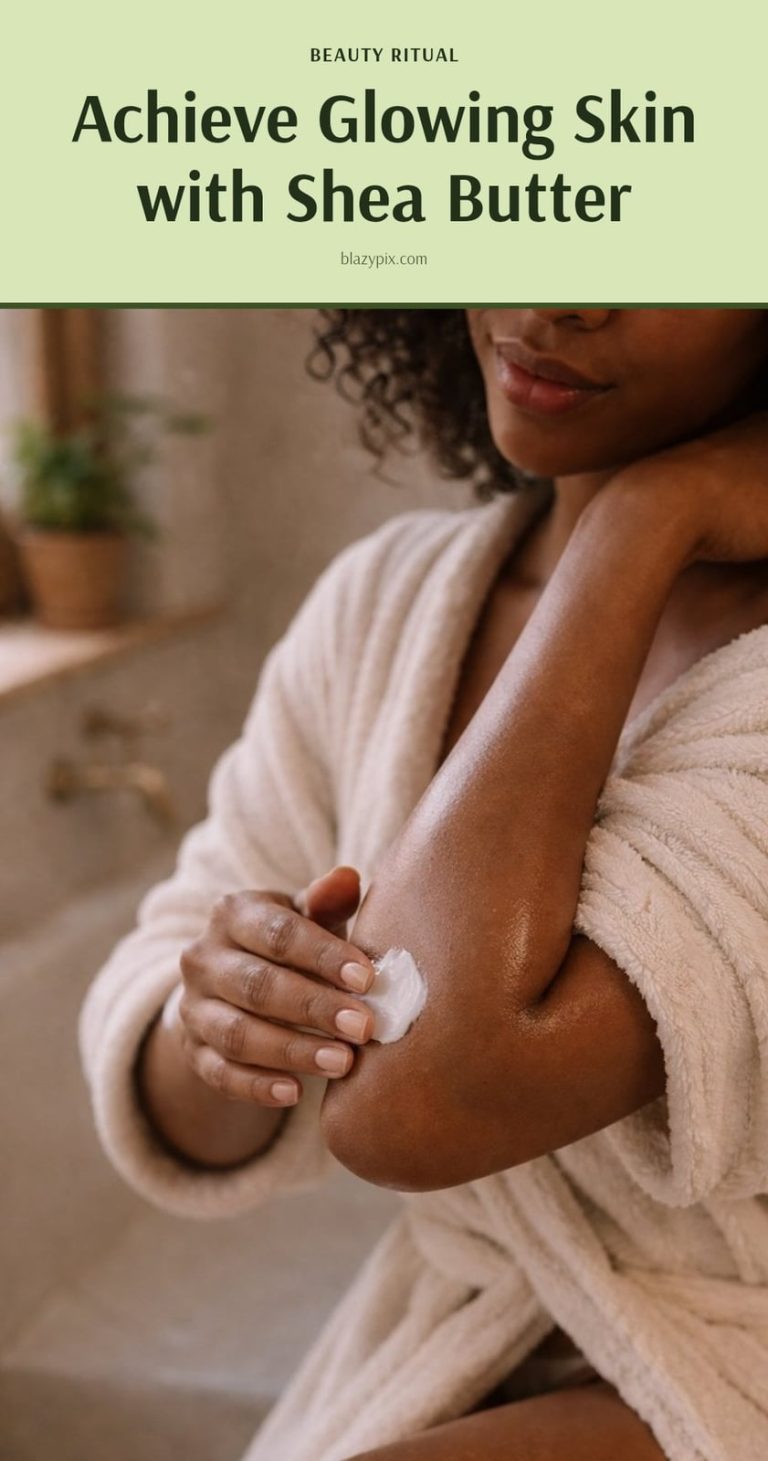
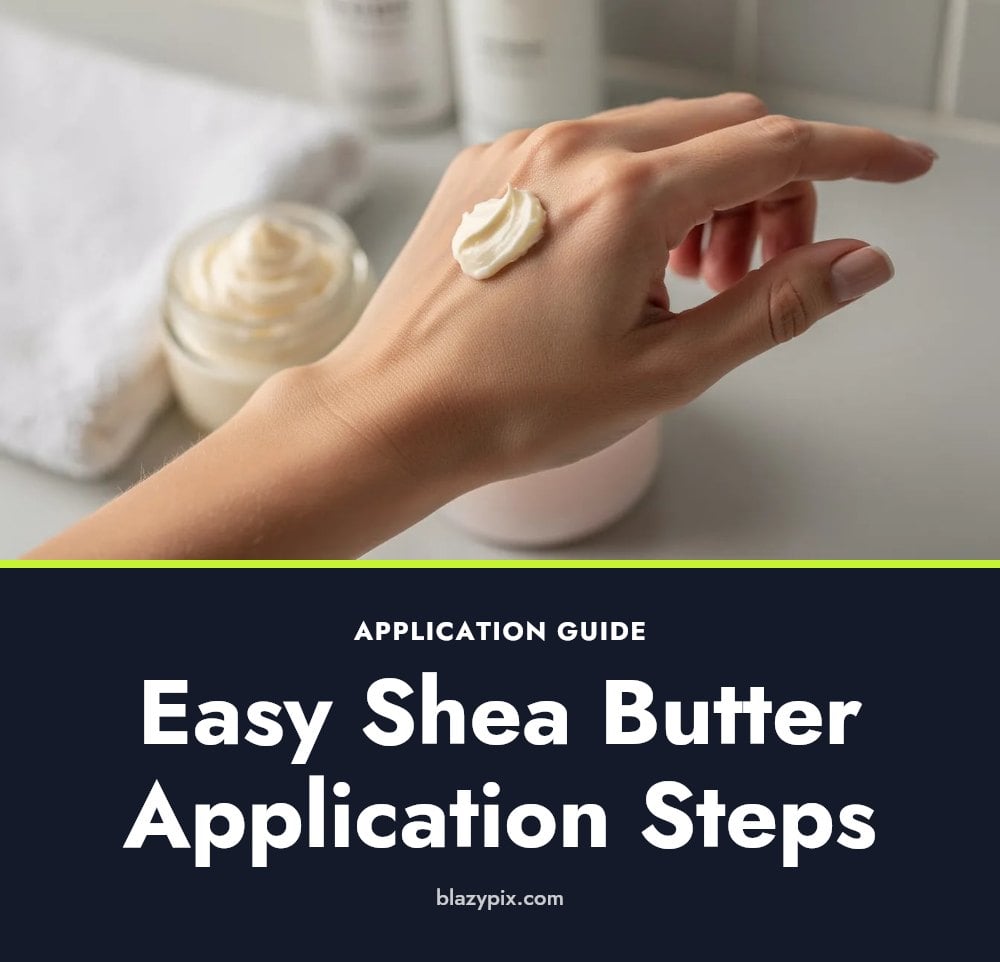
- Warm a small amount: Scoop out a pea-sized amount for your face or a teaspoon for your body, and rub it between your palms for a few seconds. The butter melts at body temperature, so this makes it spreadable.
- Apply to clean, damp skin: For the best absorption, apply right after a shower when your skin is still slightly damp. Massage gently in circular motions until fully absorbed. A little goes a long way, so start small and add more if needed.
- Use a small amount for hair: For hair, the amount depends on length and treatment. For daily moisture on short hair, use a rice-grain size; for medium-length hair, a pea-sized amount; for long or thick hair, up to a teaspoon. Focus on the ends and, if your scalp is dry, massage a tiny bit into the scalp. Avoid the roots if you have fine hair.
- Repeat regularly: Use daily for skin moisture, and 1-2 times a week as a hair mask for best results. Consistency is what delivers long-term benefits like improved elasticity and softer hair.
Different Ways to Incorporate Shea Butter into Your Routine
Shea butter is incredibly versatile. Here are my go-to ways to use it:
Daily moisturizer for body
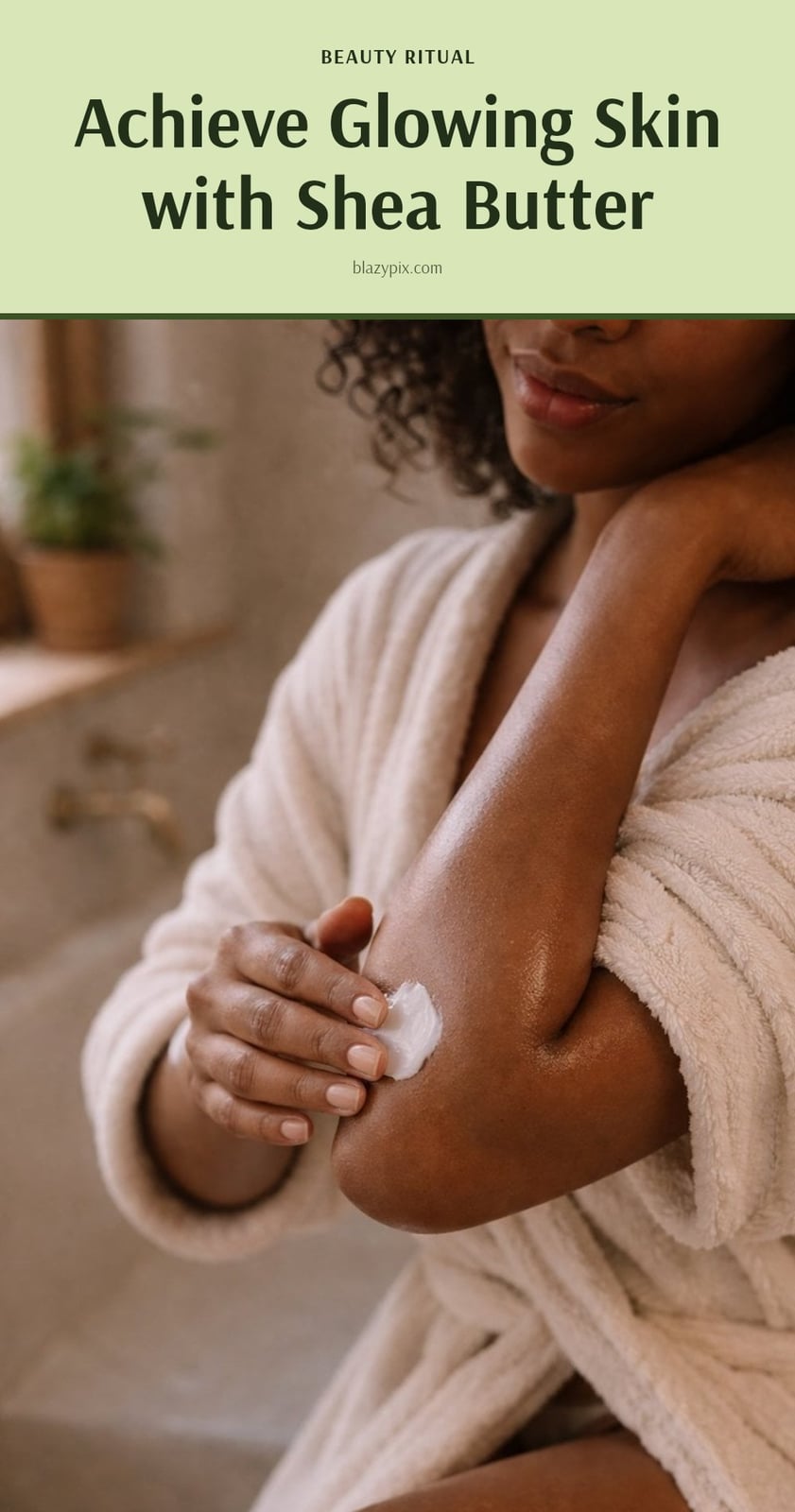
Apply a small amount all over your body right after showering, while your skin is still damp. It locks in moisture without feeling heavy if you use just enough. My tip: warm it between your palms for 5 seconds so it spreads evenly.
Overnight hair mask
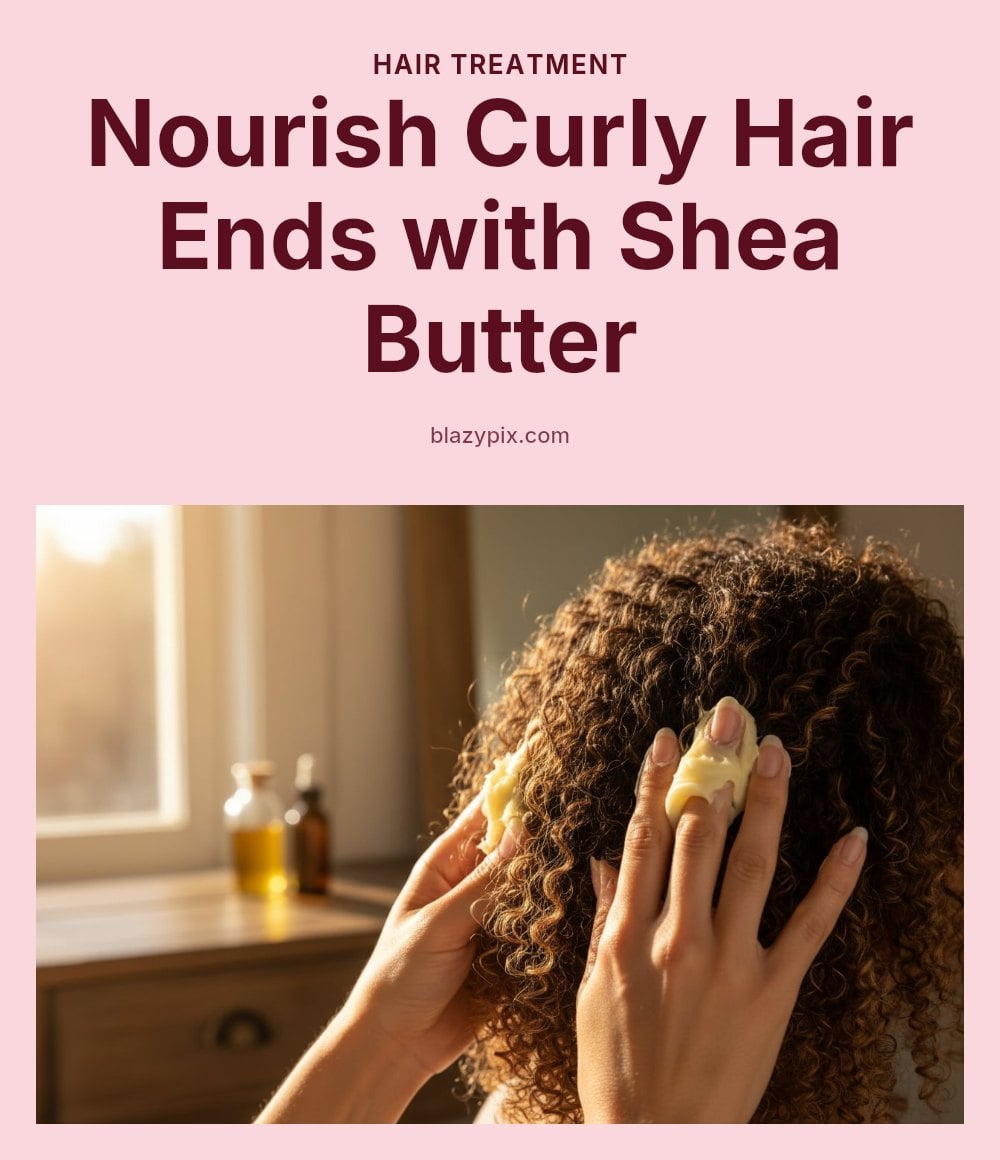
Warm a pea-sized amount for short hair, or up to a nickel-sized amount for medium-length hair, and work it through dry or damp hair, focusing on the ends. Wrap your hair in a shower cap or silk scarf and wash it out in the morning. This is a deeper treatment than your daily routine, so a slightly larger amount is fine, but avoid overdoing it to prevent greasiness. Your hair will feel softer and less frizzy.
Lip balm
Dab a tiny bit, just the size of a pinhead, onto chapped lips. It melts on contact and heals dryness quickly. Tip: carry a small tin in your bag for touch-ups throughout the day.
Cuticle cream
Massage a small amount into each cuticle before bed. It softens the skin and prevents hangnails. Good to know: focus on the base of the nail, not the tip, to avoid buildup.
Post-shave soother
After shaving, apply a thin layer to calm irritation and redness. It works especially well on legs and underarms. Pro move: use it right after patting skin dry, not while it’s soaking wet, so it absorbs properly.
Common Mistakes When Using Shea Butter and How to Avoid Them
Most shea butter complaints come down to technique, not the butter itself. Here’s what to fix:
- Using too much: A little goes a long way. Start with a pea-sized scoop and add more only if skin still feels tight, because excess butter sits on top and feels greasy.
- Expecting instant results: Hydration shows up right away, but elasticity and hair condition need consistency. Judge results after several weeks, not one application.
- Choosing refined over unrefined: Refined versions lose much of their vitamin content. Prioritize unrefined for nutrients.
- Not warming it first: Cold butter drags and pills. Rub it between your palms until it turns to oil.
- Using it as sole sun protection: It is not a substitute for SPF. Layer a dedicated sunscreen over it.
- Improper storage: Keep it cool and dark, in an airtight container, so it stays smooth instead of turning grainy.
What to Expect: Timeline for Results and Cost Considerations
Hydration is visible right after application, so you’ll know within minutes whether your skin likes it. Improvements in skin elasticity and hair health take several weeks of consistent use, so give it a month before judging.
For frequency, apply shea butter daily to skin and use hair masks 1-2 times a week. Use a slightly larger amount (about a teaspoon for medium-length hair) specifically for deep conditioning masks, but keep quantity modest for regular leave-in applications to avoid buildup weighing strands down.
Unrefined shea butter is generally affordable, especially in larger quantities from natural suppliers. Buying a bigger tub usually costs less per ounce than small jars.
When to Consult a Professional About Skin or Hair Concerns
Shea butter handles dryness and mild irritation well, but some situations need a doctor rather than another layer of butter.
- Persistent irritation: If redness, itching, or a rash continues after you stop using it, get it checked.
- Severe skin conditions: For eczema, psoriasis, or deep wounds, see a dermatologist before applying anything on top.
- Severe hair damage: For extreme breakage or hair loss, see a trichologist or dermatologist.
- Allergic reactions: Though rare, seek medical advice for any severe reaction, and rinse eyes with water if butter gets in.
Frequently Asked Questions
Is shea butter good for acne-prone skin?
Yes, shea butter is non-comedogenic, meaning it is unlikely to clog pores, so it can be safe for acne-prone skin. Its anti-inflammatory properties may also help soothe irritated skin. That said, everyone’s skin is different, so do a patch test on a small area first, and if you notice breakouts, stop use.
Can I use shea butter on my face every day?
You can use shea butter on your face daily, but start with a very small amount, about half a pea size, to avoid a greasy feel. Apply it to damp skin after cleansing for best absorption. If your skin feels heavy or breaks out, reduce frequency to every other day or just at night.
How long does shea butter last?
Unrefined shea butter typically lasts 1 to 2 years when stored in a cool, dark place in an airtight container. Over time, it may develop a grainy texture, but that doesn’t mean it’s spoiled. If it smells rancid or changes color significantly, it’s time to replace it.
Does shea butter really help with stretch marks?
Shea butter can help improve skin elasticity, which may reduce the appearance of stretch marks over time with consistent use. It won’t erase them completely, but regular daily application can make skin feel softer and look more even. Results take several weeks or months, so patience is key.
What’s the difference between refined and unrefined shea butter?
Unrefined shea butter is minimally processed, so it retains its natural vitamins, minerals, and fatty acids. Refined shea butter goes through chemical processing that strips away many of these beneficial compounds. For the best skin and hair benefits, always choose unrefined, raw shea butter.
Final Thoughts
My advice: Start with unrefined shea butter and a pea-sized amount on damp skin right after a shower. You’ll notice immediate hydration, and with daily use, improvements in skin elasticity or hair health can appear within several weeks. Give it a month of consistent application before deciding if it works for you.
This article provides general information about shea butter for skin and hair care. It is not a substitute for professional medical advice. If you have a persistent skin condition, irritation, or a known allergy to tree nuts, consult a dermatologist or healthcare provider before use.