
Your Beginner’s Guide to a Soothing Sensitive Skin Routine
Discover a simple, effective sensitive skin routine to reduce irritation, redness, and discomfort. Learn which products to use and what to avoid.

If your skin often feels red, stings, or gets dry after using certain products, you’re not alone. Sensitive skin is a common condition, and while it’s not a medical diagnosis, it can be managed with the right approach. This guide covers the core steps to build a soothing routine, from choosing gentle products to avoiding common triggers, so you can calm your skin and keep it comfortable.

Key Takeaways
- Use a fragrance-free, pH-balanced cleanser and lukewarm water to avoid stripping your skin.
- Moisturize immediately after cleansing, while your skin is still damp, to lock in hydration.
- Patch test every new product on your inner forearm for 24-48 hours before full use.
- Choose mineral sunscreen with zinc oxide or titanium dioxide for gentler protection.
- Keep your routine simple with fewer products; too many active ingredients can worsen sensitivity.
What is Sensitive Skin and How to Care for It?
Sensitive skin is a descriptor, not a medical diagnosis, for skin that reacts easily to stimuli. You might notice redness, stinging, itching, or dryness after using certain products or being in harsh weather. Caring for sensitive skin means building a gentle, consistent routine with mild, fragrance-free products that support your skin barrier and reduce reactivity.
Why Your Skin Reacts: Understanding Sensitivity Triggers
Why Your Skin Reacts: Understanding Sensitivity Triggers
Sensitive skin is often linked to a compromised skin barrier. This barrier, made of lipids and skin cells, normally protects against irritants and locks in moisture. When it is weakened, it struggles to do its job, leaving your skin vulnerable to reactions.
Common triggers include fragrances, dyes, alcohol, harsh soaps, and certain preservatives in skincare products. Environmental factors like extreme temperatures, wind, or low humidity can also set off symptoms. Over-exfoliation is another major culprit. Whether you use a physical scrub or a chemical exfoliant too often, it strips natural oils and further damages the barrier, increasing sensitivity over time.
Your Essential Skincare Toolkit for Sensitive Skin
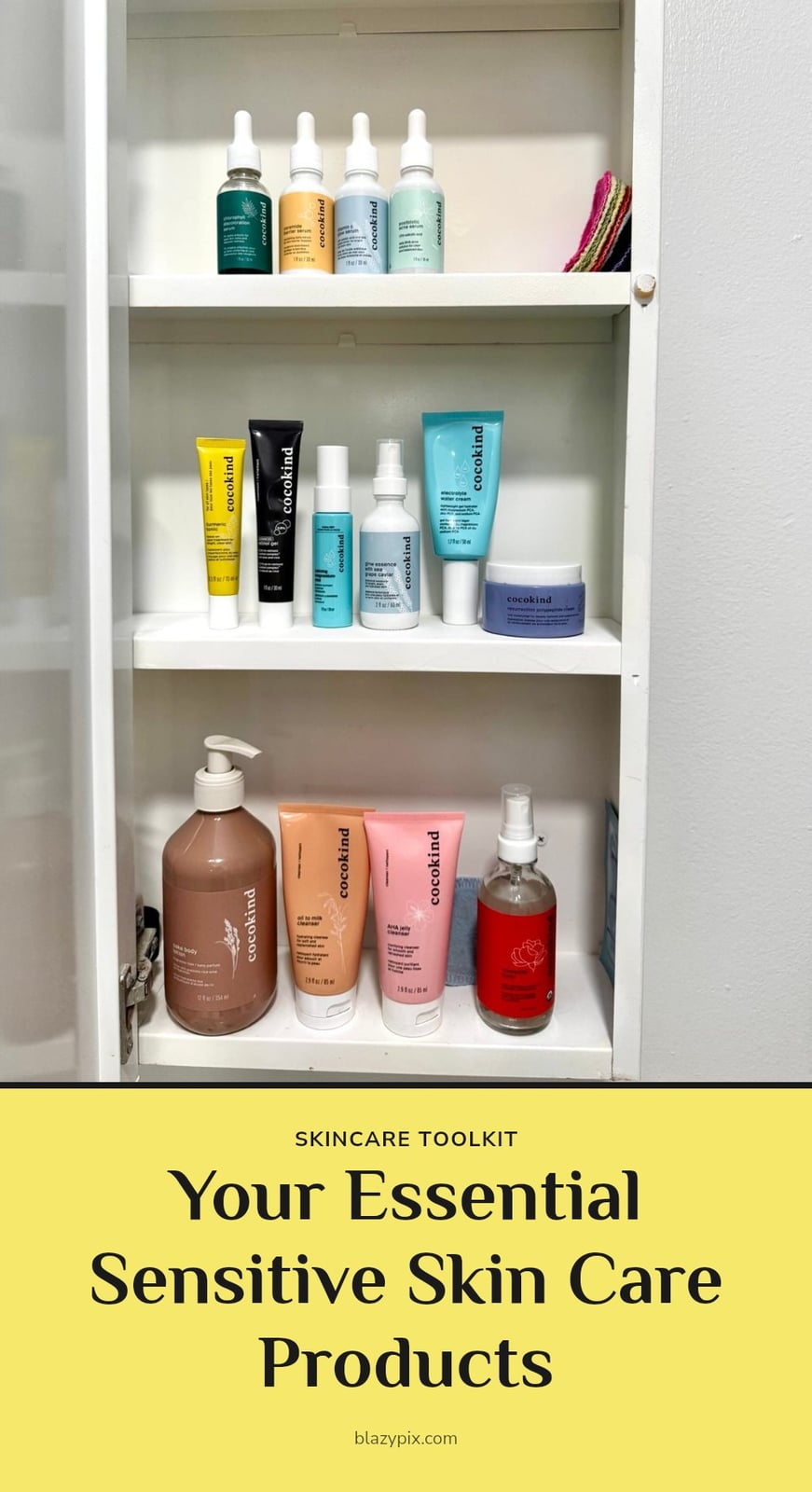
Your Essential Skincare Toolkit for Sensitive Skin
- Gentle cleanser: A pH-balanced, fragrance-free formula removes dirt without stripping your skin.
- Rich moisturizer: A fragrance-free cream or lotion supports your skin barrier and locks in hydration.
- Mineral sunscreen: Broad-spectrum protection with zinc oxide or titanium dioxide is less likely to irritate than chemical sunscreens.
- Soft towels: Use a soft, clean towel to pat your face dry. Rubbing with rough fabric can aggravate delicate skin.
Step-by-Step: Building Your Gentle Sensitive Skin Routine

- Cleanse gently: Use lukewarm water and your gentle cleanser. Hot water strips natural oils, and harsh scrubbing can trigger irritation. Massage the cleanser lightly, then rinse.
- Pat dry: Press a soft towel against your skin to absorb water. Leave your face slightly damp so your moisturizer can lock in that hydration.
- Moisturize immediately: Apply your fragrance-free moisturizer right after patting dry. This step helps seal moisture into your skin and supports your barrier.
- Apply sunscreen every morning: Finish your a.m. routine with a mineral sunscreen. It protects your already sensitive skin from UV damage without causing stinging.
- Patch test new products: Before using anything new, apply a small amount behind your ear or on your inner forearm. Wait 24-48 hours to see if redness, itching, or stinging develops. This simple step can save you from a full-face reaction.
Common Mistakes That Worsen Sensitive Skin
Assuming all ‘natural’ products are safe: Poison ivy is natural, and so are many essential oils that can cause stinging and redness. Natural does not equal gentle for sensitive skin.
Using too many active ingredients: A 10-step routine with acids, retinoids, and vitamin C can overwhelm a compromised barrier. A simple routine with 3-4 products is often more calming.
Not patch testing new products: Applying a new serum or cream all over your face without testing it first can lead to widespread irritation. Apply a small amount behind your ear or on your inner forearm for 24-48 hours before full use.
Over-cleansing or using harsh cleansers: Washing your face more than twice a day or using foaming cleansers with sulfates strips natural oils and weakens the barrier. Stick to a gentle, pH-balanced cleanser morning and night.
Skipping sunscreen: Unprotected sun exposure can worsen redness and trigger stinging. A mineral sunscreen with zinc oxide or titanium dioxide protects already compromised skin without chemical irritants.
Pro Tips for Managing Sensitive Skin Daily
Look for ‘fragrance-free’ labels, not just ‘unscented’: Unscented products can contain masking fragrances to hide chemical smells. Fragrance-free means no fragrance ingredients have been added, which is safer for reactive skin.
Incorporate barrier-supporting ingredients: Ceramides, hyaluronic acid, glycerin, and niacinamide can strengthen your skin barrier and reduce sensitivity over time. Check ingredient lists for these calming components.
Keep your routine simple and consistent: Fewer products mean fewer chances for irritation. Stick to the same cleanser, moisturizer, and sunscreen once you find what works.
Avoid very hot showers or baths: Hot water strips natural oils from your skin, leaving it dry and more reactive. Use lukewarm water instead and limit shower time to 10 minutes.
Be gentle with your skin: No aggressive rubbing, scrubbing, or pulling. Pat your face dry with a soft towel and apply products with light, upward motions.
What to Expect: Timeline and Long-Term Care
Consistency is key. You can often see reduced redness and stinging within a few weeks of following a gentle routine. The skin barrier takes time to repair, so stick with your products for at least 4-6 weeks before judging results.
Sensitive skin requires ongoing management. It is not something you fix once and forget. Continuous gentle care keeps your barrier strong and your skin comfortable.
The cost of sensitive skincare varies widely. Focus on quality, gentle ingredients rather than expensive brands. Many drugstore options with ceramides or glycerin work just as well as luxury lines.
When to Consult a Dermatologist for Sensitive Skin
If skin irritation is severe, persistent, or accompanied by swelling, blistering, or intense pain, consult a dermatologist. These symptoms may indicate an allergic reaction or a skin condition like rosacea or eczema that needs professional treatment.
Seek professional advice if you suspect an allergic reaction rather than general sensitivity. A dermatologist can perform patch testing to identify specific triggers and recommend appropriate treatments or diagnoses.
Do not self-diagnose persistent or worsening symptoms. A doctor can help you build a safe, effective routine tailored to your skin’s needs.
Frequently Asked Questions
What are the best ingredients for sensitive skin?
Look for ingredients that support the skin barrier, such as ceramides, hyaluronic acid, glycerin, and niacinamide. These help lock in moisture and reduce irritation. Avoid products with strong fragrances, alcohol, or harsh preservatives, which can trigger reactions.
Can diet affect sensitive skin?
Some people find that certain foods, like spicy dishes or dairy, can trigger redness or breakouts. However, diet affects everyone differently. If you suspect a link, keep a food diary and note any skin changes. For persistent issues, consult a dermatologist or a registered dietitian.
How often should I cleanse sensitive skin?
Cleanse twice a day, once in the morning and once in the evening. Over-cleansing can strip natural oils and worsen sensitivity. If your skin feels dry or tight after washing, switch to a gentler cleanser and use lukewarm water.
Is it normal for sensitive skin to sting sometimes?
Occasional stinging can happen when your skin barrier is compromised or if you use a product with an irritating ingredient. If the stinging is mild and temporary, it may be normal. But if it persists or becomes painful, stop using the product and see a dermatologist.
How do I know if a product is truly fragrance-free?
Check the label for ‘fragrance-free’ rather than ‘unscented.’ Unscented products may contain masking fragrances to hide chemical smells, which can still irritate sensitive skin. A truly fragrance-free product has no added fragrance ingredients at all.
Can makeup make sensitive skin worse?
Yes, some makeup products contain fragrances, dyes, or preservatives that can trigger reactions. Look for makeup labeled ‘non-comedogenic’ and ‘fragrance-free.’ Mineral-based powders are often a safer choice. Always patch test a new product before applying it to your face.
Final Thoughts
Start with a simple routine: a gentle cleanser, a rich moisturizer, and a mineral sunscreen. Stick with these products for at least four to six weeks to give your skin barrier time to repair and see if redness or stinging improves. Sensitive skin needs ongoing care, but consistency truly makes a difference in how your skin feels day to day.
This article provides general information about managing sensitive skin and is not a substitute for professional medical advice. If you experience severe, persistent irritation, swelling, blistering, or intense pain, consult a dermatologist. Always read product labels carefully and discontinue use if a product causes discomfort.