
Greasy Hair: 12 Simple Ways to Keep Hair Fresh Longer
Tired of greasy hair? Discover 12 simple and effective ways to manage oil production and keep your hair looking fresh and clean for longer.

If you feel like your hair turns greasy just hours after washing, you are not alone. It is a common frustration that often comes down to how your scalp produces and handles natural oils. This article walks you through twelve practical, everyday changes to help you keep your hair looking fresh longer, from washing techniques to simple lifestyle tweaks.
Key Takeaways
- Wash with lukewarm water and finish with a cool rinse to reduce oil production.
- Apply conditioner only from the mid-lengths to ends, never on the scalp.
- Use dry shampoo before hair looks greasy, spraying 6-8 inches away from roots.
- Clean your hair brush weekly with shampoo and warm water to remove buildup.
- Incorporate a clarifying shampoo once a week or every other week to deep-clean.
How to Tackle Greasy Hair
Greasy hair happens when your scalp’s sebaceous glands produce more sebum than needed. The fix isn’t a single miracle product. It’s about adjusting your washing habits, choosing the right products, and tweaking a few daily routines. The goal is to regulate oil production so you can go longer between washes without your roots looking flat or shiny by midday.
1. Wash Hair with Lukewarm Water

Hot water can stimulate your sebaceous glands and push them into overdrive, making greasiness worse. Stick with lukewarm water. It cleans effectively without triggering extra oil.
- My tip: finish with a quick cool rinse to help close your hair cuticles and add shine. The cool blast also helps calm the scalp, which may reduce oil production over time.
2. Focus Shampoo on the Scalp
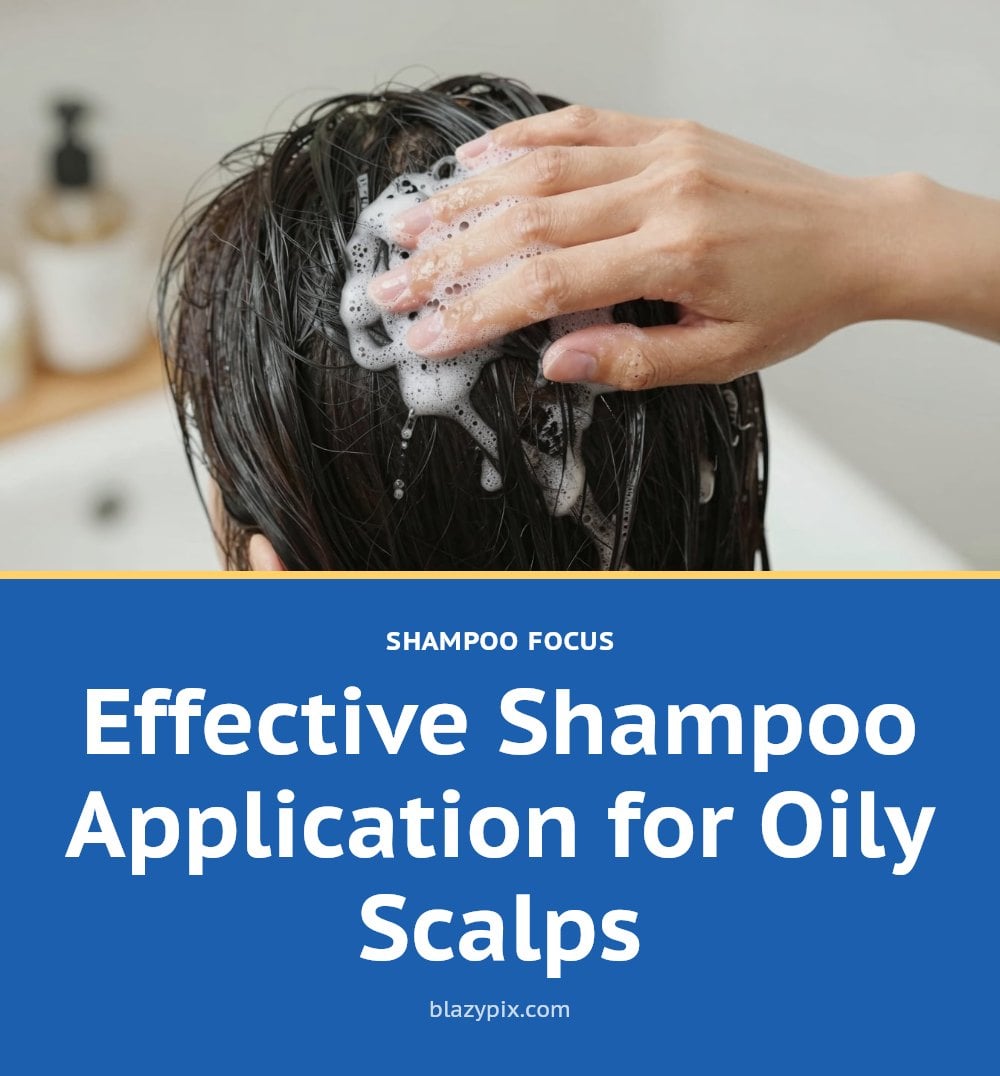
Shampoo is designed to cleanse the scalp and roots, where oil originates. Gently massage the lather into your scalp with your fingertips to break down oil and buildup.
- Good to know: as you rinse, the lather naturally cleans the rest of your hair, so skip scrubbing the ends. That can dry them out and increase breakage.
3. Condition Only Mid-Lengths and Ends
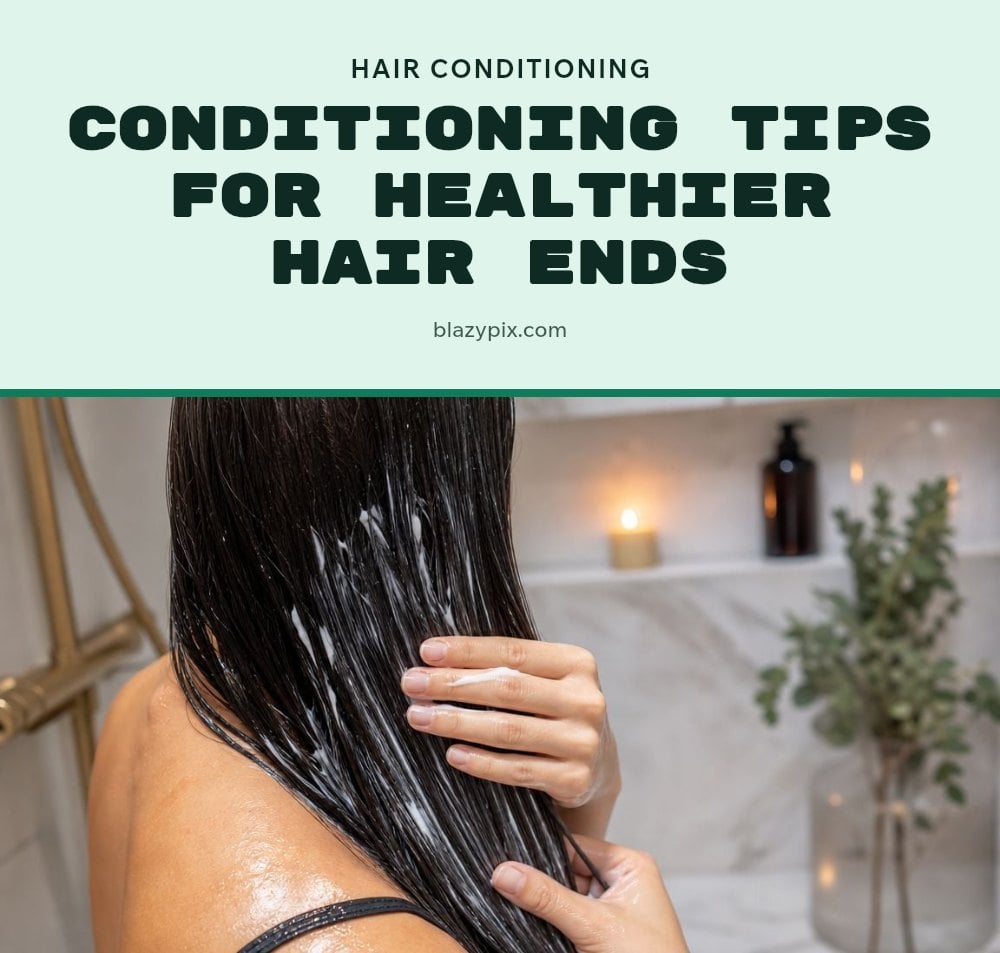
Applying conditioner to your scalp weighs down roots and adds unnecessary oil right where you’re trying to control it. Your ends are the driest part of your hair and need the most moisture.
- My tip: use a lightweight conditioner and apply it only from the mid-lengths down. This keeps roots fresh while giving your ends the hydration they actually need.
4. Rinse Hair Thoroughly
Leftover shampoo or conditioner residue coats your strands and attracts dirt, making hair look dull and feel greasy faster than it should. Rinse until your hair feels squeaky clean and free of any slipperiness. This is a common mistake I’ve seen, and it makes a huge difference. Spend an extra 30 seconds on the rinse, especially around your nape and temples where product tends to hide.
5. Wash Hair Less Frequently

Over-washing strips the scalp of its natural oils, which triggers it to pump out extra sebum to compensate. Break that cycle by gradually extending the time between washes. Start with every other day, then move to every two days. This ‘hair training’ helps your scalp regulate oil production over a few weeks. Use dry shampoo on non-wash days to manage oil without washing.
6. Use Dry Shampoo Strategically
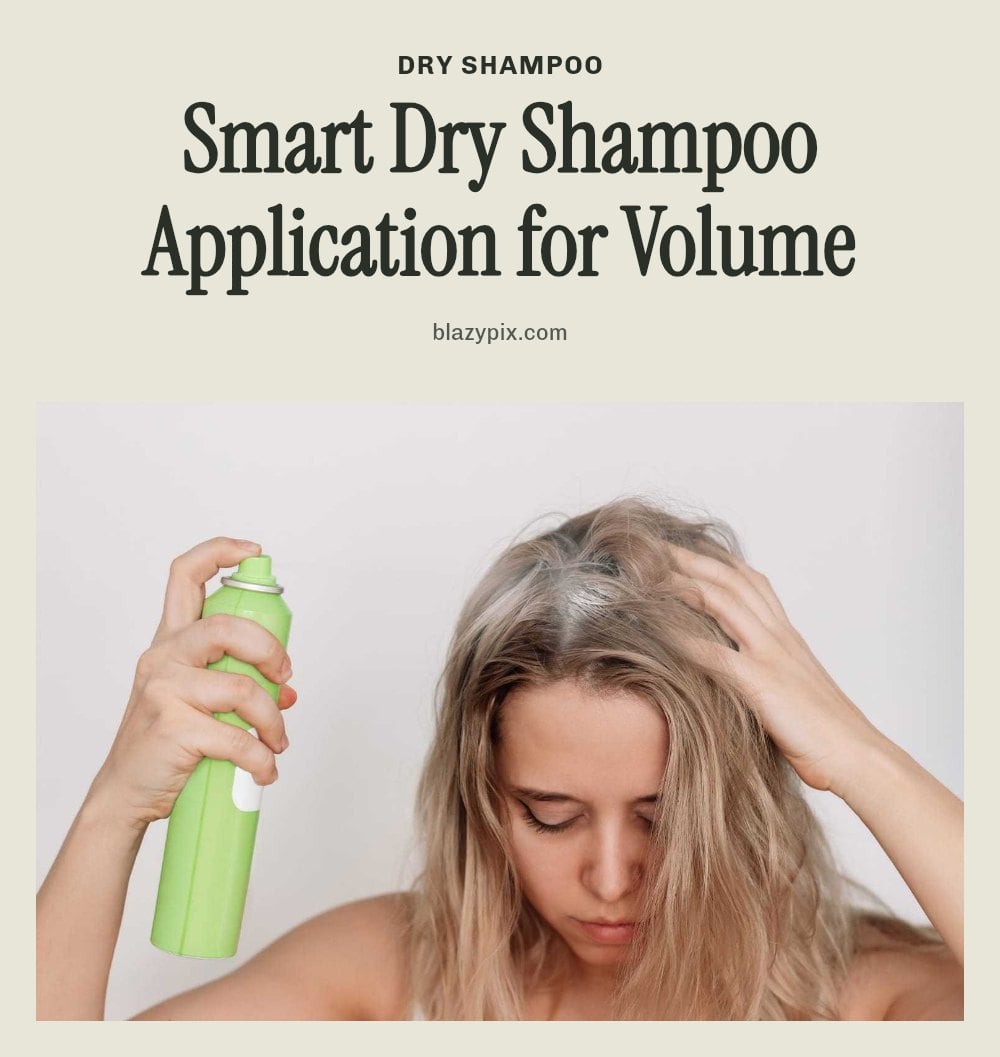
Dry shampoo absorbs oil at the roots and buys you an extra day or two between washes. Apply it before hair looks greasy, like on the evening of wash day, so it can prevent oil buildup. Tip: Spray from 6-8 inches away, let it sit for a few minutes to soak up oil, then massage it in with your fingertips. Avoid rubbing it in too fast or it will just sit on top of the hair.
7. Incorporate a Clarifying Shampoo
Regular shampoos don’t always remove all the buildup from styling products, hard water, and excess sebum. A clarifying shampoo deep-cleans your scalp once a week or every other week. Caution: Don’t overuse it, as it can be drying. Always follow with a lightweight conditioner on your mid-lengths and ends to restore moisture without weighing hair down.
8. Clean Hair Brushes Regularly
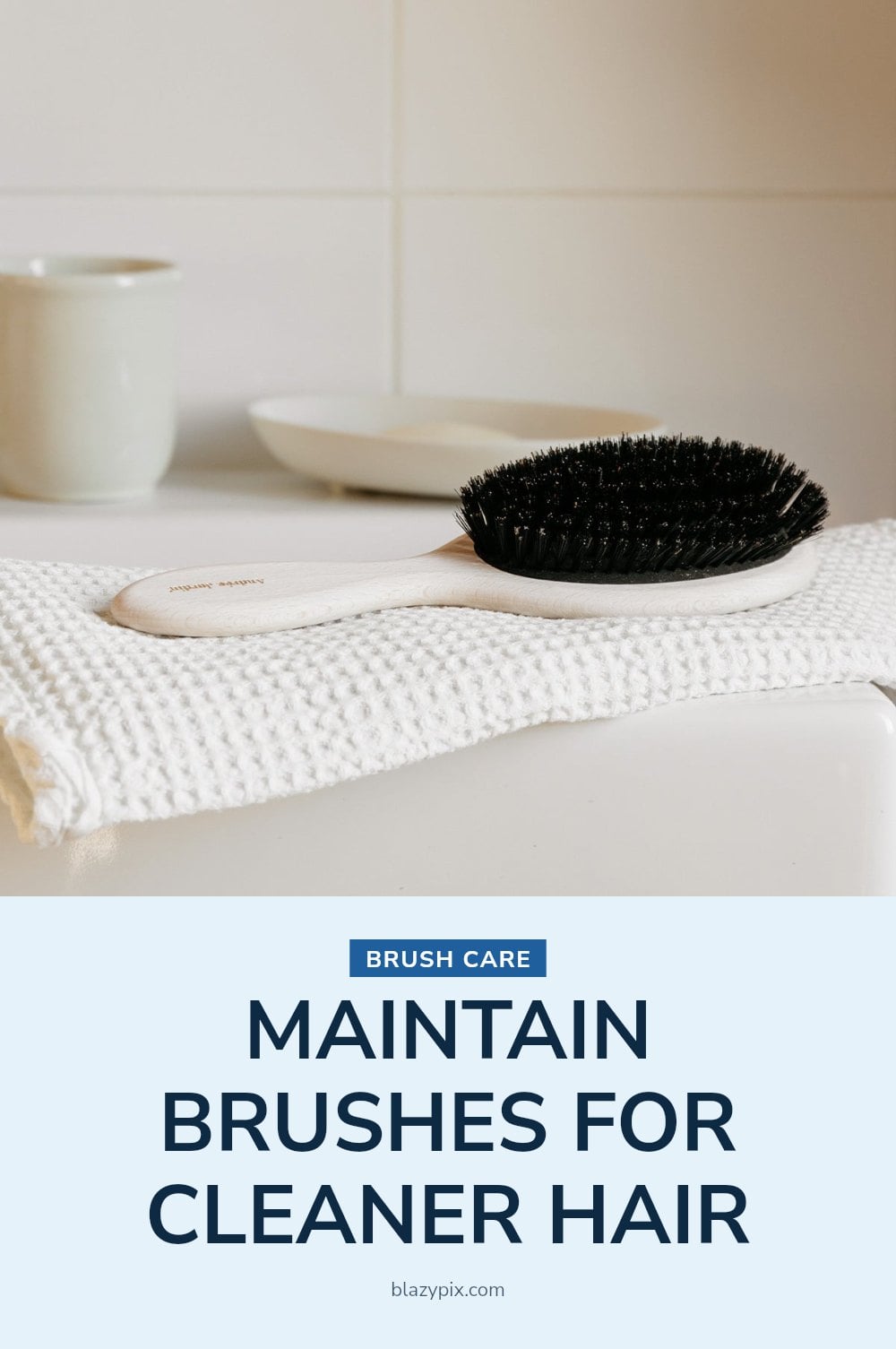
Clean your brushes weekly: Dirty brushes transfer oil, product residue, and dead skin cells right back onto freshly washed hair. Remove all hair from the brush, then wash it with a dab of shampoo and warm water. Let it dry completely before using. This simple step makes a huge difference in keeping my hair fresh.
9. Avoid Excessive Hair Touching
Keep your hands off: Every time you touch your hair, you transfer oils and dirt from your hands to your strands. This adds grease right where you’re trying to control it. Try to be mindful of how often you play with or adjust your hair throughout the day. This is a habit I had to break, and it really helped my hair stay cleaner.
10. Choose Lightweight Styling Products
Reach for lightweight formulas: Heavy oils, serums, and silicones weigh hair down and make it look greasier, especially near the roots. Choose mousses or dry texturizing sprays instead. My tip: apply styling products primarily to your mid-lengths and ends, avoiding the scalp entirely. This keeps volume at the roots while still giving your hair shape.
11. Tie Hair Up Loosely at Night
Sleep with hair loosely tied: A loose bun or braid on top of your head (a ‘pineapple’ style) prevents oil from your face and skin from transferring to your hair overnight. It also keeps your roots lifted, so they don’t get flattened against oily pillowcases. Combine this with a clean pillowcase to maximize freshness.
12. Change Pillowcases Frequently
Your pillowcase collects oil, sweat, and product residue from your skin and hair every night. Sleeping on a clean one reduces the transfer of those impurities back onto your strands and scalp, helping your hair stay fresher longer.
Good to know: change your pillowcase at least twice a week, or more if you have very oily skin or hair. Keep a couple of extras on hand so swapping takes under a minute.
When to Consult a Professional
If excessive scalp oiliness comes with persistent irritation, itching, or flaking, it’s time to see a dermatologist. These symptoms could point to an underlying skin condition like seborrheic dermatitis, which needs medical treatment rather than just a different shampoo.
A professional can diagnose the issue and recommend targeted solutions beyond general hair care, such as prescription washes or topical treatments. Don’t wait months if your scalp feels uncomfortable, a doctor can help you find relief and get oil production under control.
Frequently Asked Questions
Why does my hair get greasy so quickly?
Your scalp’s sebaceous glands naturally produce sebum to moisturize your hair and skin. When those glands are overactive, they produce more oil than needed. Factors like genetics, hormonal changes, stress, and even overwashing can trigger this overproduction, making your hair look greasy soon after washing.
Can diet affect greasy hair?
Yes, what you eat can influence sebum production. Diets high in refined sugars and unhealthy fats may contribute to increased oiliness, while a balanced diet rich in fruits, vegetables, and omega-3 fatty acids can help support a healthier scalp. Staying hydrated also plays a role in regulating oil levels.
How often should I clean my hair brush?
You should clean your hair brush at least once a week. Remove all hair strands from the brush, then wash it with a dab of shampoo and warm water. Let it dry completely before using it again. A clean brush prevents oil, product residue, and dead skin cells from transferring back onto your freshly washed hair.
Is it bad to use dry shampoo every day?
Using dry shampoo daily is not recommended because it can build up on your scalp and clog hair follicles over time. Dry shampoo is designed to absorb oil between washes, not replace them. For best results, use it strategically on the evening of wash day to prevent oil buildup, and limit its use to one or two days between washes.
What’s the best way to train my hair to be less greasy?
To train your hair, gradually extend the time between washes. Start by washing every other day instead of daily, then push to every two days. This process can take a few weeks for your scalp to adapt and produce less oil. Be patient and use dry shampoo on non-wash days to manage oil in the meantime.
Final Thoughts
Start with one or two changes, such as switching to lukewarm water and focusing conditioner on your ends. Give your scalp a few weeks to adjust to a new routine before expecting noticeable results. The goal is not to eliminate oil entirely, but to find a balance that keeps your hair looking clean and fresh between washes.
This article is for general informational purposes only and does not constitute medical or professional advice. If you experience persistent scalp irritation, itching, or flaking along with oiliness, consult a dermatologist or healthcare professional for proper diagnosis and treatment.