
Atomic Habits Summary: Key Lessons You Can Use Every Day
Learn James Clear's Atomic Habits for building good habits and breaking bad ones. Discover practical strategies for achieving goals with small, consistent.

You’ve probably heard the buzz about Atomic Habits and wondered if tiny changes can really make a difference. The short answer is yes, and this article breaks down the key lessons you can start using today. I’ll cover the core ideas from James Clear’s framework, including the four laws of behavior change, habit stacking, and the 2-minute rule, so you can build lasting habits without feeling overwhelmed.
Whether you want to read more, exercise regularly, or break a bad habit, these strategies are designed to fit into your daily life. My tip: focus on one small change at a time, and let the results compound naturally.

Key Takeaways
- Focus on systems, not goals; processes drive results.
- Build identity-based habits by becoming the person you want to be.
- Use the four laws: make habits obvious, attractive, easy, and satisfying.
- Start new habits with the 2-minute rule to overcome procrastination.
- Design your environment to make good habits easier and bad ones harder.
What Are Atomic Habits?
Atomic Habits, the concept from James Clear’s book, is built on the idea that tiny, consistent changes compound over time into remarkable results. Instead of chasing big goals, you focus on building effective systems that make good behavior automatic. Clear’s four laws of behavior change, Make it Obvious, Attractive, Easy, and Satisfying, give you a practical framework to make habits stick. I’ve found this approach incredibly practical for weaving positive changes into my daily routine without feeling overwhelmed. It’s less about willpower and more about smart design.
1. Focus on Systems, Not Goals
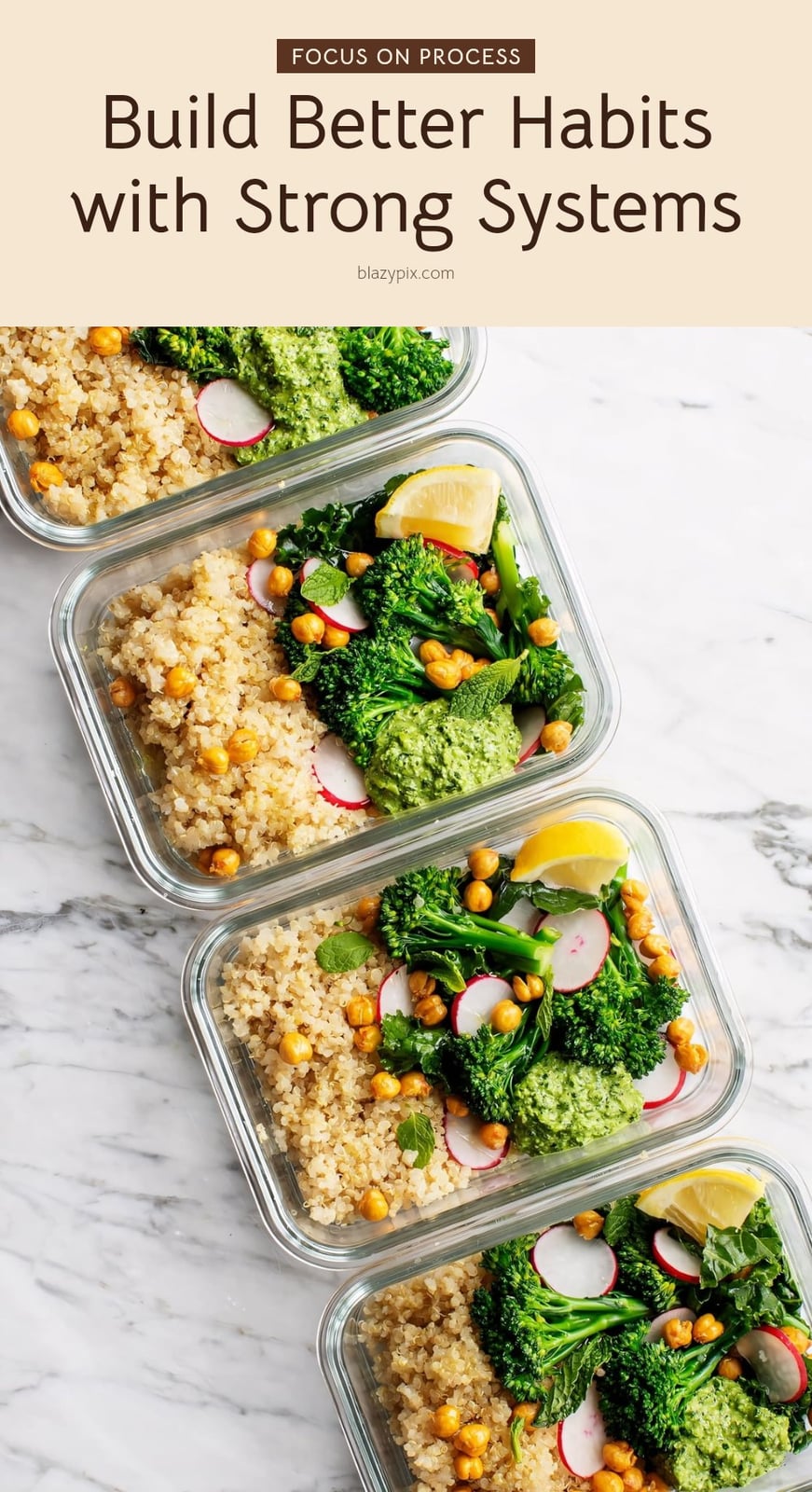
Instead of setting a goal like “I want to lose 10 pounds,” concentrate on the system that gets you there, such as “I will prepare healthy meals every Sunday.” Goals are about the results you want; systems are about the processes that lead to those results. If you improve your system, your results naturally improve.
My tip: shift your focus from the outcome to the daily actions. This mindset helps you stay consistent because you’re not waiting for a distant payoff. You’re building a repeatable routine, and that makes progress feel more sustainable.
2. Build Identity-Based Habits
Shift your focus from what you want to achieve to who you want to become. Instead of “I want to read a book,” think “I am a reader.” This internal change is powerful because when you internalize an identity, the habits flow naturally from it.
I’ve noticed that when I truly believe I am “a healthy person,” making healthy choices becomes almost automatic, not a constant battle of willpower. To apply this, pick one identity you want to embody, then ask yourself, “What would that person do?” Then do that, one small action at a time.
3. Make It Obvious

The first law of behavior change is to make your desired habits obvious. Design your environment so cues for good habits are visible and accessible. My tip: if you want to drink more water, keep a full water bottle on your desk. If you want to practice guitar, leave it out in the living room instead of in its case.
Conversely, make bad habits invisible. I make sure to put my phone away in another room when I’m trying to focus on work. Out of sight, out of mind works in your favor when you deliberately decide what stays in sight.
4. Make It Attractive
The second law is to make your habits attractive. One effective method is temptation bundling, where you pair an action you need to do with an action you want to do. I only let myself listen to my favorite podcast while I’m doing laundry, which makes a chore I dislike much more appealing.
You can also associate your desired habit with a positive experience or outcome in your mind. For example, think of a short walk as a chance to enjoy fresh air and sunlight rather than a task to check off.
5. Make It Easy
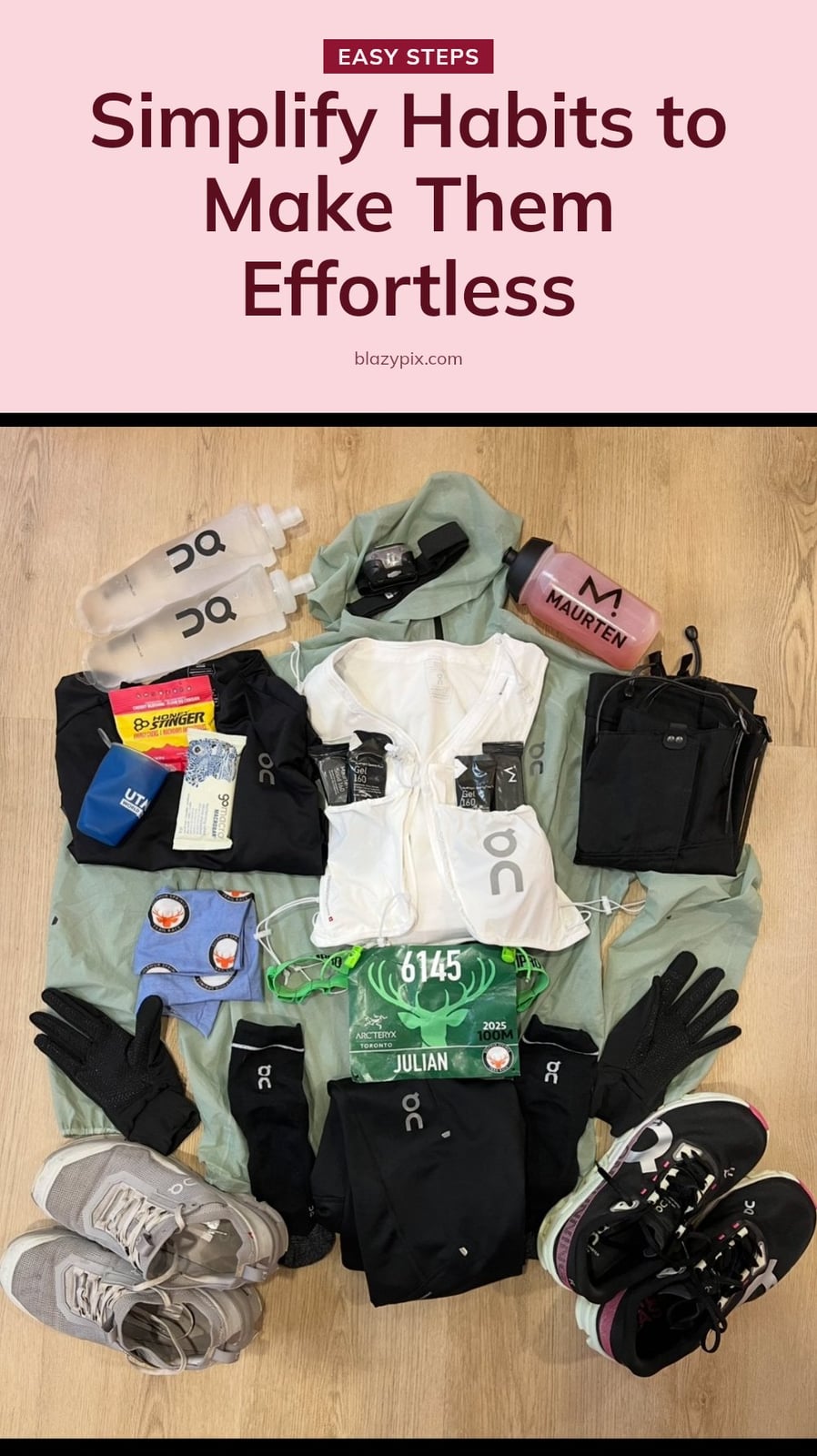
The third law is to make your habits easy. Reduce the friction associated with good habits and increase the friction for bad ones.
This is where the 2-minute rule comes in: start a new habit in a way that takes less than two minutes. Reading for two minutes is easier to start than reading a chapter. My tip: Prepare for your habits in advance. Lay out your workout clothes the night before, or chop veggies for healthy meals on Sunday. The less you have to think, the more likely you are to follow through.
6. Make It Satisfying
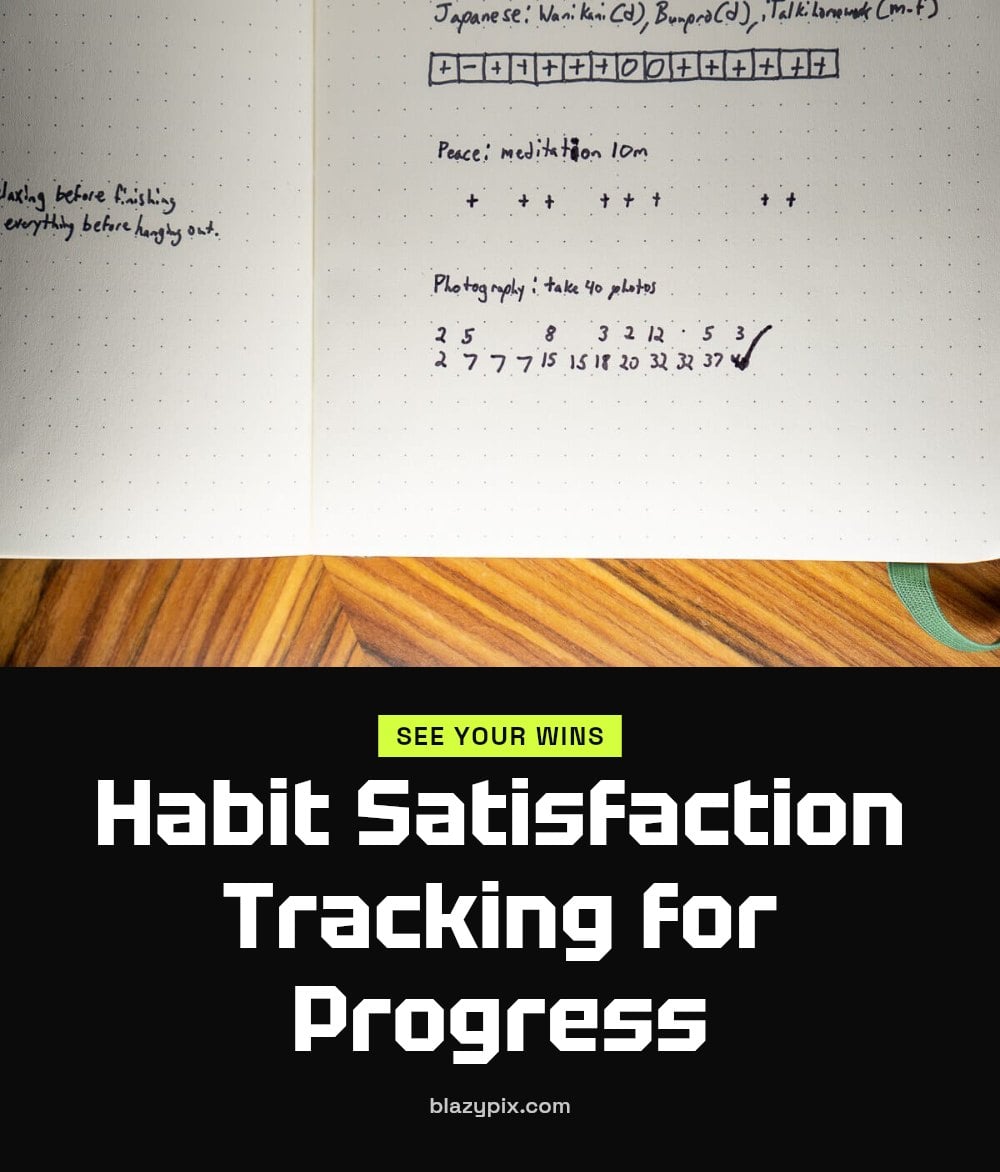
The final law is to make your habits satisfying. We are more likely to repeat a behavior when the experience is immediately rewarding. Even small, artificial rewards can make a huge difference. I use a habit tracker and get a little burst of satisfaction every time I check off a completed habit.
The goal is to feel immediate gratification, even if the long-term benefits are distant. This reinforces the habit loop and keeps you coming back for more.
7. Use Habit Stacking
Habit stacking pairs a new desired habit with an existing habit you already perform daily. The formula is simple: After [current habit], I will [new habit]. For example, after I pour my morning coffee, I will meditate for one minute.
I have found this makes it incredibly easy to integrate new behaviors without relying on pure willpower. The existing habit acts as a reliable cue for the new one, so you do not have to remember to start from scratch.
8. Design Your Environment
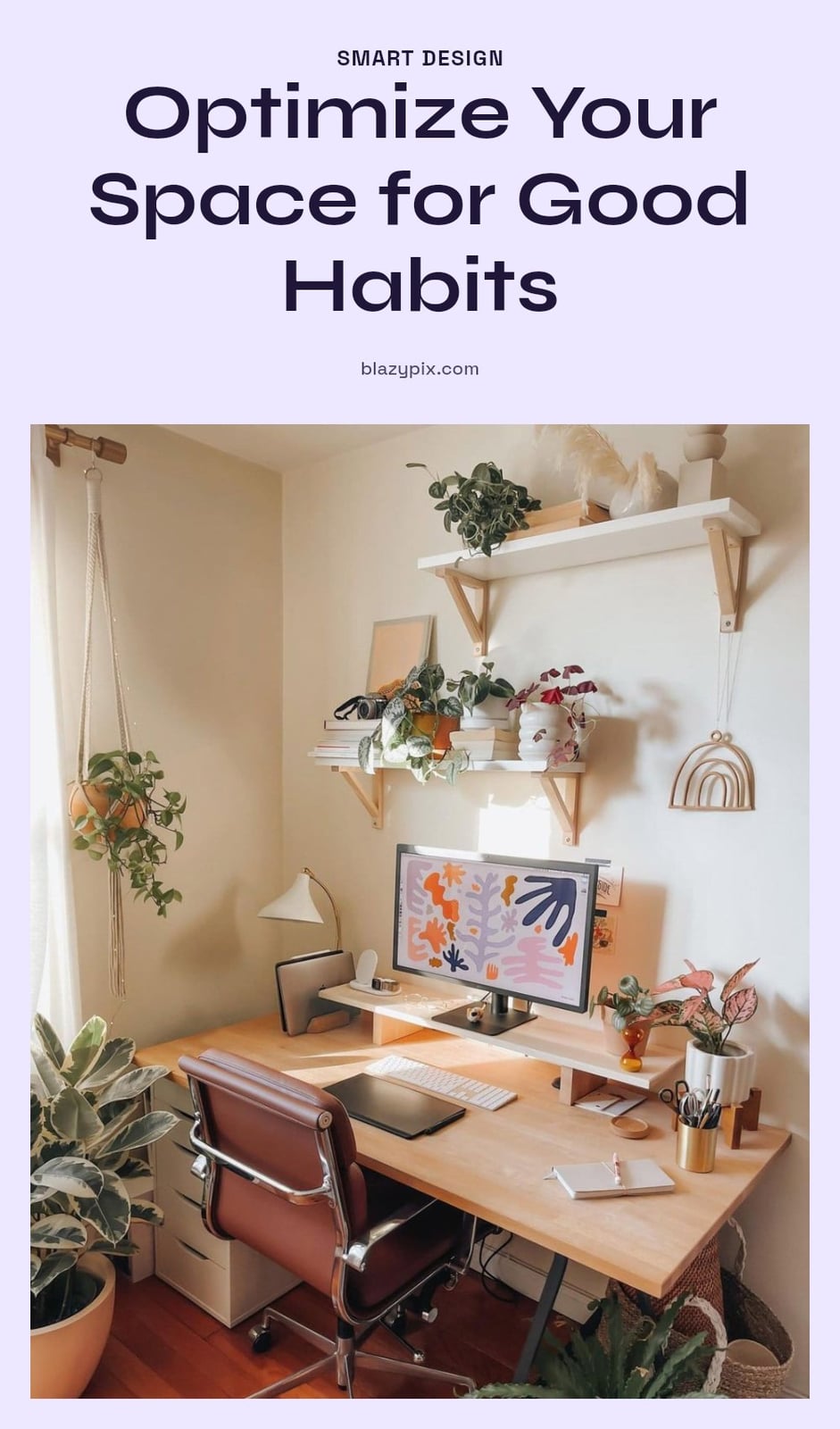
Your environment silently drives your behavior every day, so design it on purpose. Make good habits obvious by placing healthy snacks in plain sight and unhealthy ones out of reach. For bad habits, increase friction: keep junk food in the back of the pantry or store it outside the kitchen entirely.
My tip: Set up your workspace for productivity, not distraction. Charge your phone in another room overnight to encourage better sleep. Strategic placement matters more than tidiness. A clear countertop with a fruit bowl cues better choices than a spotless one with no food in sight.
9. Master the 2-Minute Rule
Overcome procrastination by committing to just two minutes of your new habit. The goal is to make starting so easy that you cannot say no. If you want to run, just put on your running shoes. If you want to write a book, write one sentence.
Tip: once you start, momentum often takes over. The hardest part is usually just beginning. Two minutes feels trivial, but it bypasses the mental resistance that keeps you stuck. After those two minutes, you can stop, but you probably will not.
10. Track Your Habits
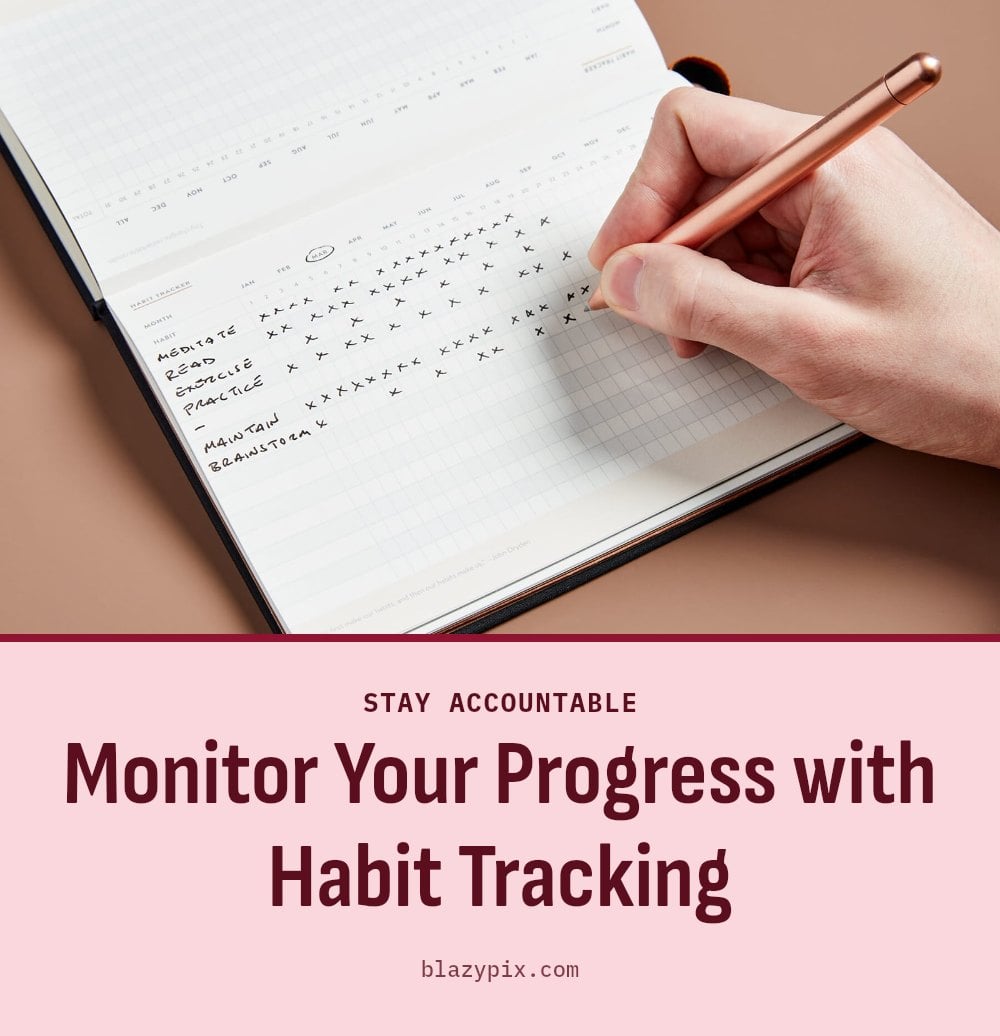
Habit tracking keeps you accountable and gives you a visual record of your progress. Seeing a streak grow is genuinely motivating. Use a simple X on a calendar, a bullet journal entry, or a habit tracker app, whatever feels natural.
Tracking provides immediate feedback and reinforces the satisfaction of completing a habit. Good to know: Remember the never miss twice rule. One slip-up does not ruin everything. Just get back on track the very next day.
11. Apply the Goldilocks Rule
The Goldilocks Rule says you are most motivated when a task is not too hard and not too easy. Find the sweet spot where your habit challenges you slightly but stays achievable. If a habit feels too easy, increase the duration or intensity. If it feels too hard, scale it back.
I adjust my goals constantly to maintain this balance. When a habit becomes boring, I push it a little further. When it starts to feel overwhelming, I shrink it until it feels manageable again. That balance keeps me coming back day after day.
Common Mistakes When Applying Atomic Habits
Even with the right framework, it’s easy to stumble. Here are the most common mistakes I see (and have made myself) when applying Atomic Habits, plus the fix for each.
- Trying to change too much at once: Focus on one or two key habits to master before adding more. Overwhelm is the enemy of consistency.
- Ignoring your environment: Relying solely on willpower is a losing battle. Your surroundings are a powerful influence; design them strategically.
- Focusing only on the outcome: Celebrate the process and the small wins along the way, not just the final goal. The system is what truly matters.
- Not making habits satisfying: If a habit isn’t rewarding, even artificially, it will be hard to stick with. Find ways to make it enjoyable or immediately gratifying.
- Believing motivation is enough: Motivation is fleeting. Structure and systems are what sustain habits through dips in enthusiasm.
Frequently Asked Questions
How long does it take for an atomic habit to form?
There is no fixed timeline, as habit formation varies by person and habit. James Clear suggests that consistency over weeks and months is needed for a behavior to become automatic, but the focus should be on small daily actions rather than a specific number of days. Patience and repetition are more important than a deadline.
Can Atomic Habits help with procrastination?
Yes, especially through the 2-minute rule and environment design. By making a habit so easy that it takes less than two minutes to start, you reduce the mental barrier to action. Designing your environment to reduce friction for desired behaviors also helps overcome the urge to delay.
What is the difference between a goal and a system in Atomic Habits?
A goal is the specific result you want, like losing 10 pounds. A system is the process that gets you there, such as preparing healthy meals every Sunday. Clear emphasizes that goals are about the outcome, while systems are about the daily actions and habits that lead to that outcome.
Is Atomic Habits suitable for everyone?
The framework is designed to be adaptable for most people, as it focuses on universal principles of behavior change. However, individual results depend on personal circumstances, consistency, and the specific habits you choose. If you have a medical condition or need professional guidance, consult a specialist.
How do I choose which habits to focus on first?
Start with one or two key habits that align with the identity you want to build. For example, if you want to become a runner, focus on the habit of putting on your running shoes. Prioritize habits that have the biggest impact on your overall goal and are easiest to start small.
What if I miss a day of my habit?
Don’t beat yourself up; just get back on track the next day. Missing one day does not ruin your progress, but missing two days in a row can start a negative pattern. The key is to never skip twice, and to focus on consistency over perfection.
Final Thoughts
If you take away one thing, let it be this: start with a single small habit that aligns with the person you want to become. Don’t try to overhaul your entire life overnight; instead, pick one behavior, make it easy and satisfying, and watch it grow. Realistic expectation: consistent effort over weeks and months is needed for habits to become automatic, with results compounding over years. The key is to keep showing up, even on imperfect days.