Your Guide to Going Gray Gracefully from Colored Hair
Going gray: Ready to embrace your natural silver? Learn how to go gray from colored hair with strategic methods, products, and tips for a beautiful.

So, you’re ready to let your natural gray shine through after years of coloring. It’s a beautiful, liberating decision, but the transition can feel a bit daunting at first. This guide walks you through the main methods for going gray, from a cold turkey grow-out to professional blending, along with the essential products and care tips to keep your silver strands looking their best.

Key Takeaways
- Gray hair is not actually gray; it’s hair that has lost its pigment and appears white or translucent.
- The transition can take several months for short hair to two or more years for long hair.
- Use purple shampoo once or twice a week to neutralize yellowing and brassiness.
- Deep condition regularly because gray hair is naturally drier and coarser than pigmented hair.
- Consult a professional stylist to choose the best method for your current color and timeline.
Embracing Your Natural Gray Hair
Transitioning to natural gray hair from colored hair is a process that requires patience and a strategic approach. Gray hair isn’t actually gray; it’s hair that has lost its pigment and appears white or translucent, with the overall look coming from a mix of pigmented and non-pigmented strands. The method you choose depends on your current color and desired timeline. Options range from a ‘cold turkey’ grow-out to professional blending techniques like highlights or lowlights, or even a ‘gray blending’ service to soften the demarcation line. Proper care for your new gray hair is crucial, including using specific products to maintain its tone and texture.
Choosing Your Method for Going Gray
Choosing Your Method for Going Gray
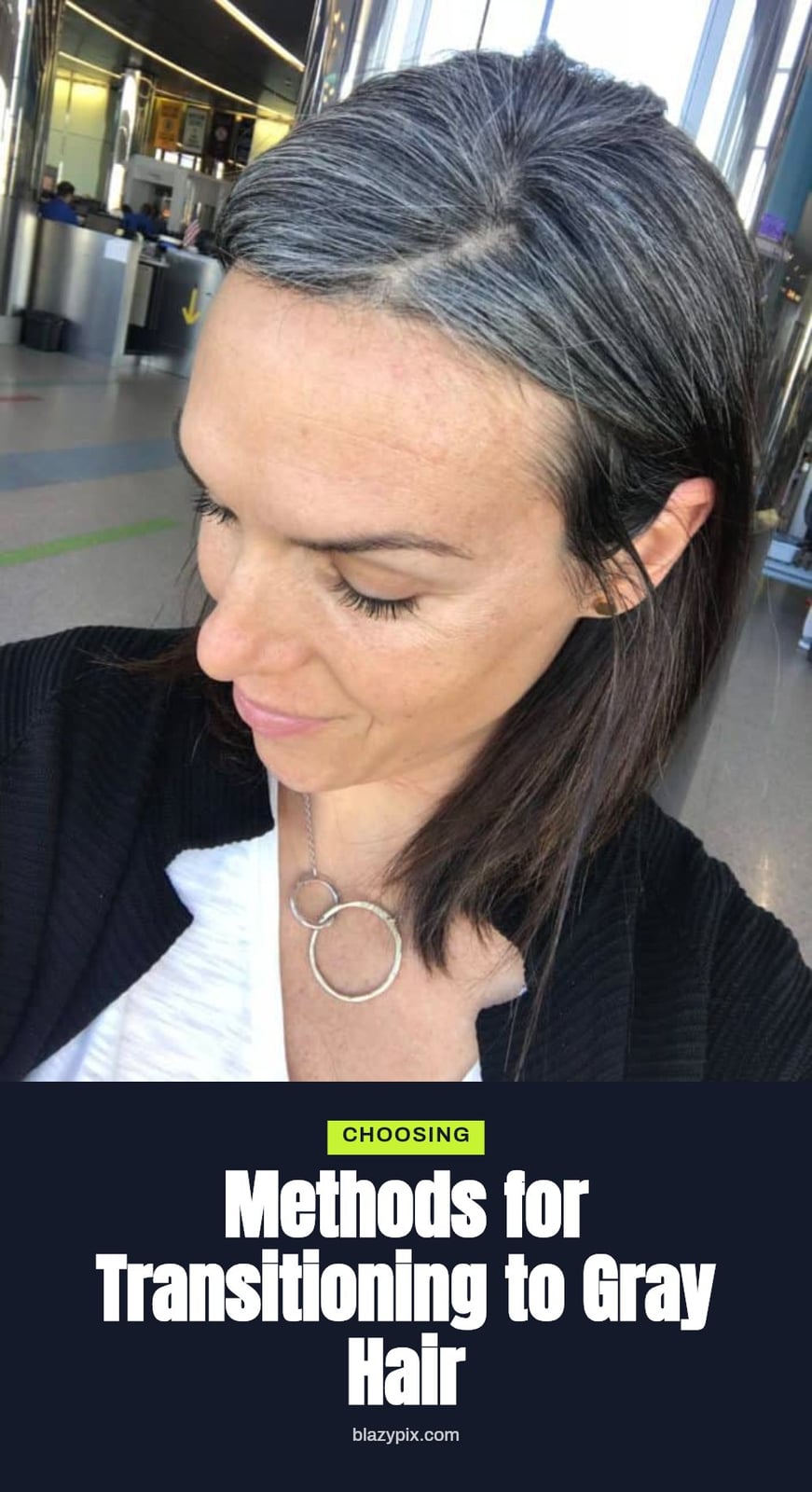
Gray hair results from a loss of pigment, making each strand appear white or translucent. Your transition method depends on your current color, timeline, and willingness to maintain the process. Here are the main options.
- Cold turkey: Let your roots grow out without any coloring. This is the simplest method and costs nothing in salon visits. My tip: Schedule regular trims to gradually cut off the colored ends, which speeds up the full transition.
- Highlights or lowlights: A stylist adds lighter or darker streaks to blend the line between your colored hair and natural gray. This softens the demarcation line, making the grow-out less obvious. My tip: Ask for subtle, face-framing highlights to draw attention away from the roots.
- Gray blending: A professional service that integrates your natural gray with existing color using techniques like babylights or shadow roots. This creates a seamless, intentional gray look from the start. Tip: This works best if you want a more controlled, polished transition without a stark line.
Cutting your hair shorter can accelerate the process by removing more colored hair at once. A pixie cut or bob can reduce the transition time from years to months. Consider your face shape and hair texture before making a drastic chop.
Essential Products for Your Gray Hair Journey

Essential Products for Your Gray Hair Journey
Gray hair often feels coarser, drier, or more wiry than pigmented hair due to changes in oil production. The right products keep it looking vibrant and healthy.
- Purple shampoo and conditioner: These neutralize yellowing and brassiness. Use them once or twice a week, leaving the shampoo on for 2-3 minutes before rinsing.
- Deep conditioning mask: Apply a hydrating mask weekly to combat dryness and coarseness. Focus on the ends, where damage is most visible.
- Heat protectant spray: Spray this on damp hair before using any heat tools to prevent brittleness and yellowing from high temperatures.
- Hair accessories: Headbands, scarves, and clips help manage the awkward grow-out phase. They also add style while you wait for more gray to come in.
Preparing for Your Gray Hair Transition
Preparing for Your Gray Hair Transition
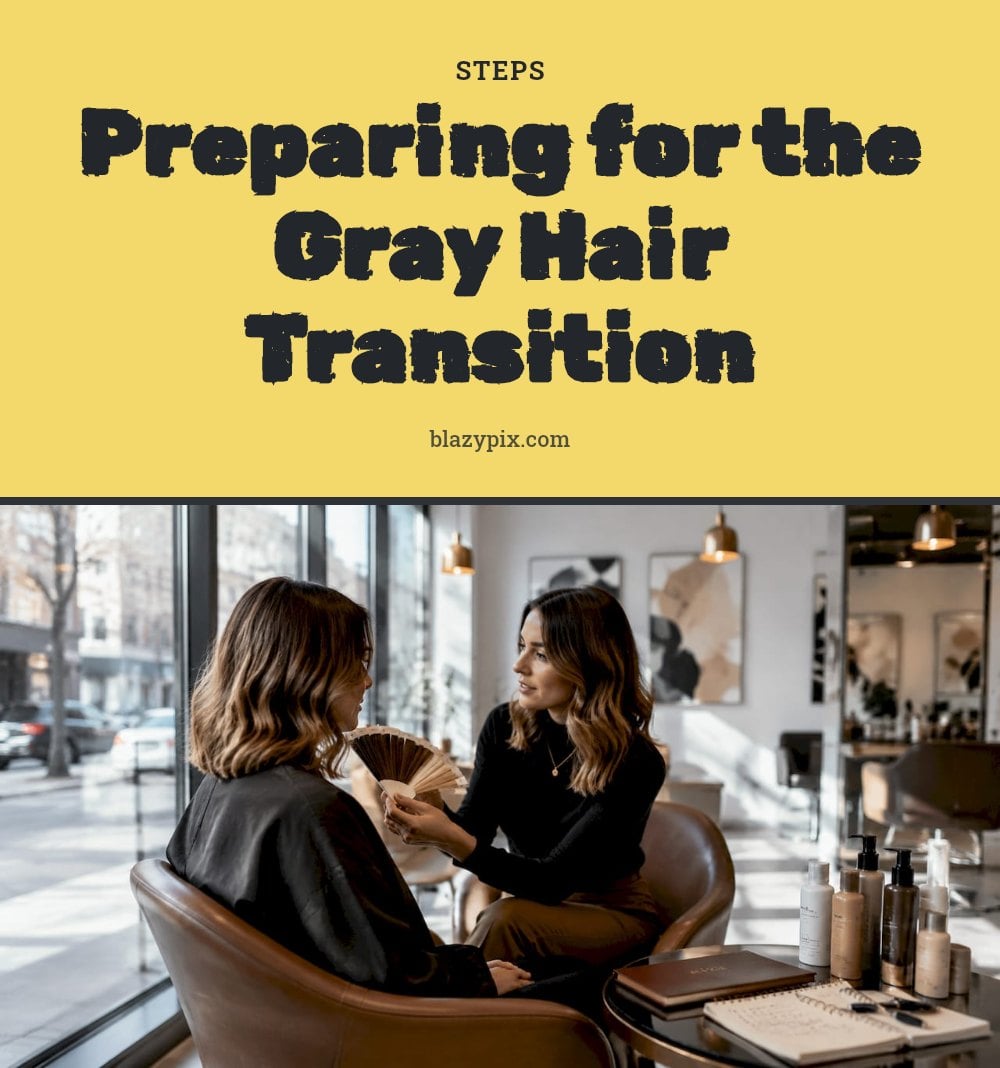
- Consult a professional stylist: Discuss your current color, hair type, and desired timeline. They can recommend the best method, whether cold turkey, blending, or a cut, and set realistic expectations.
- Start deep conditioning: Begin a weekly deep conditioning routine a few weeks before you stop coloring. This strengthens your hair and prepares it for the transition. Continue this habit throughout the process.
- Gather your products: Purchase purple shampoo and conditioner, a deep conditioning mask, and heat protectant spray before you start. Having them ready means you can care for your gray hair from day one.
- Prepare mentally: Accept that the transition will take months to years. Embrace the awkward phase as a temporary step. Remind yourself that patience is key, everyone’s journey is unique.
Maintaining Your Beautiful Gray Hair
Once your gray hair starts coming in, regular use of purple-toned shampoo and conditioner keeps yellowing and brassiness away. I apply the purple shampoo once or twice a week, leaving it on for 2-3 minutes before rinsing. Gray hair is drier by nature, so a deep conditioning mask every week is non-negotiable for softness.
Good to know: Schedule a trim every 6-8 weeks to gradually remove colored ends and maintain a clean shape. Always apply a heat protectant spray before using any hot tools, because gray hair is more prone to damage and yellowing from heat.
Common Mistakes to Avoid When Going Gray
Expecting gray hair to behave like your old colored hair is the first mistake. Gray hair has a coarser, drier texture, so it needs more moisture and gentler handling. Skipping purple shampoo leads to dull, yellow tones that make gray look dingy instead of luminous.
Underestimating the timeline is another common error. A full transition can take months or years, and rushing it with DIY color stripping at home causes serious damage. Neglecting regular haircuts during the grow-out phase makes the line of demarcation more obvious and the hair look unkempt.
Smart Tips for a Smooth Gray Transition

Patience is the foundation of a smooth transition. Full gray can take several months for short hair and two or more years for long hair. During the awkward phase, accessories like headbands, scarves, and hats become your best styling tools.
Pro move: Keep a few silk scarves on hand to wrap around your hairline on days when the demarcation line feels too stark. Regular trims every 6-8 weeks gradually remove colored ends, and checking in with your stylist every few months keeps your strategy on track. Everyone’s hair grows at its own pace, so don’t measure your progress against someone else’s.
Understanding the Timeline for Going Gray
The transition from colored to fully gray hair ranges from several months for a short cut to two or more years for long hair. Your hair growth rate, typically about half an inch per month, directly sets the pace. Professional blending services involve an upfront service fee plus periodic maintenance appointments to keep the integration seamless. DIY methods mainly cost what you spend on purple shampoo, conditioner, and deep conditioning masks over time.
When to Consult a Professional Stylist
Always start with a stylist consultation to map out your transition plan. They can assess your current color and recommend whether cold turkey, highlights, or gray blending fits your hair and lifestyle. For any chemical process, like stripping color or adding lowlights, professional application is non-negotiable to avoid damage.
If your gray hair develops unexpected yellowing, greenish tones, or becomes brittle, a stylist can diagnose the cause and adjust your care routine. Regular trims every 6-8 weeks are also essential to gradually remove colored ends and keep your shape polished during the grow-out. Book those appointments before you need them.
Frequently Asked Questions
How long does it take to go completely gray?
The timeline varies based on your hair length and growth rate. For very short hair, it can take several months, while long hair may require two or more years to fully transition from colored to natural gray.
Can stress make my hair go gray faster?
Stress can temporarily affect hair health and may accelerate hair shedding, but it is not scientifically proven to directly cause hair to turn gray prematurely. Genetics largely determines when you start going gray.
What causes gray hair to turn yellow?
Gray hair can develop yellow or brassy tones due to environmental factors like sun exposure, pollution, or product buildup. Using a purple shampoo once or twice a week helps neutralize these unwanted tones.
Is gray hair harder to manage than colored hair?
Gray hair often feels coarser, drier, and more wiry because the hair follicle produces less oil. It needs extra moisture and gentler handling, so regular deep conditioning and purple shampoo are key to keeping it manageable.
Should I cut my hair short to go gray?
Cutting your hair shorter can speed up the transition by removing more of the colored ends at once. It’s a personal choice, but it can help shorten the awkward phase if you’re ready for a new look.
Final Thoughts
For the smoothest start, book a consultation with a professional stylist to map out your personalized transition plan. Realistically, expect the full journey to take anywhere from several months to over two years, depending on your hair length and growth rate. Embrace the process with patience, and you’ll love the natural, luminous result.