Kettlebell Workout for Beginners at Home
Start your kettlebell workout at home with this beginner guide. Learn essential exercises and proper form to build strength safely and avoid injury.

Starting strength training at home doesn’t require a rack of dumbbells or a gym membership. A single kettlebell can give you a full-body workout that builds strength, endurance, and power, all from your living room. In this article, I’ll walk you through the essential gear, five foundational exercises, a weekly schedule, and common mistakes to avoid, so you can start swinging with confidence.
Key Takeaways
- Start with a light kettlebell: 8-12 kg (18-26 lb) for women, 12-16 kg (26-35 lb) for men.
- Master the hip hinge before attempting kettlebell swings to protect your back.
- Aim for 2-3 kettlebell workouts per week; expect improvements in 4-6 weeks.
- Focus on controlled movements, not speed, to build proper form.
- Always warm up before and cool down after each session.
Essential Gear for Your Kettlebell Workout
Before your first swing, pick the right kettlebell weight. For most women starting out, an 8 to 12 kg (18 to 26 lb) kettlebell is a solid choice; men typically start with 12 to 16 kg (26 to 35 lb). You want a weight you can control through a full range of motion without straining.
Wear athletic shoes with good grip and support, no sandals or bare feet on a hard floor. A heavy kettlebell can slip, and you need stable footing to drive through your heels. Clear a space at least 4 feet in all directions so you can swing and press without hitting furniture or walls.
1. Warm-Up: Arm Circles and Torso Twists
Start standing with your feet hip-width apart. Make slow arm circles, first forward then backward, to loosen your shoulders and warm the rotator cuffs. Follow with gentle torso twists, keep your hips facing forward and rotate only your upper body to prepare your core and spine for the hinge movements ahead.
- Sets and reps: 10-15 circles each direction, 10-15 twists per side
- Form cue: Keep your hips still during twists; the motion comes from your ribcage and shoulders
- Make it easier or harder: Smaller circles for easier, larger circles for more range of motion; slow down the twists to increase the stretch
2. Kettlebell Deadlift
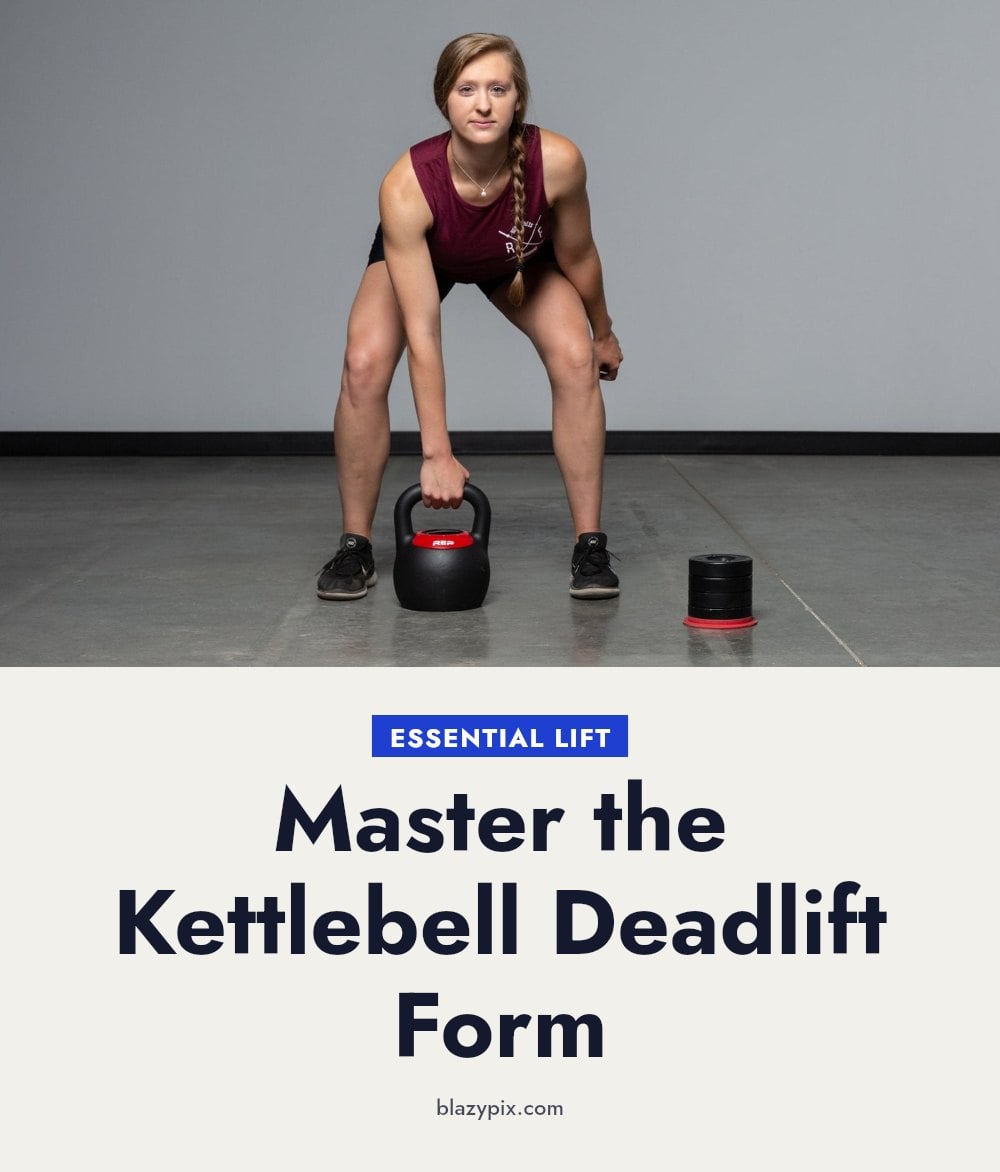
Stand with your feet hip-width apart and the kettlebell on the floor between your feet. Push your hips back, keep your spine long, until you can grip the handle. Drive through your heels to stand up, squeezing your glutes at the top. Lower the kettlebell back to the floor by hinging again.
- Sets and reps: 3 sets of 8-10 repetitions
- Form cue: Imagine closing a car door with your glutes as you stand; keep your back flat the whole time
- Make it easier or harder: Use a lighter kettlebell to practice the hinge; for a challenge, pause for 2 seconds at the bottom
3. Two-Hand Kettlebell Swing
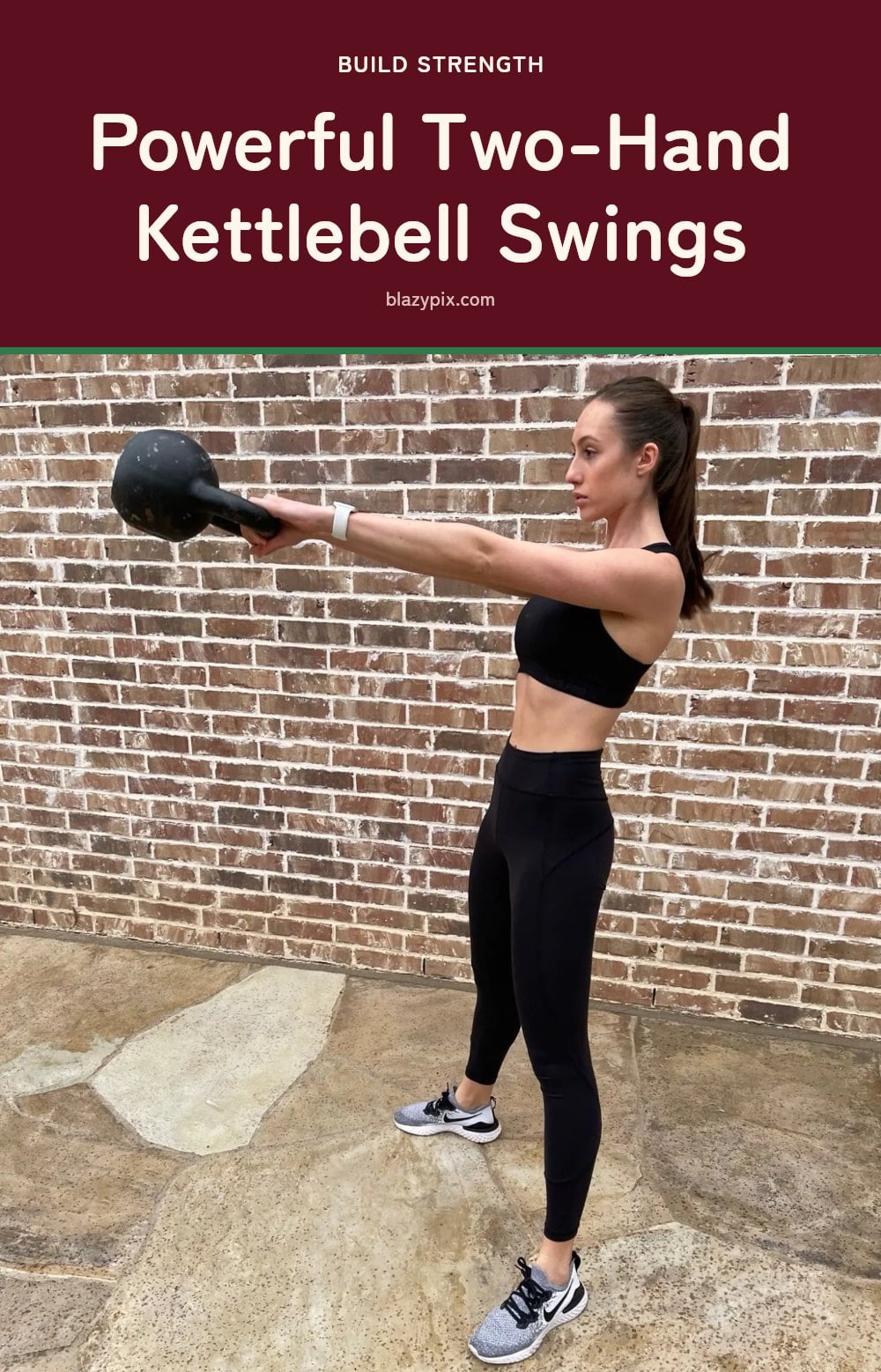
Start with the kettlebell on the floor slightly in front of you. Hinge at your hips and hike the kettlebell back between your legs. Explosively drive your hips forward, squeeze your glutes, to swing the kettlebell up to chest height. Let it fall naturally as you hinge again to absorb the momentum.
- Sets and reps: 3 sets of 10-12 repetitions
- Form cue: Your arms are just ropes; the power comes from your hips and glutes, not your shoulders
- Make it easier or harder: Start with a deadlift-style lift to set the swing; to progress, increase hip drive speed or use a slightly heavier kettlebell
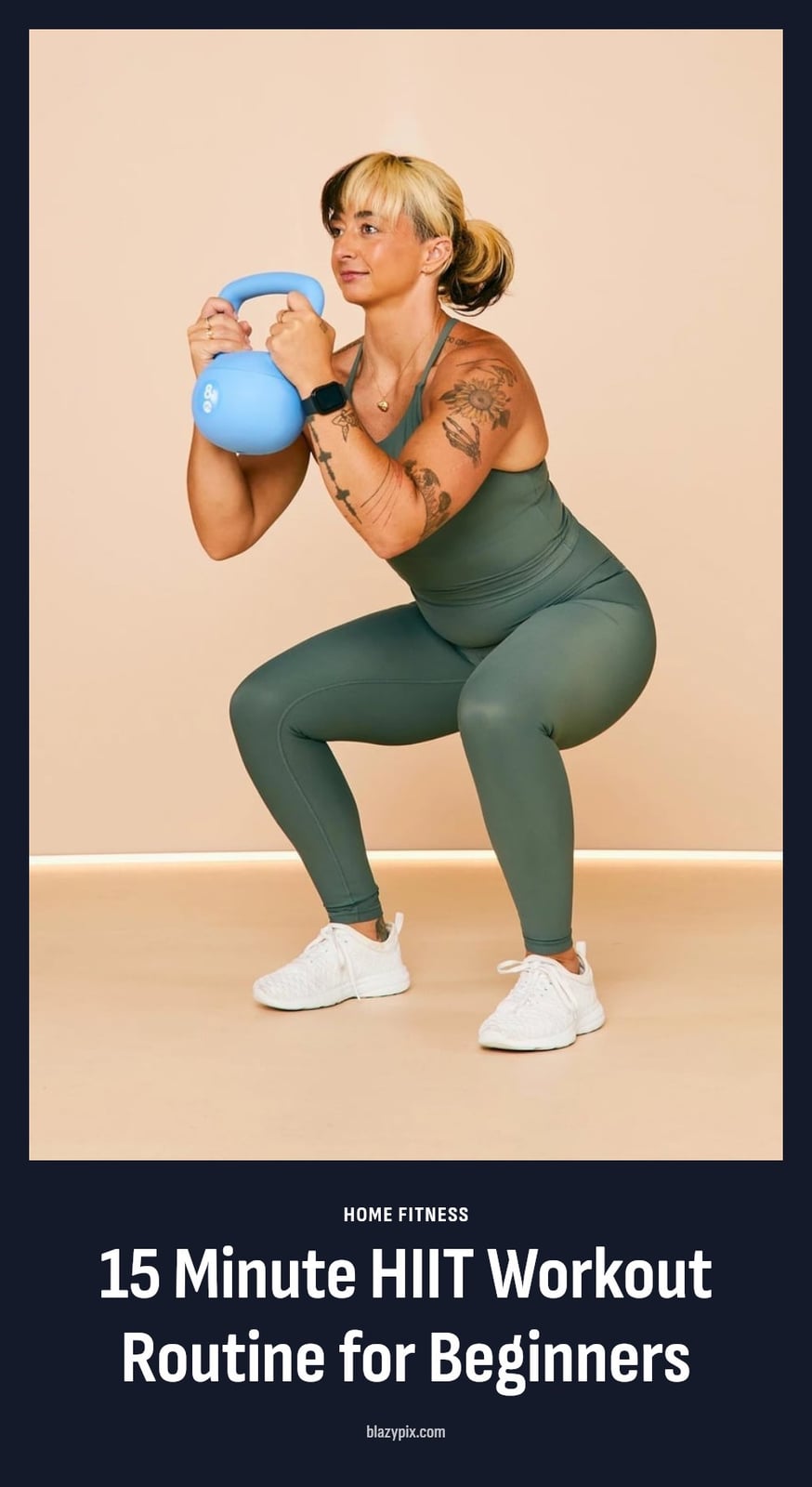
4. Kettlebell Goblet Squat
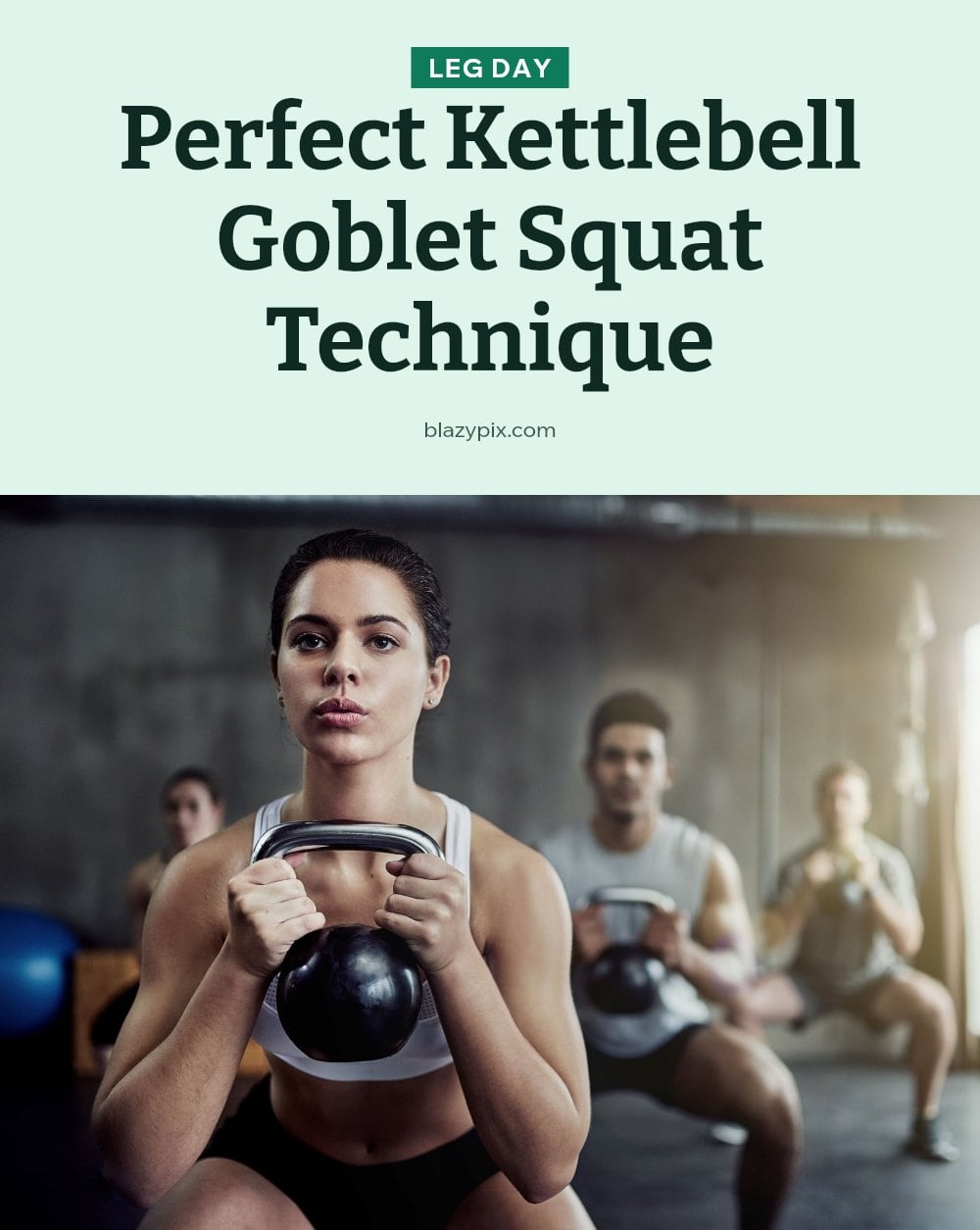
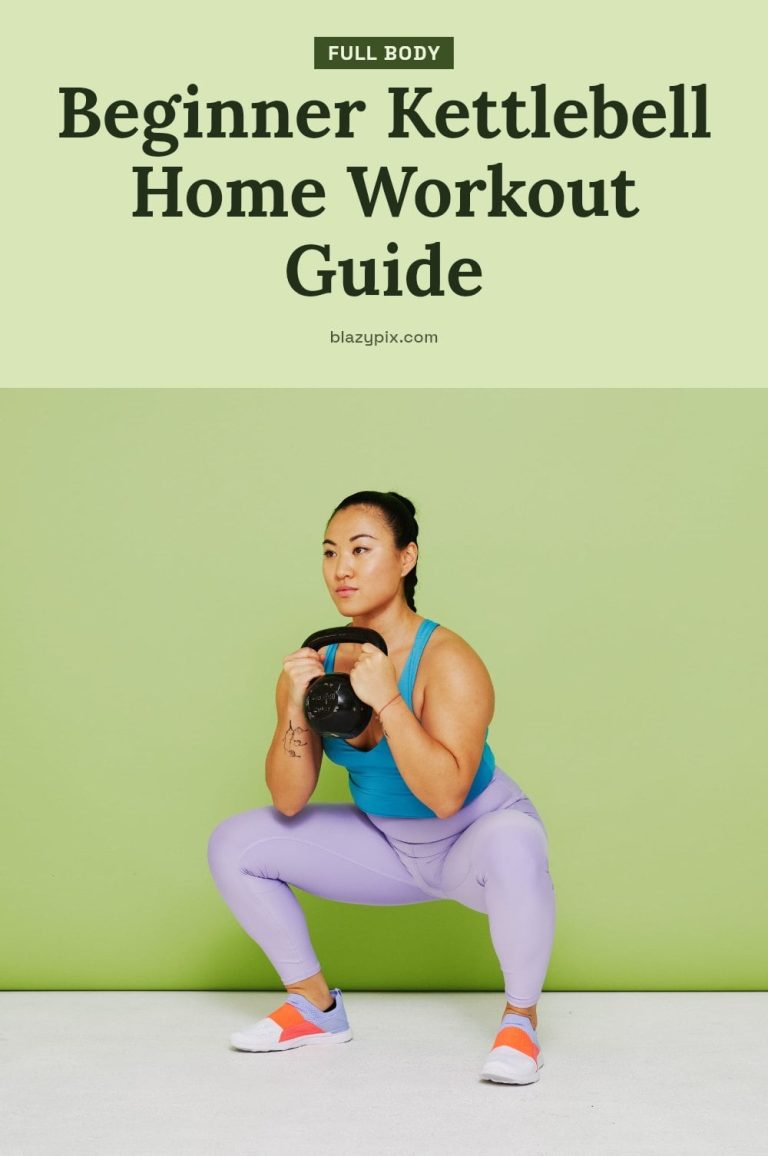
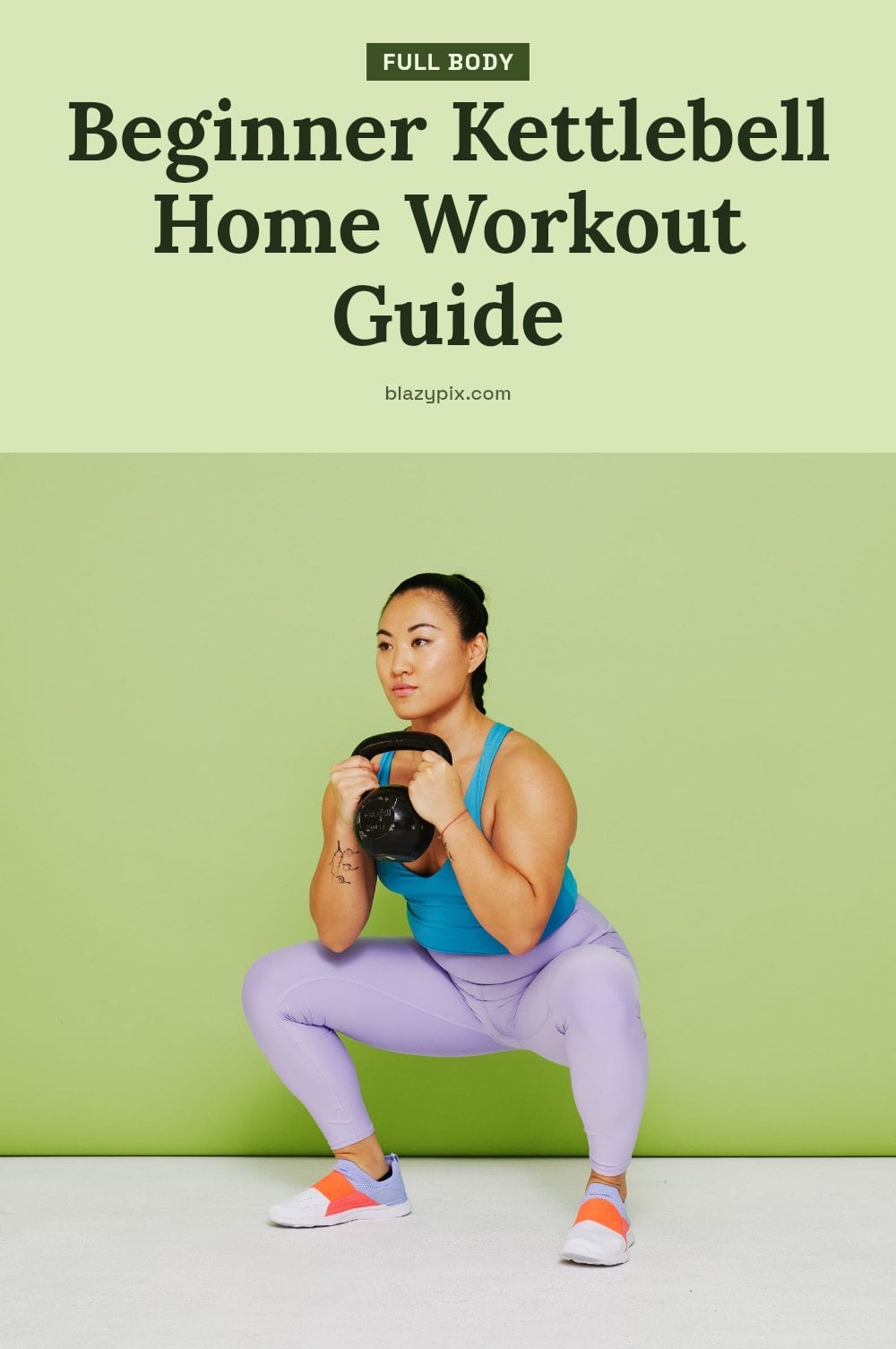
Hold the kettlebell by the horns with both hands, keeping it pressed against your chest. Push your hips back and bend your knees, lowering into a squat. Keep your chest up and your elbows inside your knees. Drive through your heels to stand back up.
- Sets and reps: 3 sets of 8-10 repetitions.
- Form cue: Keep your elbows touching your inner knees at the bottom of the squat to maintain an upright torso.
- Make it easier or harder: Use a lighter kettlebell to focus on depth, or hold the bell at your chest for more challenge.
5. Kettlebell Overhead Press
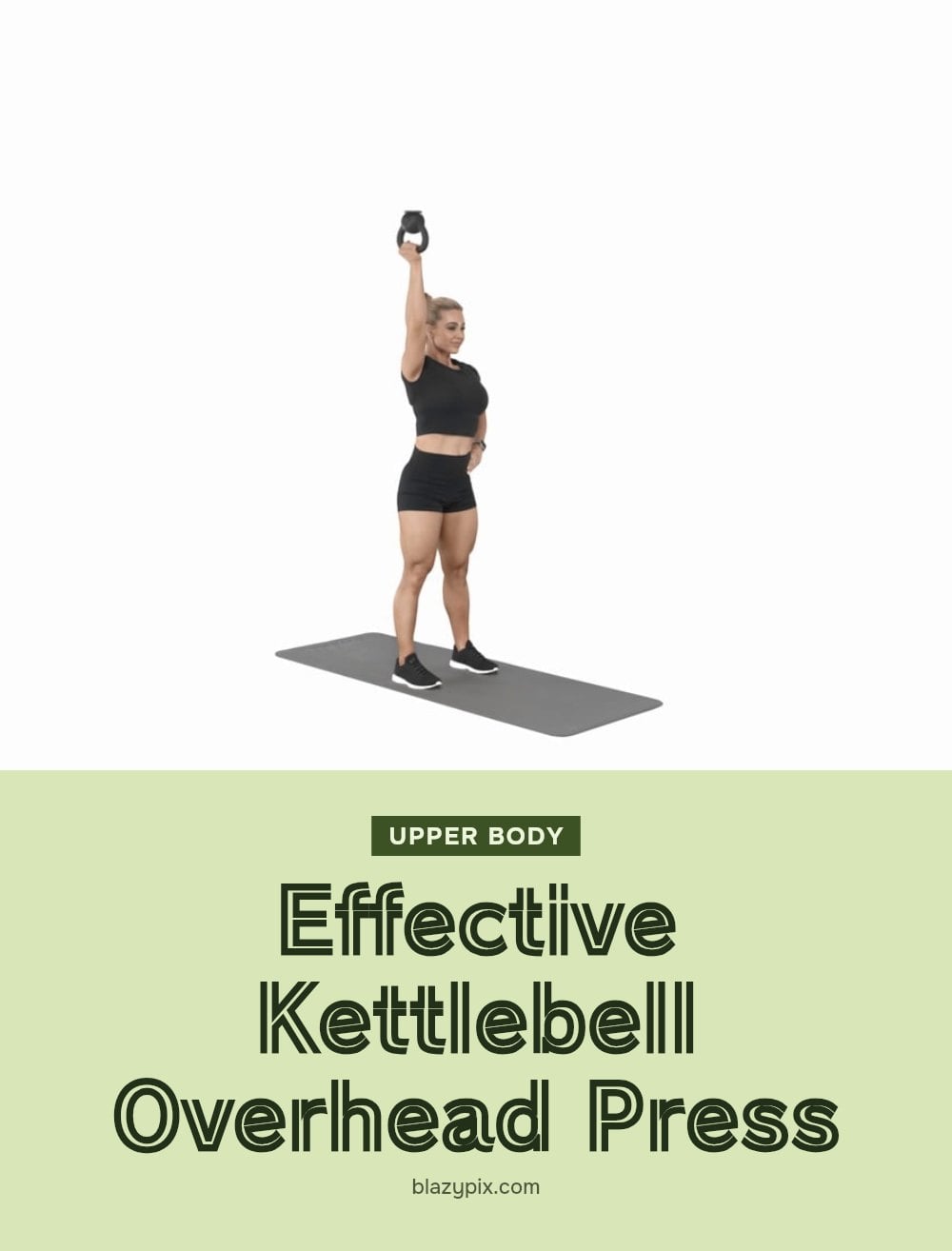
Start with the kettlebell in one hand at shoulder height, palm facing inward. Press the kettlebell straight overhead until your arm is fully extended, keeping your core tight. Lower it back down with control to shoulder height.
- Sets and reps: 3 sets of 6-8 repetitions per arm.
- Form cue: Brace your core before pressing to protect your lower back and keep your ribs from flaring.
- Make it easier or harder: Use a lighter kettlebell to master stability, or perform the press seated for extra core challenge.
6. Kettlebell Row
Hinge at your hips with a flat back, holding the kettlebell on the floor in front of you. Pull the kettlebell up toward your hip, squeezing your shoulder blade at the top. Lower the kettlebell under control to the starting position.
- Sets and reps: 3 sets of 8-10 repetitions per arm.
- Form cue: Keep your back flat and your hips stable throughout the movement to target your back muscles.
- Make it easier or harder: Use a lighter kettlebell to focus on form, or increase weight once you can maintain a flat back.
7. Cool-Down: Gentle Stretches
Finish your workout with gentle static stretches for the muscles you used. Stretch your hamstrings by reaching for your toes, your glutes by pulling one knee to your chest, and your shoulders by crossing one arm across your body. Hold each stretch for 20-30 seconds, breathing deeply.
- Time: 20-30 seconds per stretch.
- Form cue: Breathe deeply into each stretch, relaxing into the position without bouncing.
- Make it easier or harder: Bend your knees slightly if you can’t reach your toes during hamstring stretches.
Your Weekly Kettlebell Workout Schedule
| Day | Workout | Focus |
|---|---|---|
| Monday | Kettlebell workout | Full body, light weight |
| Tuesday | Rest or light walk | Recovery |
| Wednesday | Kettlebell workout | Full body, moderate weight |
| Thursday | Rest or gentle yoga | Mobility |
| Friday | Kettlebell workout | Full body, focus on form |
| Saturday | Rest | Recovery |
| Sunday | Rest | Recovery |
Stick with this schedule for 4-6 weeks. You will likely notice improvements in strength and endurance by then. Allow at least one rest day between kettlebell sessions so your muscles can recover and rebuild.
Common Kettlebell Mistakes to Avoid
Even small form errors can lead to injury over time. Here are the most common ones and how to fix them.
- Using too heavy a kettlebell: Start light to master form, then gradually increase weight. A weight that forces you to round your back or swing with your arms is too heavy.
- Rounding your back: Always maintain a straight, neutral spine, especially during swings and deadlifts. A rounded back puts dangerous strain on your spinal discs.
- Swinging with your arms: The kettlebell swing is a powerful hip-hinge movement, not an arm lift. Your arms are just the handle; your hips drive the motion.
- Skipping warm-ups and cool-downs: These are crucial for injury prevention and flexibility. A cold muscle is a tight muscle, and tight muscles tear more easily.
- Neglecting your core: Engage your core throughout all exercises for stability and power. A loose core means less control and a higher chance of back strain.
Frequently Asked Questions
What size kettlebell should a beginner woman use?
Most women starting out do well with an 8 to 12 kg (18 to 26 lb) kettlebell. Begin at the lighter end of that range to master form, then move up as you get stronger. If you’re unsure, choose a weight that lets you complete all reps with good posture and without straining your lower back.
How often should I do kettlebell workouts?
For best results, aim for 2 to 3 kettlebell sessions per week, with rest days in between for recovery. This frequency allows your muscles to adapt and grow while reducing injury risk. On rest days, light walking or gentle yoga can support recovery without overtaxing your body.
Can kettlebells help with weight loss?
Kettlebell training can support weight loss as part of a balanced routine. The combination of strength and cardio from exercises like swings can boost your heart rate and build muscle, which may increase your metabolic rate. However, weight loss also depends on your overall diet and activity level, so pair your workouts with healthy eating.
Is a kettlebell swing a squat?
No, the kettlebell swing is a hip-hinge movement, not a squat. The power comes from driving your hips forward and squeezing your glutes, not from bending your knees deeply. Your back stays straight, and your arms simply guide the weight. Practicing the hip hinge without a kettlebell first can help you get the movement right.
What’s the most important thing for kettlebell beginners?
The most important thing is to start with a light weight and focus on proper form. Mastering the hip hinge and engaging your core will protect your back and make every exercise more effective. Watching instructional videos or working with a certified trainer can also help you learn safe technique from the start.
Final Thoughts
My tip: pick one day this week to do just the deadlift and goblet squat, focusing on your hip hinge and form. Then, gradually add the swing and other exercises as you feel more comfortable. With consistent practice 2-3 times a week, you’ll likely notice gains in strength and endurance within 4 to 6 weeks. Remember, the best workout is the one you stick with, so keep it simple and listen to your body.
This article is for general informational purposes only and is not a substitute for professional medical or fitness advice. Before starting any new exercise program, especially if you have health conditions or injuries, consult a healthcare provider or certified trainer. Stop immediately if you feel sharp pain and seek professional guidance for persistent issues.