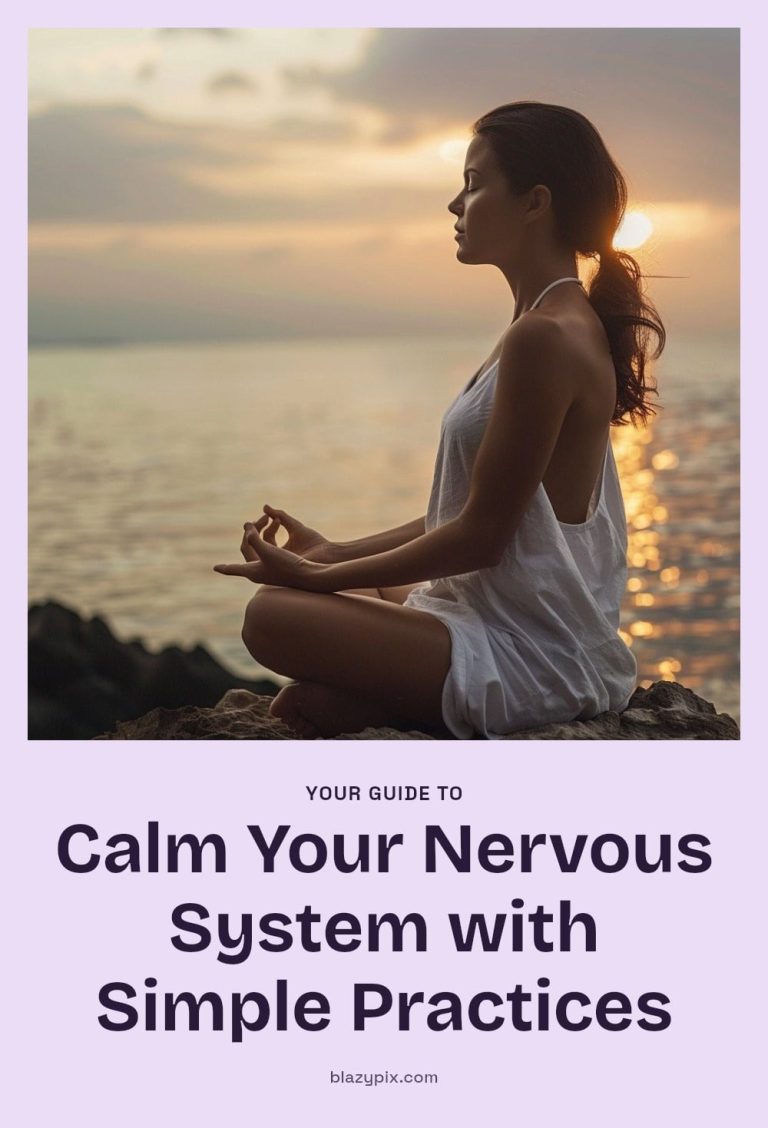
Simple Practices to Regulate Your Nervous System for Calm
Feeling overwhelmed? Learn simple, daily practices to regulate your nervous system, reduce stress, and cultivate a sense of calm and well-being.

You know that wired, on-edge feeling that just won’t quit? It’s your nervous system stuck in fight-or-flight mode. Regulating it is about teaching your body to shift back to rest and digest, and the best part is that simple daily habits can make a real difference. This article walks you through the why and the how, from breathing techniques to lifestyle tweaks, so you can find your calm.
Key Takeaways
- Practice slow, deep belly breathing daily to activate your vagus nerve and signal relaxation.
- Gentle movement like walking or yoga helps release tension and support nervous system balance.
- Spending a few minutes outdoors each day can reduce stress hormones and improve mood.
- Consistency matters more than intensity; aim for small, repeatable habits over several weeks.
- Consult a healthcare professional if you experience severe or persistent anxiety or panic attacks.
What Does It Mean to Regulate Your Nervous System?
Your nervous system has two main settings: the sympathetic “fight or flight” mode and the parasympathetic “rest and digest” mode. Regulation means using daily practices to shift your body from a state of high alert into a state of calm and recovery. The goal is to feel less on edge, anxious, or fatigued, and more grounded and resilient over time.
Why Your Nervous System Might Be Dysregulated
What throws it off balance
Chronic stress keeps your sympathetic nervous system switched on, even when no real threat exists. This constant “fight or flight” state can show up as anxiety, digestive trouble, poor sleep, or ongoing fatigue. Your autonomic nervous system runs these involuntary functions through two branches: the sympathetic (stress response) and parasympathetic (relaxation response). When the sympathetic branch dominates for too long, your vagal tone, the activity of the vagus nerve that helps you calm down, weakens, making it harder to return to a rested state.
Simple Tools to Support Your Regulation Journey
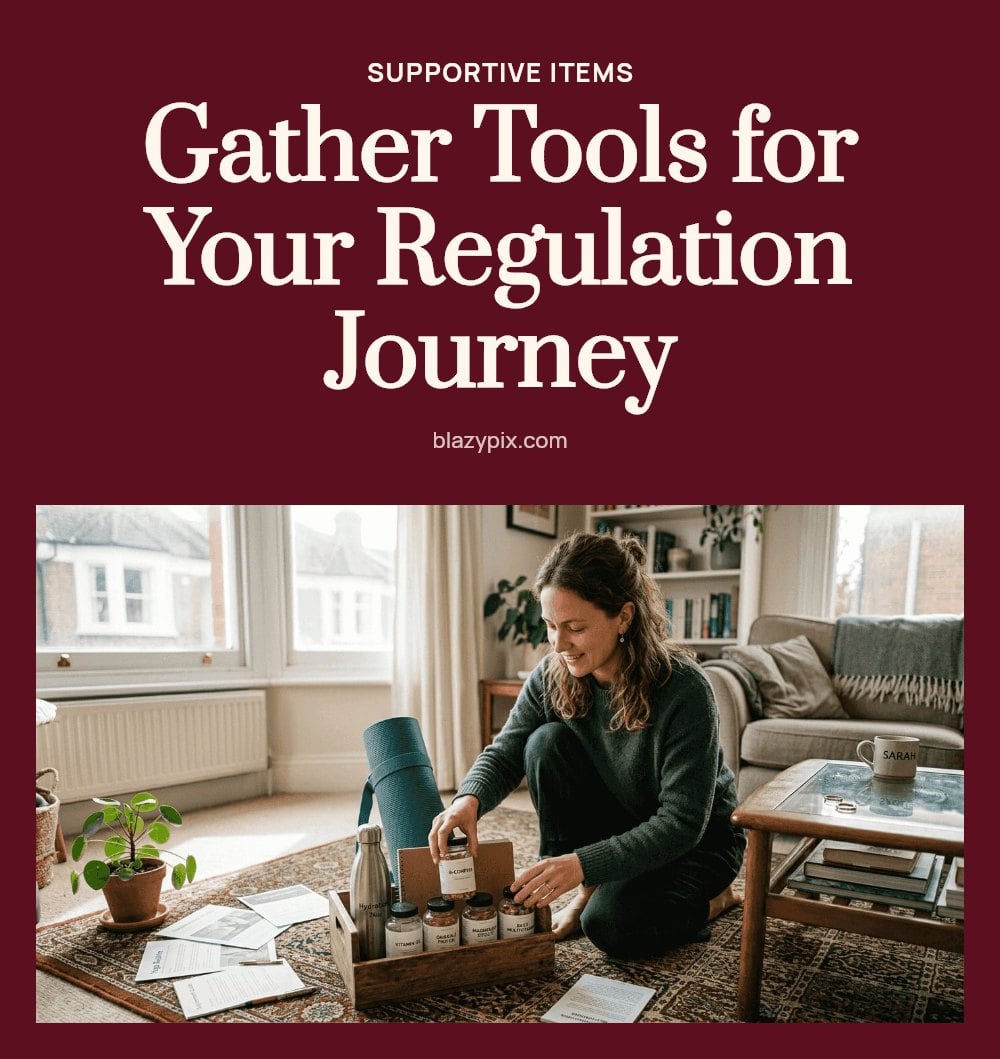
You don’t need much to get started. Comfortable clothing lets you move freely during breathing or stretching. A yoga mat is optional but nice for floor exercises. A meditation cushion can help your posture during seated mindfulness practice, which you can try for a few minutes each day. Keep a journal handy for reflecting on how you feel. And always have a water bottle nearby, staying hydrated supports every system in your body, including your nervous system.
Daily Practices for a Calmer Nervous System
- Breathe slowly and deeply: Practice diaphragmatic breathing for a few minutes each day. Inhale through your nose, let your belly expand, then exhale slowly. This activates the vagus nerve and signals your body to relax.
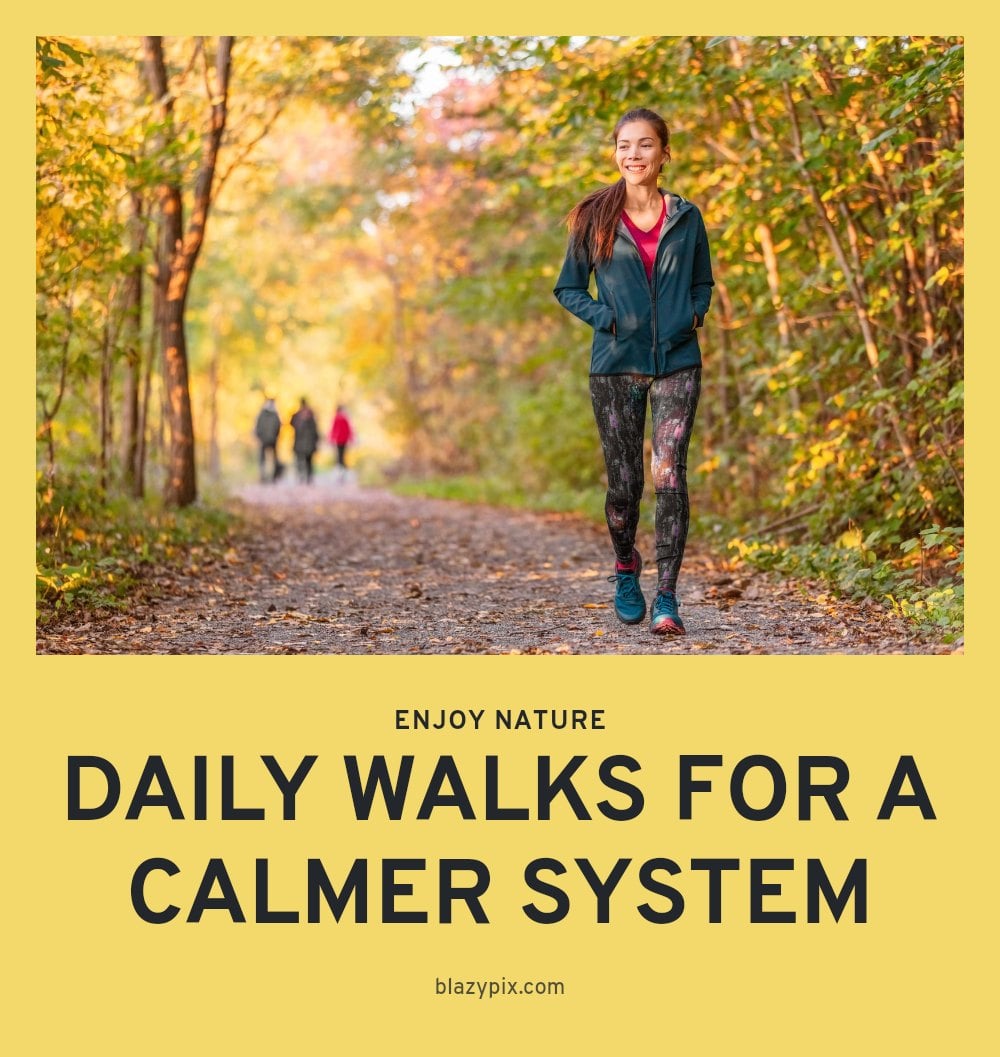
- Move gently: A short walk, yoga session, or simple stretching releases physical tension built up from stress. Even 10 minutes counts.
- Step outside: Time in nature, even a few minutes in a park or your backyard, can lower stress hormones and lift your mood.
- Prioritize sleep: Keep a consistent sleep schedule. Your nervous system repairs itself during deep sleep, so aim for 7-9 hours each night.
- Find joy and connection: Do something that makes you happy, a hobby, a laugh with a friend, or a phone call with someone who supports you. Positive social contact helps regulate your system.
- Try short mindfulness: Sit quietly for 3-5 minutes and focus on your breath or a single sensation. You’re training your brain to observe stress without reacting to it.
Common Mistakes When Regulating Your Nervous System
These are the patterns I see most often, and I have fallen into every one of them.
- Expecting instant results: Nervous system regulation is a gradual process. Consistency matters more than intensity.
- Trying to eliminate all stress: Stress is a natural part of life. The goal is to manage your response to it, not erase it.
- Ignoring physical symptoms: Physical signs of stress are real and need attention, not just mental reframing.
- Neglecting basic lifestyle needs: Sleep, nutrition, and hydration are foundational to nervous system health.
- Overscheduling yourself: Make time for rest and recovery to allow your system to reset.
Tips for Sustained Nervous System Support
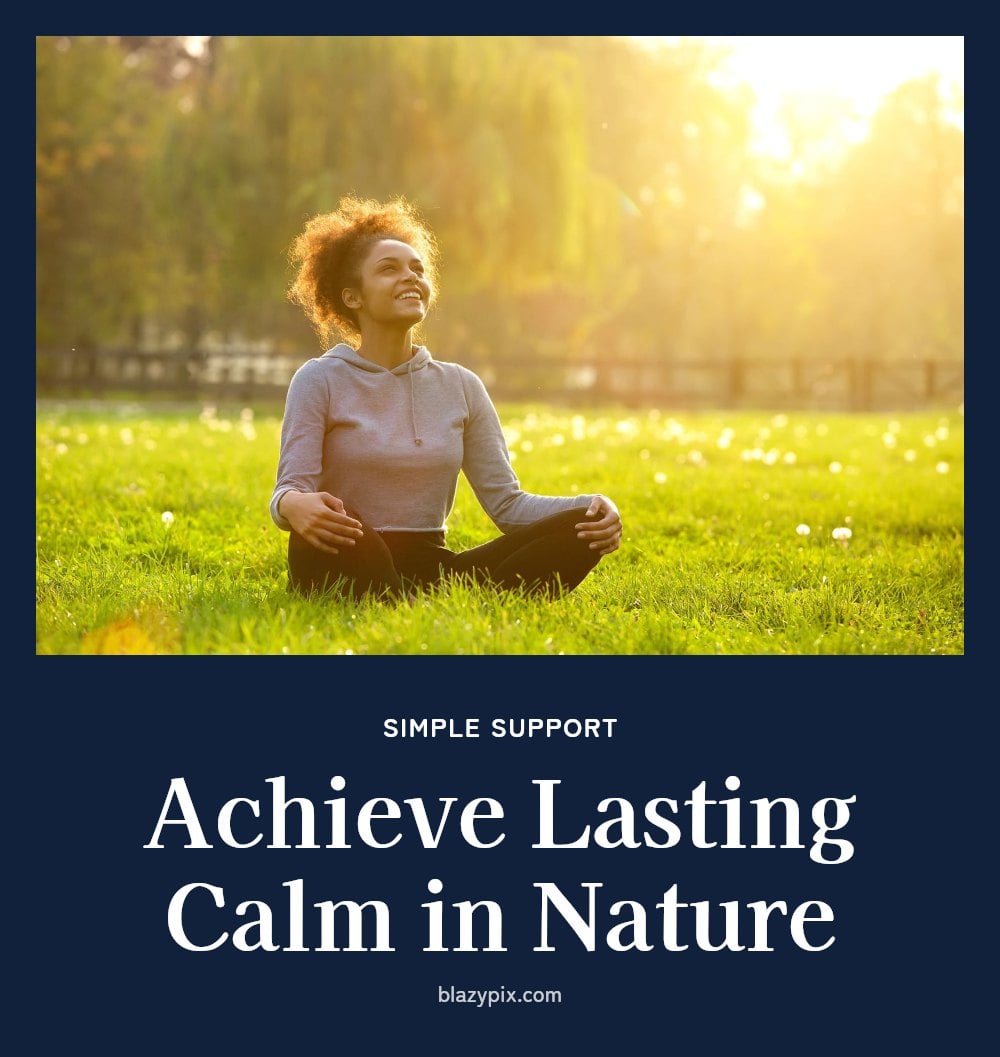
Small, repeatable habits carry you further than one intense week of effort.
- Start small: Even 5 minutes of mindful breathing or outdoor time can make a difference.
- Listen to your body: Pay attention to what practices feel good and which might be too much.
- Create a routine: Incorporate practices into your daily schedule to build habits.
- Seek joy: Actively engage in hobbies and activities that bring you genuine happiness.
- Stay hydrated: Water is essential for every bodily function, including nervous system health.
My tip: Attach one practice to something you already do daily, like a few slow breaths before your morning coffee, so you do not need extra willpower.
When to Seek Professional Help for Your Nervous System
Self-help has limits, and noticing them is not a failure.
- If you experience severe or persistent anxiety, panic attacks, or symptoms of depression.
- When self-help practices aren’t providing sufficient relief or symptoms worsen.
- If you have underlying medical conditions that might be affected by certain practices, such as cold exposure.
These practices are complementary and not a substitute for professional medical or mental health treatment. Talk to a doctor or mental health professional about what you are experiencing.
Timeline and Cost of Nervous System Regulation
Think in weeks, not days. Most practices are free, though optional tools like a yoga mat or journal may have minimal costs.
- Timeline: Consistent daily practice typically shows noticeable improvements in stress response and overall well-being within several weeks to months.
- Consistency: The key is regular, gentle engagement rather than intense, sporadic efforts.
- Cost: Most practices mentioned are free, including breathing, nature, sleep, and social connection. Any costs are minimal for optional tools like a yoga mat or journal.
Frequently Asked Questions
How long does it take to regulate a dysregulated nervous system?
With consistent daily practice, many people notice improvements in their stress response and overall well-being within several weeks to months. The key is regular, gentle engagement rather than intense, sporadic efforts. Think in weeks, not days, and be patient with your progress.
Can diet impact nervous system regulation?
Yes, what you eat can influence how your nervous system functions. A balanced diet with adequate hydration supports overall health, including nervous system repair and regulation. While diet alone won’t fix chronic dysregulation, it plays a supporting role alongside other practices like breathing and movement.
What are the signs of a regulated nervous system?
When your nervous system is regulated, you typically feel a sense of calm and balance. You may notice improved sleep, better digestion, reduced anxiety, and an ability to handle everyday stressors without feeling overwhelmed. Your body can shift from alert to relaxed more easily.
Is cold exposure safe for everyone?
Cold exposure, like cold showers or splashing cold water on your face, is not safe for everyone. If you have heart conditions, Raynaud’s phenomenon, or other medical issues, consult a doctor before trying it. Always listen to your body and stop if you feel pain or discomfort.
Can I regulate my nervous system without professional help?
Yes, many people successfully regulate their nervous system using daily practices like deep breathing, gentle movement, time in nature, and adequate sleep. However, if you experience severe or persistent anxiety, panic attacks, or symptoms of depression, or if self-help practices aren’t providing relief, it’s important to consult a healthcare professional.
Final Thoughts
To really support your nervous system, pick one practice from this list and commit to it for a few minutes each day. It might be slow breathing, a short walk, or sitting quietly outdoors. Expect noticeable shifts in your stress response after several weeks of consistent practice, not overnight. The goal is not to eliminate stress but to build your body’s ability to return to calm.
The information in this article is for general informational purposes only and does not constitute medical or professional advice. These practices are complementary and not a substitute for professional medical or mental health treatment. If you have a persistent or serious problem, please consult a doctor, therapist, or other qualified healthcare provider.