Burnout Recovery: Simple Steps to Feel Like Yourself Again
Feeling overwhelmed and drained? Learn simple, actionable steps to recover from burnout and regain your energy and well-being.

You are tired in a way that sleep does not fix, and the things you used to care about feel distant. That is not a character flaw or a sign you are weak. Burnout is real, and it builds up slowly from prolonged stress, often at work or while caring for others. The good news is that recovery is possible, but it asks for patience rather than force.
This article walks through what burnout actually is, how to spot the signs early, and the practical steps that help you rebuild your energy, from sleep and boundaries to support and small daily breaks. My tip: read it slowly and pick one thing to try this week, not all of them.
Key Takeaways
- Burnout is exhaustion plus cynicism and a sense of ineffectiveness, not ordinary tiredness.
- Aim for 7-9 hours of sleep and 10-15 minutes of mindfulness or meditation daily.
- Set boundaries, say no, and delegate tasks at work and at home.
- Recovery takes weeks, months, or longer, so expect a gradual process.
- See a doctor or therapist if symptoms are severe, persistent, or worsening.
What is Burnout and Why Does It Happen?
Burnout is a state of emotional, physical, and mental exhaustion caused by prolonged or excessive stress, most often from work or caregiving. It goes beyond ordinary tiredness. The World Health Organization classifies it as an occupational phenomenon resulting from chronic, unmanaged workplace stress, though it can spill into personal life too. Three core signs define it: overwhelming exhaustion, cynicism or detachment from your role, and a reduced sense of accomplishment. Because burnout runs deeper than a bad week, recovery requires a multi-faceted approach that addresses rest, boundaries, and reconnecting with what matters.
Recognizing the Signs: Are You Experiencing Burnout?
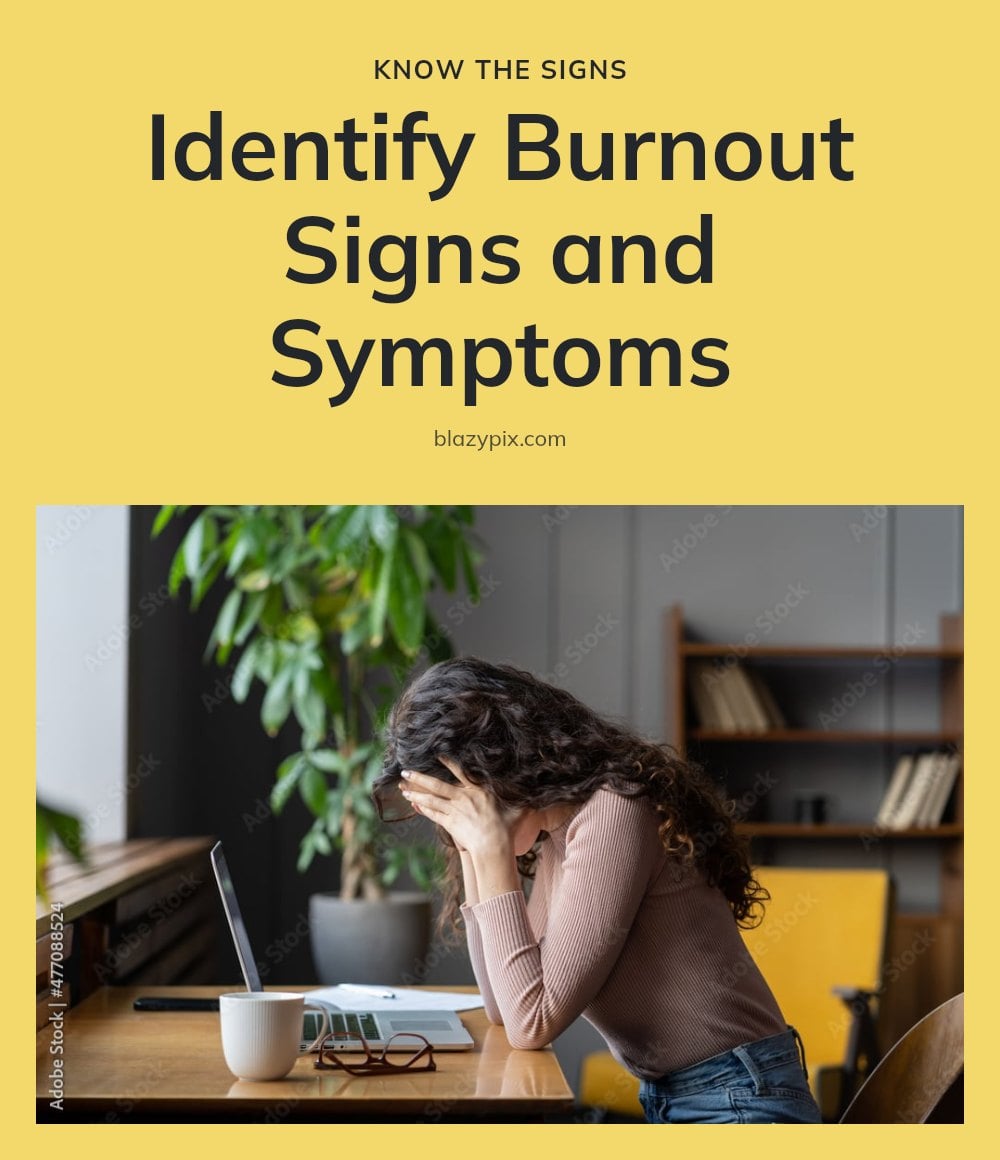
Burnout shows up in your body and mind long before you might name it. Recognizing these signs early can help you take action before the exhaustion deepens.
Physical symptoms
- Chronic fatigue: You feel drained no matter how much you sleep.
- Frequent headaches and digestive issues: Ongoing stress takes a toll on your gut and tension patterns.
- Weakened immunity: You get sick more often or take longer to recover.
Emotional and mental signs
- Irritability and anxiety: Small frustrations trigger outsized reactions.
- Feelings of helplessness: You stop believing your efforts make a difference.
- Difficulty concentrating: Focus slips, and even simple tasks feel heavy.
A key characteristic of burnout is a sense of ineffectiveness and lack of accomplishment. You may be working harder yet feel you achieve less. These symptoms arise from prolonged, unmanaged stress often tied to demanding roles at work or at home.
Practical Strategies to Begin Your Burnout Recovery
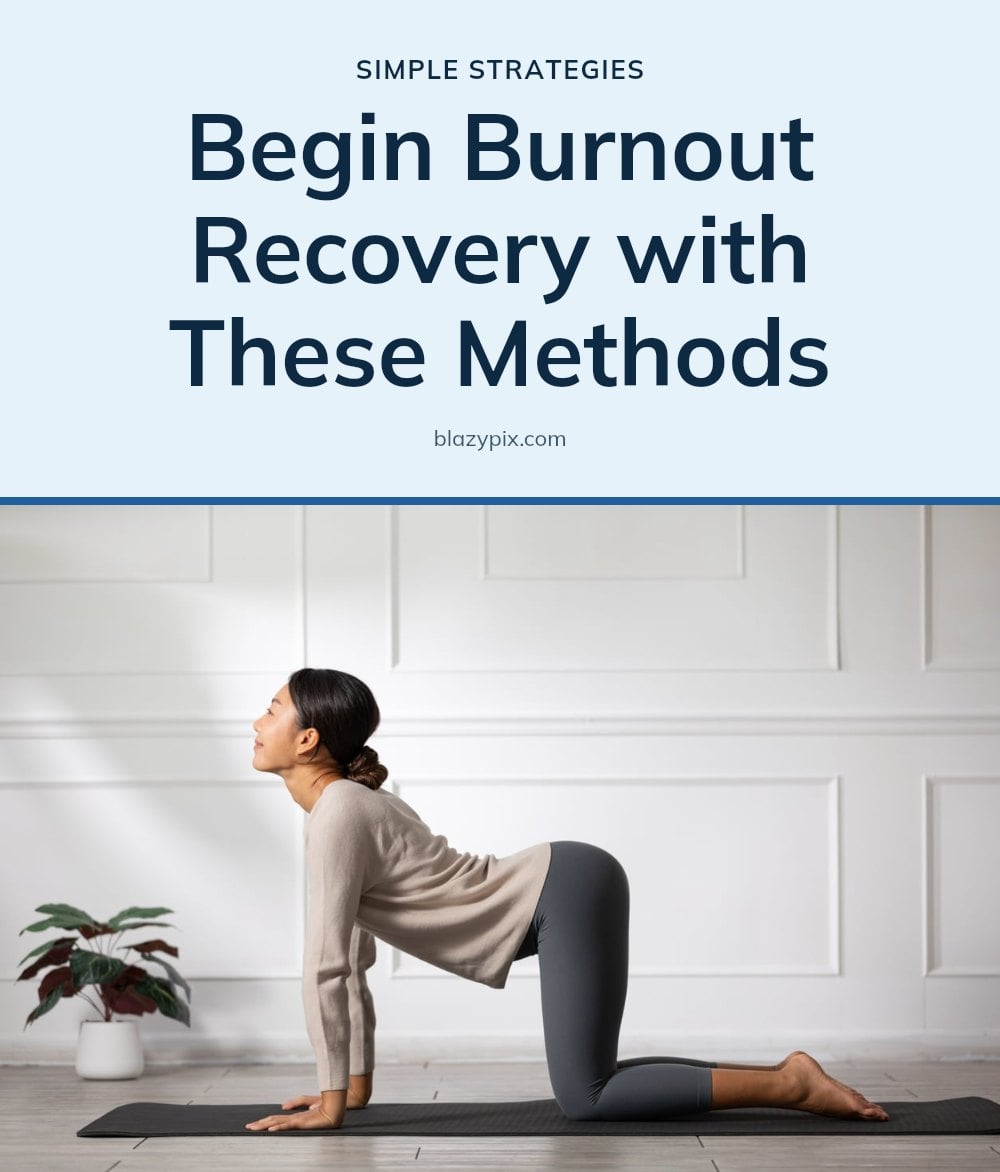
Recovery starts with small, consistent actions. You do not need to overhaul your life overnight. The strategies below target the physical, mental, and social roots of burnout.
Restore your physical foundation
Prioritize sleep: Aim for 7-9 hours consistently. Keep your bedroom cool, dark, and screen-free for the hour before bed. Incorporate regular physical activity: Even a 15-minute walk outside can lower stress hormones and improve mood. Nourish your body: Eat balanced meals with protein, fiber, and healthy fats. Limit caffeine after 2 p.m. and cut back on sugar spikes that leave you crashing.
Rebuild mental resilience
Practice mindfulness or meditation: Start with 5-10 minutes daily using a guided app. Focus on your breath or a simple body scan. My tip: I keep a short meditation saved on my phone for the moments I feel tension rising. Even two minutes of deep breathing can shift your nervous system. Set clear boundaries: Define when work ends each day. Turn off notifications after hours and avoid checking email first thing in the morning.
Lighten your load
Delegate tasks: At work, ask a colleague to handle one item on your plate. At home, assign chores to family members or swap tasks with a partner. Reconnect with hobbies: Schedule time for an activity that brings joy without a goal attached, like reading, gardening, or sketching. This restores your sense of accomplishment outside of work.
Common Burnout Recovery Mistakes to Avoid
Avoiding common recovery mistakes can save you weeks of frustration. Here is what to watch for and what to do instead.
- Don’t confuse burnout with simple stress. Burnout is deeper and requires more than a weekend off. Recognize its severity so you take the right steps.
- Don’t try to power through. Working harder or longer will deepen the exhaustion. Make fundamental changes to your habits and environment.
- Don’t neglect self-care as a luxury. Sleep, movement, and quiet time are necessities for recovery, not extras you earn after finishing everything.
- Don’t expect a quick recovery. Burnout lifts gradually over weeks or months. Focus on sustainable changes, not instant fixes.
- Don’t isolate yourself. Reach out to trusted friends, family, or a support group. Sharing your experience reduces shame and gives you perspective.
Building Resilience: How to Prevent Burnout From Returning
Preventing burnout from returning means building habits that protect your energy before stress accumulates. Start with the basics that already helped you recover: keep sleep at 7-9 hours, move your body daily, and eat balanced meals. These are not optional extras, they are the foundation that keeps your nervous system resilient.
- Keep boundaries firm: Define when work ends and personal time begins, and stick to it even on busy days.
- Schedule joy: Put hobbies and activities you love on your calendar like appointments, so they actually happen.
- Practice saying no: Decline tasks that drain you, and delegate what someone else can handle, at work and at home.
- Take real breaks: Step away daily, protect your weekends, and use vacation time without guilt.
- Recheck your values: Once a month, ask if your daily activities still match what matters to you, and adjust when they drift.
My tip: prevention is not about adding more to your plate, it is about protecting the space that lets you recover as you go.
Helpful Tools and Resources for Your Recovery Journey
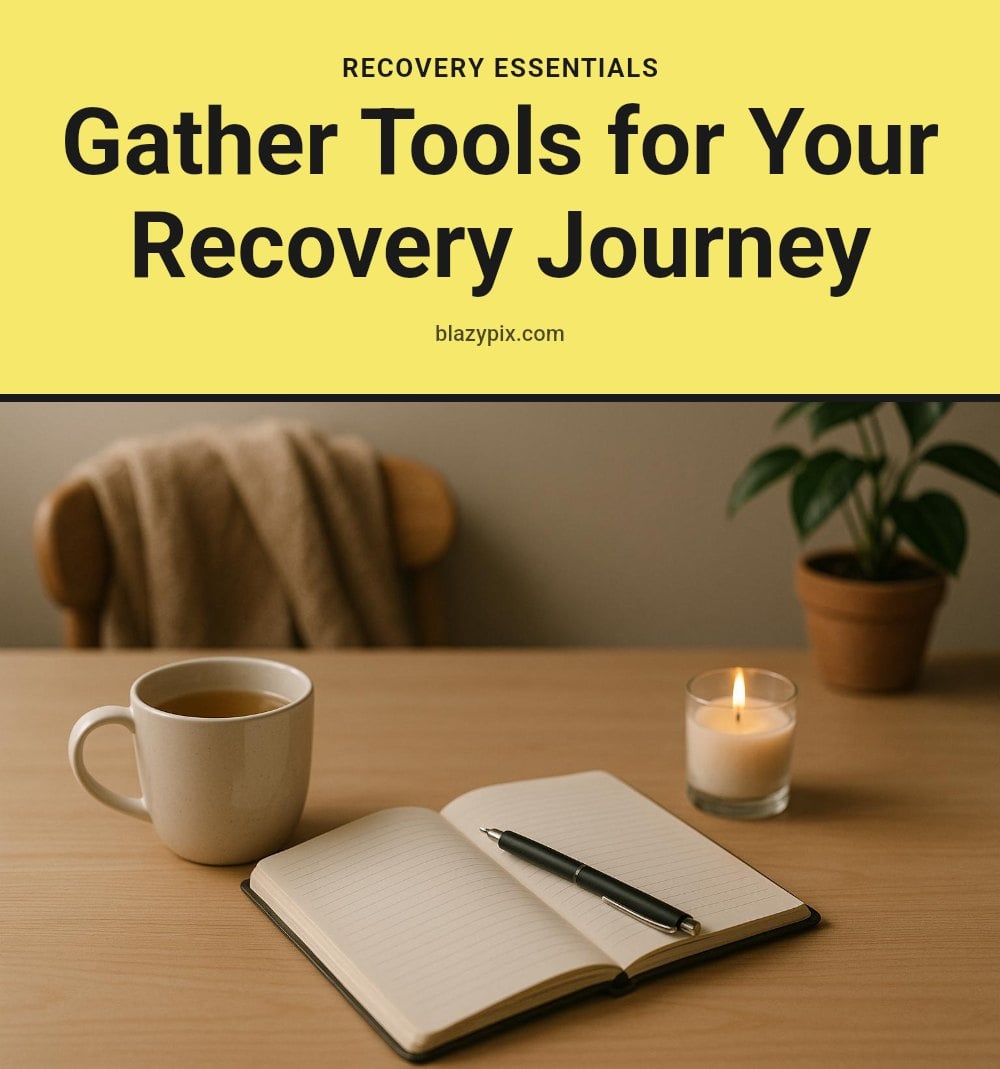
Having the right tools can make your recovery feel more manageable. A journal or notebook helps you track patterns, emotions, and small wins each day. Meditation apps or guided resources offer structured mindfulness practice, try 10 minutes before bed to quiet your mind.
- Comfortable walking shoes remove the barrier to short walks, which can reset your mood and energy.
- Healthy meal planning tools (a weekly planner or simple recipe list) support balanced nutrition without extra decision fatigue.
- A therapist or counselor provides professional guidance tailored to your situation.
- Support groups (in-person or online) let you hear others’ coping strategies and reduce feelings of isolation.
When to Seek Professional Support for Burnout
If you experience severe or persistent symptoms of depression, anxiety, or suicidal thoughts, seek immediate professional help. Burnout can mimic or worsen other health conditions, so a doctor can rule out underlying medical issues. A therapist or counselor offers coping strategies and perspective tailored to your situation. If your workplace environment is toxic or abusive, consider advice from HR or a legal professional.
Understanding Your Burnout Recovery Timeline
Recovery from burnout is a gradual process, not a quick fix. It can take weeks, months, or even longer, depending on how severe your exhaustion is and your individual circumstances, including workload, caregiving duties, and support at home. Consistent effort and self-care are the key factors that determine how long it takes. Focus on sustainable changes rather than expecting immediate results.
- Weeks: small shifts in sleep, boundaries, and breaks start to show.
- Months: energy and motivation often return more steadily.
- Longer: deeper depletion may need more time and professional support.
Frequently Asked Questions
How long does it take to recover from burnout?
There is no fixed timeline. Recovery is gradual and can take weeks, months, or even longer depending on how severe your exhaustion is, your workload, caregiving duties, and the support around you. Consistent self-care matters more than speed, so give yourself room to move slowly.
Can burnout lead to other health problems?
It can. Burnout may mimic or worsen other health conditions, and common physical signs include chronic fatigue, frequent headaches, digestive issues, and weakened immunity. Because those symptoms can have other causes, a doctor can help rule out underlying medical issues before you assume burnout is the whole story.
What’s the difference between stress and burnout?
Stress usually comes with a sense of urgency and can ease when the pressure lifts. Burnout is deeper: it combines overwhelming exhaustion, cynicism or detachment, and a reduced sense of accomplishment. That is why a weekend off rarely fixes it and why it needs changes to habits, boundaries, and environment.
Can I prevent burnout from coming back?
You can reduce the odds by keeping the basics in place: 7-9 hours of sleep, daily movement, balanced meals, clear boundaries, and regular breaks. Reconnecting with hobbies and people outside work also helps protect your energy. Watch for early warning signs and address them before they build.
Is burnout a recognized medical condition?
Not exactly. The World Health Organization classifies burnout as an occupational phenomenon resulting from chronic, unmanaged workplace stress, not a medical condition. That said, it can stem from caregiving or personal stress too, and it deserves real attention rather than being dismissed as a bad week.
Final Thoughts
My recommendation: treat recovery as a series of small, repeatable habits rather than one big fix. Start with sleep and one boundary you can actually hold this week, then add movement, breaks, or time with people who refill you. Expect it to take weeks or months, not days, and judge progress by how often you feel steady rather than by a single good day.
If you slip back into old patterns, that is information, not failure. Adjust and keep going. You do not have to earn rest, and you do not have to recover alone.
This article offers general information and is not medical or professional advice. Burnout can overlap with other health conditions. If your symptoms are severe, persistent, or getting worse, or if you have thoughts of self-harm, speak with a doctor, therapist, or other qualified professional.