Mastering Portioning for Effective Weight Management
Learn how to master portioning for weight loss. Discover easy techniques and practical tips to control your food intake and achieve your health goals.

If you’ve ever wondered why your healthy meals aren’t helping you manage your weight, the answer might be simpler than you think: portion size. It’s not just what you eat but how much that makes a real difference. This article covers practical, everyday strategies for portion control so you can enjoy your favorite foods without overdoing it.
Key Takeaways
- Use measuring cups, spoons, or a food scale to learn true serving sizes.
- Fill half your plate with non-starchy vegetables for a naturally filling meal.
- Pre-portion snacks into individual containers to avoid eating straight from the bag.
- Eat slowly and stop when satisfied, not completely full.
- Drink a glass of water 30 minutes before meals to help control hunger.
What is Portioning and Why Does It Matter for Weight Loss?
Portioning, or portion control, is simply managing how much food you eat at each meal to match your body’s needs and your health goals, especially for weight management. It means learning what a standard serving size looks like and how to estimate or measure your food accurately. The beauty of effective portion control is that it helps you reduce overall calorie intake without cutting out the foods you love, making it a balanced, sustainable habit.
1. Understand Serving Sizes and Portions
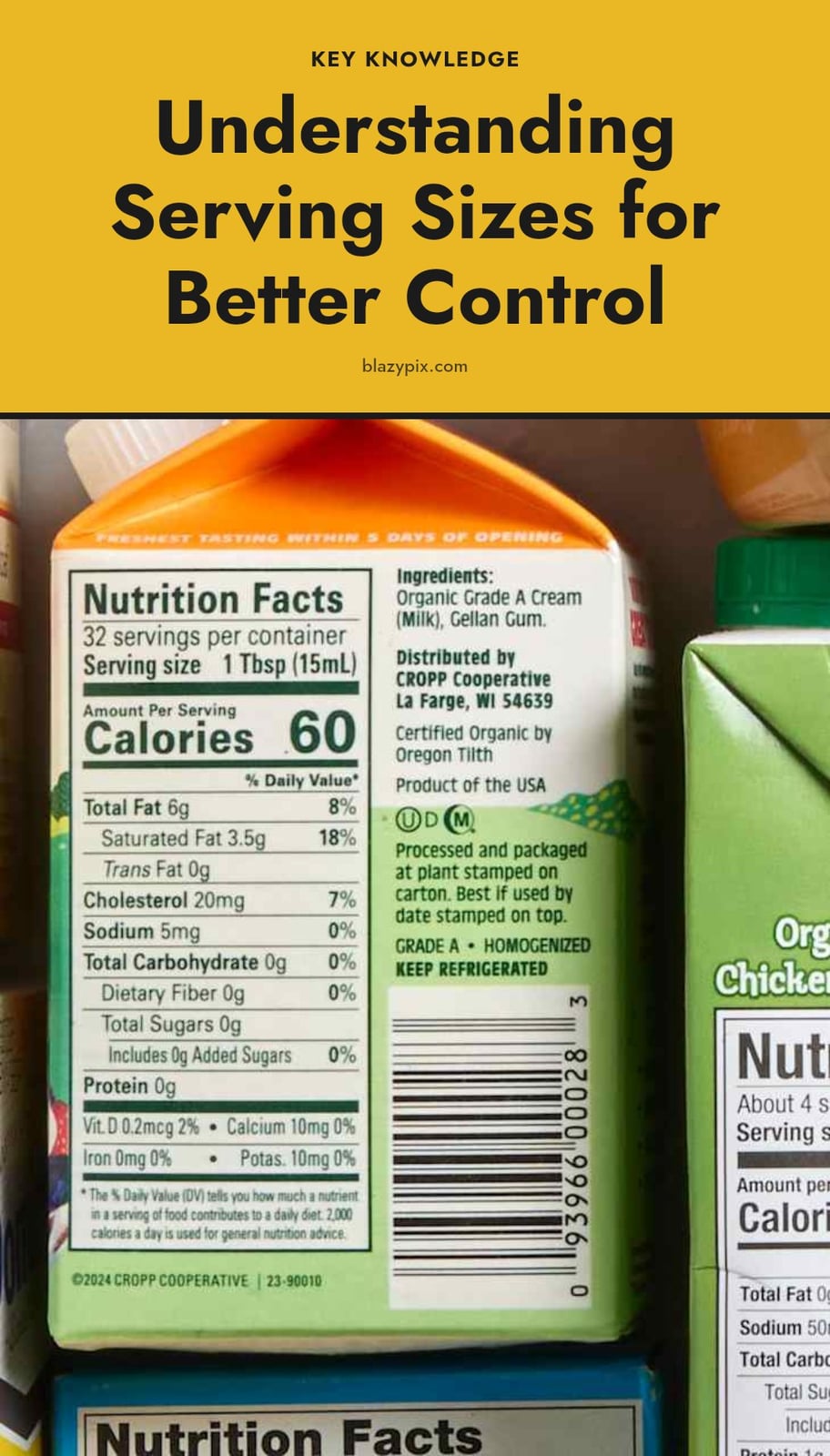
A standard serving size is a fixed amount of food, listed in cups, ounces, or grams on nutrition labels. Your portion size is the amount you actually choose to eat, which can be bigger or smaller than that serving.
My tip: Always check the nutrition label to see the recommended serving size for packaged foods. Use that as your baseline before you decide how much to dish out.
2. Use Measuring Tools
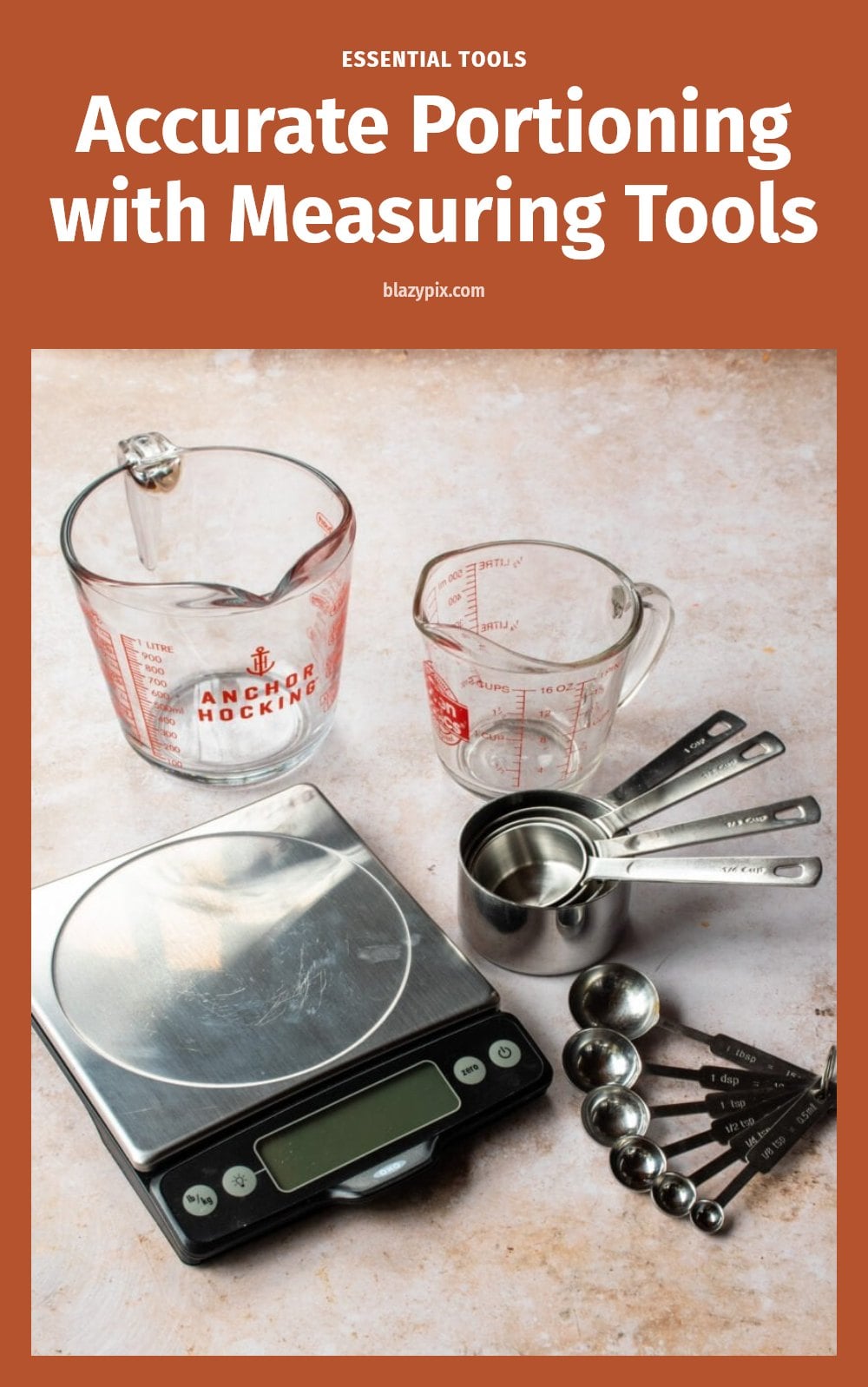
When you’re just starting, measuring cups, spoons, and a food scale are essential for accuracy. They train your eye to recognize what a true serving looks like before you switch to guessing.
A simple kitchen scale is particularly helpful for foods like grains, pasta, or proteins. Weighing takes just a few seconds and prevents accidentally doubling your portion. My tip: for consistent results, place your bowl on the scale, zero it out, then add the ingredient.
3. Practice the Plate Method
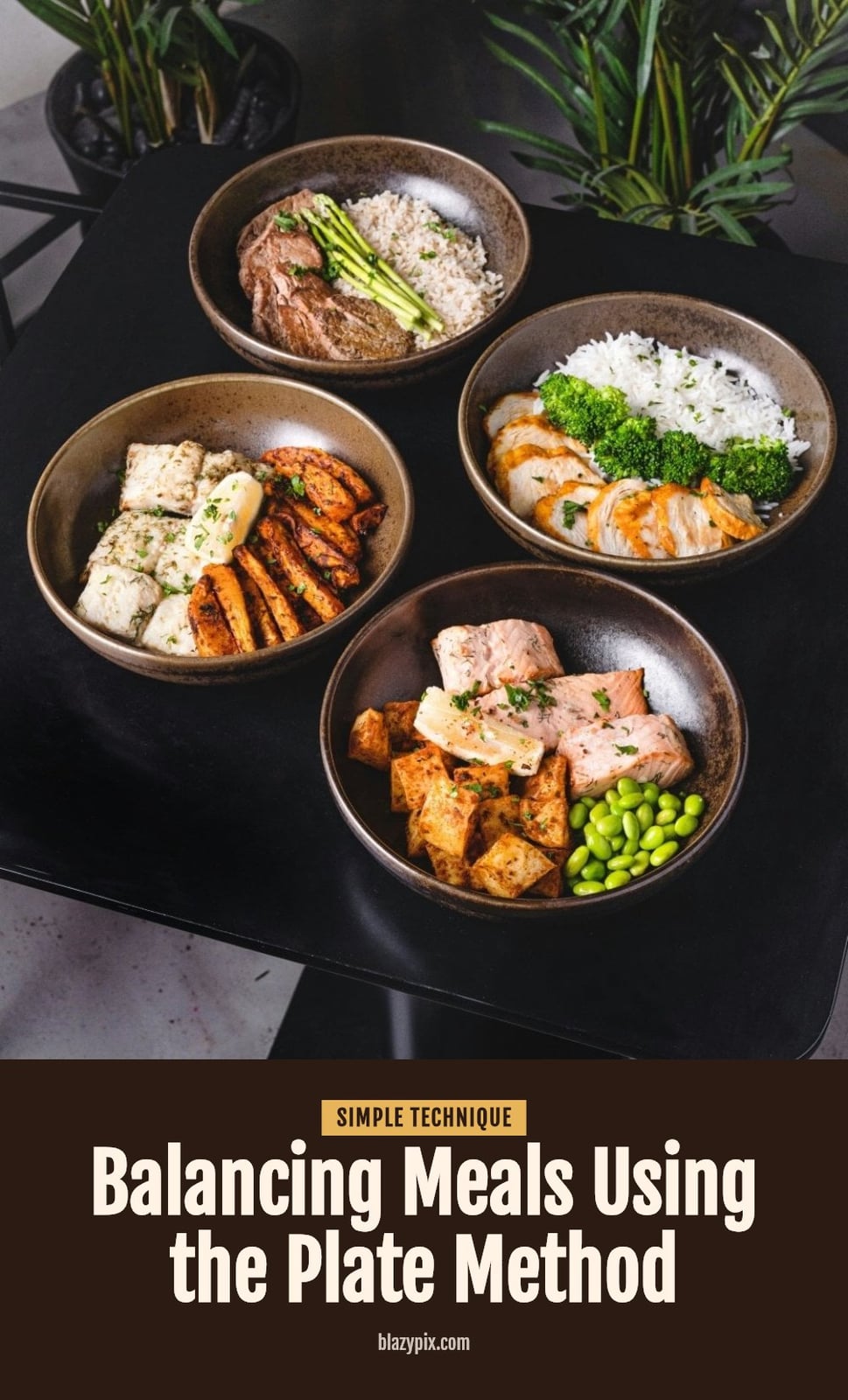
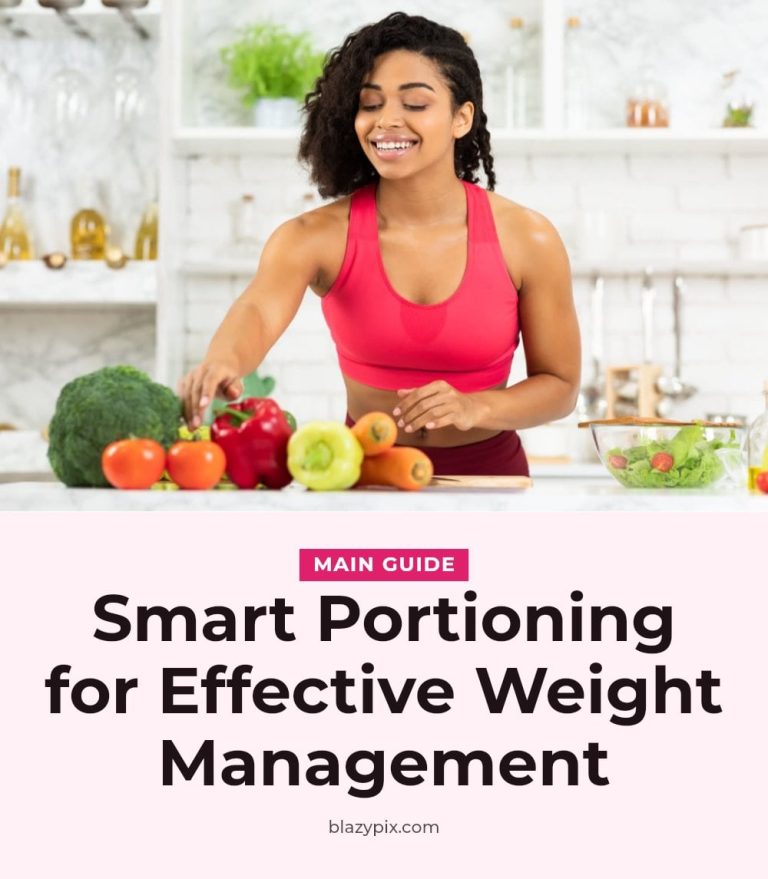
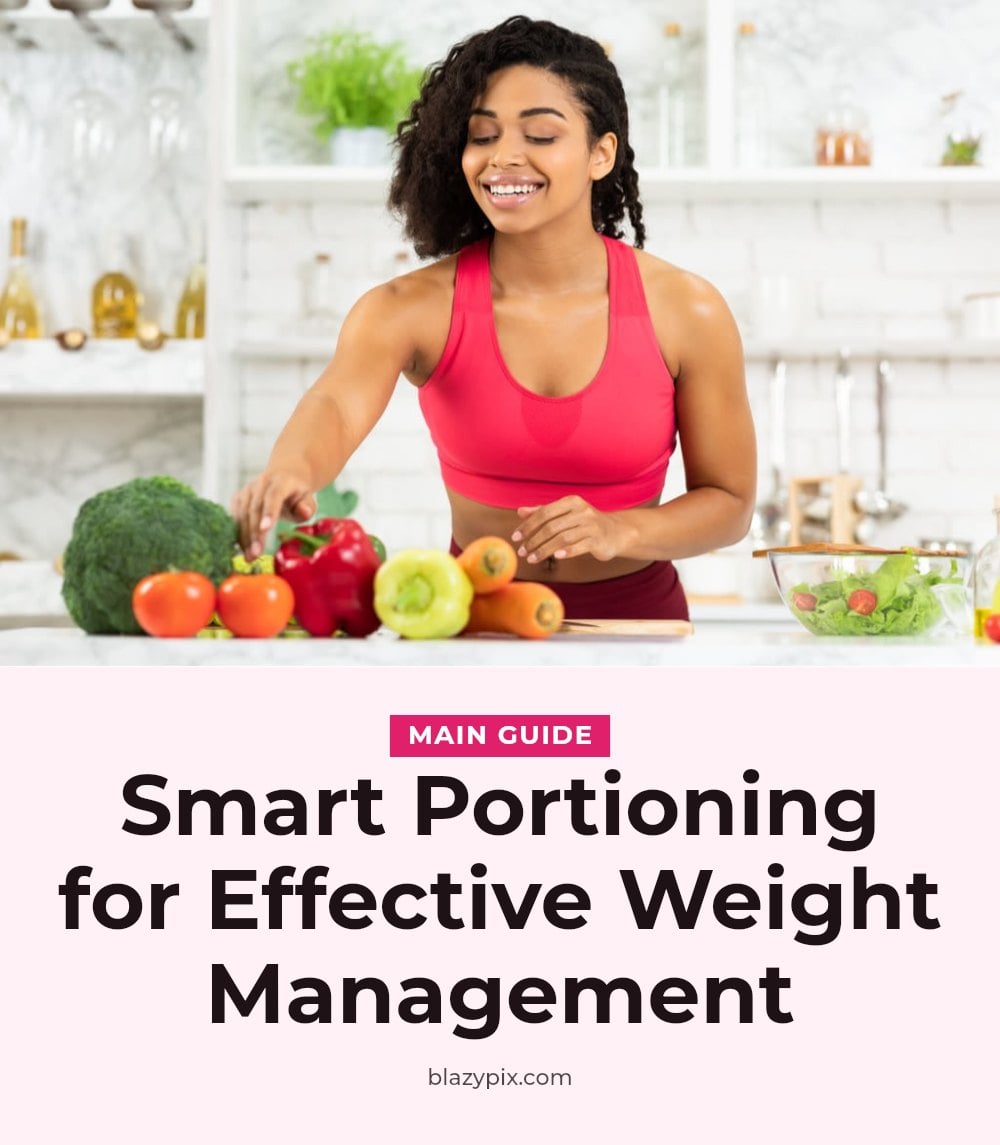
The plate method is a simple visual guide: fill half your plate with non-starchy vegetables, one-quarter with lean protein, and one-quarter with whole grains or starchy vegetables. This structure naturally gives you fiber and nutrients that help you feel full.
My tip: Think of your plate as a canvas for colorful veggies. The more variety you add, the more satisfying and balanced your meal becomes.
4. Employ Visual Hand Cues
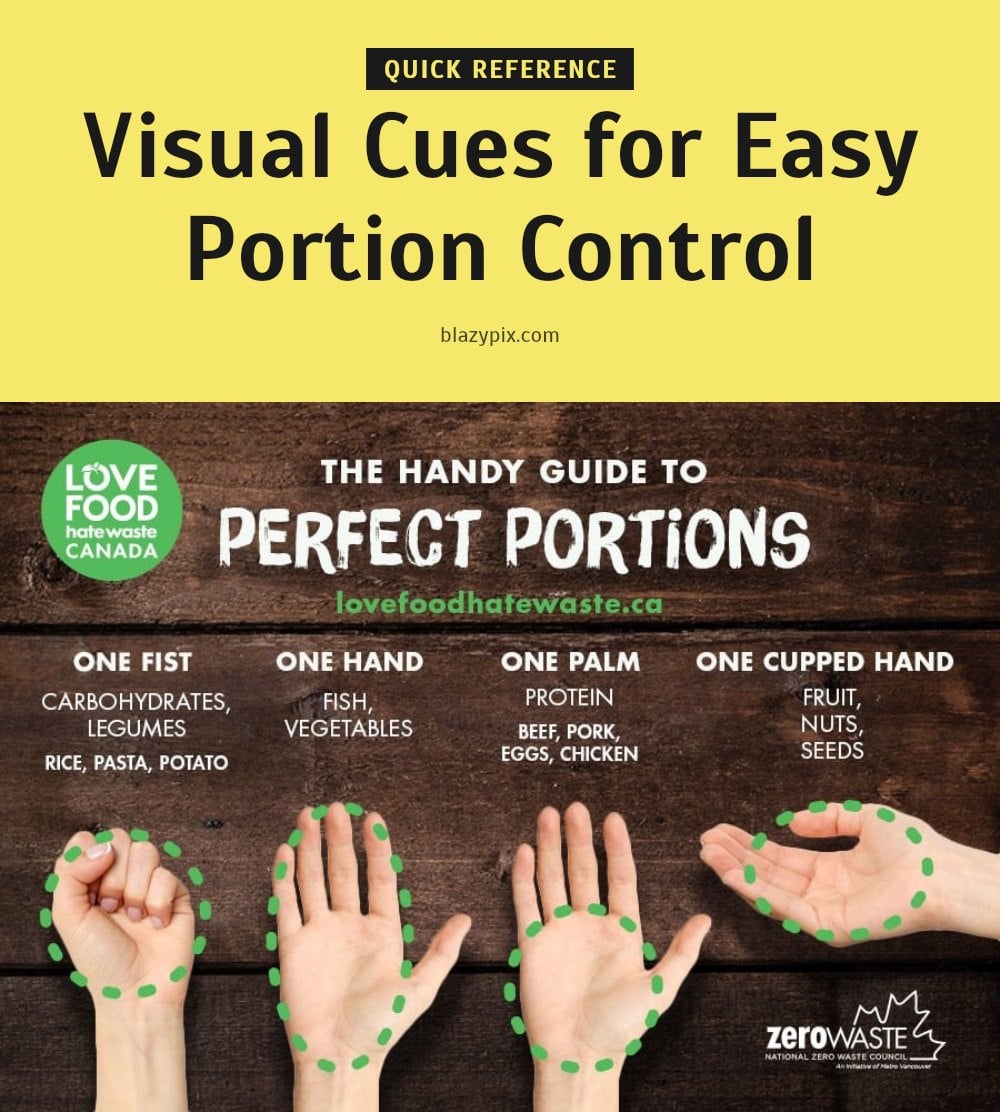
Once you’ve practiced with measuring tools, your hand becomes a quick reference for portion sizes. A cupped hand roughly equals one serving of grains or starches, like rice or pasta. Your palm (without fingers) matches a serving of protein, such as chicken or fish. A thumb represents a serving of fats, like peanut butter or oil. A fist is about one cup of vegetables.
This method isn’t perfectly precise, but it’s reliable for on-the-go estimation when you don’t have tools handy.
5. Pre-Portion Snacks and Meals
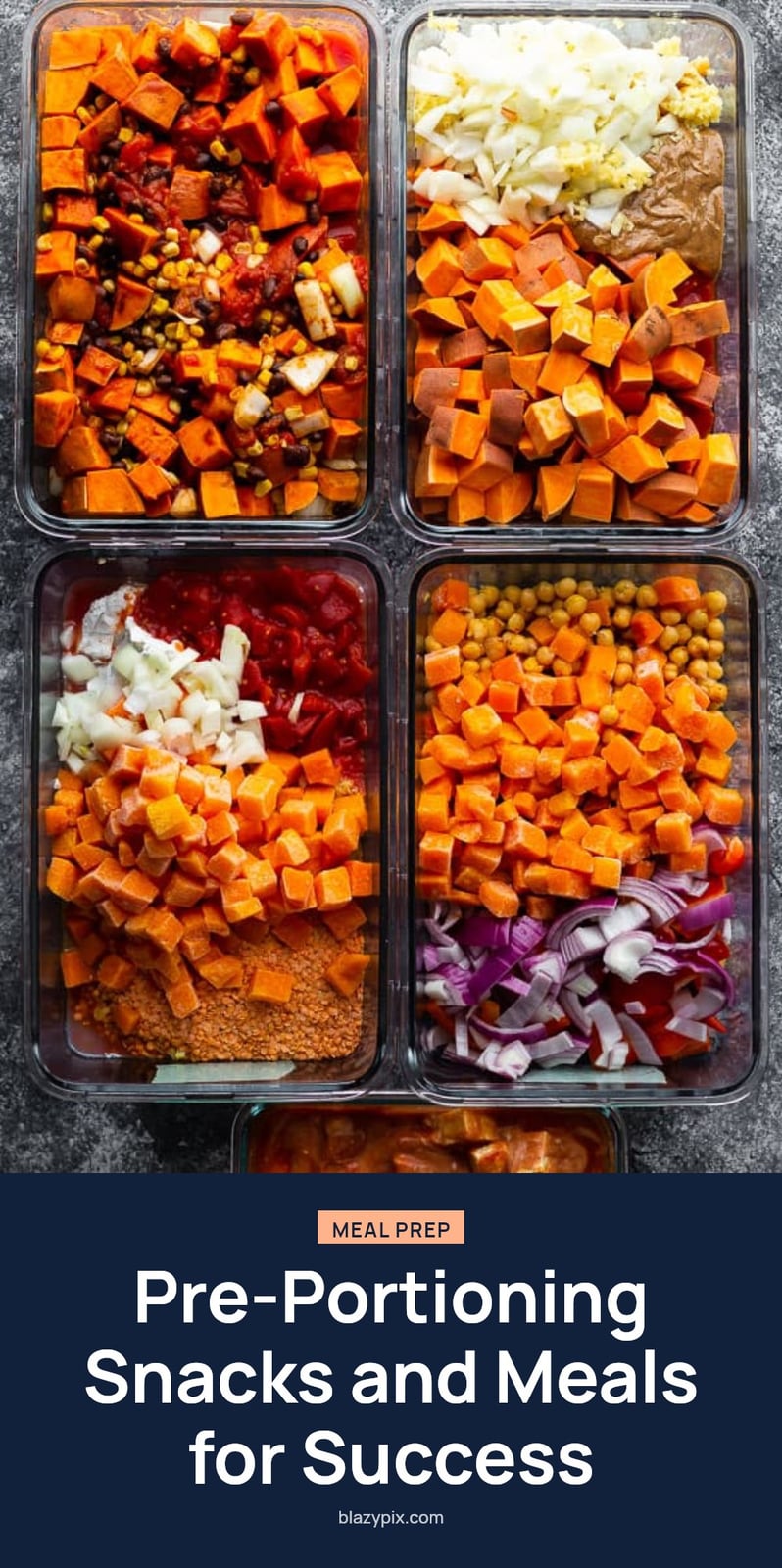
To avoid eating directly from a large bag or container, portion out snacks and meals into individual bags or containers ahead of time. This makes grabbing a healthy portion easy and stops mindless munching. I always do this for my work week. It saves time and keeps me on track.
6. Use Smaller Dinnerware
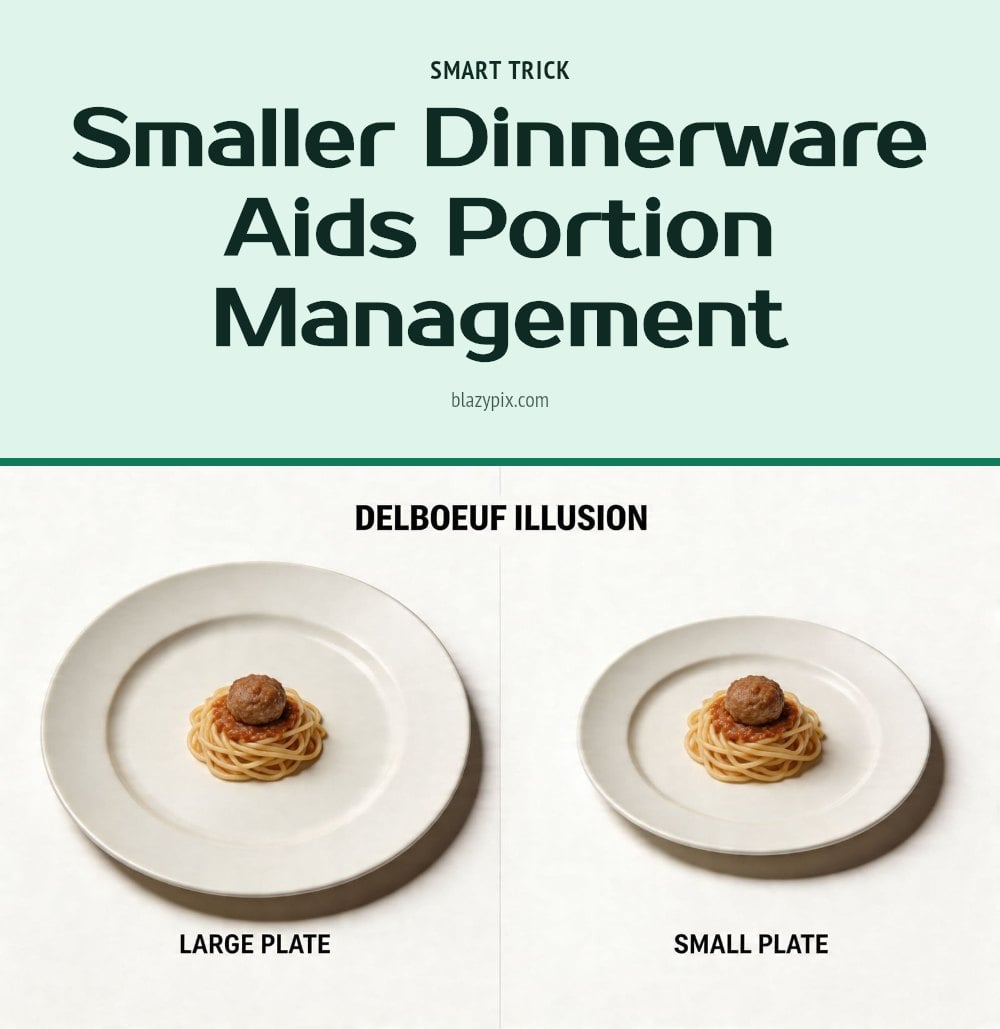
Smaller plates, bowls, and glasses can trick your brain into thinking you have more food than you actually do. This simple psychological trick helps you eat less without feeling deprived. Tip: Swap your dinner plates for salad plates to instantly reduce your portion perception.
7. Practice Mindful Eating
Eating slowly and paying attention to your body’s hunger and fullness cues is key for natural portion control. It takes about 20 minutes for your brain to register fullness, so slowing down gives your body time to catch up. Don’t eat until you’re completely full; aim for satisfied instead.
8. Hydrate Before Meals
Drinking a glass of water about 30 minutes before a meal can sometimes help you eat less by promoting a feeling of fullness. It’s a simple habit that takes no prep time and adds zero calories.
Often, thirst masquerades as hunger, so hydrating first can help you figure out if you’re actually hungry or just thirsty. If you still feel hungry after the water, you know it’s real hunger.
Tip: Keep a water bottle on your desk or counter and refill it in the morning so it’s ready when you sit down to eat.
9. Be Mindful at Restaurants
Restaurant portions are often two to three times larger than standard serving sizes, so being mindful is key. I always ask for a to-go box with my order and immediately pack up half the meal before I start eating. You can also share an entree with someone or ask for a half portion if the menu offers it.
Tip: Scan the menu for lighter options or appetizers as a main course. This helps you enjoy the experience without blowing your portion control.
10. Account for ‘Hidden’ Calories
Beverages, sauces, dressings, and condiments can quietly add hundreds of calories to a meal without you noticing. A drizzle of oil, a scoop of mayo, or a sweet latte all count toward your daily intake, and they can easily undo your portion control efforts.
My tip: ask for dressings and sauces on the side, then measure them yourself with a spoon. For drinks, check the label or ask for nutrition info, and consider swapping sugary beverages for water or unsweetened tea. These small adjustments keep your portions accurate from start to finish.
11. Don’t Skip Meals
Skipping meals might seem like a quick way to cut calories, but it usually backfires. When you let yourself get extremely hungry, you are far more likely to overeat at your next meal, making portion control nearly impossible.
Eating consistent, balanced meals throughout the day helps keep your blood sugar steady and your hunger in check. Aim for three meals and one or two small snacks if needed, so you never sit down to a meal ravenous.
Common Portion Control Mistakes to Avoid
Underestimating Portion Sizes: Calorie-dense foods like nuts, oils, and dressings are easy to pour too much of. Always measure these until you’re confident in your visual estimation.
Confusing Serving Size with Amount to Eat: The serving size on a nutrition label is a reference, not necessarily the amount you should eat. Adjust it based on your personal needs and goals.
Eating Until Completely Full: Aim for satisfied, not stuffed. Listen to your body’s signals and stop when you feel comfortable.
Believing Healthy Foods Are Unlimited: While nutritious, even healthy foods like avocados, nuts, and whole grains contain calories. Portion them appropriately for weight management.
Frequently Asked Questions
What is the difference between serving size and portion size?
A serving size is a standardized amount of food listed on nutrition labels, such as one cup or two tablespoons. A portion size is the amount you actually choose to eat, which may be larger or smaller than the serving size. Understanding this difference helps you match your portions to your health goals.
Can portion control help with weight maintenance?
Yes, portion control is a key tool for maintaining a stable weight after you’ve reached your goal. By consistently managing how much you eat, you can balance your calorie intake with your energy needs without having to eliminate any food groups. It supports a sustainable, long-term healthy eating pattern.
How do I portion control when eating out?
Restaurant portions are often two to three times larger than standard servings. Ask for a to-go box with your order and pack up half the meal before you start eating. You can also share an entree with a friend or order an appetizer as your main dish.
Is it okay to eat healthy foods in unlimited quantities?
Even healthy foods like nuts, avocados, and whole grains contain calories, so eating them in unlimited amounts can still lead to weight gain. It’s important to apply portion control to all foods, including those that are nutrient-dense. Use your hand or measuring tools to keep portions reasonable.
Final Thoughts
My recommendation is to start with just one technique, like using smaller plates or pre-portioning snacks, and practice it for a week. It takes consistent effort over several weeks to make portion control feel automatic, but the payoff is a balanced diet without extreme restriction. Small changes really do add up over time.
This article provides general information about portion control for weight management and is not a substitute for professional medical or dietary advice. If you have a medical condition or are considering significant dietary changes, consult a registered dietitian or healthcare professional.