How to Get Deodorant Stains Out of Your Clothes
Learn how to get deodorant stains out of clothes with simple household items. Our guide covers effective methods for various fabrics and stain types.

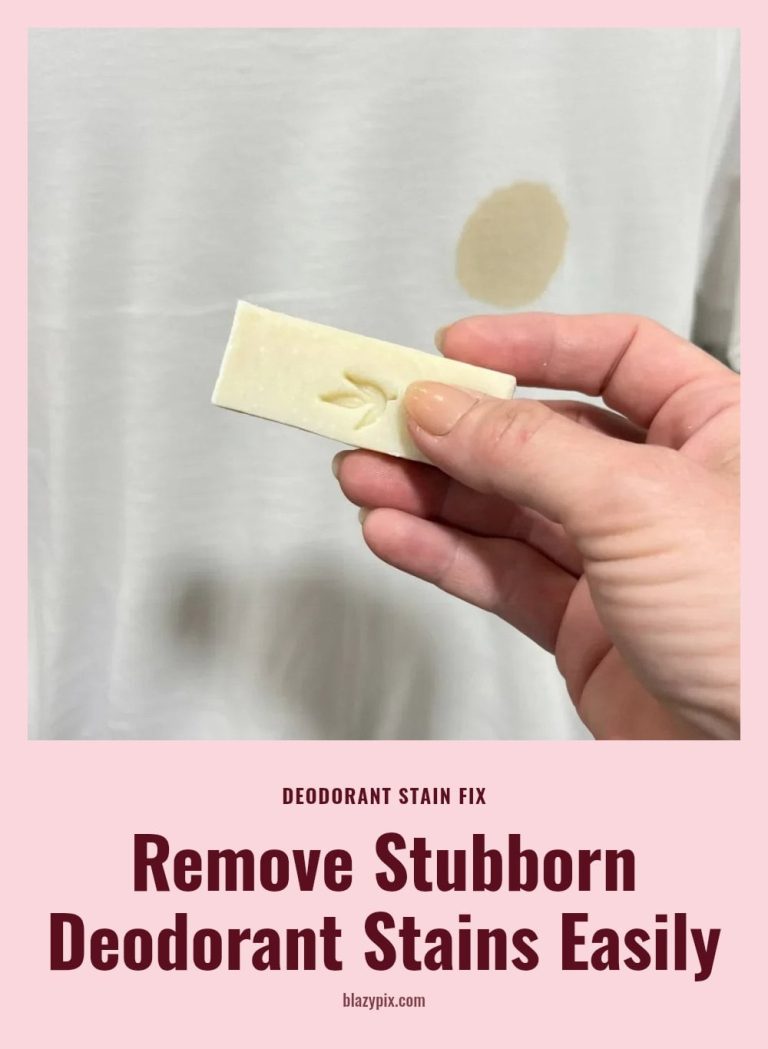
You just spotted a white or yellow mark on your favorite shirt, and you’re wondering if it’s ruined. Good news: most deodorant stains are removable with items you probably already have in your kitchen or laundry room. The key is to act quickly and choose the right method for your fabric. This article walks you through simple, effective ways to lift deodorant residue, what to avoid, and how to keep your clothes looking fresh.
Key Takeaways
- Treat deodorant stains as soon as you spot them for the best results.
- Test any cleaning solution on a hidden fabric area first.
- Use baking soda paste for fresh stains, vinegar or aspirin for older ones.
- Air dry garments until the stain is completely gone; heat sets stains.
- Never use chlorine bleach on colored clothing.
The Quick Fix for Deodorant Stains
Caught a deodorant mark on your favorite top? Don’t panic. Most stains lift quickly with white vinegar, baking soda, or dish soap, items you probably already have. The trick is matching the method to the fabric and whether the stain is fresh or set-in. Pre-treat the spot right away, and keep the garment away from heat (no dryer) until the stain is completely gone.
Why Deodorant Leaves Those Stubborn Marks
Those white or yellow marks on your shirt aren’t just from sweat. Most deodorants and antiperspirants contain aluminum salts, which are the active ingredient that blocks sweat glands. When these salts mix with sweat and the natural oils from your skin, they form a sticky residue that clings to fabric fibers.
That residue is what you see as a stain. If you catch it quickly, it’s often easy to wash away. But if you let it sit or expose it to heat, like from a dryer or hot iron, the residue can bond with the fibers and become much more stubborn. That’s why acting fast and avoiding heat are the two most important rules for keeping your clothes looking clean.
Your Arsenal for Tackling Deodorant Stains
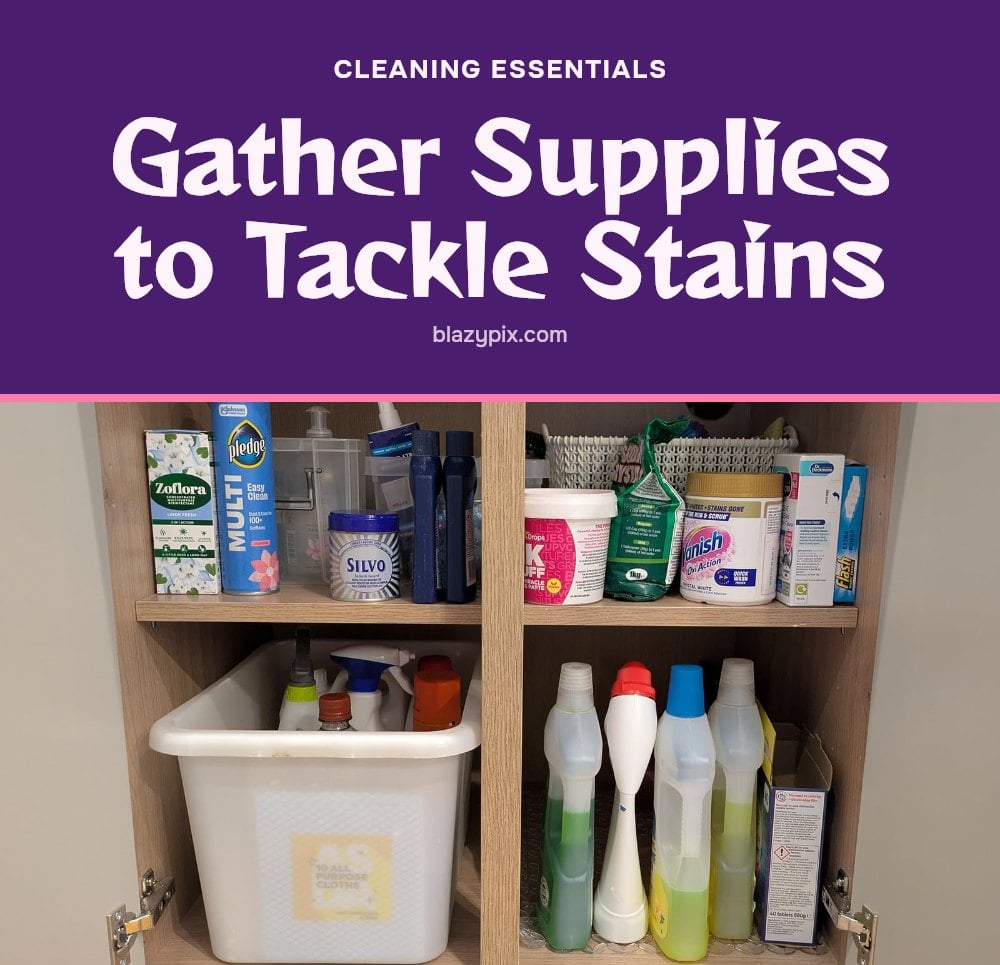
Here’s what I keep on hand for deodorant stains:
- White vinegar: Breaks down the residue without damaging most fabrics.
- Baking soda: Absorbs oils and lifts the stain.
- Hydrogen peroxide: Works on white fabrics; use cautiously on colors.
- Dish soap: Cuts through the grease-based part of the stain.
- Rubbing alcohol: Dissolves stubborn residue.
- Old toothbrush or soft brush: Gentle scrubbing without fraying fibers.
- Clean cloths or paper towels: For blotting and rinsing.
Effective Methods for Different Stain Types
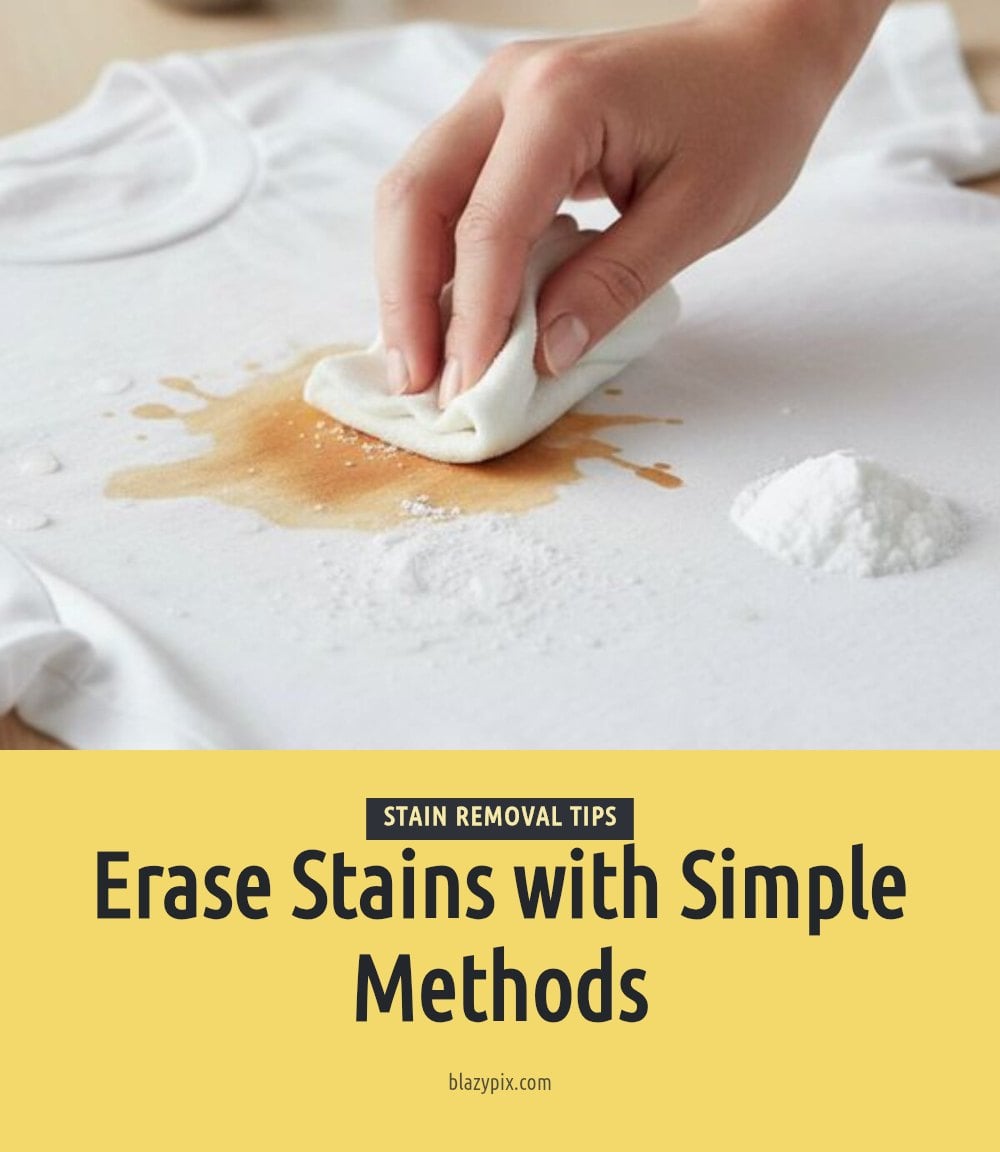
Fresh Stains: Baking Soda Paste
Mix baking soda with a little water to form a thick paste. Apply it to the stain and let it sit for 15-20 minutes. Gently scrub with a soft brush, then rinse with cool water. Tip: This works best when you catch the stain right away.
White Fabrics: Hydrogen Peroxide or Lemon Juice
For whites, dab hydrogen peroxide directly onto the stain and let it sit for 30 minutes before rinsing. Alternatively, squeeze fresh lemon juice on the mark and hang the garment in direct sunlight. The sun acts as a natural bleach. Caution: Test hydrogen peroxide on a hidden seam first. It can lighten some fabrics.
Colored Fabrics: White Vinegar, Dish Soap, or Hydrogen Peroxide
Mix equal parts white vinegar and water. Sponge the solution onto the stain, let it soak for 15 minutes, then rinse. For greasy residue, rub a drop of liquid dish soap directly on the mark, let it sit for 10 minutes, and rinse. Tip: Avoid chlorine bleach on colors. It will ruin the dye. Caution: Hydrogen peroxide can be used on colored fabrics if you test it on a hidden seam first. It may lighten some dyes.
Stubborn Set-In Stains: Rubbing Alcohol, Aspirin, or Vinegar and Baking Soda
Dab rubbing alcohol onto the stain with a clean cloth. Let it sit for 5-10 minutes to dissolve the residue. Blot with a dry cloth, then rinse thoroughly. Caution: Always test rubbing alcohol on an inside seam first, especially on synthetic fabrics. For old stains, try crushing an uncoated aspirin tablet and mixing it with water into a paste. Apply, let sit for 30 minutes, then rinse. Alternatively, mix white vinegar and baking soda into a fizzing paste, apply to the stain, wait 15 minutes, and rinse. Tip: For set-in stains, let the treatment soak longer, up to an hour, before rinsing.
Common Mistakes to Avoid When Removing Stains
Ignoring the stain: The longer deodorant residue sits, the harder it is to remove. Treat stains as soon as you spot them to avoid a permanent mark.
Using hot water or a dryer: Heat sets the stain into the fabric fibers. Always use cold or lukewarm water for treatment and air dry the garment until you are sure the stain is gone.
Rubbing stains aggressively: Harsh scrubbing can spread the stain or damage the fabric. Instead, blot or gently work the solution in with a soft brush or old toothbrush.
Using chlorine bleach on colored clothing: Bleach can cause discoloration or fading on colored fabrics. Stick to white vinegar or dish soap for colors.
Mixing different cleaning chemicals: Combining products like bleach and vinegar can create toxic fumes or be ineffective. Use one method at a time and rinse thoroughly between steps.
Pro Tips for Flawless Stain Removal
Always test first: Apply any cleaning solution to a hidden area of the fabric, like an inside seam, to check for colorfastness before treating the stain.
Air dry: After treatment, let the garment air dry completely. Heat from a dryer can set any remaining residue, so only use the dryer once the stain is fully gone.
Gentle scrubbing: For stubborn spots, use a soft brush or old toothbrush with light pressure. This lifts the residue without damaging the fabric fibers.
Rinse thoroughly: Rinse the treated area with cold water until all cleaning agents are removed before washing normally. Leftover solution can attract dirt or irritate skin.
Frequently Asked Questions
Can old deodorant stains be removed?
Yes, but it takes more effort. Old, set-in stains may require multiple treatments and longer soaking times, sometimes overnight. Try making a paste from crushed aspirin and water or a mix of vinegar and baking soda, apply it to the stain, let it sit, then gently scrub and wash. Some very old stains may not come out completely.
Does hot water set deodorant stains?
Yes, hot water can set deodorant stains into fabric fibers, making them much harder to remove. Always use cool or cold water when treating deodorant stains, and avoid the dryer until the stain is completely gone. Heat from any source, including a dryer, can permanently bond the residue to the fabric.
Is it safe to use hydrogen peroxide on colored clothes?
Hydrogen peroxide can bleach or lighten colored fabrics, so it’s not safe to use directly on most colors. Test it on a hidden area first, and if you see any color change, avoid it. For colored clothes, stick to gentler options like white vinegar or dish soap, which are less likely to cause discoloration.
What causes yellow deodorant stains?
Yellow stains are typically caused by the aluminum salts in antiperspirants reacting with sweat and body oils. Over time, these compounds build up on fabric fibers and oxidize, creating a yellowish tint. This is more common on white or light-colored clothing, but can affect any fabric if left untreated.
How can I prevent deodorant stains?
To prevent deodorant stains, let your deodorant or antiperspirant dry completely before getting dressed, and consider using a lower-aluminum formula if you’re prone to marks. You can also apply a thin layer of baking soda or cornstarch to your underarms as a barrier, or wear an undershirt to protect your outer clothing.
Final Thoughts
For the best outcome, treat stains immediately with the method that matches your fabric type, and always air dry before you decide the stain is gone. If a stain has set in, patience and repeated treatments often work, but some stubborn marks may never fully disappear. My tip: keep a small spray bottle of vinegar and a box of baking soda in your laundry area so you’re ready to act the moment a stain appears.