Clay Mask Guide: How Often to Use It and How to Apply It
Learn exactly how often to use a clay mask and the best application techniques for your skin type to achieve a clear, radiant complexion.

Getting the most out of a clay mask comes down to two things: how you apply it and how often you use it. Get those right, and you’ll enjoy the oil-absorbing, pore-minimizing benefits without the dryness or irritation that can come from overdoing it. This article covers the correct application steps, the ideal frequency for your skin type, and common mistakes to skip so you can make clay masks a smart part of your routine.
Key Takeaways
- Apply a thin, even layer to clean, dry skin, focusing on oily areas like the T-zone.
- Leave the mask on for the time stated on the label, typically 5 to 20 minutes, and remove before it cracks.
- For oily or acne-prone skin, use a clay mask 1 to 2 times per week; for normal or combination skin, once a week or every other week.
- Always follow up with a moisturizer after rinsing to replenish hydration.
- Stop use and consult a dermatologist if you experience excessive redness, burning, or severe dryness.
How to Use a Clay Mask for Best Results
Apply a thin, even layer of the mask to clean, dry skin, paying extra attention to oily areas like your T-zone. Leave it on for the time stated on the product label, typically 5 to 20 minutes, and never let it dry completely to the point of cracking. Rinse thoroughly with lukewarm water, then immediately follow up with a hydrating moisturizer to lock in moisture.
How Clay Masks Work Their Magic on Your Skin
How Clay Masks Work Their Magic on Your Skin
Clay masks work by absorbing excess oil and drawing out impurities from deep within your pores. As the mask dries, it tightens the skin, which helps temporarily reduce the appearance of pores by clearing out debris and sebum.
The type of clay determines the absorption strength:
- Bentonite clay: Highly absorbent, ideal for very oily or acne-prone skin.
- Kaolin clay: Milder, suitable for normal to combination skin.
- French green clay: Offers balanced oil absorption for most skin types.
Different clays give you control over how much oil is pulled from your skin, so you can match the mask to your needs.
Essentials for Your Clay Mask Routine

Before you start, gather everything you need for a smooth clay mask session:
- Clay mask product: Pre-mixed or powder form.
- Non-metal bowl and spatula: Only if mixing powder; metal can react with some clays like bentonite.
- Clean facial brush or spatula: For hygienic, even application.
- Warm water and soft towel: For rinsing and gentle drying.
- Hydrating serum and moisturizer: To replenish your skin right after rinsing.
Step-by-Step: Applying Your Clay Mask Flawlessly
Follow these steps for a flawless clay mask application every time.
- Cleanse your face: Wash thoroughly to remove all makeup, dirt, and oil. Your skin must be clean and dry before the mask goes on.
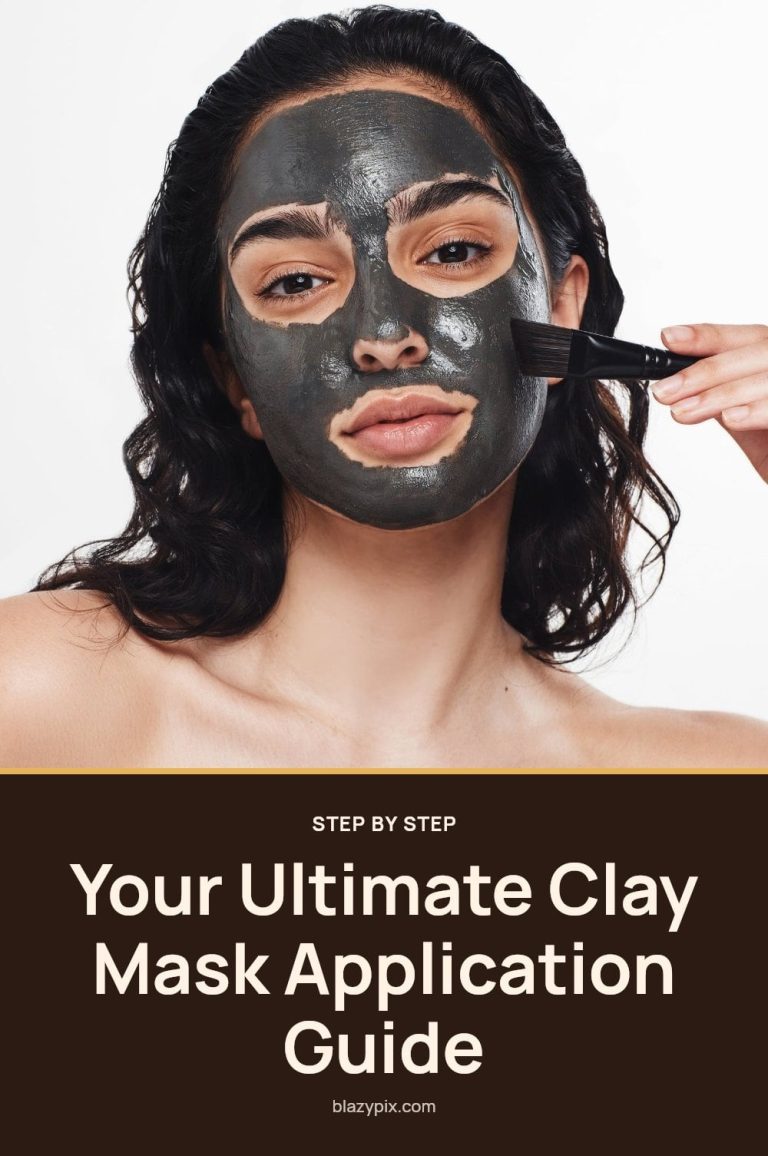
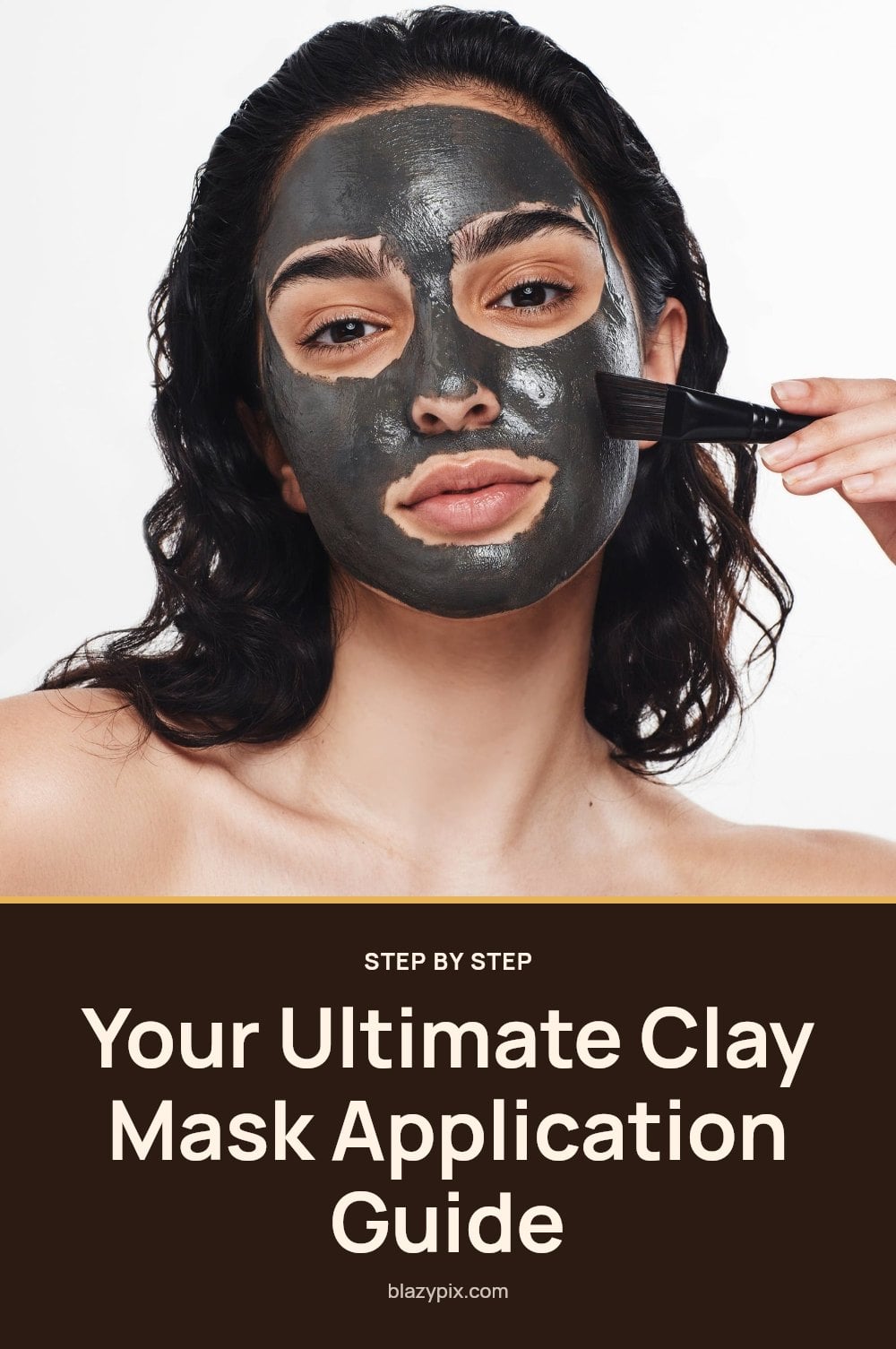
- Apply the mask: Use a clean brush or spatula to spread a thin, even layer over your face. Avoid the delicate eye area and lips, as these zones are thinner and more prone to irritation. Focus on oily spots like the forehead, nose, and chin.
- Let it set: Leave the mask on for the time recommended on the package, usually 5 to 20 minutes. Do not let it harden completely or crack; remove it while it is still slightly damp to prevent over-drying.
- Rinse off: Use lukewarm water and gentle circular motions with your fingertips to loosen the mask. Never scrub aggressively, as this can irritate your skin.
- Pat dry and moisturize: Gently pat your skin dry with a soft towel. Immediately apply a hydrating serum, then a moisturizer to seal in moisture and prevent that tight, dry feeling.
Finding Your Perfect Clay Mask Match
Not all clay is created equal, and the type you choose should match your skin’s needs. Bentonite clay is the most absorbent, making it the top pick for very oily or acne-prone skin that needs serious oil control. Kaolin clay is noticeably milder, so it suits normal to combination skin without over-stripping. French green clay sits in the middle, offering balanced oil absorption that works for most skin types.
| Clay Type | Best For | Why |
|---|---|---|
| Bentonite | Oily, acne-prone | Highest absorption power |
| Kaolin | Normal to combination | Mild, gentle cleansing |
| French green | Most skin types | Balanced oil control |
My tip: if your skin changes with the seasons, keep a milder clay like kaolin on hand for drier months and switch to bentonite when oil production ramps up.
How Often to Use a Clay Mask for Your Skin Type
Frequency depends entirely on your skin type, and more is not better. For oily or acne-prone skin, aim for 1-2 times per week to keep oil in check. Normal or combination skin does well with once a week or every other week. Dry or sensitive skin should use clay masks sparingly, perhaps once a month, and look for hydrating formulations that won’t strip moisture.
- Oily/acne-prone: 1-2 times per week
- Normal/combination: once a week or every other week
- Dry/sensitive: about once a month, choose hydrating formulas
Each application should last 5-20 minutes, always following the product label’s timing.
Common Clay Mask Mistakes and How to Avoid Them
Even with the right mask, a few common mistakes can ruin your results. Leaving the mask on too long leads to excessive dryness and irritation, so remove it before it fully cracks. Applying too thick a layer makes removal difficult and doesn’t improve efficacy; a thin, even layer is all you need. Not moisturizing after leaves skin tight and dry; always follow with a hydrating serum and moisturizer.
- Too long on skin: remove before cracking to avoid irritation
- Too thick a layer: thin and even is sufficient
- Skipping moisturizer: always apply serum and moisturizer after
- Hot or cold water: use lukewarm to prevent irritation
- No patch test: essential for sensitive skin or new products
Caution: if you feel intense burning, rinse off immediately rather than waiting for the recommended time.
When to Consult a Dermatologist About Clay Masks
Clay masks are generally safe, but your skin will tell you when something is wrong. See a dermatologist if you experience excessive redness, burning, itching, or severe dryness after use. Also consult a professional if your skin condition worsens or new issues appear despite proper application. If you have a pre-existing skin condition like eczema or rosacea, check with a doctor before using clay masks, as they may exacerbate it.
- Severe reactions: redness, burning, itching, or dryness
- Worsening skin: issues persist or appear despite correct use
- Pre-existing conditions: eczema, rosacea, or other diagnoses
Frequently Asked Questions
What is the main benefit of using a clay mask?
The main benefit is its ability to absorb excess oil and draw out impurities from your pores. This helps reduce shine, clear out debris, and temporarily minimize the appearance of pores, making it especially helpful for oily or acne-prone skin.
Can I use a clay mask if I have sensitive skin?
Yes, but with caution. If you have sensitive skin, use a clay mask sparingly, perhaps once a month, and choose a milder formula like one with kaolin clay. Always do a patch test on a small area first, and discontinue use if you notice excessive redness or irritation.
How do I choose the right type of clay mask for my skin?
Match the clay’s absorption strength to your skin type. Bentonite clay is the most absorbent, ideal for very oily or acne-prone skin. Kaolin clay is milder, making it a better choice for normal, dry, or sensitive skin. French green clay falls somewhere in between.
Is it normal for a clay mask to tingle?
A slight tingling sensation is often normal as the mask dries and works on your skin. However, if you feel intense burning or stinging, remove the mask immediately. That can be a sign of irritation or an allergic reaction.
Can clay masks help with blackheads?
Yes, clay masks can help with blackheads by drawing out excess oil and debris from pores. Regular use 1 to 2 times a week for oily skin may reduce the appearance of blackheads over time. However, they are not a cure-all and work best as part of a consistent skincare routine.
What happens if I leave a clay mask on too long?
Leaving a clay mask on too long can lead to excessive dryness, irritation, and redness. As the mask dries completely, it can strip the skin of natural moisture. Always remove the mask before it starts to crack or feel uncomfortably tight, following the time on the product label.
Final Thoughts
For most people, a clay mask used once a week is a solid starting point, especially if you have normal or combination skin. You can adjust up or down depending on how your skin feels after each session. With consistent use over several weeks, you should notice better oil control and a temporarily smoother look to your pores. Just remember to listen to your skin and never push past the recommended time.