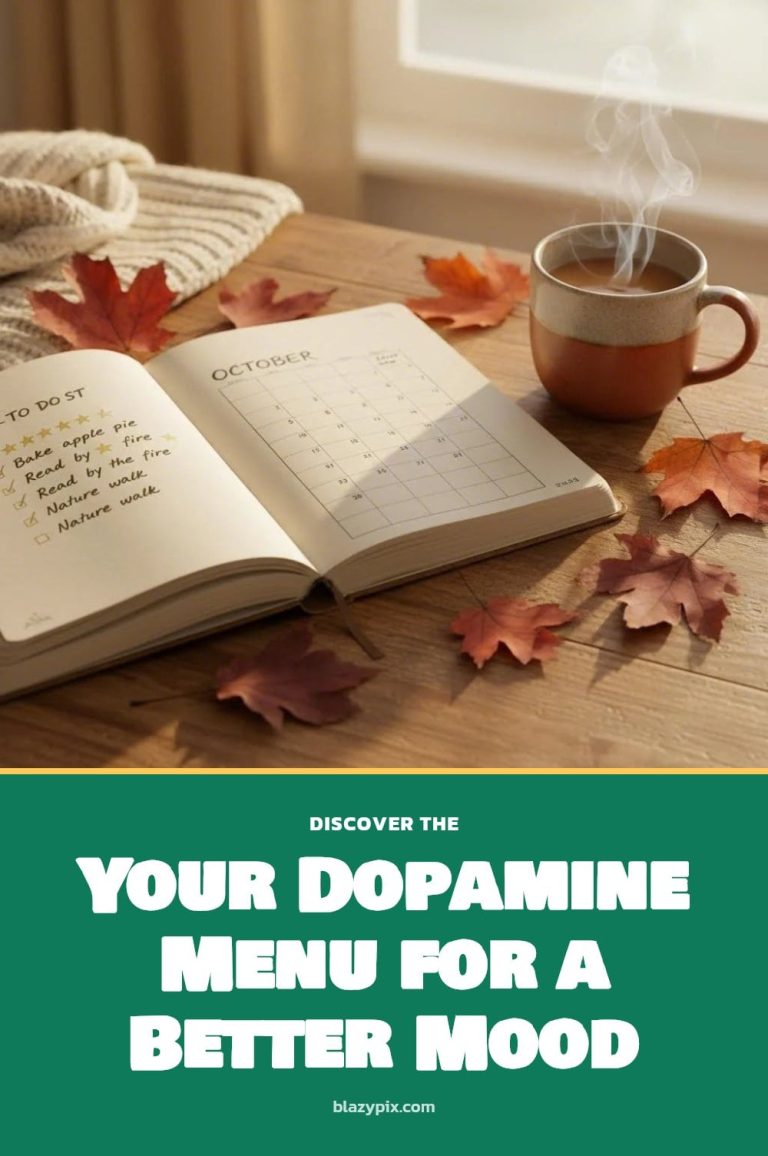
Dopamine Menu: How to Build One and 50 Ideas to Try for a Mood Boost
Learn how to create a personalized dopamine menu with 50 actionable ideas to boost your mood, motivation, and overall well-being. Start feeling better today!

You know those days when even getting off the couch feels like a chore? A dopamine menu is a simple tool I’ve found that can help shift that energy. It’s a personalized list of activities that give your mood and motivation a gentle lift, from a quick two-minute stretch to a longer creative project. In this article, I’ll walk you through how to build your own menu and share plenty of ideas to get you started.
Key Takeaways
- A dopamine menu is a personalized list of mood-boosting activities, not a quick fix for serious conditions.
- Include quick wins (under 10 minutes), medium tasks (15-30 minutes), and longer engagements (30+ minutes).
- Categorize your activities by type, like creative, physical, or social, for easy picking.
- Keep your menu accessible on your phone or a whiteboard, and update it regularly.
- Focus on sustainable well-being, not just immediate gratification, and avoid passive scrolling.
What Exactly Is a Dopamine Menu?
A dopamine menu is a personalized list of activities that reliably boost your mood and motivation by stimulating dopamine release. It’s a proactive self-care tool to combat low mood and increase focus, not a quick fix for serious mental health conditions. The goal is to intentionally incorporate small, positive actions into your day for sustained well-being, using a diverse range of activities.
Quick Wins: Instant Mood Boosters (5-10 Minutes)
These activities take under 10 minutes and require almost no setup. They work best when you feel a sudden dip in energy or motivation and need a fast reset.
- Listen to one favorite song: Put on headphones and close your eyes for the full track.
- Stretch your neck and shoulders: Roll your head side to side for 60 seconds.
- Drink a full glass of cold water: Hydration alone can sharpen focus.
- Light a scented candle: Choose a scent you associate with calm.
- Send a quick positive text: A one-line compliment to a friend works fast.
- Step outside for 2 minutes of sun: Morning light is best, but any natural light helps.
- Do 10 jumping jacks or march in place: Get blood moving without changing clothes.
- Write down one thing you are grateful for: Keep it to a single sentence.
- Make a cup of tea or coffee: The ritual itself matters as much as the drink.
- Spray a refreshing mist on your face: A quick sensory reset.
- Read one poem or a single page of a book: Short enough to finish before you lose focus.
- Pet an animal for 3 minutes: Physical contact with a pet can lower stress quickly.
- Declutter one surface: Clear a nightstand or one corner of a desk.
Engaging Activities: Sustained Uplift (15-30 Minutes)

These activities require a bit more engagement and offer a more sustained mood lift. They provide a sense of accomplishment or gentle challenge.
- Tidy a small area like a desk or counter
- Do a 15-minute workout video
- Learn five phrases in a new language
- Call or video chat a friend
- Water and tend to your houseplants
- Write a short to-do list and check off tasks
- Prepare a healthy snack from scratch
- Read a chapter of a nonfiction book
- Organize one drawer or shelf
- Take a brisk 15-minute walk
- Practice a musical instrument for 15 minutes
- Draw or doodle for 20 minutes
- Listen to a 20-minute podcast episode
Deeper Dives: Meaningful Engagement (30+ Minutes)
These activities offer significant reward and a sense of purpose. They build mastery or foster deep connections over longer periods.
- Cook a new recipe from start to finish
- Work on a creative project like painting or knitting
- Go for a long walk in nature
- Volunteer for a cause you care about
- Deep clean one room in your home
- Read several chapters of a novel
- Take an online class on a topic you love
- Have a meaningful conversation with a loved one
- Write in a journal for 30 minutes
- Plan and prepare a week of meals
- Complete a puzzle or brain game
- Organize and declutter a closet
Mind & Body Boosters: Wellness-Focused Ideas

This group targets physical and mental well-being directly. These practices help regulate brain chemistry and improve mood over time rather than giving a quick spike.
- Meditate for 5-10 minutes: Focus on your breath to calm the mind.
- Do a short yoga flow: Combine movement with breathwork for a dual benefit.
- Spend 15 minutes in nature: Morning sunlight exposure can positively affect neurotransmitter regulation.
- Journal three things you are grateful for: Shifts focus to positive experiences.
- Try a new healthy recipe: Foods rich in tyrosine may support dopamine production.
- Take a 20-minute nap: Adequate sleep is foundational for mood regulation.
- Stretch for 5 minutes upon waking: Gentle movement signals your brain to start the day.
- Practice deep breathing for 2 minutes: Activates the parasympathetic nervous system.
- Listen to a guided body scan: Builds mindfulness and reduces tension.
- Drink a full glass of water slowly: Hydration directly impacts cognitive function and energy.
Frequently Asked Questions
How quickly can I feel the effects of a dopamine menu?
You may feel a lift in mood and motivation immediately after engaging in an activity, especially a quick win. Sustained benefits, like improved focus and overall well-being, usually emerge with consistent use over weeks and months. The key is to use the menu regularly, not just when you feel low.
Can a dopamine menu help with anxiety?
Many people find that calming activities like deep breathing, yoga, or listening to music can help manage anxious feelings by shifting focus to the present moment. However, a dopamine menu is not a treatment for an anxiety disorder. If anxiety is persistent or interferes with daily life, consult a healthcare professional.
Is a dopamine menu the same as seeking pleasure?
No, it’s different. The goal is to build healthy coping mechanisms and proactive well-being strategies, not to chase fleeting highs. A dopamine menu focuses on activities that provide a sense of accomplishment, connection, or calm, rather than passive or addictive behaviors like endless scrolling.
How often should I update my dopamine menu?
Update your menu regularly as your interests and needs evolve. A good rule of thumb is to review it every few weeks or when you notice certain activities no longer feel rewarding. Experiment with new ideas to keep the menu fresh and effective for your current mood and goals.
What if I don’t feel motivated to do anything on my menu?
Start with the smallest quick win you can manage, like listening to one song or stretching for two minutes. Sometimes just starting a tiny action can spark enough momentum to continue. If low motivation persists for weeks, consider talking to a doctor or therapist to rule out underlying issues.
Final Thoughts
Start with just one or two activities that feel genuinely enjoyable to you, and keep your menu somewhere you’ll see it every day. The effects can feel subtle at first, but with consistent, intentional use over weeks, you’ll likely notice a more stable mood and better focus. Remember, this is a tool for self-care, not a cure-all, so be patient with yourself as you explore what works.
This article is for general informational purposes only and does not constitute medical or professional advice. A dopamine menu is a self-care tool, not a treatment for clinical depression, anxiety, or any other mental health condition. If you are experiencing persistent low mood, lack of motivation, or other concerning symptoms, please consult a qualified healthcare professional.