How to Add Peptides to Your Skincare Routine for Firmer Skin
Learn how to effectively add peptides to your skincare routine to boost collagen, reduce wrinkles, and achieve firmer, more youthful-looking skin.

If you are looking to firm up your skin and smooth fine lines, peptides might be the ingredient you have been missing. These short chains of amino acids act as messengers, telling your skin to produce more collagen and elastin for a plumper, more resilient look. This article covers what peptides are, how to layer them into your routine, and the common mistakes to skip so you get the most out of every drop.
Key Takeaways
- Peptides are short amino acid chains that signal your skin to produce more collagen and elastin.
- Apply peptide serums after cleansing and toning, before heavier creams or oils.
- Consistent daily use is key; visible results typically appear after several weeks to a few months.
- Look for products with multiple peptide types, like signal and carrier peptides, for broader benefits.
- Always patch test new peptide products, especially if you have sensitive skin.
What Are Peptides and Why Your Skin Needs Them
Peptides are short chains of amino acids, the building blocks your skin uses to make essential proteins like collagen and elastin. Think of them as little messengers: when you apply them topically, they signal your skin to produce more of those firming, plumping proteins. The result can be improved firmness, fewer wrinkles, and a stronger skin barrier. I usually incorporate peptides through a serum or moisturizer, applying them after cleansing and before any heavier products.
How Peptides Work Their Magic on Your Skin
Peptides are short chains of amino acids, typically 2 to 50 amino acids long. Your skin’s key structural proteins, collagen, elastin, and keratin, are made of much longer amino acid chains. When you apply a peptide cream or serum, those short chains act as signaling molecules. They tell your skin cells to get to work, for instance by ramping up collagen production.
Different Types of Peptides
- Signal peptides: These stimulate collagen production, which can improve firmness and reduce wrinkles.
- Carrier peptides: They deliver trace elements like copper to the skin, supporting wound healing and collagen synthesis.
- Enzyme-inhibitor peptides: These may slow down processes that break down collagen.
- Neurotransmitter-inhibitor peptides: Some of these might help relax facial muscles, reducing expression lines in a way similar to certain injectables.
Your Peptide Skincare Arsenal: What Products to Look For
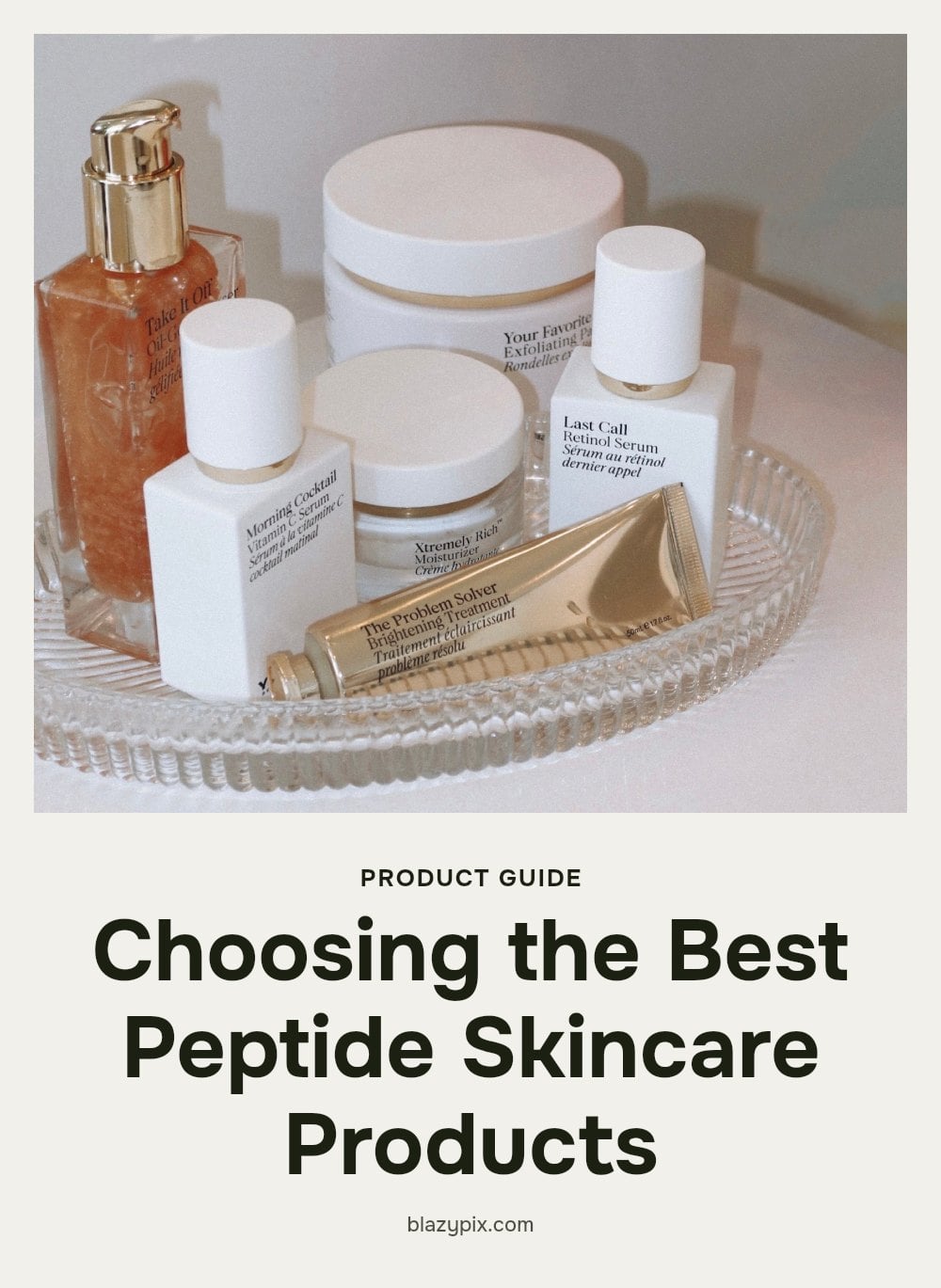
To build a peptide-friendly routine, you’ll want a few key products:
- Peptide serum: A concentrated formula you apply after cleansing and before moisturizer.
- Peptide moisturizer: Hydrates while delivering peptides, a great all-in-one choice.
- Peptide eye cream: Targets fine lines and firmness around the delicate eye area.
- Gentle cleanser: Preps your skin so peptides can absorb well.
- Balancing toner: Ensures your skin is perfectly prepped after cleansing.
- Broad-spectrum sunscreen: Non-negotiable for protecting your skin and maximizing anti-aging benefits.
Step-by-Step: How to Integrate Peptides into Your Routine

Getting peptides into your daily routine is simpler than you might think, as long as you follow the right order. Here is my go-to sequence, morning and night.
- Cleanse your face: Start with a gentle cleanser to remove dirt, oil, and makeup. Clean skin lets the peptides absorb without any barrier.
- Apply toner: After patting your face dry, sweep on a balancing toner. This preps your skin’s pH and helps the next layers sink in better.
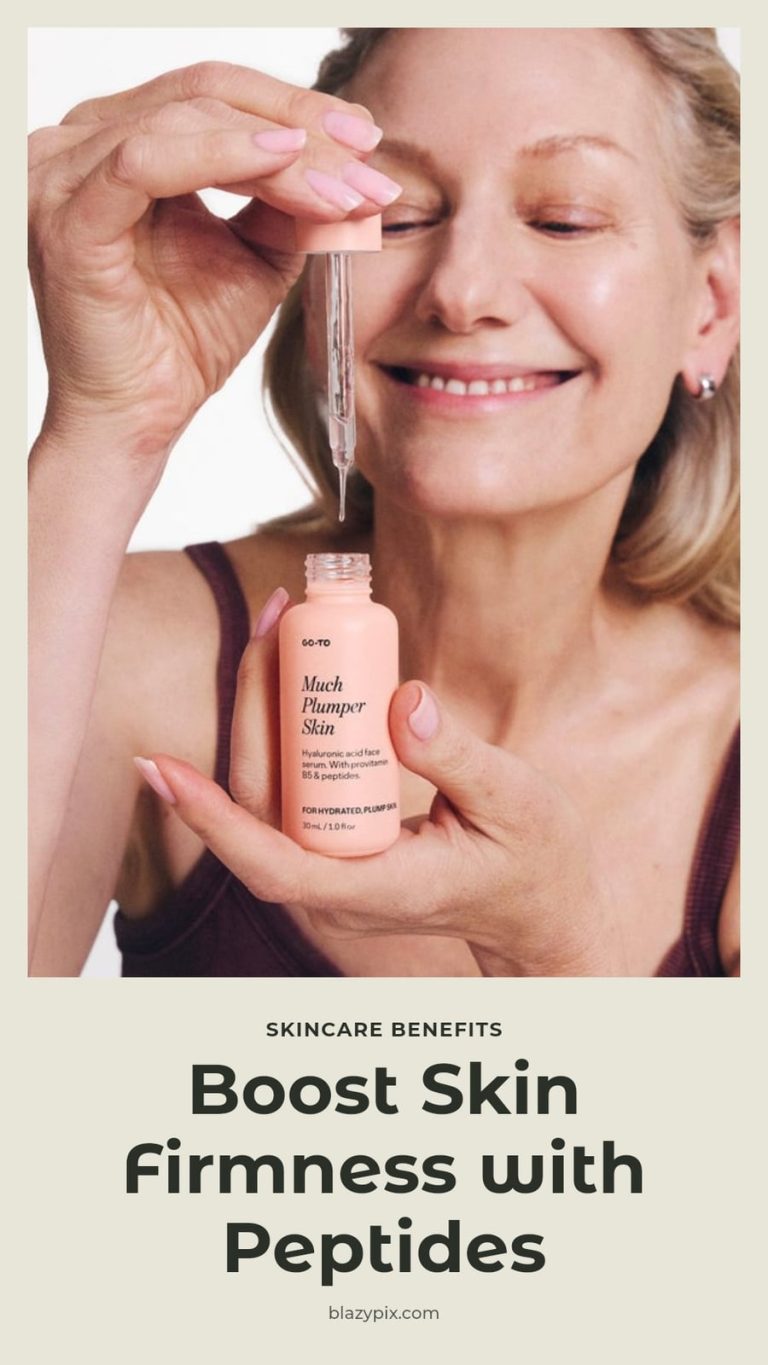
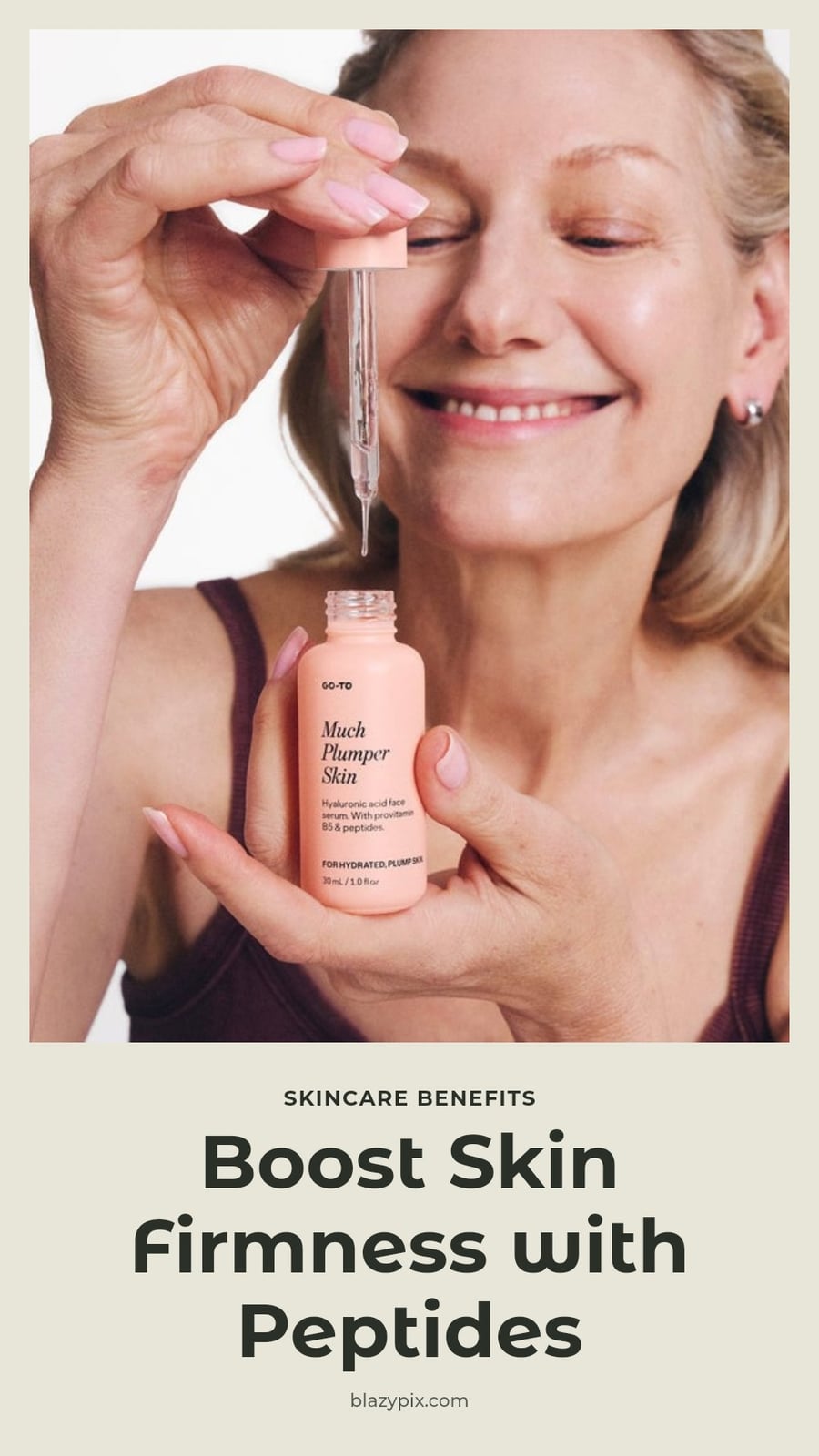
- Press on peptide serum: Dispense 2-3 drops of peptide serum onto your fingertips. Gently press it into your face and neck, avoiding rubbing. This method pushes the peptides into the skin without wasting product.
- Seal with moisturizer: Follow immediately with a peptide-infused moisturizer. This locks in the serum and provides hydration, so the peptides have a stable environment to work.
- Target the eye area: Dot a small amount of peptide eye cream along your orbital bone, starting from the inner corner outward. Use your ring finger for the lightest touch.
- Finish with sunscreen: In the morning, always apply a broad-spectrum sunscreen as the final step. Peptides help repair skin, but UV rays undo that work fast.
Pro move: If you use an oil or heavy cream, apply it after the peptide moisturizer. Oils can block peptide absorption if layered too early.
Common Peptide Mistakes and How to Avoid Them
Expecting instant results: Peptides work gradually by signaling your skin to produce more collagen. You won’t see dramatic changes overnight. Consistency matters more than you think, so stick with it for at least a few weeks before judging.
Applying peptides incorrectly: Always apply peptide serums or treatments after cleansing and toning, and before heavier creams or oils. Oils and thick creams can block absorption if layered on top too soon.
Ignoring formulation quality: Not all peptide products are equally effective. Look for reputable brands with stable formulations and a variety of peptide types rather than just one.
Believing more is always better: A higher concentration of peptides doesn’t automatically mean better results. The overall formulation and stability matter more than the percentage on the label.
Neglecting sun protection: Peptides aid in skin repair, but without daily SPF, you’re undoing their hard work and risking further damage. Always finish your morning routine with a broad-spectrum sunscreen.
Top Tips for Maximizing Your Peptide Benefits
Consistency is crucial: Use peptide products consistently, usually once or twice daily, as directed by the product, to see potential benefits. Skipping days slows down the signaling process.
Layer correctly: Always layer peptide products before heavier creams or oils to ensure proper absorption. My tip: apply them right after toning while your skin is still slightly damp for better penetration.
Look for variety: Products with a blend of different peptide types can offer a broader range of benefits for your skin. Signal peptides target collagen, while carrier peptides deliver trace elements like copper.
Patch test new products: Especially if you have sensitive skin, always patch test new peptide products on a small area first. Apply a pea-sized amount behind your ear or on your inner arm and wait 24 hours.
Combine with other actives: Peptides often play well with other ingredients like hyaluronic acid, vitamin C, and ceramides, enhancing overall skin health. Layer them in the correct order for maximum benefit.
When to Expect Results and What to Budget
From consistent use of peptide products, you can typically expect to start seeing noticeable improvements after several weeks to a few months. Daily application is vital for the peptides to work their signaling magic.
Cost tiers range from affordable drugstore options (around $20-$40) to mid-range brands (around $40-$80) and high-end luxury formulations (over $80). Focus on well-formulated products with stable peptides rather than just the highest price tag.
When to Consult a Professional About Your Skincare
If you experience irritation: Discontinue use if you notice persistent redness, itching, or any allergic reactions. Peptides are generally well-tolerated, but individual reactions can occur.
For specific skin conditions: If you have conditions like rosacea, eczema, or severe acne, consult a dermatologist before introducing new active ingredients. They can guide you on safe formulations.
If you’re pregnant or breastfeeding: Always check with your doctor before adding new skincare actives to your routine during these periods. Safety data for peptides is limited in these cases.
For personalized advice: A dermatologist can offer tailored recommendations based on your unique skin type and concerns. This is especially helpful if you have combination or reactive skin.
Frequently Asked Questions
Can I use peptides with other active ingredients like Vitamin C or Retinol?
Yes, peptides can be paired with other actives, but layering order matters. Apply a vitamin C serum in the morning after cleansing and before your peptide product. If you use retinol at night, apply it after your peptide serum to avoid potential irritation. Always patch test when combining new ingredients.
What type of peptide product is best for anti-aging?
A peptide serum is typically the most concentrated option and delivers the highest dose of active peptides to your skin. For a simpler routine, a peptide moisturizer works well as an all-in-one. Eye creams are ideal for targeting fine lines around the delicate eye area.
Are there any side effects to using peptides in my skincare?
Peptides are generally safe and well-tolerated, even for sensitive skin. However, some people may experience mild irritation, redness, or an allergic reaction. If you notice persistent discomfort, discontinue use and consult a dermatologist.
What exactly are peptides and how do they work?
Peptides are short chains of amino acids, typically 2 to 50 amino acids long. When applied topically, they act as signaling molecules that tell your skin cells to produce more collagen, elastin, and other structural proteins, which helps improve firmness and reduce wrinkles over time.
How long does it take to see results from using peptide products?
Visible improvements usually appear after several weeks to a few months of consistent, daily use. Peptides work gradually by signaling your skin to produce more collagen, so patience and routine are essential for the best outcome.
Final Thoughts
For firmer, smoother skin, start with a peptide serum layered correctly after cleansing and before moisturizer. Be patient: consistent use for several weeks to a few months is needed to see noticeable changes. Stick with it, and your skin will thank you.
This article is for informational purposes only and does not constitute medical or professional skincare advice. Always patch test new products and consult a dermatologist or healthcare provider if you have specific skin conditions, persistent irritation, or concerns about introducing new active ingredients.