How to Calm Breakouts Overnight: Gentle Remedies that Help
Discover gentle, effective remedies to calm breakouts overnight and reduce redness and swelling. Learn how to minimize blemishes by morning.

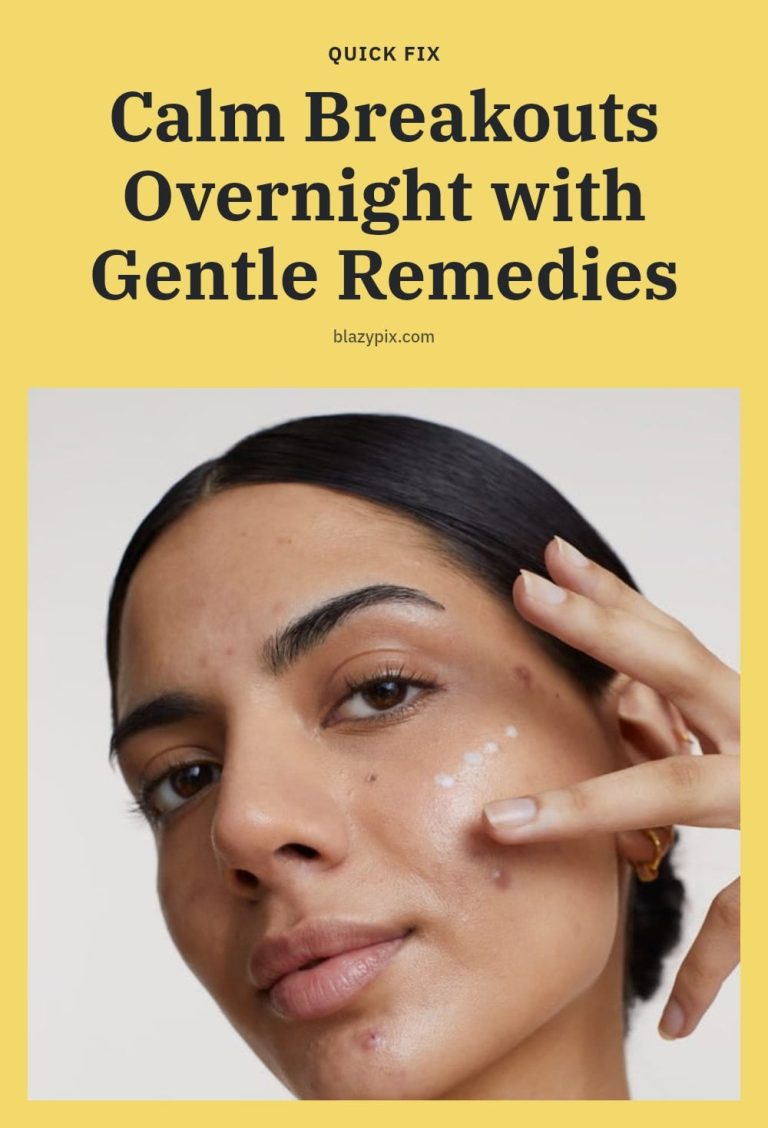
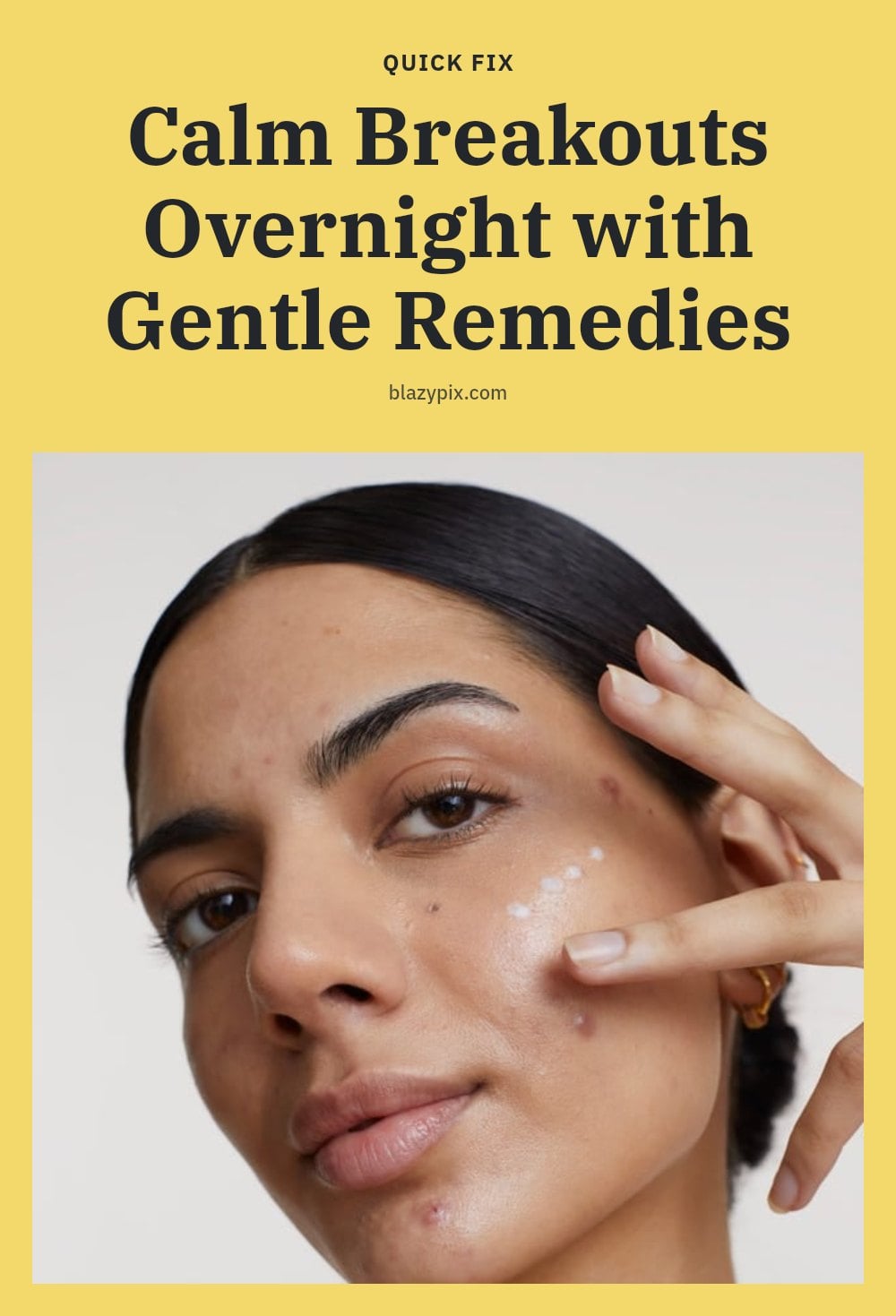
Waking up to a new breakout can feel frustrating, but you don’t have to panic. The key to calming breakouts overnight is reducing inflammation and preventing further irritation without making things worse. This article covers gentle, targeted remedies that can help minimize redness and swelling by morning, along with common mistakes to avoid and when to seek professional help.
Key Takeaways
- Focus on reducing inflammation with gentle spot treatments like salicylic acid or benzoyl peroxide.
- Use hydrocolloid patches on individual pimples to absorb fluid and protect from bacteria.
- Apply a cold compress for a few minutes to temporarily reduce swelling and redness.
- Avoid picking or squeezing breakouts to prevent scarring and worsening inflammation.
- Always use non-comedogenic products and keep your pillowcase clean for long-term prevention.
Quick Answer: What Helps Calm Breakouts Overnight?
To calm breakouts overnight, focus on reducing inflammation and preventing further irritation. Gentle, targeted treatments like salicylic acid, benzoyl peroxide, or hydrocolloid patches can minimize redness and swelling, making blemishes less noticeable by morning. While a full ‘cure’ overnight is unlikely, consistent gentle care can significantly improve your skin’s condition. Keep expectations realistic and treat your skin kindly.
Why Breakouts Appear: Understanding the Causes
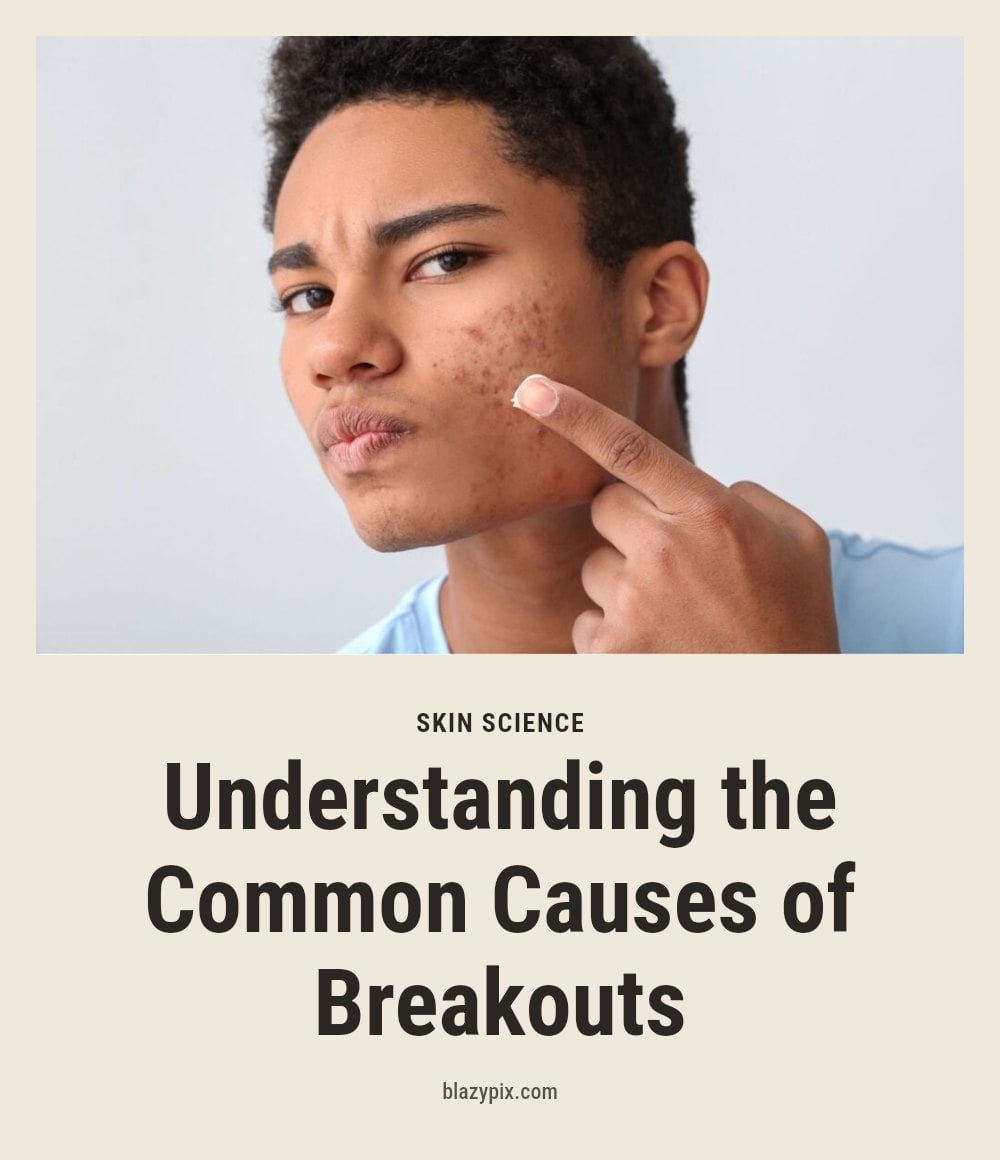
How Breakouts Form
Breakouts occur when hair follicles become clogged with oil (sebum) and dead skin cells. This mixture blocks the pore, creating an environment where bacteria can thrive.
Inflammation is a key component of visible breakouts, leading to redness and swelling. This is your skin’s immune response to the clogged pore and bacteria.
Using non-comedogenic products is crucial to avoid clogging pores further. These products are formulated to not block pores, reducing the risk of worsening breakouts.
Your Overnight Breakout Calming Kit
Having the right tools on hand can make a difference in managing breakouts gently. Here’s what I keep in my overnight kit:
- Gentle facial cleanser: Removes impurities without stripping skin.
- Salicylic acid spot treatment: Exfoliates inside the pore to unclog it.
- Benzoyl peroxide spot treatment: Kills bacteria and sheds dead skin cells.
- Hydrocolloid patches: Absorb fluid and protect the pimple.
- Niacinamide serum: Reduces inflammation and redness.
- Diluted tea tree oil: Offers antimicrobial benefits; always dilute with a carrier oil.
- Aloe vera gel: Soothes and calms irritated skin.
- Non-comedogenic moisturizer: Hydrates without clogging pores.
- Cold compress: Temporarily reduces swelling and redness.
Overnight Strategies for Calming Breakouts

When a breakout appears, a few targeted steps can help calm it overnight. Here’s my go-to routine:
Overnight Calming Routine
My tip: Always patch-test new products on a small area first to check for reactions. If you experience excessive redness, burning, or peeling, discontinue use and consult a dermatologist.
Common Breakout Blunders to Avoid
Picking or Squeezing: This can worsen inflammation, spread bacteria, and lead to scarring. It’s the fastest way to turn a small blemish into a bigger problem.
Over-Exfoliating: Using harsh scrubs or too many active ingredients can strip the skin’s barrier and cause more irritation. Stick to gentle cleansing and one active treatment at a time.
Expecting Miracles: A complete disappearance overnight is unrealistic. Focus on reducing inflammation and improving appearance rather than wishing the breakout away.
Skipping Patch Tests: Always test new products, especially active ingredients, on a small area first to check for reactions. A patch test can save you from a full-face reaction.
Sleeping with Makeup: This can clog pores and exacerbate breakouts. Always remove all makeup before bed to let your skin breathe and recover.
Keeping Breakouts at Bay: Long-Term Strategies
Consistent gentle cleansing twice a day helps remove surface impurities without stripping the skin. Use a mild cleanser suited to your skin type.
Always use non-comedogenic skincare and makeup products to avoid clogging pores. Check labels for this term before buying.
Clean your pillowcase regularly to prevent bacteria and oil buildup. A weekly change can make a noticeable difference.
Avoid touching your face unnecessarily throughout the day. Hands transfer dirt and bacteria directly to your skin.
Stay hydrated and maintain a balanced diet for overall skin health. While not a cure, these habits support your skin’s natural function.
When to Consult a Dermatologist
If breakouts are severe, persistent, or accompanied by significant pain, it is time to see a dermatologist.
If over-the-counter remedies are ineffective after consistent use, a professional can identify underlying causes.
If you suspect a different underlying skin condition, such as rosacea or folliculitis, a dermatologist can provide an accurate diagnosis.
If you experience excessive redness, burning, peeling, or itching from products, discontinue use and consult a professional.
Frequently Asked Questions
Can I prevent breakouts from forming?
Yes, consistent gentle cleansing twice daily, using non-comedogenic products, and changing your pillowcase regularly can help reduce the chance of new breakouts. Long-term prevention also involves avoiding harsh products that strip the skin and trigger more oil production.
How long does it take for a breakout to completely heal?
Complete healing of a breakout typically takes several days to weeks, depending on the severity and your skin’s response. While some redness and swelling can improve overnight, the blemish itself needs time to resolve fully without picking or over-treating.
Are natural remedies effective for breakouts?
Some natural ingredients like diluted tea tree oil or aloe vera may help calm inflammation, but they are not as reliably effective as targeted over-the-counter treatments. Always dilute essential oils with a carrier oil and patch-test first to avoid irritation.
How can I get rid of a pimple fast?
There is no guaranteed way to make a pimple disappear overnight, but applying a hydrocolloid patch or a spot treatment with salicylic acid or benzoyl peroxide can reduce its appearance by morning. Avoid harsh methods like squeezing or using undiluted essential oils, which can worsen the problem.
Final Thoughts
My tip: keep a simple overnight kit with a mild cleanser, a spot treatment you trust, and hydrocolloid patches so you’re ready when a breakout appears. While complete healing takes several days to weeks, you can expect redness and swelling to look noticeably calmer by morning with consistent gentle care. Stick with what works for your skin and avoid the urge to overdo it.
This article provides general information for educational purposes and is not a substitute for professional medical advice. If you have persistent, severe, or painful breakouts, or if over-the-counter treatments are not helping, consult a dermatologist or healthcare professional for personalized care.