15 Essential Habits for Achieving and Maintaining Healthy Hair
Discover 15 essential habits for healthy hair. Learn effective care techniques, nutrition tips, and damage prevention for vibrant, strong locks.

If your hair feels dry, brittle, or lacks shine, the fix isn’t a single miracle product but a set of daily habits that work together over time. In this article, I’m sharing 15 practical tips that focus on gentle care, smart product choices, and protecting your strands from the inside out.
Key Takeaways
- Use a sulfate-free shampoo matched to your hair type to avoid stripping natural oils.
- Always condition from mid-lengths to ends, even if your hair is oily.
- Detangle wet hair with a wide-tooth comb starting at the ends to prevent breakage.
- Schedule trims every 6 to 8 weeks to stop split ends from traveling upward.
- Sleep on a silk or satin pillowcase to reduce nighttime friction and frizz.
What Makes Hair Healthy?
Healthy hair is strong, shiny, and resilient. This comes from an intact keratin structure and a smooth, protective cuticle layer that lies flat and seals in moisture. Achieving this look requires gentle care, proper nutrition, and consistent protection from environmental and styling damage. When you treat your hair well, it can thrive naturally without relying on heavy products or quick fixes.
1. Choose the Right Shampoo
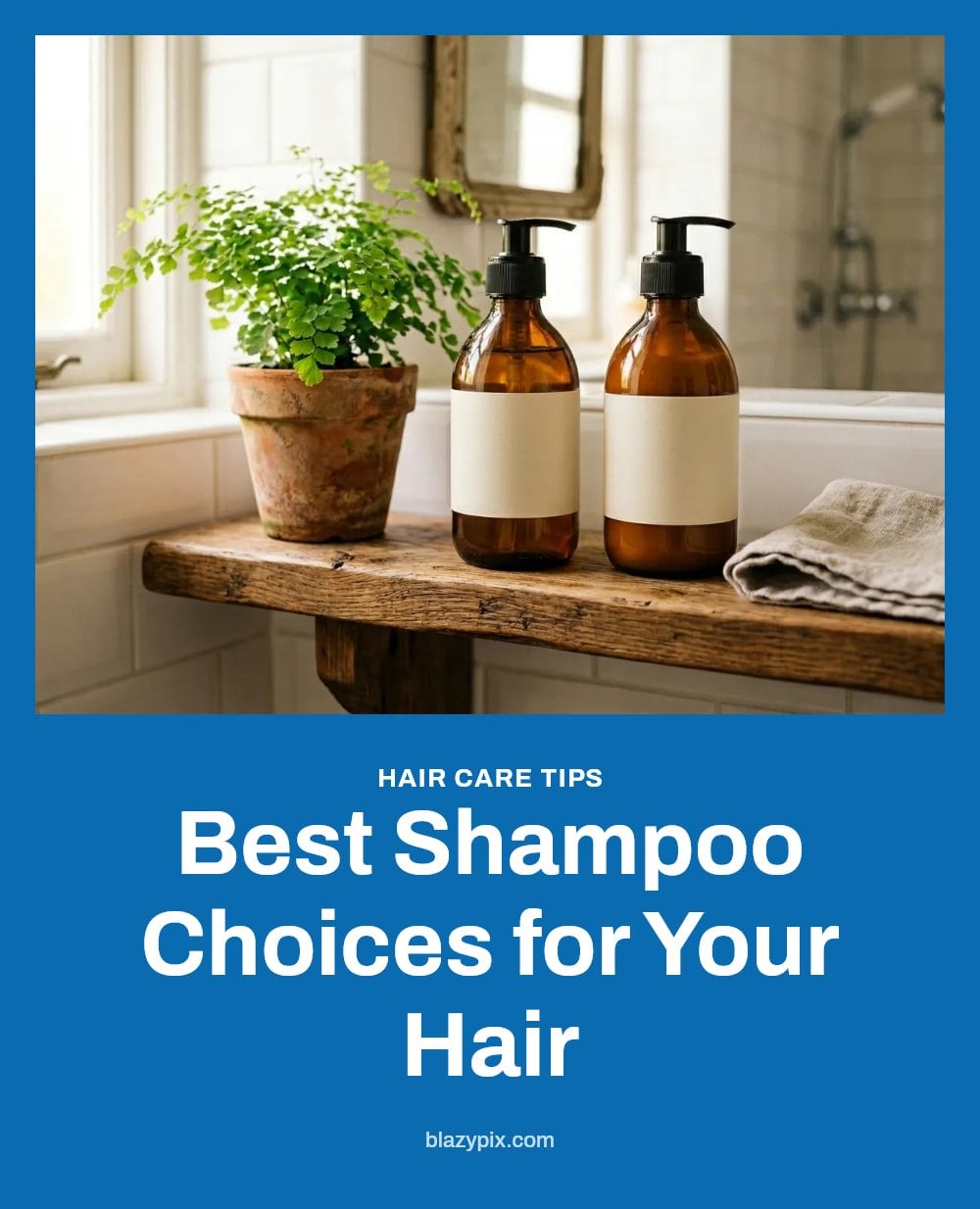
Start with a sulfate-free shampoo formulated for your specific hair type, whether that is oily, dry, or color-treated. Sulfates are effective cleansers, but they can strip your scalp’s natural oils, leaving hair dry and brittle over time.
My tip: Scan the ingredient list for targeted additions. Argan oil or shea butter works well for dryness, while salicylic acid helps clarify an oily scalp without over-stripping.
2. Condition Every Wash
Conditioner is non-negotiable every time you wash. Apply it from the mid-lengths to the ends only, avoiding the scalp area. The conditioner seals the cuticle, locks in moisture, and reduces tangles that lead to breakage.
Even if your hair leans oily, skipping conditioner makes things worse. Your scalp may overproduce oil to compensate for dry ends, so keep conditioning to maintain softness and prevent damage.
3. Wash Hair Mindfully
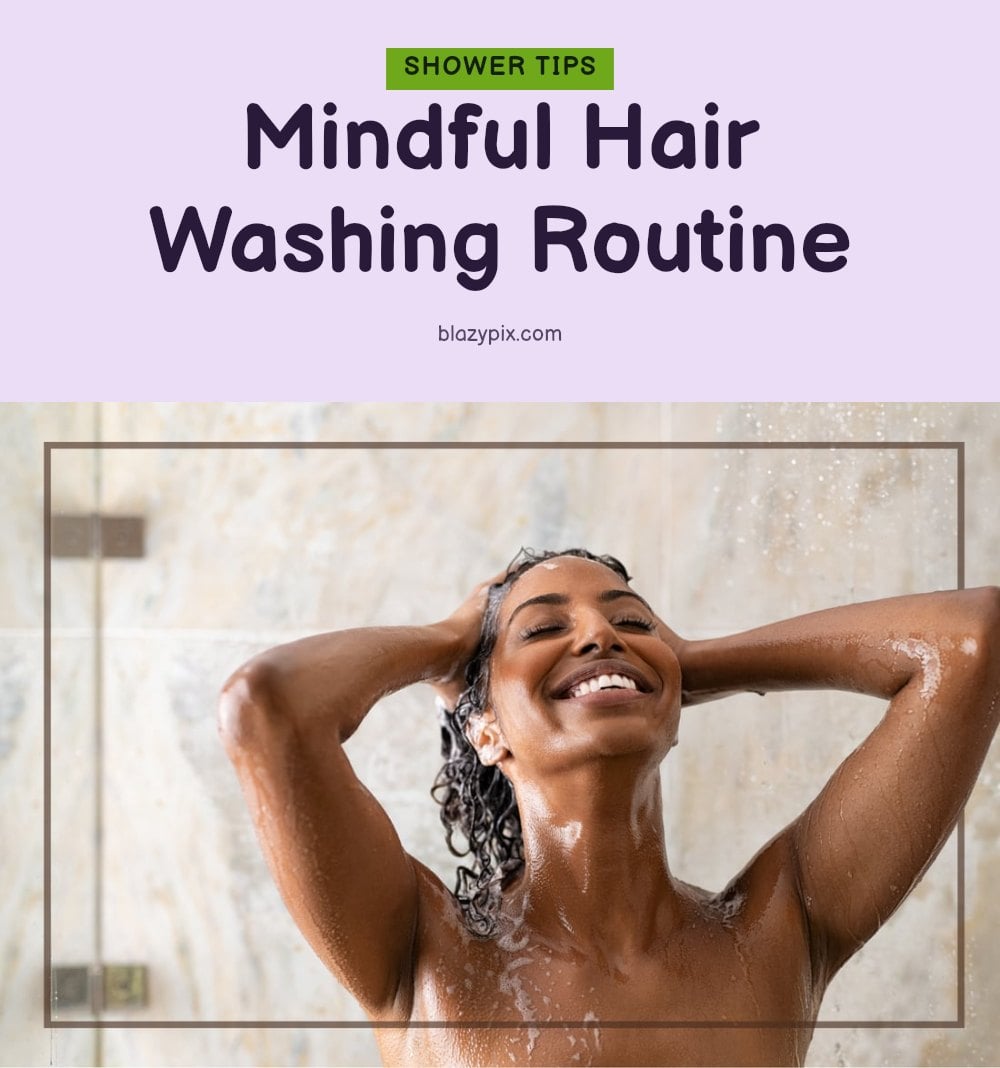
Very hot water strips natural oils from your scalp and hair, leaving both dry and brittle. Stick with lukewarm water for your main wash and rinse to keep the cuticle flat and your strands hydrated. My tip: For extra shine, finish with a quick cold water rinse. It helps seal the cuticle without stripping oils.
Don’t over-wash. Find a frequency that matches your hair type. Every two to three days works for most people. Washing too often leads to dryness or, counterintuitively, increased oil production as your scalp tries to compensate.
4. Detangle Wet Hair Gently
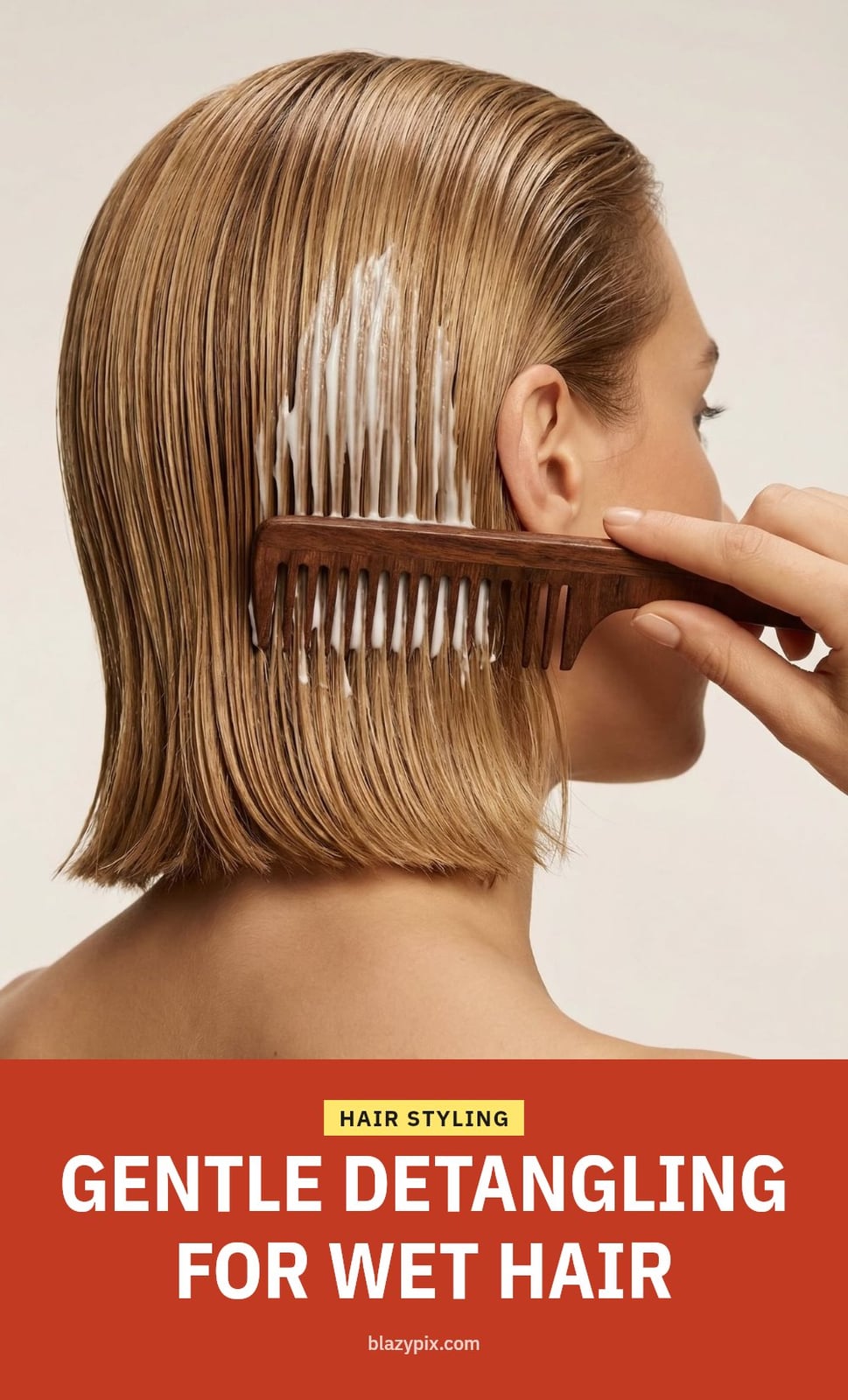
Wet hair is at its most fragile state, making it highly prone to breakage. Reach for a wide-tooth comb instead of a brush, and start detangling from the very ends of your hair. Slowly work your way up toward the roots, gently releasing knots as you go.
Tip: Apply a leave-in conditioner or detangling spray before you start combing. This adds slip and reduces friction, so the comb glides through without snagging or pulling on wet strands.
5. Air Dry When Possible
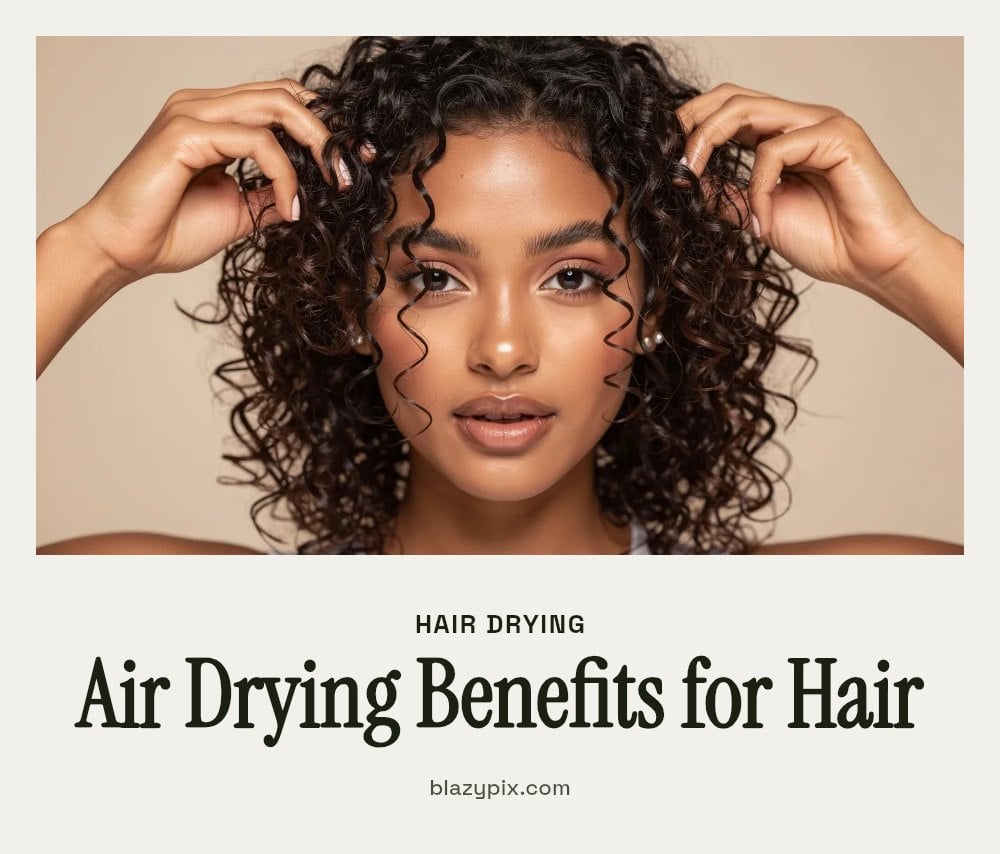
Heat styling is one of the fastest ways to damage the hair cuticle and cause moisture loss. Whenever your schedule allows, let your hair air dry completely before touching it with any hot tool. Even air drying halfway before blow-drying reduces the total heat exposure significantly.
This simple habit helps preserve your hair’s natural strength and elasticity, keeping it resilient over time. Your strands will thank you with less frizz and fewer split ends.
6. Always Use Heat Protectant
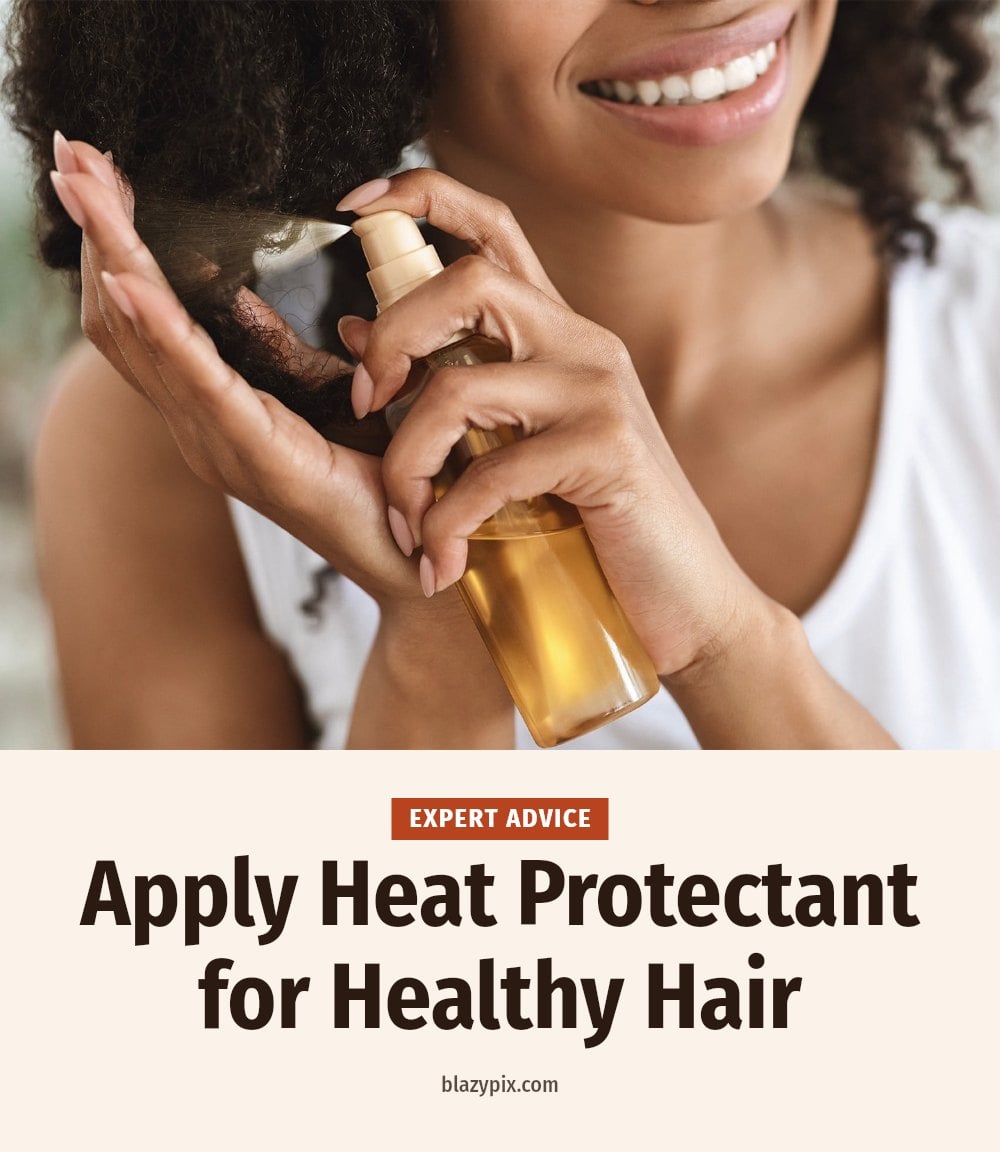
If you reach for a blow dryer, curling iron, or straightener, a heat protectant spray is non-negotiable. It forms a protective barrier on the hair shaft that minimizes cuticle damage during styling. Without it, direct heat can cause moisture loss and long-term weakening.
Spray the product evenly from roots to ends before turning on any tool. Also check that your styling tools are not set to excessively high temperatures, which can burn the hair and scalp even with protection.
7. Deep Condition Weekly

Once a week, swap your regular conditioner for a deep conditioning treatment or hair mask. These formulas deliver concentrated moisture and protein that penetrate deeper into the strand, strengthening it from within and restoring elasticity.
Good to know: Look for masks containing keratin, argan oil, or shea butter. Apply them to clean, damp hair and leave them on for the full time recommended on the package, usually 5 to 20 minutes, before rinsing thoroughly.
8. Protect Hair from Sun
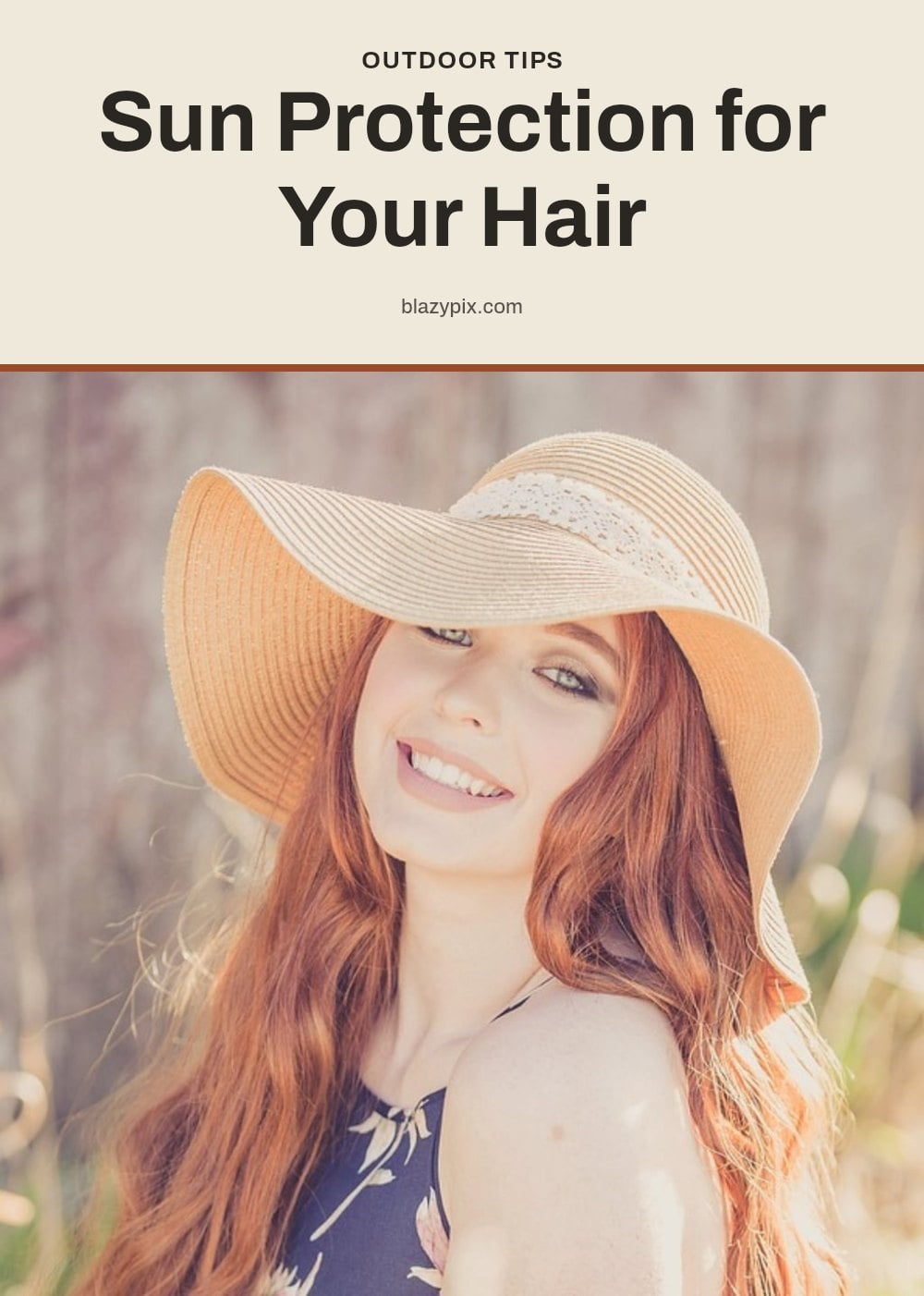
UV radiation damages hair proteins and fades color, just like it damages skin. When you spend extended time outdoors, wear a wide-brimmed hat or apply a UV-protective spray to your hair.
These simple steps preserve your hair’s integrity and keep color vibrant.
9. Eat a Balanced Diet
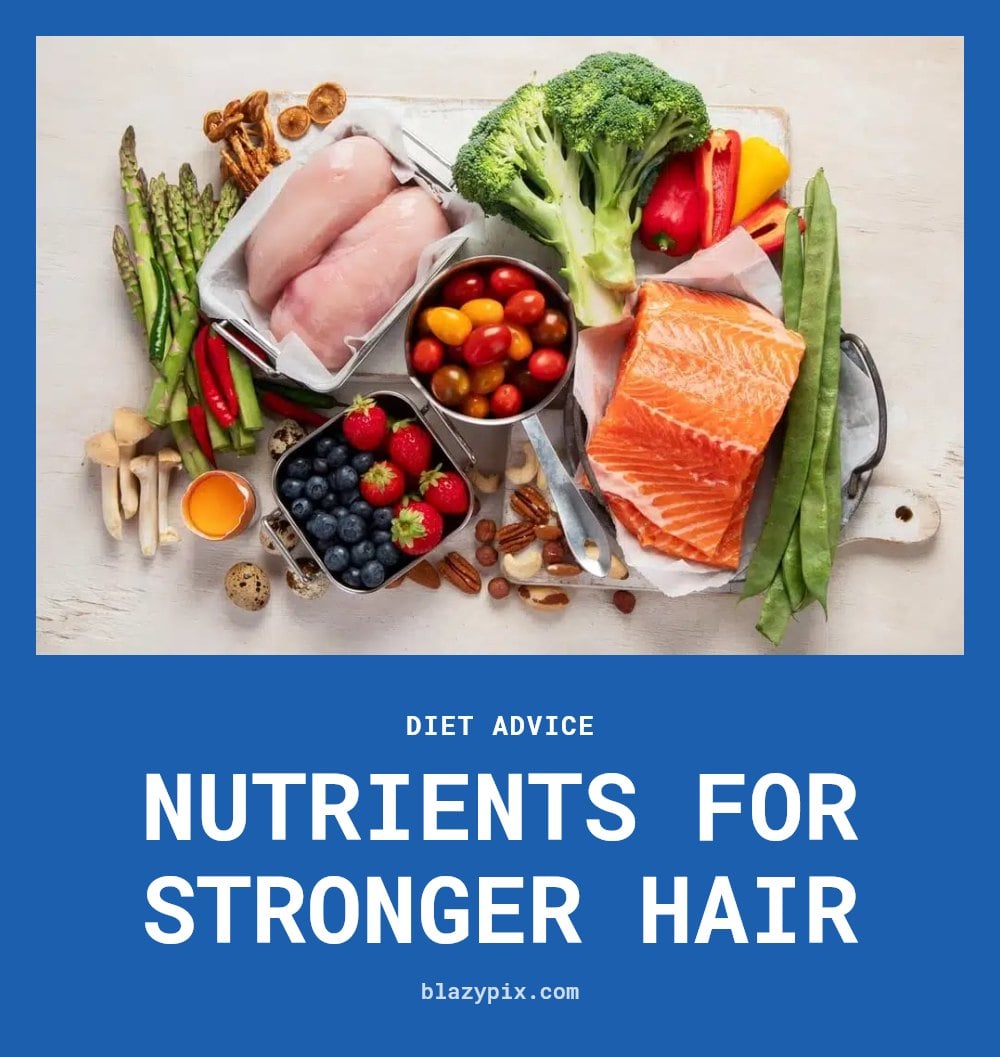
Hair is primarily made of protein, so your diet directly affects its strength and growth. Aim for lean proteins, vitamins B, C, D, and E, and minerals like iron and zinc.
- Salmon for omega-3s and protein
- Eggs for biotin and protein
- Leafy greens for iron and vitamins
- Nuts for zinc and healthy fats
10. Get Regular Trims
Schedule trims every 6 to 8 weeks to remove split ends before they travel up the hair shaft and cause more damage. Even if you’re growing out your hair, small consistent trims keep it looking healthier and prevent breakage.
My tip: ask your stylist for a dusting, which removes only the very ends, so you keep length while protecting the rest of the strand.
11. Avoid Tight Hairstyles
Constant tension from tight ponytails, braids, or buns can lead to traction alopecia, a form of hair loss caused by pulling on the follicles. Over time, this stress can permanently damage the root.
Opt for looser styles, like a low ponytail or a loose braid, and alternate your part to distribute tension evenly across your scalp.
12. Use a Microfiber Towel
Rubbing your hair with a standard cotton towel creates friction that lifts the cuticle and causes frizz and breakage, especially when hair is wet and vulnerable. Instead, blot excess water gently with a microfiber towel or an old cotton t-shirt. These materials absorb moisture without roughing up the hair shaft.
Tip: Squeeze sections of hair in the towel rather than rubbing back and forth. This removes water while keeping the cuticle smooth.
- An old t-shirt works just as well and costs nothing
13. Sleep on Silk or Satin
Cotton pillowcases create friction as you toss and turn during the night, which leads to tangles, frizz, and breakage. A silk or satin pillowcase lets your hair glide smoothly against the fabric, reducing that friction significantly.
Tip: If you don’t want to swap your whole pillowcase, try a silk or satin scarf wrapped around your pillow. Your hair will slide instead of snag, and your style will last longer the next morning.
14. Understand Your Hair Porosity
Hair porosity describes how well your strands absorb and retain moisture, and it determines which products will actually work for you. Low porosity hair has tightly closed cuticles and benefits from lightweight formulas like mists or gels, while high porosity hair has raised cuticles and needs heavier creams or butters to lock in moisture.
Pro move: Drop a clean strand of hair into a glass of water. If it floats, your porosity is low. If it sinks, your porosity is high. This simple test helps you pick the right leave-ins and masks without guesswork.
15. Manage Stress Levels
High stress disrupts your hair’s natural growth cycle, which can lead to increased shedding or visible thinning over time. Managing that stress is a direct way to support your hair health.
Pro move: Build short, consistent stress-relief habits into your week. Meditation, a 10-minute walk, or a hobby that takes your mind off daily pressure can help keep your cortisol levels in check. Your hair will thank you for it.
When to Consult a Professional
Sudden or excessive hair loss warrants a visit to your doctor to check for underlying health issues like thyroid imbalances or nutritional deficiencies. Chemical treatments such as coloring, perming, or relaxing can severely damage hair if applied incorrectly or too often, so always have them done by a qualified professional.
Caution: Stop using any product that causes scalp irritation, itching, or excessive dryness. If symptoms continue, see a dermatologist for guidance.
Frequently Asked Questions
How long does it take to see results from healthy hair habits?
You can usually notice better texture and shine within a few weeks of consistent habits. More significant changes in strength and length take several months, since hair grows slowly and needs time to reflect the improvements in care and nutrition.
Can stress really affect hair health?
Yes, high stress can disrupt the hair growth cycle and lead to increased shedding or visible thinning over time. Managing stress through habits like meditation or a short daily walk can directly support healthier hair growth.
Is it bad to wash hair every day?
For most people, daily washing strips the scalp’s natural oils, which can lead to dryness or, conversely, overproduction of oil as a rebound effect. The right frequency depends on your hair type, but many find every other day or less works best for balance.
Do cold water rinses actually work for hair shine?
Cold water rinses are often suggested to help seal the hair cuticle, which can enhance shine by making the hair surface smoother. While the effect is subtle and temporary, it’s a harmless final step that some people find adds a bit of gloss.
Final Thoughts
My tip for getting started is to pick just two or three changes that feel doable, like switching to a wide-tooth comb or using a heat protectant every time. With consistent effort, you can expect to see initial improvements in texture and shine within a few weeks, with stronger, healthier growth over the next several months. Small, steady habits truly add up to lasting hair health.
This article provides general information about healthy hair habits and is not a substitute for professional medical advice. If you experience sudden or excessive hair loss, scalp irritation, or other persistent concerns, please consult a doctor or dermatologist.