Azelaic Acid Guide: What It Does and How to Add It to Your Routine
Discover what azelaic acid is, how it works to improve skin concerns like acne and rosacea, and how to safely incorporate it into your skincare routine.

If you’re dealing with acne, rosacea, or dark spots, azelaic acid might be the multitasking ingredient your routine is missing. It’s a naturally occurring acid that calms redness, fights bacteria, and fades hyperpigmentation, all while being gentle enough for many sensitive skin types. In this guide, I’ll walk you through what azelaic acid does, how to use it step by step, and what results to expect.
Key Takeaways
- Start with a 10% over-the-counter formula if you’re new to azelaic acid.
- Apply a pea-sized amount to clean, dry skin once or twice daily.
- Expect initial improvements in 4-8 weeks, with fuller results in 3-6 months.
- Always follow up with a broad-spectrum sunscreen of at least SPF 30.
- See a dermatologist if you experience severe burning, itching, or swelling.
What Is Azelaic Acid and How Does It Benefit Your Skin?
Azelaic acid is a naturally occurring dicarboxylic acid found in grains like barley, wheat, and rye. It offers multiple skin benefits by reducing inflammation, killing acne-causing bacteria, and promoting cell turnover. This makes it a versatile treatment for acne, rosacea, and hyperpigmentation, including post-inflammatory hyperpigmentation and melasma.
How Azelaic Acid Works to Transform Your Complexion

Azelaic acid works through several distinct mechanisms to improve your complexion:
- Antibacterial action: It reduces the growth of Cutibacterium acnes (formerly Propionibacterium acnes) and Staphylococcus epidermidis, the bacteria that contribute to acne.
- Anti-inflammatory effects: It calms redness and swelling, which is especially helpful for inflammatory acne and rosacea flare-ups.
- Normalizes keratinization: It helps regulate the shedding of skin cells, preventing them from clogging pores and forming comedones (blackheads and whiteheads).
- Inhibits tyrosinase: This enzyme is key in melanin production, and by inhibiting it, azelaic acid reduces hyperpigmentation like dark spots and melasma.
Essentials for Incorporating Azelaic Acid into Your Routine
To get the most out of azelaic acid, you’ll need a few basics:
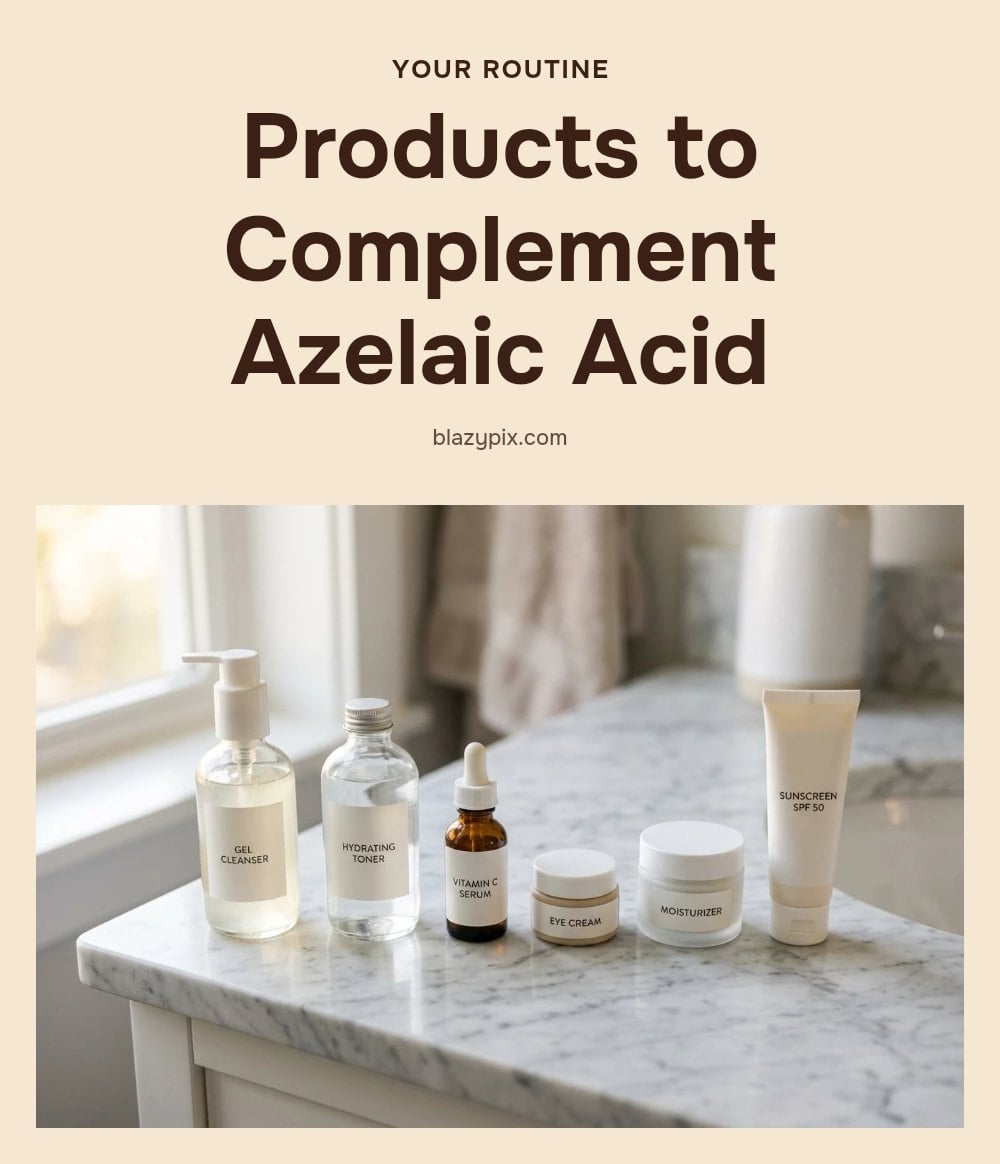
- Azelaic acid product: Choose a cream, gel, or serum with 10% concentration for OTC, or a prescription formula if recommended.
- Gentle cleanser: A mild, non-stripping cleanser prepares your skin without irritation.
- Moisturizer: A simple, fragrance-free moisturizer helps maintain your skin barrier.
- Broad-spectrum sunscreen (SPF 30+): Even though azelaic acid doesn’t increase sun sensitivity, daily sunscreen is crucial to protect your skin and prevent hyperpigmentation from worsening.
Step-by-Step: How to Add Azelaic Acid to Your Skincare Routine
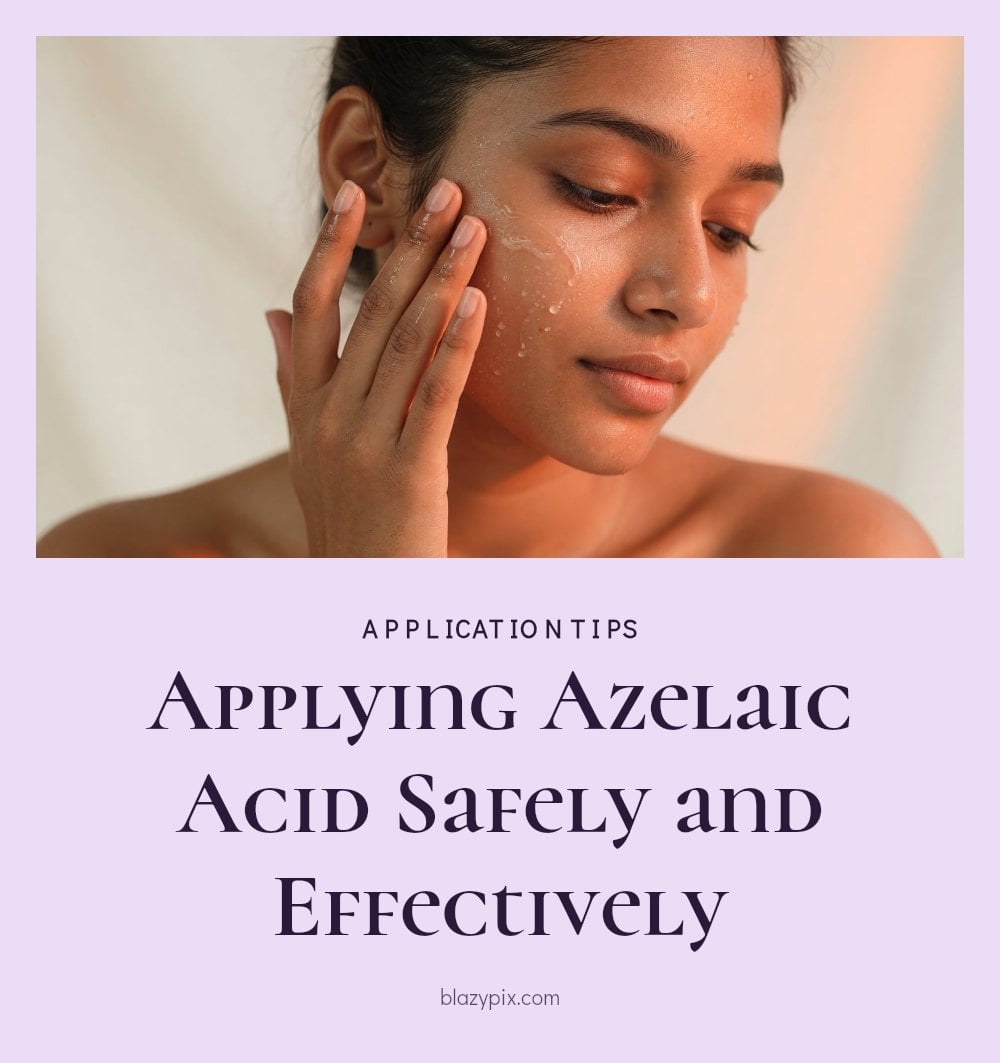
Adding azelaic acid to your routine is straightforward, but a few steps make a big difference.
- Cleanse and dry: Wash your face with a gentle cleanser and pat it completely dry. Applying to damp skin can increase irritation, so wait a few minutes after cleansing.
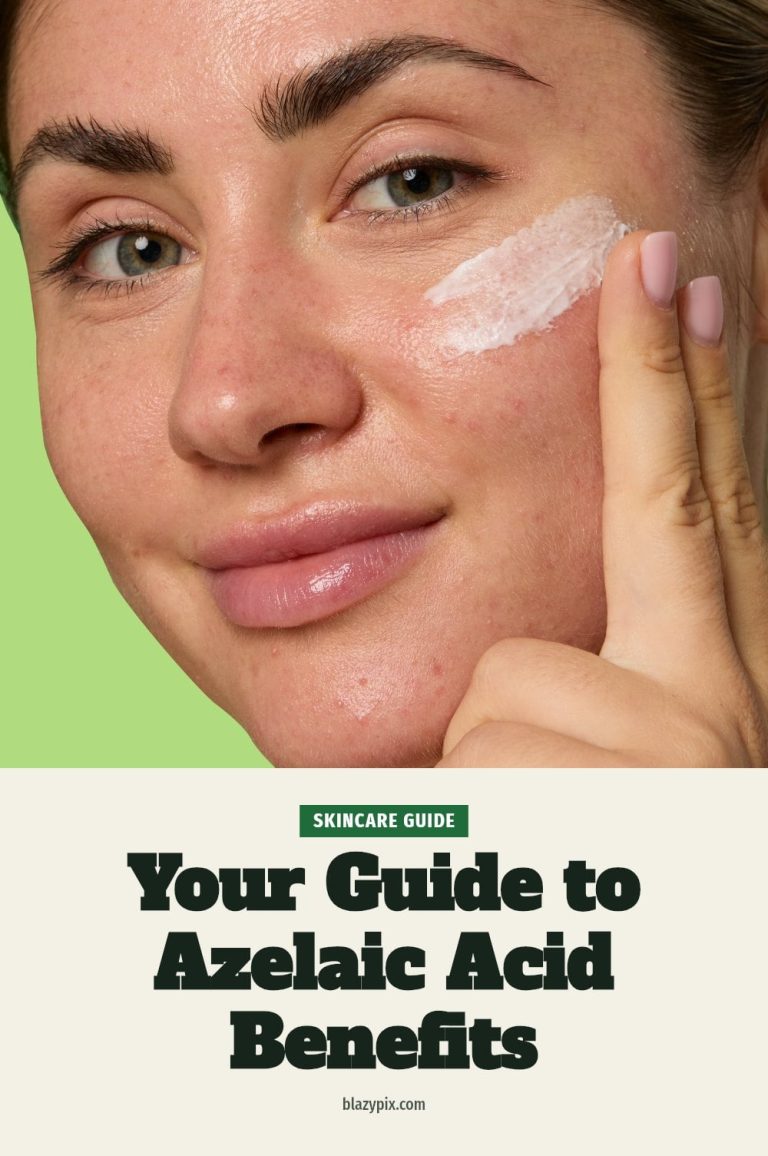
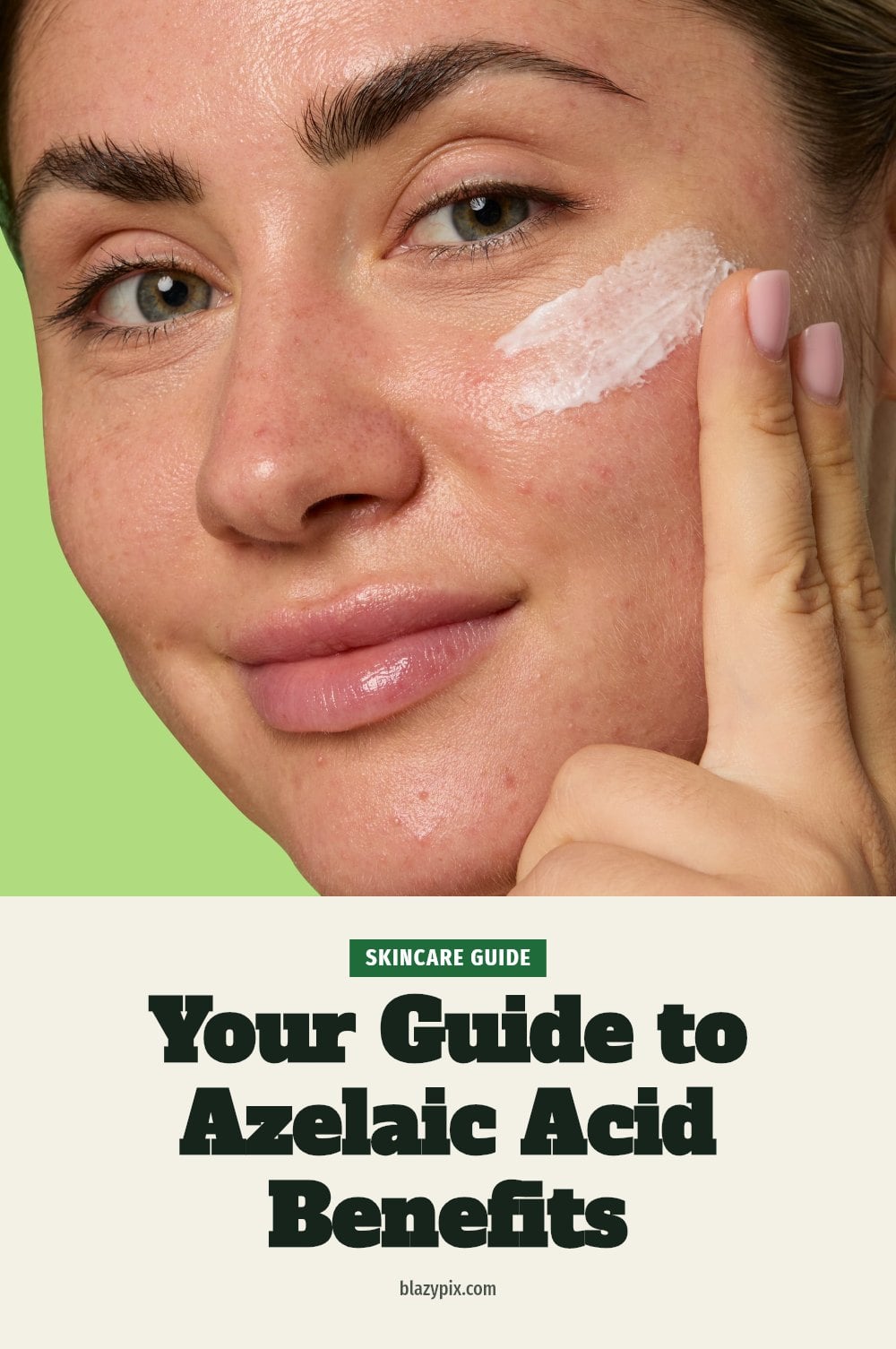
- Start with a pea-sized amount: Squeeze a pea-sized amount of azelaic acid onto your fingertip and apply it evenly over your entire face, avoiding the eye and mouth areas.
- Introduce gradually: Begin by using it every other day, then increase to daily as your skin tolerates it. This helps minimize initial stinging or redness.
- Layer correctly: After azelaic acid absorbs, follow with a moisturizer to lock in hydration. In the morning, always finish with a broad-spectrum sunscreen of SPF 30 or higher, even on cloudy days.
Understanding Azelaic Acid Concentrations: OTC vs. Prescription
Azelaic acid comes in two main strengths. Over-the-counter products typically contain 10% azelaic acid, which is a good starting point for most people. Prescription formulations range from 15% to 20% and are reserved for more stubborn cases of acne, rosacea, or hyperpigmentation. Tip: Start with the 10% OTC version for at least 8 weeks before considering a higher strength. If your skin concerns don’t improve or you have severe symptoms, consult a dermatologist. They can assess whether a prescription-strength product is appropriate for your specific condition.
Combining Azelaic Acid with Other Skincare Actives
Azelaic acid plays well with many other active ingredients, but you need to introduce them carefully. You can use it alongside retinoids, AHAs, BHAs, and niacinamide. Caution: Do not layer all of these at once. Start by using azelaic acid in the morning and your other active at night, or alternate days. Watch for signs of irritation like stinging or redness. If your skin feels sensitive, reduce frequency or switch to using azelaic acid alone until your skin adjusts. Niacinamide is particularly gentle to pair with azelaic acid and can help soothe any potential irritation.
Common Mistakes to Avoid When Using Azelaic Acid
Expecting instant results: Azelaic acid takes time. Consistent use for 4-8 weeks usually shows initial changes, with fuller results at 3-6 months. Using too high a concentration too soon: Jumping to 15% or 20% before your skin is ready often causes redness and peeling. Applying to wet skin: This increases absorption and irritation. Always pat your face completely dry before application. Skipping sunscreen: Even though azelaic acid doesn’t increase sun sensitivity, UV exposure worsens hyperpigmentation and undoes your progress. Confusing mild irritation with an allergic reaction: A little stinging or itching in the first few weeks is normal and usually fades. If you experience severe burning, swelling, or blistering, stop use and see a dermatologist.
What to Expect: Timeline for Results and Product Availability
You may notice initial improvements in skin texture and reduced redness within 4 to 8 weeks of consistent use. Significant results for acne, rosacea, or hyperpigmentation typically appear after 3 to 6 months. Azelaic acid is available over the counter in 10% formulations and by prescription in 15% to 20% strengths. Prescription versions may involve a higher cost and a doctor’s visit, but OTC options are widely accessible without a prescription.
When to Consult a Dermatologist About Azelaic Acid
If you experience severe burning, itching, or swelling, stop using azelaic acid and see a dermatologist. Persistent or worsening irritation that doesn’t improve with continued use also warrants a professional opinion. Prescription-strength products (15-20%) require a doctor’s supervision to ensure the concentration is right for your skin. If you are pregnant or breastfeeding, always consult your healthcare provider before starting any new skincare treatment, even over-the-counter options.
Frequently Asked Questions
Can I use azelaic acid every day?
Yes, many people use azelaic acid once or twice daily, but it’s best to start gradually. Begin by applying it every other day, then increase to daily as your skin tolerates it. If you experience persistent stinging or redness, reduce frequency or consult a dermatologist.
How long does it take for azelaic acid to work?
You might notice initial changes in skin texture and reduced redness within 4 to 8 weeks of consistent use. Significant improvements in acne, rosacea, or hyperpigmentation typically appear after 3 to 6 months. Keep using it regularly to see the full benefits.
Is azelaic acid safe for sensitive skin?
Azelaic acid is generally well tolerated, even by sensitive skin, because it has anti-inflammatory properties. Starting with a 10% concentration and introducing it slowly can help minimize irritation. If you have very reactive skin, patch test first and consult a dermatologist if needed.
Can azelaic acid cause purging?
Purging is possible but not common with azelaic acid. It normalizes cell turnover, which can bring underlying breakouts to the surface initially. This usually settles within a few weeks. If you see severe or persistent breakouts, stop use and talk to a dermatologist.
What percentage of azelaic acid should I use?
For most people, a 10% over-the-counter product is a good starting point. If your skin tolerates it well and you need stronger results, a dermatologist may prescribe 15% to 20%. Always follow your product’s instructions and professional guidance.
Final Thoughts
My tip: give azelaic acid a solid three-month trial before judging it. Consistency matters more than any single application. Start low, go slow, and pair it with a basic routine of gentle cleanser, moisturizer, and daily SPF. Most people see noticeable changes within a few months, so patience is your friend here.
If your skin doesn’t tolerate it or you’re not seeing the results you want, that’s your cue to talk to a dermatologist, especially if you’re dealing with stubborn acne, rosacea, or melasma. They can help you decide if a prescription strength is right for you.
This article is for general information only and is not a substitute for professional medical advice. Always consult a doctor or dermatologist before starting any new skincare treatment, especially if you are pregnant, breastfeeding, or have a persistent skin condition. If you experience severe irritation, stop use and seek medical care.