Embrace a Self Care Lifestyle: Daily Habits for Well-Being
Learn how to build a sustainable self care lifestyle with simple daily habits. Discover routines that support your physical, mental, and emotional health.

You already know you need a break, but carving out time for yourself can feel like just another task on an endless to-do list. A self-care lifestyle isn’t about adding more pressure; it’s about weaving small, intentional habits into your day that support your physical, mental, and emotional well-being. This article covers simple, sustainable practices you can start today to reduce stress, prevent burnout, and feel more balanced without overhauling your entire routine.

Key Takeaways
- Prioritize 7-9 hours of sleep each night for foundational well-being.
- Drink a full glass of water first thing and stay hydrated throughout the day.
- Move your body for at least 10-15 minutes daily, even if it’s a walk.
- Set clear boundaries with work and technology to protect your time and energy.
- Reflect regularly on what recharges you and adjust your practices accordingly.
What is a Self-Care Lifestyle?
A self-care lifestyle isn’t about occasional indulgences or expensive spa days. It’s about consistently weaving small, intentional habits into your daily routine that support your physical, mental, and emotional well-being. Think of it as proactive maintenance, not crisis management. The goal is a sustainable rhythm that nourishes you, prevents burnout, and keeps you balanced, so you can show up fully for everything else in your life. It’s a practice, not a destination.
1. Prioritize 7-9 Hours of Sleep
Aim for 7-9 hours of sleep each night. Consistent, quality sleep is a foundational pillar of physical and mental health, affecting everything from your mood to your immune system.
Create a bedtime routine that signals your body it’s time to wind down. This could include dimming lights, reading a book, or taking a warm shower about an hour before bed.
My tip: Make your bedroom a sanctuary. Keep it dark, quiet, and cool. Blackout curtains and a comfortable temperature can make a significant difference in how quickly you fall asleep and how rested you feel.
2. Start Your Day with Hydration
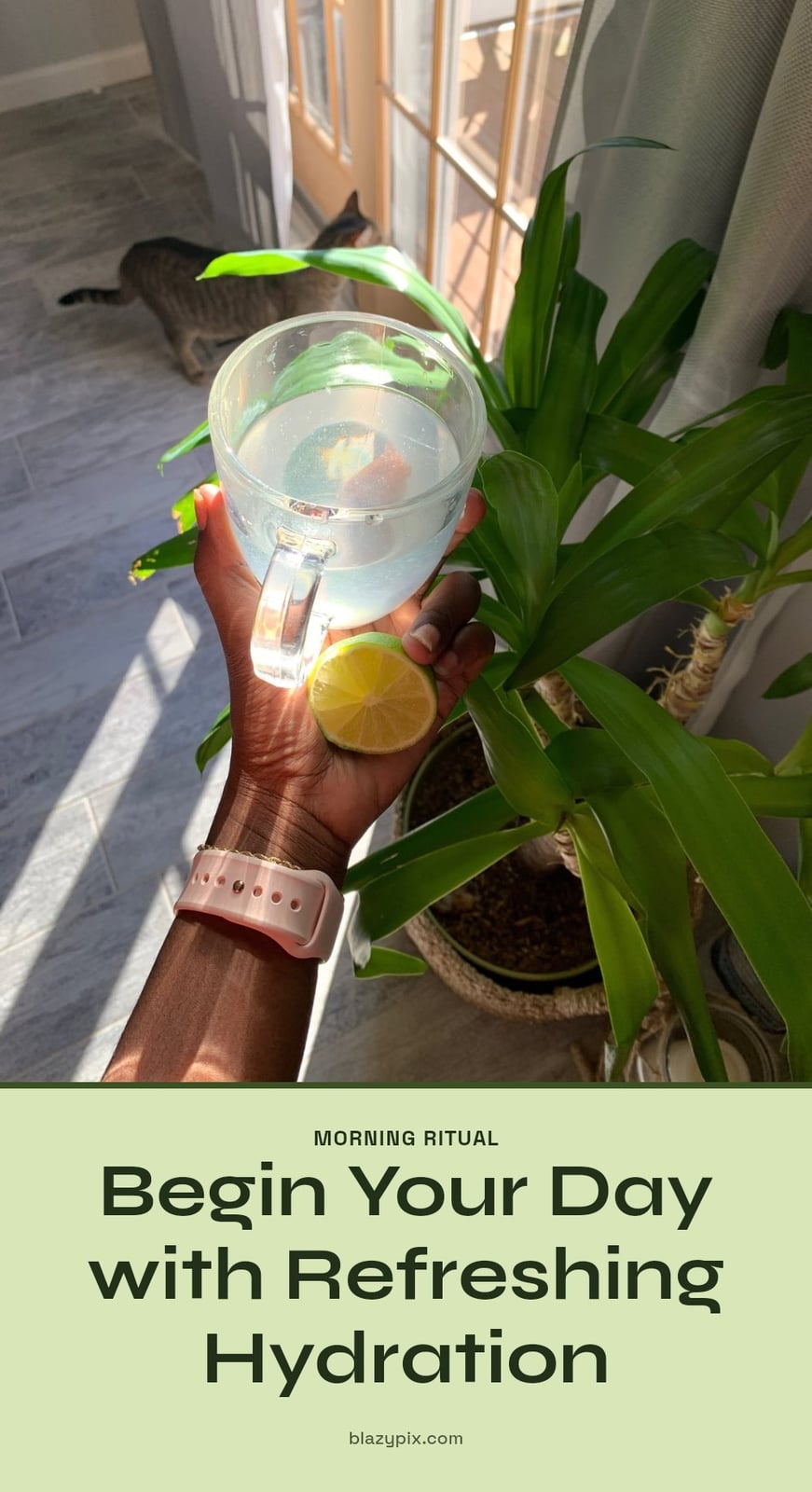
Drink a full glass of water first thing in the morning. After hours of sleep, your body is dehydrated, and rehydrating kickstarts your metabolism and helps you feel more alert.
Don’t stop there. Adequate hydration throughout the day supports both physical and cognitive function. Even mild dehydration can lead to fatigue and difficulty concentrating.
My tip: Keep a reusable water bottle on your desk or in your bag. Having it visible and within reach is a simple reminder to sip regularly, so you don’t have to rely on memory.
3. Engage in Daily Movement

Incorporate at least 10-15 minutes of physical activity into your day. It doesn’t need to be intense; a brisk walk, stretching, or a short yoga flow all count. Regular movement reduces stress hormones and boosts your mood.
The key is consistency, not intensity. Short daily movement is more sustainable and beneficial than sporadic, exhausting workouts.
Tip: Find an activity you genuinely enjoy. If you hate running, don’t force it. Try dancing, swimming, or a fitness class. When you like the activity, it won’t feel like a chore, and you’ll be more likely to stick with it.
4. Practice Mindful Breathing

Take a few minutes each day to practice deep breathing exercises. This simple act can calm your nervous system and improve focus, even in the middle of a busy day. You can do it anywhere: at your desk, in the car, or before a meeting.
Mindfulness doesn’t require long sessions. Short intervals of intentional breathing can manage stress effectively. Good to know: Use a meditation app for guided sessions if you’re new to it. The prompts help you stay on track without overthinking.
5. Nourish Your Body with Food

Focus on consuming nutritious foods that energize and support your body. This isn’t about restrictive diets, but about making conscious choices that make you feel good. A balanced meal with protein, healthy fats, and fiber can sustain your energy for hours.
Pro move: Prepare simple, healthy meals that you enjoy to make it a self-care ritual. Batch-cook ingredients like roasted vegetables or grilled chicken to assemble meals quickly. If you have underlying health conditions, discuss significant dietary changes with a healthcare provider.
6. Spend Time Outdoors

Aim for at least 10-15 minutes outdoors daily to improve mood and reduce stress. Natural light and fresh air can reset your perspective, even on a cloudy day. This small time investment pays off in mental clarity.
Connecting with nature provides a sense of calm that’s hard to replicate indoors. Quick tip: Take your coffee outside or go for a short walk during your lunch break. You don’t need a park; a balcony or a tree-lined street works just as well.
7. Set Clear Boundaries

Establish clear boundaries with work, technology, and other people to protect your time and energy. This is a crucial component of emotional and practical self-care. Without boundaries, you risk spreading yourself too thin and feeling resentful.
Tip: Practice saying ‘no’ to commitments that don’t align with your well-being. You can be polite and firm: ‘I can’t take that on right now.’ Start with one boundary this week, like turning off work notifications after 7 p.m.
8. Engage Your Mind
Dedicate time each day to mentally stimulating activities like reading, learning a new skill, or solving puzzles. These exercises keep your brain sharp and give you a break from the constant stream of information that can leave you feeling scattered.
Mental self-care means stepping away from information overload and engaging in focused thought. This could be 15 minutes with a book or a crossword puzzle during your lunch break.
Good to know: Choose a topic you’re genuinely curious about to make learning enjoyable. When you’re interested, it won’t feel like a chore.
9. Journal Your Thoughts
Spend a few minutes daily journaling to process your thoughts and emotions. Putting feelings into words can help you untangle complicated situations and gain clarity you didn’t have before.
This practice also builds self-compassion, as you give yourself space to acknowledge what’s happening without judgment. You might notice patterns in your mood or triggers you can address.
Pro move: Don’t overthink it; just let your thoughts flow onto the page. No need for perfect grammar or structure, the act of writing is what matters.
10. Connect with Loved Ones
Foster healthy relationships by connecting with people who uplift you. Social self-care means nurturing your support system, while also recognizing when you need solitude to recharge.
Quality matters more than quantity. A short, genuine conversation can do more for your well-being than hours of superficial interaction.
Quick tip: Schedule regular, even short, check-ins with friends or family. A quick call during your commute or a text to say you’re thinking of them keeps the connection alive.
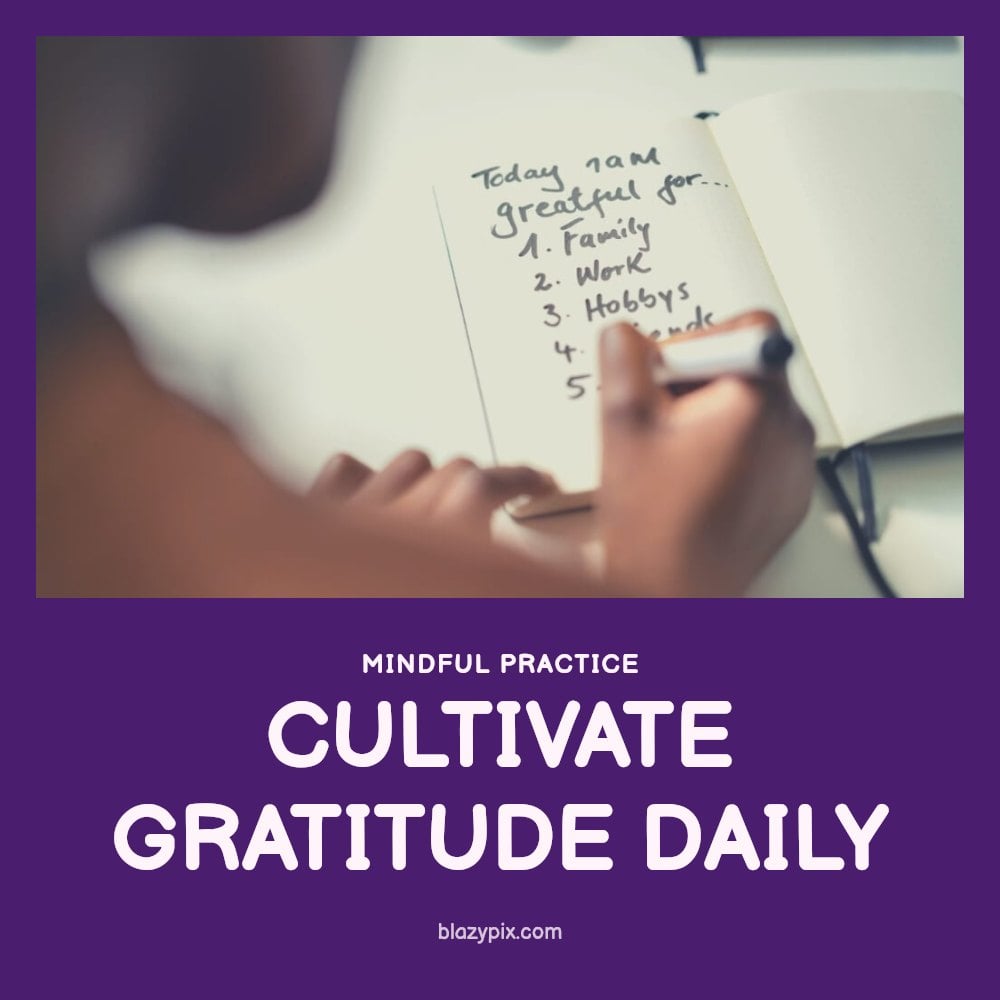
11. Practice Gratitude
Take a moment each day to reflect on things you’re grateful for. This simple practice can shift your perspective from what’s lacking to what’s already going well in your life.
Regular gratitude can boost your mood and make stressful days feel more manageable. You don’t need a special occasion to appreciate the small wins.
Tip: Keep a gratitude journal or simply list three things in your head before bed. Consistency matters more than the length of your list.
12. Engage in a Hobby
Dedicate at least 30 minutes a few times a week to a hobby or creative activity. Engaging in activities you love can boost mental well-being and provide a sense of accomplishment. Good to know: Revisit an old passion or try something completely new that sparks your interest. The key is choosing something that feels like play, not another task.
13. Declutter Your Space
Address tasks that contribute to a sense of security and order, such as organizing your living space. A tidy environment can lead to a clearer mind and reduce stress. Pro move: Start with one small area, like a drawer or a counter, to avoid feeling overwhelmed. Completing that single spot gives you momentum to keep going.
14. Disconnect from Screens
Schedule regular breaks from technology, especially before bedtime. Excessive screen time can negatively impact mental well-being and sleep. Quick tip: Designate ‘no-screen zones’ or ‘no-screen times’ in your day, such as keeping the bedroom screen-free or turning off devices an hour before sleep.
15. Practice Self-Compassion
Treat yourself with the same kindness and understanding you would offer a friend. Emotional self-care involves acknowledging and processing feelings without judgment. Tip: When you make a mistake, acknowledge it, learn from it, and move on without harsh self-criticism. This builds resilience over time.
16. Plan for Relaxation
Intentionally schedule time for relaxation and rest, even if it’s just 15-20 minutes. Treat these slots as non-negotiable appointments in your calendar, just like meetings or errands. This could be a warm bath, listening to music, or simply sitting in silence.
Good to know: Block out a specific time each day, and let your household know you’re unavailable during that window. Consistency makes it easier to actually follow through.
17. Review Your Finances
Engage in practical self-care by taking a few minutes to check your budget or financial goals. A sense of financial order can significantly reduce stress and contribute to overall well-being, even if you’re just reviewing your spending for the week.
Pro move: Even a quick check-in once a week can help you feel more in control. Set a recurring reminder on your phone so it becomes a habit.
18. Engage Your Spirituality
Explore practices that provide a sense of purpose or connection, such as meditation, prayer, or spending time in nature. Spiritual self-care is deeply personal and can look different for everyone, so there’s no right way to do it.
Quick tip: Reflect on what gives your life meaning, and intentionally incorporate more of that into your week. It might be volunteering, journaling, or simply sitting quietly with your thoughts.
19. Learn to Delegate
Recognize when you’re overwhelmed and delegate tasks where possible, both personally and professionally. This practical self-care strategy prevents burnout and frees up mental space for what truly matters to you.
Tip: Don’t be afraid to ask for help or share responsibilities when you need to. Start with one small task you can hand off this week, and notice how much lighter you feel.
20. Reflect and Adjust
Regularly reflect on what truly recharges you and adjust your self-care practices accordingly. A self-care lifestyle is dynamic, evolving with your needs and circumstances. What worked during a busy work season may not fit a vacation week or a period of illness.
Good to know: Check in with yourself weekly or monthly to see what’s working and what needs tweaking. Ask: “Does this habit still energize me?” or “What do I need more of right now?” Treat this reflection as a gentle recalibration, not a judgment. This keeps your routine sustainable and genuinely supportive over time.
Common Self-Care Mistakes to Avoid
Believing self-care is selfish: Remember, you can’t pour from an empty cup. Self-care is a necessity, not a luxury. It allows you to show up better for others and yourself.
Confusing self-care with instant gratification: True self-care nourishes long-term well-being, not just momentary pleasure. Avoid using it to escape responsibilities. A shopping spree might feel good in the moment, but it won’t replace a good night’s sleep.
Trying to do too much too soon: Start small with one or two new habits and gradually add more to avoid feeling overwhelmed. Consistency matters more than intensity.
Ignoring different dimensions: Self-care encompasses physical, emotional, mental, social, spiritual, and practical aspects. Don’t neglect any area. A balanced routine covers multiple areas.
Waiting until burnout to start: Proactive self-care is about prevention, not just crisis management. Integrate it consistently, even when you feel fine.
Comparing your journey to others: What works for someone else might not work for you. Find what genuinely recharges you. Your self-care routine should be personal and sustainable.
Frequently Asked Questions
How long does it take to see results from a self-care lifestyle?
Results are cumulative and vary by person. You may notice small improvements in mood or energy within days or weeks, especially with habits like better sleep or daily movement. More significant changes, such as reduced stress and improved overall well-being, typically develop over months of consistent practice.
Is self-care just about pampering?
No, pampering is just one small part. True self-care includes practical actions like setting boundaries, managing finances, and getting enough sleep. It’s about long-term nourishment, not just momentary pleasure. Avoid confusing self-care with instant gratification, which can leave you feeling worse later.
What if I don’t have much time for self-care?
Self-care doesn’t require hours. Even 5-10 minutes of deep breathing, a short walk, or journaling can make a difference. The key is to start small with one or two habits you can realistically fit into your day, then gradually add more as they become routine.
How do I know what self-care practices are right for me?
Reflect on what truly recharges you. Try a few different activities from the list and notice how they make you feel. What works during a busy season may not fit a vacation week, so regularly check in with yourself and adjust. Don’t compare your routine to someone else’s.
What are some simple self-care habits for beginners?
Start with drinking a glass of water first thing in the morning, taking three deep breaths when you feel stressed, or spending 10 minutes outdoors. These small actions require minimal time and no special equipment, making them easy to integrate into even the busiest days.
Final Thoughts
Start with just one or two of these habits and build from there. Consistency matters far more than intensity, so choose practices that feel manageable and genuinely support you. Expect small improvements in your mood and energy within days or weeks, with more significant positive changes developing over months of steady practice. A self-care lifestyle is a dynamic, ongoing commitment to yourself, not a one-time fix.
This article provides general information about self-care practices and is not a substitute for professional medical or mental health advice. If you are experiencing persistent stress, anxiety, depression, or other health concerns, please consult a qualified healthcare provider or mental health professional.