Teeth Whitening at Home: Gentle Ways to Brighten Your Smile
Discover safe and effective at-home teeth whitening methods to brighten your smile, understand common mistakes, and know when to consult a dentist.

You don’t need a dentist’s chair to brighten your smile. At-home whitening can genuinely lift surface stains from coffee, tea, and wine, especially when you pick the right method and stick to the instructions. But not all stains are created equal, and not every product is safe for every smile.
This article walks you through the gentle, effective options, what to expect, and how to avoid the common pitfalls that lead to sensitivity or damage.
Key Takeaways
- Whitening toothpaste and strips remove surface stains but won’t change intrinsic tooth color.
- Hydrogen peroxide works faster; carbamide peroxide is gentler on teeth.
- Always consult your dentist before whitening if you have crowns, veneers, or sensitive teeth.
- Results typically appear within a few days to a few weeks of consistent use.
- Maintain your smile by limiting coffee, tea, and red wine, and brushing twice daily.
Can You Really Whiten Your Teeth at Home?
Yes, you can effectively whiten your teeth at home, especially if the discoloration comes from surface stains caused by coffee, tea, red wine, or tobacco. These stains respond well to whitening toothpastes, strips, and gels. However, deeper intrinsic stains from genetics, aging, or medication may not budge with at-home methods, and your dentist may recommend professional treatment. Before you start any whitening regimen, always consult your dentist to make sure it’s safe for your teeth and gums.
Your At-Home Teeth Whitening Arsenal
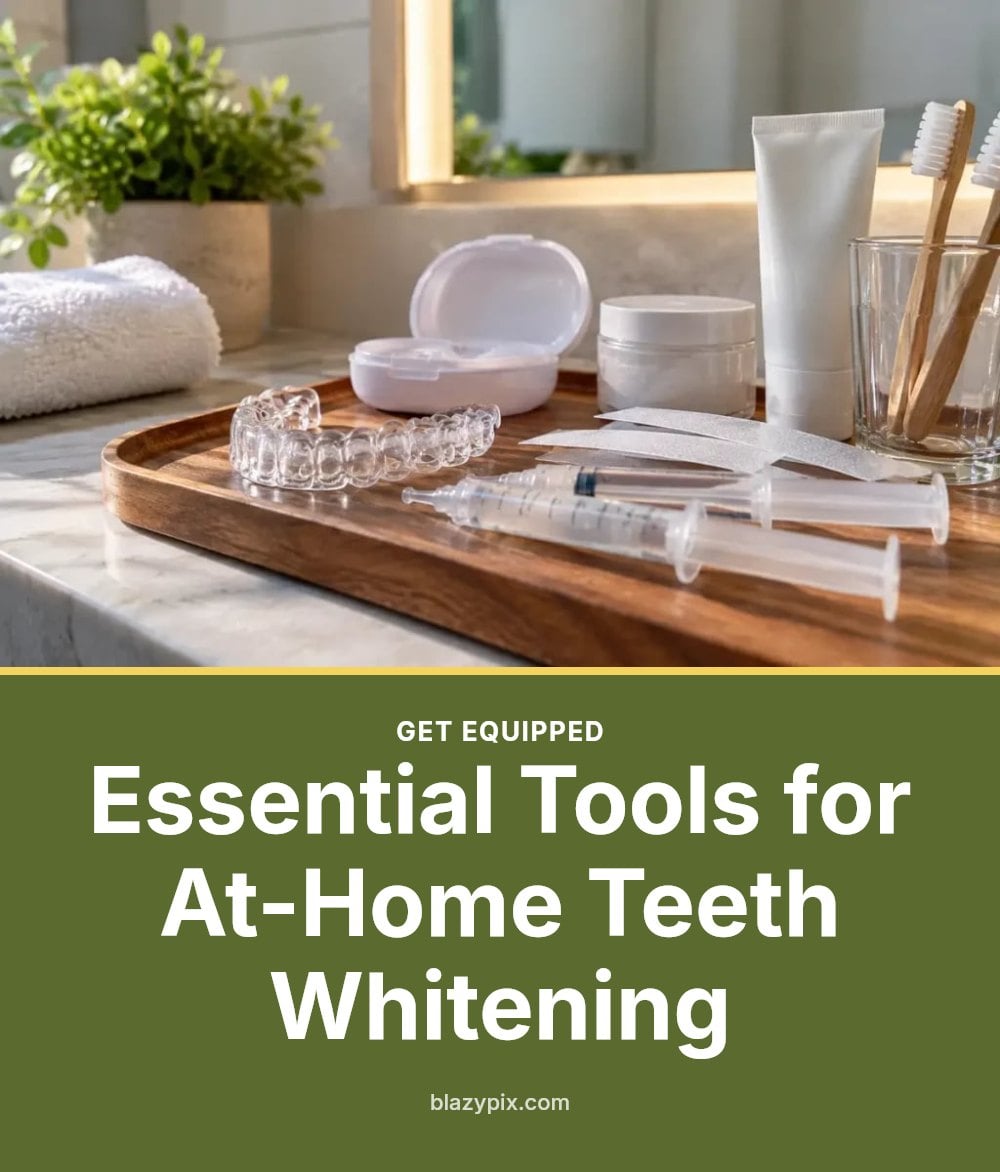
To tackle surface stains and keep your smile bright, you’ll want a few essentials in your cabinet. Here’s what I keep on hand:
- Whitening toothpaste: Removes surface stains with mild abrasives or chemical agents. Use it daily as part of your routine.
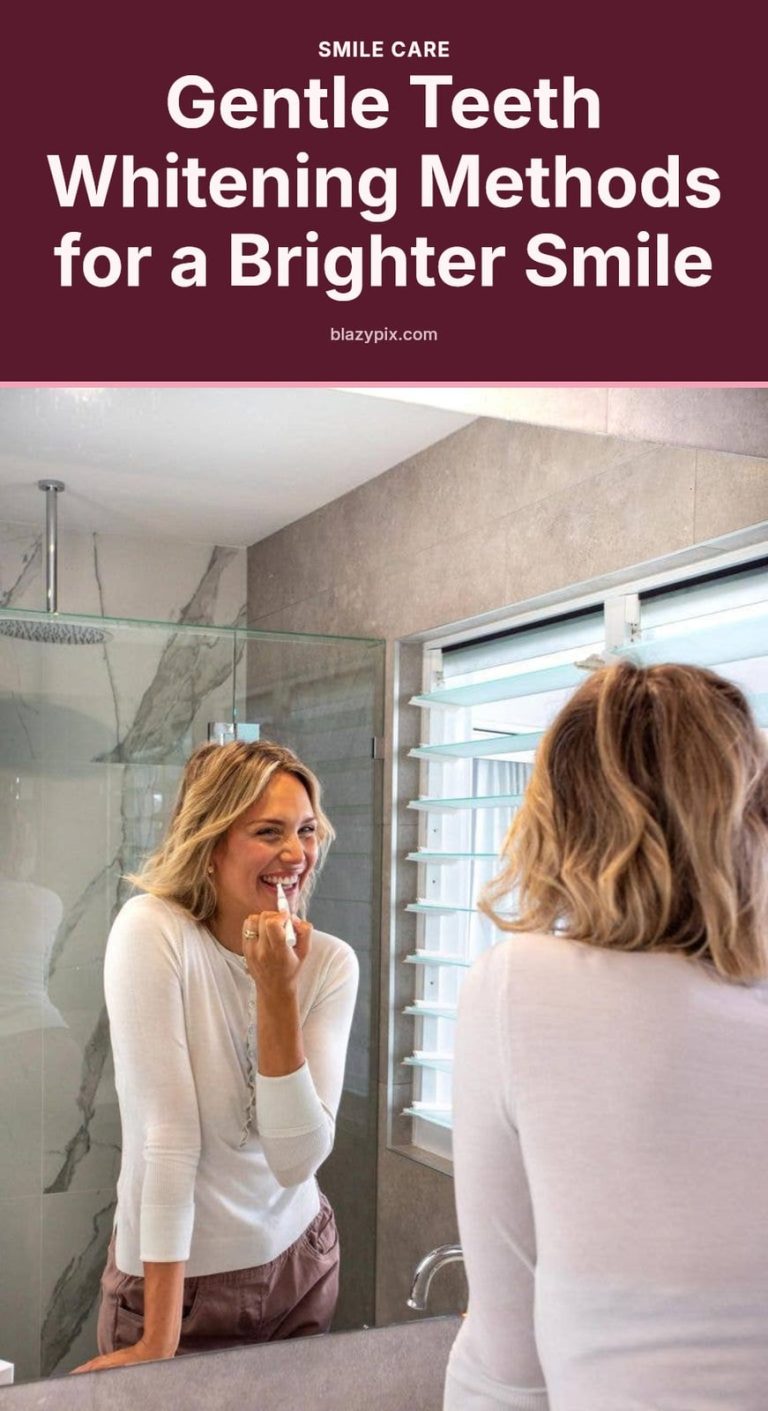
- Whitening strips: Thin, flexible plastic coated with a peroxide-based gel that adheres to your teeth. Easy to use and great for touch-ups.
- Whitening gel with trays: A more intensive option. You apply the peroxide gel into a mouthguard-like tray and wear it for a set time.
- Soft-bristled toothbrush and dental floss: Essential for overall oral hygiene, which helps prevent new stains from forming.
Choosing Your At-Home Whitening Method

With so many options, it helps to know how each method works so you can pick what fits your needs.
Whitening Toothpaste
Whitening toothpastes rely on mild abrasives or chemical agents to scrub away surface stains. They don’t change the intrinsic color of your teeth, so they work best for light discoloration from food and drink.
Tip: Look for a toothpaste with the ADA Seal of Acceptance and brush for the full two minutes to give it time to work.
Whitening Strips
Strips are thin, flexible pieces of plastic coated with a peroxide-based gel. You press them onto your teeth and leave them on for the time stated on the package. The peroxide penetrates the enamel to break up stains.
Tip: Make sure the strips are smooth and fully adhered. Wrinkles or air bubbles can lead to uneven whitening.
Whitening Gel Trays
Gel trays involve filling a mouthguard-like tray with peroxide gel and wearing it over your teeth for a specified period. This method covers all teeth evenly and is often more intensive than strips.
Tip: Follow the recommended wear time exactly. Leaving the gel on longer won’t speed up results and can increase sensitivity. If you want to try more frequent applications, consult your dentist first rather than extending wear time.
A Word on Natural Remedies
You might see claims about activated charcoal or baking soda for whitening. These are abrasive and can wear down enamel over time, which actually makes teeth look yellower and more sensitive. The American Dental Association does not recommend them for whitening.
Caution: Skip DIY pastes with lemon juice or other acids. They can erode enamel and cause permanent damage.
What to Expect: Timeline and Maintenance
Most at-home whitening methods start showing visible results within a few days to a couple of weeks of consistent use. Full results often appear after two to four weeks. Maintenance is key, too. Depending on your diet and habits, you may need touch-ups every few months to a year.
Professional whitening at a dental office delivers faster, more dramatic results, but it comes with a higher price tag. At-home options are more budget-friendly, with products ranging from affordable toothpastes to mid-priced strips and gels. Choose what fits your budget and your timeline, and be patient.
Common At-Home Whitening Mistakes to Avoid
Even with the best intentions, it’s easy to make mistakes that can set you back. Here’s what to watch out for.
- Overusing products: Sticking to the recommended application time and frequency is non-negotiable. Using a whitening gel for longer or more often than instructed can lead to tooth sensitivity and even enamel damage. More is not faster.
- Ignoring existing dental work: Crowns, veneers, and fillings will not change color with any whitening product. Whitening your teeth while ignoring this fact will leave you with a patchy, uneven smile. If you have dental restorations, consult your dentist before starting.
- Skipping the dentist: A dental check-up before you start is essential. If you have untreated cavities, gum disease, or other issues, whitening can worsen the problem and cause significant pain.
- Relying on unproven remedies: Avoid abrasive ‘natural’ methods like baking soda, activated charcoal, or lemon juice. They can wear down your enamel over time, leading to more harm than good.
- Expecting permanent results: Whitening is not a one-and-done fix. Without maintenance and lifestyle changes, your teeth will gradually darken again as new stains accumulate.
Maintaining Your Bright Smile After Whitening
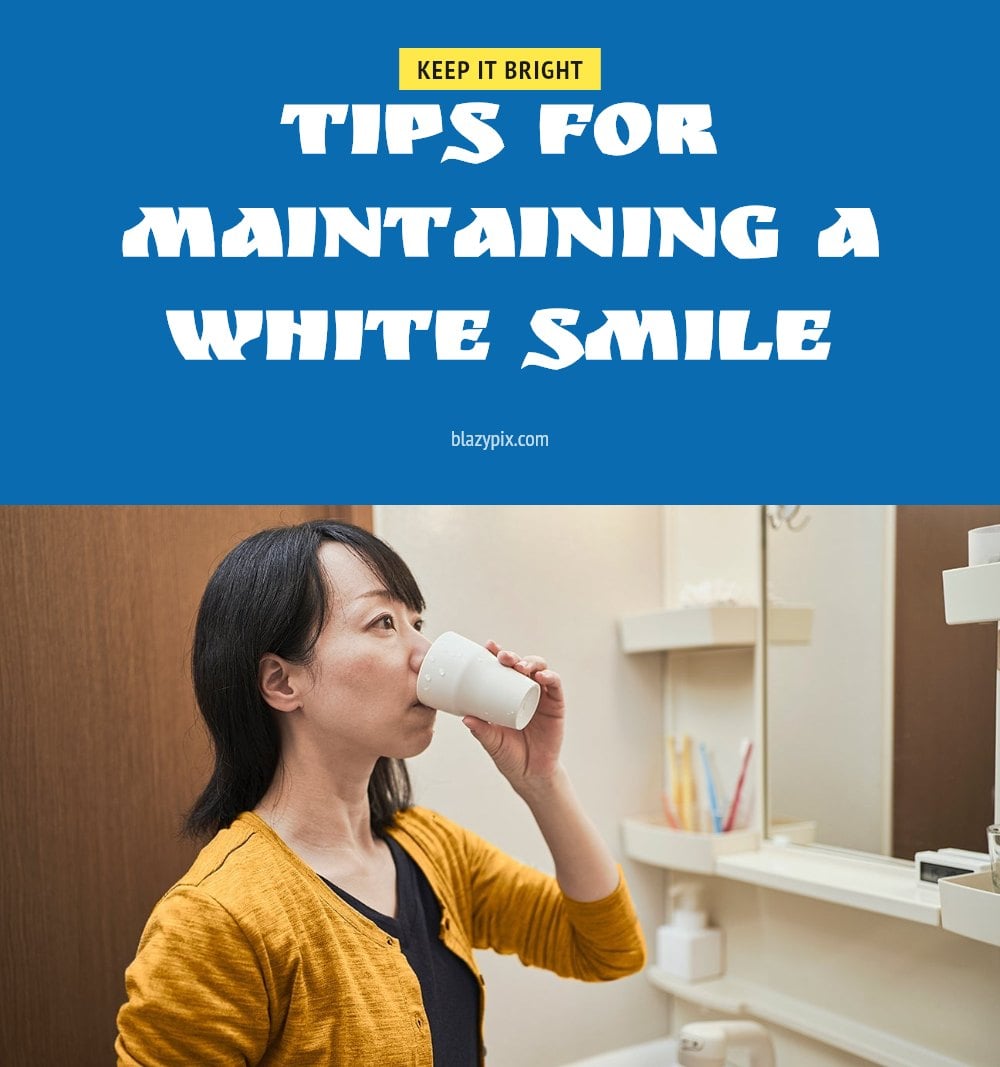
Once you’ve achieved a brighter smile, keeping it that way comes down to a few daily habits.
- Limit stain-causing foods and drinks: Coffee, tea, red wine, and dark berries are the main culprits. Cutting back on these will significantly slow the return of surface stains.
- Rinse after consumption: If you do indulge, rinse your mouth with water immediately afterward. This simple step washes away the pigments before they can settle on your teeth.
- Practice excellent oral hygiene: Brush twice daily and floss regularly. This removes plaque and food particles that can attract stains and dull your smile.
- Regular dental check-ups: Professional cleanings every six months are your best defense. Your hygienist can remove surface stains that your toothbrush misses and keep your enamel healthy.
When to Consult Your Dentist About Whitening
Knowing when to stop at-home treatment and see a professional is just as important as knowing how to start.
- Before you begin: Always consult your dentist before starting any whitening regimen, especially if you have sensitive teeth, crowns, veneers, or fillings. They can confirm it’s safe for you.
- If you experience persistent sensitivity: See a dentist if tooth sensitivity, gum irritation, or pain does not subside after you stop treatment. This could signal a deeper issue.
- For stubborn or intrinsic stains: If at-home methods are not working after several weeks, professional intervention may be needed for stains caused by genetics, medication, or trauma.
- With existing dental problems: Discontinue use immediately and seek professional advice if you have untreated cavities, gum disease, or severe pain. Whitening can aggravate these conditions.
Frequently Asked Questions
How long does at-home teeth whitening last?
Results are not permanent. With typical eating and drinking habits, you may need touch-ups every few months to a year. Avoiding stain-causing foods like coffee, tea, and red wine, plus brushing twice daily and flossing, can help your brighter smile last longer.
Can teeth whitening damage my enamel?
When used as directed, most commercial whitening products are safe for enamel. The bigger risk is overuse or using highly abrasive homemade remedies like baking soda or activated charcoal, which can wear down enamel over time. If you have concerns, ask your dentist before starting.
Are natural teeth whitening remedies effective?
Many natural options, such as baking soda or activated charcoal, are touted for whitening, but they lack strong scientific evidence. Their abrasive nature can actually damage enamel with prolonged use. For safe, predictable results, stick to ADA-approved peroxide-based products.
How do teeth whitening strips work?
Whitening strips are thin, flexible plastic coated with a peroxide-based gel that adheres to your teeth. The peroxide breaks down stains on the enamel surface, gradually lightening their color. For best results, follow the package instructions for wear time and frequency.
Final Thoughts
For most people, a consistent at-home routine with whitening toothpaste and strips is a safe, effective way to lift surface stains. My tip: start with a low-concentration peroxide product and use it exactly as directed, then judge how your teeth respond before increasing frequency.
Expect noticeable brightness within a couple of weeks, with full results in two to four weeks, and plan on touch-ups every few months to a year depending on your habits. If sensitivity or irritation persists, that’s your cue to stop and check in with your dentist.
This article is for general information only and is not a substitute for professional dental or medical advice. Always consult your dentist before starting any whitening treatment, especially if you have dental work, sensitive teeth, or underlying oral health conditions. If you experience persistent pain, irritation, or other concerns, stop use and see a professional.