20-Minute Dumbbell Workout to Build Strength at Home
Discover an effective 20-minute dumbbell workout to build strength and muscle at home. Learn proper form, essential exercises, and a weekly plan.

You don’t need a gym full of machines to build strength at home. A pair of dumbbells can give you a complete, effective workout that targets multiple muscle groups in just 20 minutes. In this article, you’ll find a simple dumbbell routine you can do in your living room, along with tips on form, frequency, and how to keep making progress.
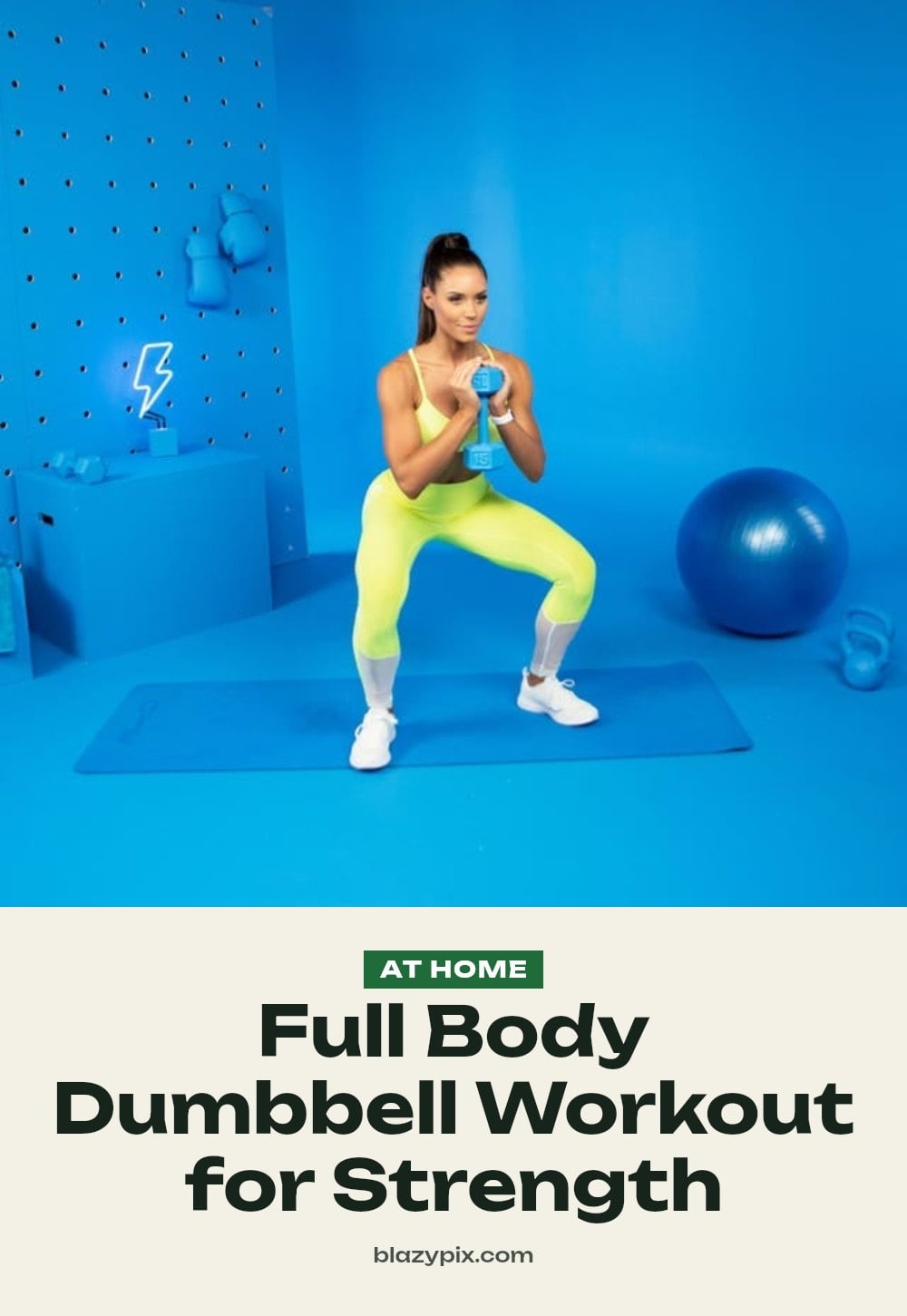
Key Takeaways
- Aim for 2-3 strength sessions per week with at least 48 hours of rest between muscle groups.
- Choose a weight that challenges you but lets you keep good form for all reps.
- Use compound moves like squats, rows, and presses to get more done in less time.
- Warm up for 5-10 minutes and cool down with static stretches to prevent injury.
- Expect visible results in 4-8 weeks if you stay consistent and eat well.
Why Dumbbells Are Your Best Home Workout Partner
Dumbbells are free weights, which means they aren’t fixed to a machine like a cable or Smith machine. That freedom forces your stabilizer muscles to work harder to control the path of each lift, giving you more muscle activation per rep. You can use them for compound exercises like squats and rows, which hit multiple muscle groups at once, or for isolation moves like bicep curls that target a single area. Because compound movements are so efficient, a focused 20-minute dumbbell workout can be just as effective as a longer session on machines.
1. Warm-Up: Arm Circles and Torso Twists
Start with 5-10 minutes that combine light cardio, like jogging in place or jumping jacks, with dynamic stretches to prepare your body. Stand with your feet shoulder-width apart, extend your arms straight out, and make small circles forward for 10-15 reps, then reverse. Next, place your hands on your hips and rotate your torso to each side for 10-15 reps, keeping your hips stable.
- Sets and reps: 10-15 per direction for each move
- Form cue: Keep your hips stable during torso twists; rotate from your upper spine
- Make it easier or harder: Widen your stance for stability or increase the range of motion for a deeper stretch
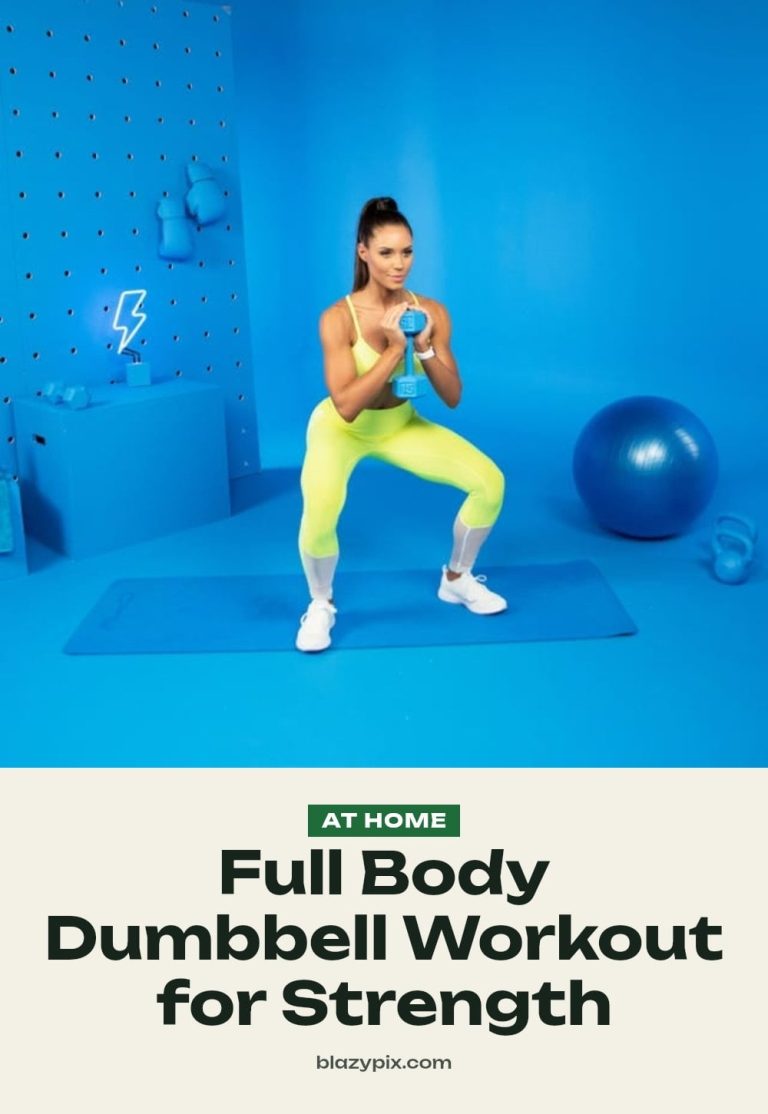
2. Goblet Squats
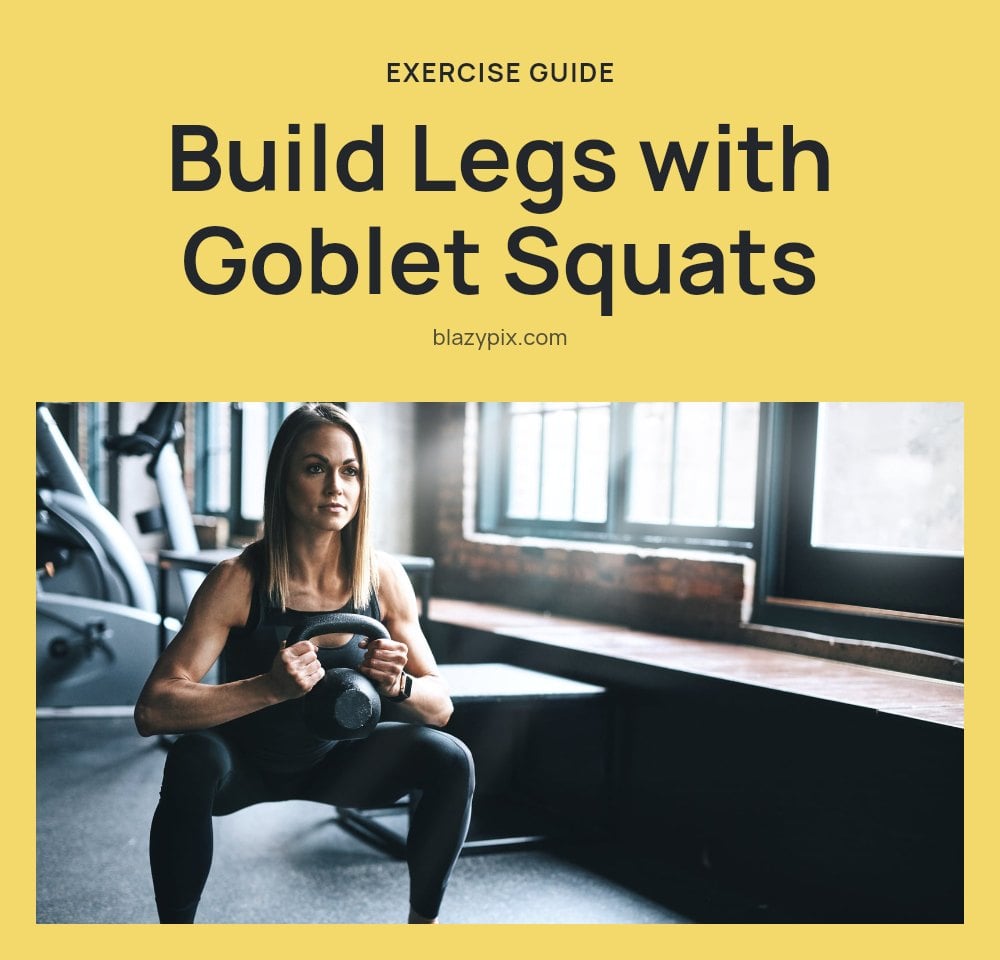
Goblet squats target your quads, glutes, and core. Hold one dumbbell vertically by one end, pressing it against your chest with both hands. Keep your elbows tucked in toward your body. Squat down by pushing your hips back and bending your knees, as if you are sitting into a chair. Keep your chest lifted and your core braced throughout the movement. Drive through your heels to return to standing.
- Sets and reps: 3 sets of 10-12 repetitions
- Form cue: Keep your elbows between your knees at the bottom of the squat; if your elbows touch your knees, your chest is too far forward
- Make it easier or harder: Use a lighter dumbbell to practice form, or slow down the tempo for a greater challenge
3. Dumbbell Rows
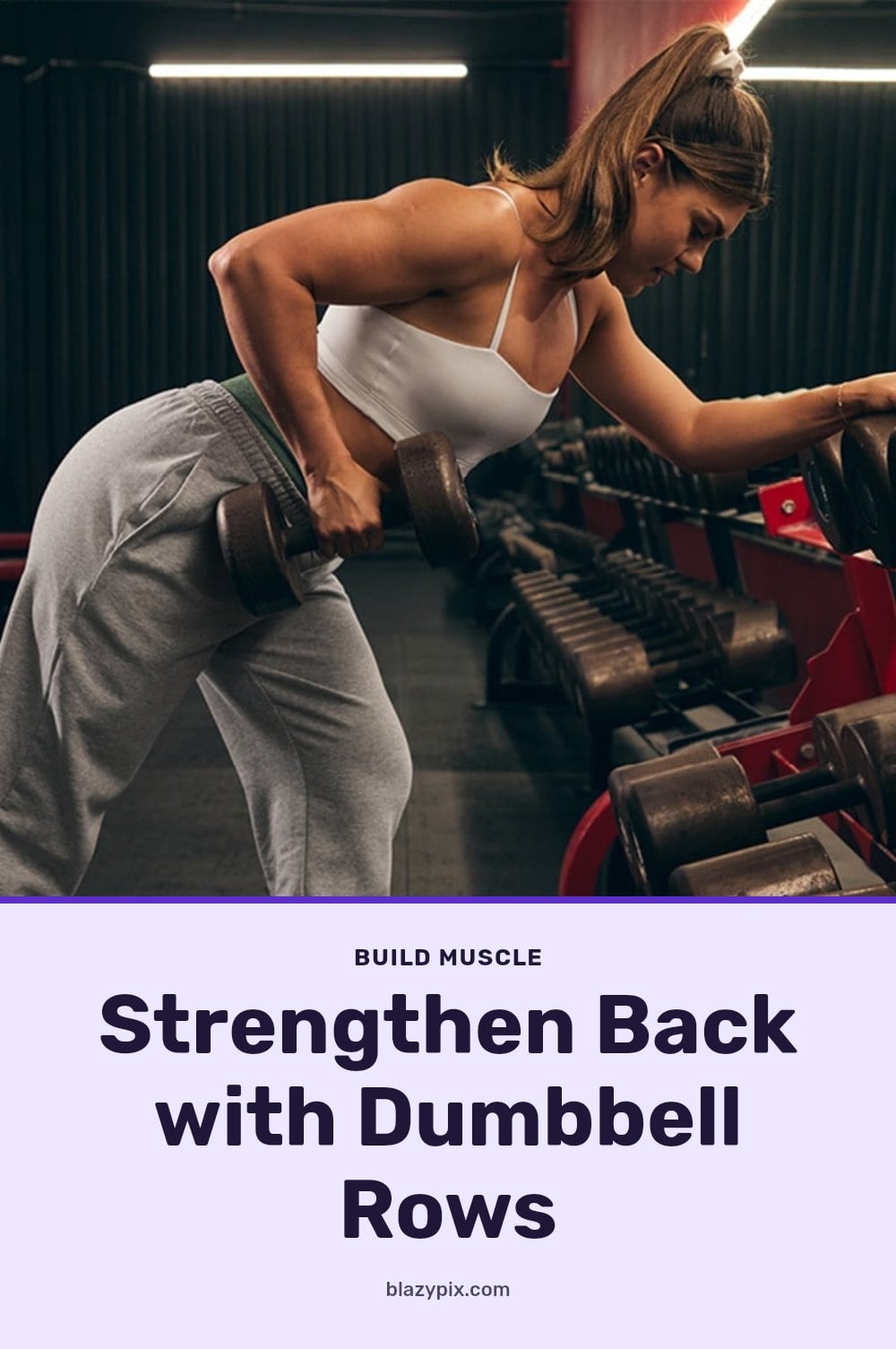
Dumbbell rows work your back, biceps, and rear shoulders. Hinge at your hips by pushing your hips back and keeping your back straight. Let the dumbbells hang at arm’s length below your shoulders. Pull the dumbbells toward your hips, driving your elbows back and squeezing your shoulder blades together at the top. Lower the weights with control. If you feel your lower back rounding, reduce the range of motion or use a lighter weight.
- Sets and reps: 3 sets of 8-10 repetitions per arm
- Form cue: Pull the dumbbell toward your hip, not your shoulder, to target the lats more effectively
- Make it easier or harder: Perform the row with both arms at once to reduce core demand, or use a heavier dumbbell for increased resistance
4. Alternating Lunges
Hold a dumbbell in each hand at your sides. Step forward with one leg, lowering your hips until both knees form a 90-degree angle. Your front knee should be directly above your ankle, and your back knee should hover just above the floor. Push through your front heel to return to the starting position, then repeat on the other leg.
- Sets and reps: 3 sets of 10-12 repetitions per leg.
- Form cue: Keep your torso upright and core engaged throughout the movement.
- Make it easier or harder: Use lighter dumbbells to focus on balance, or increase weight for more challenge.
5. Dumbbell Overhead Press
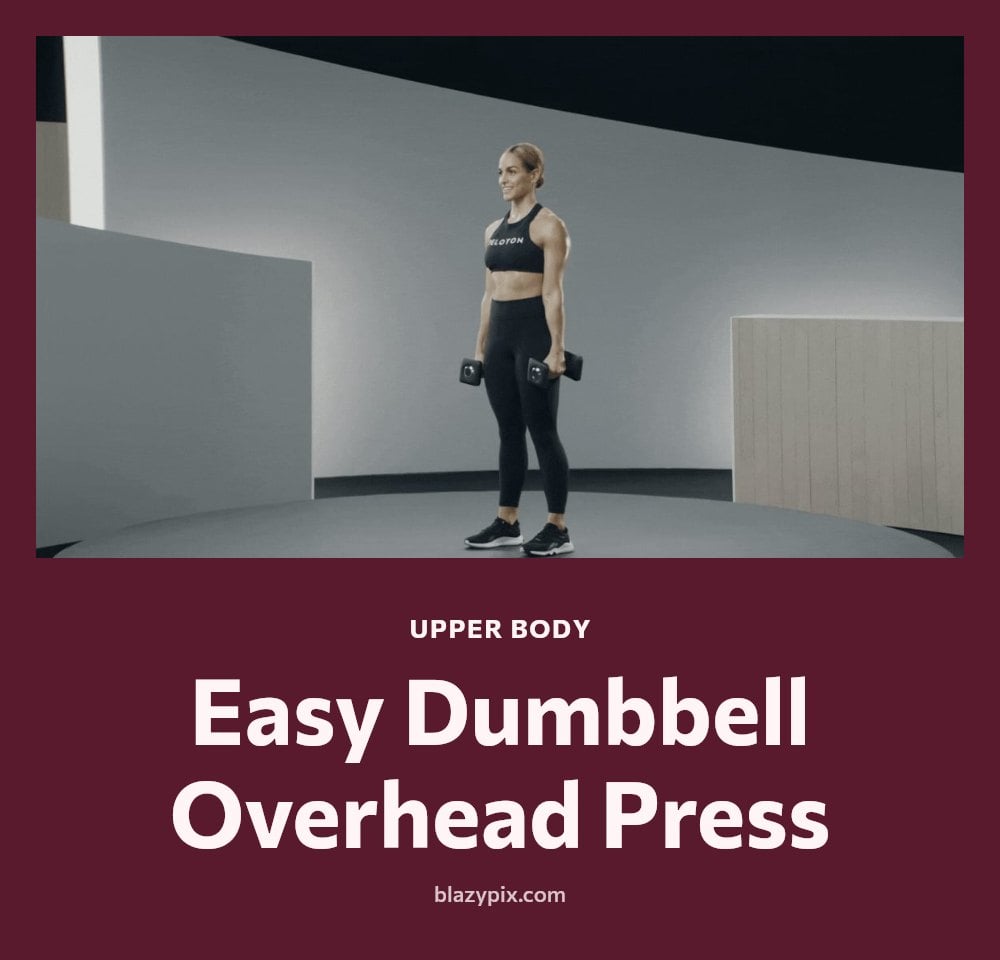
Stand with your feet shoulder-width apart, holding a dumbbell in each hand at shoulder height with palms facing forward. Press the dumbbells directly overhead until your arms are fully extended, then lower them slowly back to shoulder height. Control the movement on both the press and the return.
- Sets and reps: 3 sets of 8-10 repetitions.
- Form cue: Keep your core tight and avoid arching your lower back as you press.
- Make it easier or harder: Use lighter dumbbells to master the form, or increase weight once you can press smoothly.
6. Dumbbell Chest Press (on floor)
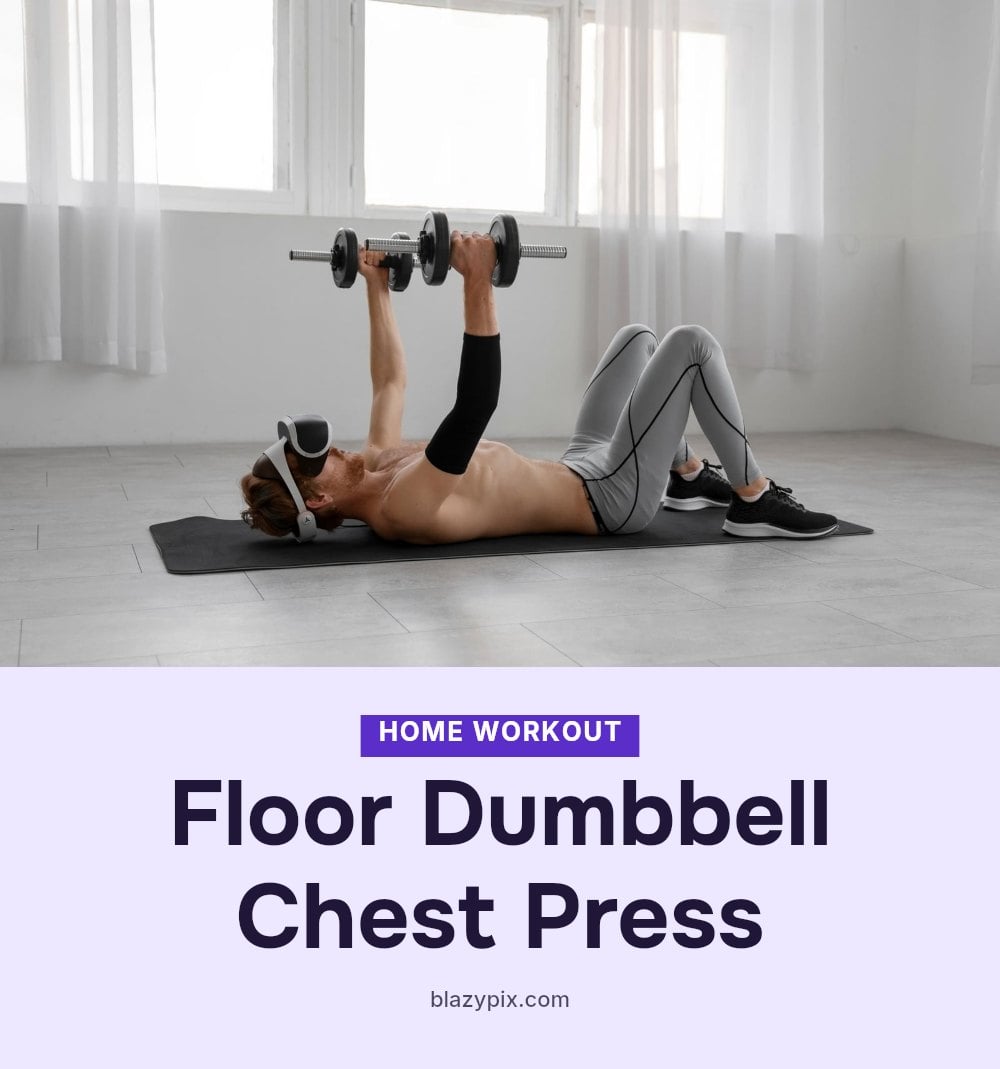
Lie on your back with your knees bent and feet flat on the floor. Hold a dumbbell in each hand above your chest, palms facing each other. Lower the dumbbells slowly to the sides of your chest, then press them back up to the starting position. Keep your elbows at a 45-degree angle from your torso.
- Sets and reps: 3 sets of 10-12 repetitions.
- Form cue: Lower the weights under control, then press them back up with a controlled, smooth motion. Avoid using momentum.
- Make it easier or harder: Use lighter dumbbells for a beginner-friendly start, or increase weight for more resistance.
7. Cool-Down: Static Stretches
Finish your workout with 5-10 minutes of static stretches. Hold each stretch for 20-30 seconds, focusing on the major muscle groups you worked. Include stretches for your chest, back, shoulders, quads, and hamstrings to improve flexibility and reduce muscle soreness.
- Time: 5-10 minutes total, holding each stretch for 20-30 seconds.
- Form cue: Breathe deeply and relax into each stretch, avoiding bouncing.
- Make it easier or harder: Use a towel or strap to deepen stretches as needed, or hold for shorter durations if new to stretching.
Essential Gear for Your Dumbbell Workout
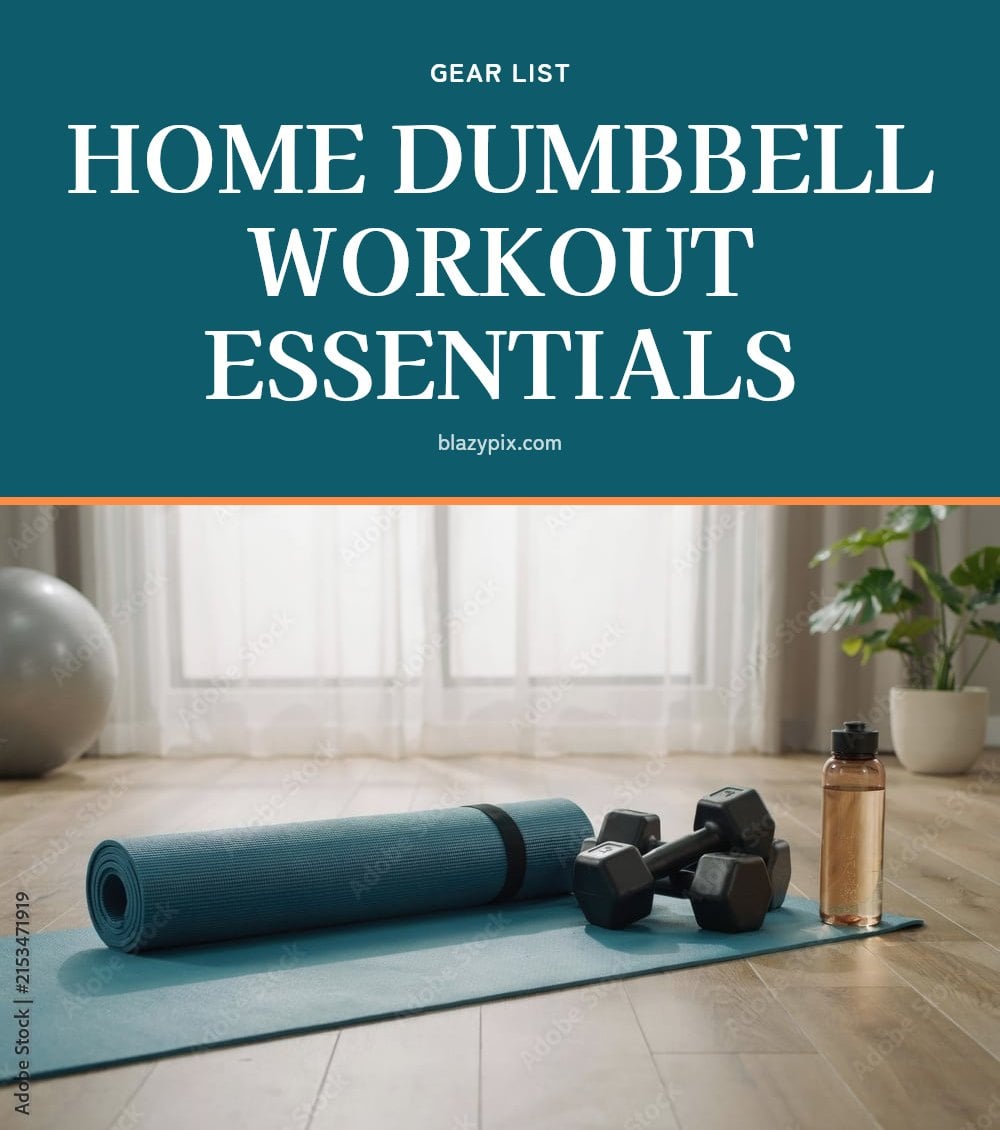
For a dumbbell workout at home, you need a few basics. Start with dumbbells in a range of weights. This variety lets you apply progressive overload, gradually increasing the weight as you get stronger, which is key for building muscle.
- Dumbbells: Choose a set that challenges you for 8-12 reps while keeping good form.
- Workout mat: Provides cushioning for floor exercises like chest press and stretches.
- Athletic shoes: Supportive footwear gives you stability during standing moves and protects your feet.
Your Weekly Dumbbell Workout Schedule
Aim for 2-3 strength training sessions per week, with at least 48 hours of rest for each muscle group between workouts. This rest is when your muscles repair and grow, so don’t skip it. Consistency matters more than perfection, and with a steady routine you may start to see changes in 4-8 weeks.
| Day | Workout | Notes |
|---|---|---|
| Monday | Full-body dumbbell routine | Include squats, rows, press, lunges |
| Tuesday | Rest or light activity | Walking, stretching |
| Wednesday | Full-body dumbbell routine | Same exercises, aim to match or beat reps |
| Thursday | Rest or light activity | Allow muscles to recover |
| Friday | Full-body dumbbell routine | Focus on controlled form |
| Weekend | Rest | Two days off to recover |
Listen to your body. If you feel very sore, take an extra rest day. The key is to keep showing up.
Frequently Asked Questions
How often should I do dumbbell workouts?
For most people, 2-3 sessions per week is ideal, with at least 48 hours of rest for each muscle group between workouts. This rest period is when your muscles repair and grow, so don’t skip it. If you’re new, start with two sessions and add a third as you get comfortable.
What if I don’t have different weight dumbbells?
If you only have one weight, you can still get a good workout. For exercises that feel too heavy, slow down the movement or reduce the range of motion. For moves that feel too light, increase the number of reps or add a pause at the top. Over time, you may want to invest in adjustable dumbbells to keep progressing.
Can I build muscle with just 20 minutes of dumbbells?
Yes, a 20-minute workout can be effective if it focuses on compound movements and proper intensity. Compound exercises like squats, rows, and presses work multiple muscle groups at once, so you get more done in less time. Just be sure to challenge yourself with the right weight and maintain good form.
How long until I see results from dumbbell workouts?
With consistent training 2-3 times per week, you may notice strength improvements within a few weeks. Visible changes in muscle tone typically begin to show within 4-8 weeks, depending on your starting point, nutrition, and rest. Patience and consistency are key.
Is a full-body dumbbell workout effective?
Yes, a full-body dumbbell workout is very effective, especially for general fitness and strength. It lets you hit all major muscle groups in one session, which is efficient for busy schedules. Compound moves like squats, rows, and presses give you the most bang for your buck, and you can add isolation exercises as needed.
Final Thoughts
For a practical start, pick a weight that lets you complete each set with good form, and follow the schedule of 2-3 sessions per week. Focus on compound exercises like goblet squats and dumbbell rows to maximize your 20 minutes. You’ll likely notice strength gains within a few weeks, and visible changes may appear in 4-8 weeks with proper nutrition and rest.
Stay consistent, listen to your body, and gradually increase the challenge over time. That’s the real secret to building strength at home.
This article provides general fitness information and is not a substitute for professional medical advice. Before starting any new exercise program, especially if you have pre-existing health conditions or injuries, consult a healthcare professional. Stop any exercise that causes sharp pain, dizziness, or nausea, and seek medical help if problems persist.