How to Get Rid of Forehead Wrinkles Without Botox
Discover effective at-home strategies and skincare routines to visibly reduce forehead wrinkles without injections. Learn what works and what to avoid.

Forehead wrinkles can feel like a stubborn sign of aging, but you don’t have to resort to Botox to see a difference. While completely erasing them is challenging, a consistent routine of targeted skincare, smart lifestyle habits, and a few specific techniques can soften existing lines and prevent new ones from forming. This article covers the most effective at-home methods, lifestyle changes, and what to realistically expect from your efforts.
Key Takeaways
- Use broad-spectrum SPF 30+ sunscreen daily, even indoors near windows.
- Incorporate retinoids gradually to boost collagen and cell turnover.
- Expect visible improvements after 3 months to a year of consistent care.
- Stay hydrated and eat a diet rich in antioxidants and healthy fats.
- Consult a dermatologist if wrinkles persist or worsen despite home care.
Can You Really Get Rid of Forehead Wrinkles Without Botox?
The short answer is yes, you can make a real difference, but completely erasing forehead wrinkles without Botox is tough. A consistent routine of targeted skincare, smart lifestyle habits, and a few specific techniques can soften existing lines and prevent new ones from forming. The key is patience and consistency. Non-invasive methods take time, often months, before you see noticeable results. Stick with it, and your skin will reward you.
Why Forehead Wrinkles Appear and Deepen

Why Forehead Wrinkles Appear and Deepen
Forehead wrinkles start as dynamic lines caused by repeated facial expressions like frowning or raising your eyebrows. Every time you make that face, the muscles contract and crease the skin. Over time, those temporary lines can become static wrinkles, meaning they stay visible even when your face is completely relaxed.
Natural aging plays a big role too. As you get older, your skin produces less collagen and elastin, which are the proteins that keep it firm and springy. This loss of elasticity makes it easier for wrinkles to form and harder for them to bounce back. Sun exposure is a major accelerator, UV radiation breaks down collagen and speeds up aging. Dehydration also makes existing lines look deeper. When your skin is dry, those fine lines become more pronounced.
Effective At-Home Methods to Reduce Forehead Lines

You don‘t need a prescription to start tackling forehead lines at home. The right ingredients, used consistently, can make a real difference over time.
Topical Retinoids (Retinol)
Retinoids are vitamin A derivatives that stimulate collagen production and speed up cell turnover. Start with a low-concentration retinol product and use it every other night to let your skin adjust. Caution: Retinoids can cause redness and dryness at first, and they increase sun sensitivity, so strict sun protection is non-negotiable.
Vitamin C and Antioxidants
Vitamin C is a powerful antioxidant that protects your skin from free radical damage caused by UV exposure and pollution. Apply a Vitamin C serum in the morning after your moisturizer and before your sunscreen, so the antioxidant sits closest to your skin while the sunscreen forms a protective barrier on top.
Hyaluronic Acid
This humectant draws moisture into the skin, plumping it up and temporarily reducing the visibility of fine lines. Use a hyaluronic acid serum on skin that is damp from cleansing or a hydrating mist, not just from drinking water. The extra surface moisture helps the ingredient pull water into the skin more effectively.
Peptides
Peptides are short chains of amino acids that signal your skin to produce more collagen. Look for peptide-containing creams or serums to support your skin’s structure over the long term.
My tip: Consistency is crucial. Don‘t expect miracles overnight. Stick with your routine for at least three months before judging results.
Lifestyle Habits to Prevent and Soften Forehead Wrinkles
What you do outside your skincare routine matters just as much as the products you use. These daily habits can prevent new wrinkles and help soften existing ones.
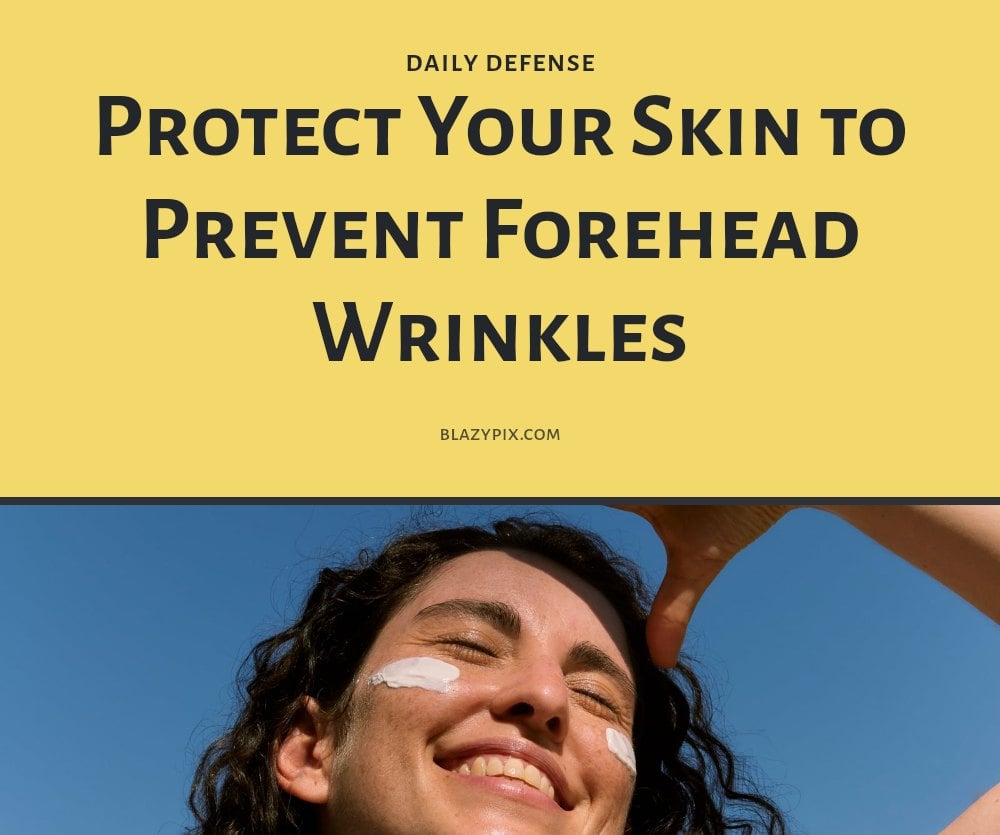
- Apply sunscreen daily. Use a broad-spectrum SPF 30 or higher every morning, even if you’re staying indoors or it’s cloudy. UV rays penetrate windows and accelerate aging.
- Prioritize sleep. Aim for 7-9 hours of quality sleep each night. Your skin repairs and regenerates while you rest.
- Hydrate from within. Drink plenty of water throughout the day to keep your skin plump and less prone to showing lines.
- Eat a skin-friendly diet. Focus on fruits, vegetables, and healthy fats rich in antioxidants that support collagen and fight free radical damage.
- Manage stress. Practice stress-reduction techniques like deep breathing or meditation to minimize frowning and forehead tension.
- Don’t smoke. Smoking significantly accelerates skin aging and wrinkle formation by damaging collagen and elastin.
Common Mistakes When Treating Forehead Wrinkles
Expecting Instant Results: Non-invasive methods take time. Visible improvements require months of consistent use, not days or weeks. Patience is key.
Neglecting Sun Protection: Skipping sunscreen allows new UV damage to form, which undoes all your other anti-aging work. Apply broad-spectrum SPF 30+ every day.
Overusing Active Ingredients: Layering too many potent products at once can irritate your skin and compromise its barrier. Start slow and introduce one new active at a time.
Inconsistent Routine: Sporadic application of products or healthy habits won’t deliver lasting results. Stick with your routine daily.
Aggressive Skin Treatment: Rubbing or pulling at your forehead skin can worsen lines over time. Be gentle when cleansing and applying products, pat serums and moisturizers in with your fingertips rather than dragging them across the skin.
What to Expect: Timeline and Investment

Timeline for Results: Noticeable improvements from consistent topical treatments and lifestyle changes typically take 3 months to a year. Continued effort is required to maintain results and prevent new wrinkles.
Cost Tiers (Non-Invasive):
- Budget-Friendly: Focus on consistent sunscreen, hydration, and basic moisturizer (under $50/month).
- Mid-Range: Incorporate retinol, Vitamin C, and hyaluronic acid serums (around $50-$150/month).
- Premium: Add peptide serums and advanced antioxidant complexes (over $150/month).
When to Consult a Professional for Forehead Wrinkles
If you have persistent skin concerns or severe wrinkles that don’t respond to at-home care, it may be time to see a dermatologist. They can advise on medical procedures like Botox, fillers, or laser treatments for faster, more dramatic results. Also consult a professional if you experience severe irritation, rash, or burning from any product. A dermatologist can provide personalized advice tailored to your skin type and concerns.
Frequently Asked Questions
Can forehead wrinkles be completely reversed without medical procedures?
Completely reversing forehead wrinkles without medical procedures is unlikely. However, consistent use of topical treatments like retinoids and sunscreen, along with lifestyle changes, can significantly soften their appearance and slow further development. For deeper wrinkles, professional options like Botox or fillers may be more effective, so it’s worth discussing with a dermatologist.
How long does it take to see results from non-invasive treatments?
Noticeable improvements from topical treatments and lifestyle changes typically take anywhere from 3 months to a year. Consistency is crucial; you need to apply products daily and maintain healthy habits to see gradual changes. Patience is key, as non-invasive methods work slowly compared to medical procedures.
Are facial exercises effective for forehead wrinkles?
Facial exercises are claimed to strengthen underlying muscles and smooth skin, but scientific evidence is limited. Some people report temporary softening of lines, possibly due to improved circulation and muscle relaxation. If you try them, do so gently to avoid pulling or stretching the skin, and combine them with proven skincare methods.
What is the most important step to prevent new forehead wrinkles?
The most critical step is daily application of broad-spectrum sunscreen with SPF 30 or higher, even on cloudy days and when indoors near windows. UV radiation accelerates skin aging and wrinkle formation, so protecting your skin from sun damage is essential. Without this, other anti-aging efforts are undermined.
Can stress make forehead wrinkles worse?
Stress can contribute to forehead wrinkles by causing repeated facial tension and frowning, which deepens dynamic lines. Additionally, stress may affect sleep and overall health, indirectly impacting skin repair. Practicing stress-reduction techniques like meditation or deep breathing can help minimize muscle tension and support your skin’s health.
Is it too late to start treating forehead wrinkles?
It’s never too late to start treating forehead wrinkles. While early intervention is more effective, beginning a routine with sunscreen, moisturizer, and retinoids now can still improve skin texture and prevent further deepening. Even if you have existing lines, consistent care can soften them and slow progression, so start today.
Final Thoughts
To make a real difference in forehead wrinkles, your best bet is to combine daily sunscreen, a moisturizer with hydrating and collagen-boosting ingredients like retinol, and healthy habits like adequate sleep and a balanced diet. Don’t expect overnight miracles; consistent effort over several months is what brings noticeable change. If you’re not seeing progress or have concerns, a dermatologist can offer more advanced options tailored to your skin.
This article is for general informational purposes only and is not a substitute for professional medical advice. Always consult a dermatologist or healthcare provider before starting any new skincare regimen, especially if you have persistent skin concerns, severe wrinkles, or a suspected skin condition. If you experience irritation or adverse reactions, discontinue use and seek professional guidance.