
How to Truly Rest and Recharge: Beyond Just Sleep
Learn how to truly rest and recharge by identifying the seven types of rest you need. Discover practical ways to combat fatigue and prevent burnout.

You know that feeling when you’re exhausted but still can’t seem to recharge, no matter how many hours you sleep? That’s because true rest is about more than just closing your eyes at night. In this article, I’ll walk you through the seven types of rest that address different kinds of fatigue, so you can actually feel restored and energized.
Key Takeaways
- True rest includes seven types: physical, mental, emotional, social, sensory, creative, and spiritual.
- Identify your most depleted rest type first to target your efforts effectively.
- Schedule dedicated rest time daily or weekly, just like any other appointment.
- Avoid passive entertainment like scrolling social media, which isn’t real rest.
- If fatigue persists, consult a healthcare professional to rule out underlying issues.
What Does True Rest Really Mean?
True rest goes beyond just sleeping. It means actively replenishing different kinds of energy, not just lying down. There are seven distinct types: physical, mental, emotional, social, sensory, creative, and spiritual. Each addresses a specific area of fatigue. Identifying which ones you lack and targeting them is key to preventing burnout and feeling genuinely well.
Understanding the Seven Types of Rest You Need
Understanding the Seven Types of Rest You Need
Each type of rest addresses a different kind of fatigue, so it helps to know what each one means.
- Physical rest can be passive (like sleep) or active (like stretching).
- Mental rest involves quieting the mind with short breaks, meditation, or journaling.
- Emotional rest means letting yourself express feelings without judgment, or taking a break from people-pleasing.
- Social rest is about cutting down on draining interactions and seeking connections that uplift you.
- Sensory rest reduces exposure to bright lights, loud noises, and constant screens.
- Creative rest allows you to appreciate beauty or engage in unstructured play, not constant producing.
- Spiritual rest connects you to something larger, whether through nature, meditation, or prayer.
Essential Tools for Your Rest Toolkit

You don’t need much to start resting better, but a few simple tools can support different types of rest.
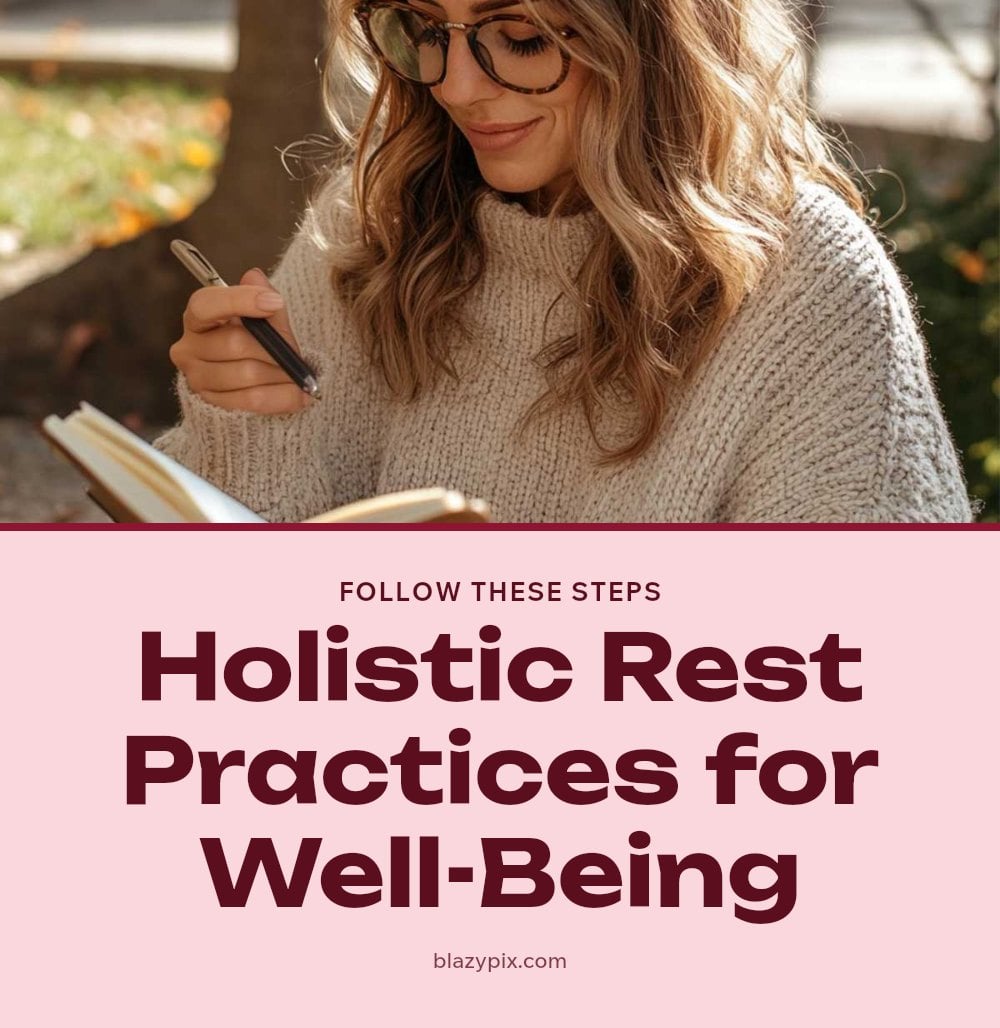
- Journal and pen: for mental and emotional processing.
- Comfortable clothing: for active physical rest and relaxation.
- Yoga mat: for gentle movement and stretching.
- Eye mask and earplugs: to block out light and noise for sensory and physical rest.
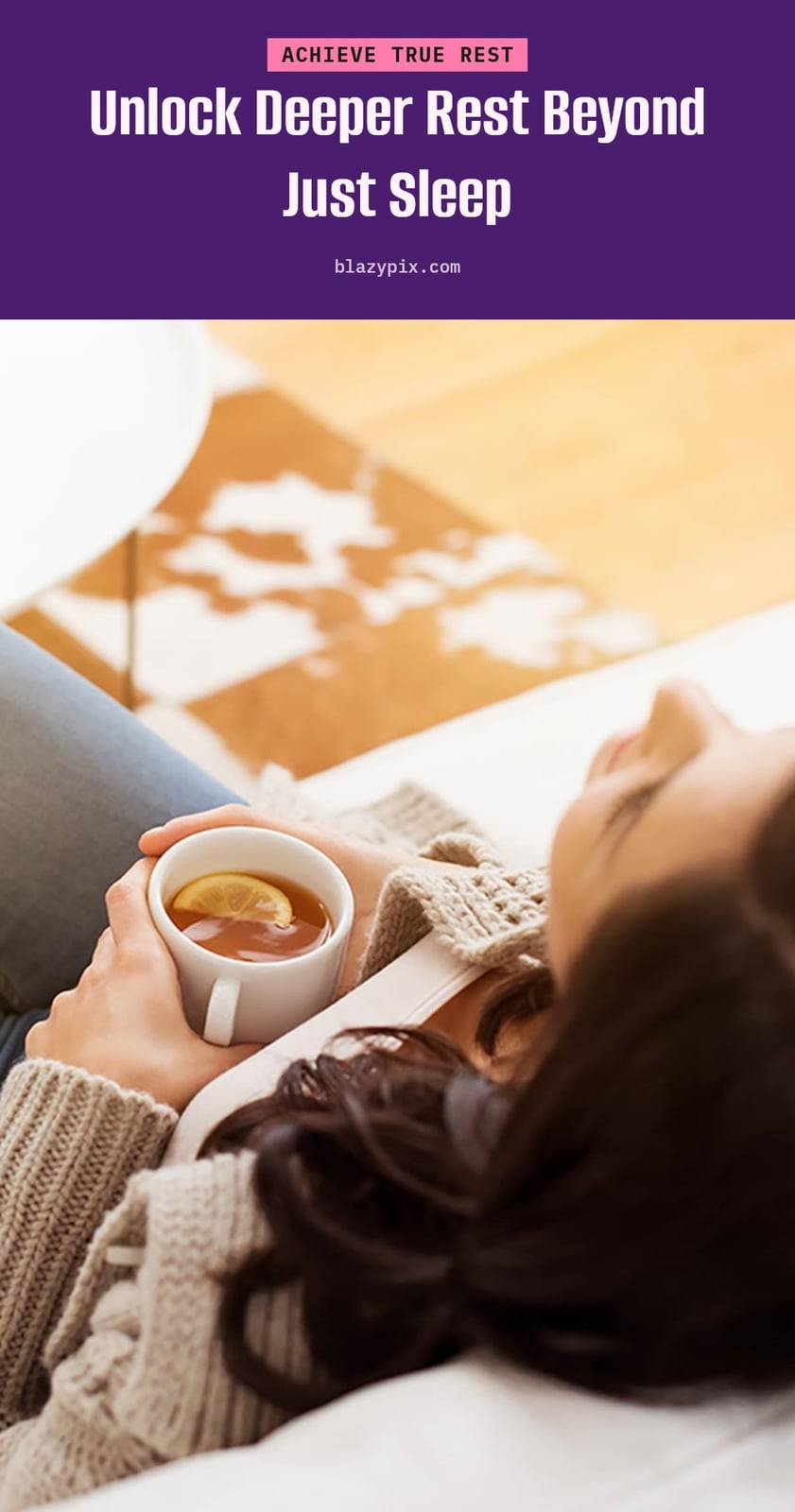
- Herbal tea: for a soothing ritual before bed or during breaks.
Your Step-by-Step Guide to Holistic Rest
Follow these steps to build a holistic rest practice that fits your life.
- Identify your most depleted rest type: Reflect on what feels most drained right now. Are you physically tired, mentally scattered, emotionally numb, or socially exhausted? That points to where to start.
- Schedule rest activities: Put them in your calendar like any appointment. Even 15 minutes counts.
- Practice mindfulness or meditation: Try a 5-minute breathing exercise or a guided session to quiet mental chatter and support emotional balance.
- Engage in gentle movement: Stretch, walk, or do yoga for active physical rest. This can be more refreshing than sitting still.
- Prioritize quality sleep: Aim for 7 to 9 hours a night. Keep a consistent schedule and make your bedroom cool, dark, and quiet.
- Disconnect from screens: Turn off devices at least 30 minutes before bed to prepare for sleep. During the day, take short screen breaks for restorative activities like stretching or looking out a window, not for scrolling.
- Spend time in quiet spaces: Sit in a park, a library, or a calm corner at home. Let your senses settle.
- Set boundaries: Say no to requests that drain you. Protect your time and energy for real social rest.
Common Rest Mistakes and How to Avoid Them
One of the biggest mistakes is thinking rest only means sleeping. While sleep is essential, it addresses physical fatigue, not the other six types. Mental, emotional, or sensory exhaustion won’t resolve with more hours in bed.
Another common trap is equating constant busyness with success. Overworking without breaks leads to burnout and decreased productivity. Prioritizing rest is not a sign of weakness; it’s a strategy for long-term well-being.
Many people ignore subtle fatigue signs like irritability, brain fog, or feeling drained after small tasks. These are your body’s cues to slow down before burnout sets in. Pay attention to them early.
Filling supposed rest time with draining activities, like endless scrolling or stressful social media, does the opposite of replenishing. Choose activities that genuinely restore you, such as reading, stretching, or a quiet walk.
Different fatigue types need different rest. A sensory overload calls for a screen break, while emotional exhaustion might need a heart-to-heart or time alone. Match the activity to the deficit.
Finally, let go of guilt about resting. Rest is a necessary component of self-care, not a luxury. Reframe it as essential maintenance for your mind and body.
Smart Tips for Integrating Rest Into Your Daily Life
Take micro-breaks: Short, frequent breaks throughout the day can be more effective for mental rest than waiting for one long break. Try a 5-minute pause every hour to step away from your desk.
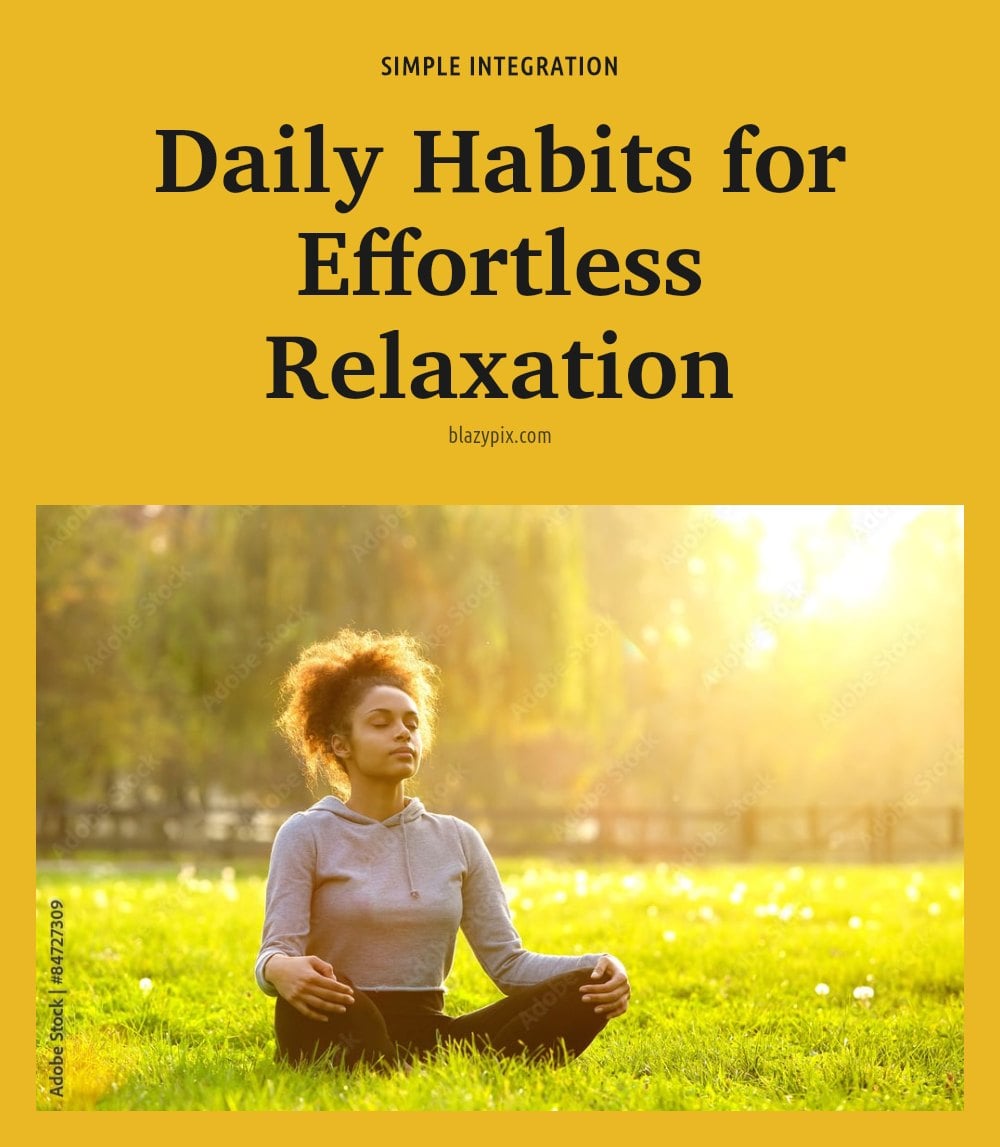
Embrace nature: Spending time outdoors, even for a few minutes, can reduce stress hormones and improve mood. A short walk in a park or just sitting in your garden counts.
Journal your thoughts: Dedicate 10-15 minutes to journaling to process thoughts and achieve mental calm. Write about what’s on your mind without editing or judging.
Create a sanctuary: Designate a quiet, screen-free space in your home for sensory and mental rest. A cozy chair with a blanket and a lamp can be enough.
Practice saying no: Setting boundaries is crucial for protecting your social and emotional energy. Politely decline invitations or requests that feel draining.
How Long Does It Take to Feel Truly Rested?
Immediate benefits: You might feel some relief and improved mood right after a rest activity, like a short walk or a few minutes of deep breathing. These quick wins are real.
Consistent effort: Deeper changes, like reduced chronic fatigue and improved resilience, typically occur over weeks or months of consistent practice. Don’t expect a single weekend to undo months of exhaustion.
Ongoing practice: Integrating various forms of rest should be an ongoing, daily practice, not a one-time fix. Make it a habit, like brushing your teeth.
Cost: Most effective rest practices are free or low-cost. They rely on mindfulness, nature, and simple routines, not expensive tools or services. You don’t need a spa day to rest well.
When to Seek Professional Help for Fatigue
If persistent fatigue, insomnia, or feelings of overwhelm significantly impact your daily life, consult a healthcare professional to rule out underlying medical conditions. They can help identify causes like anemia, thyroid issues, or sleep disorders.
If feelings of sadness, anxiety, or hopelessness are overwhelming or interfere with your ability to function, seek support from a therapist or counselor. Mental health is as important as physical health.
If you’re starting new physical activities for active rest and have pre-existing health conditions, consult a doctor to ensure they are appropriate for your fitness level. This helps prevent injury and ensures you choose safe options.
Frequently Asked Questions
What is the difference between active and passive physical rest?
Passive physical rest is sleep, where your body fully relaxes and repairs. Active physical rest involves gentle movement that still allows recovery, like stretching, yoga, or a slow walk. Both are important for physical rejuvenation, but they address different needs: passive rest for deep recovery, active rest for circulation and flexibility.
Can I combine different types of rest?
Yes, you can combine them. For example, a nature walk can provide sensory rest (quiet environment) and spiritual rest (connection to something larger), while also offering active physical rest. Just be careful not to overload your downtime with too many activities, as that can feel draining rather than restorative.
How do I know which type of rest I need most?
Start by reflecting on what feels most depleted right now. Are you physically tired, mentally scattered, emotionally numb, or socially exhausted? That feeling points to the type of rest to prioritize first. For instance, if you’re irritable and overwhelmed, you might need emotional or sensory rest before anything else.
Is it okay to feel guilty about resting?
Many people feel guilty about resting, especially if they equate busyness with productivity. But guilt is a common mistake that can prevent real recovery. Remind yourself that rest is essential for your health and effectiveness. With practice, you can let go of that guilt and see rest as a necessary part of a balanced life.
How often should I practice these different types of rest?
It’s best to incorporate some form of rest daily, even if it’s just a 5-minute micro-break for mental rest or a few minutes of deep breathing. For deeper types like emotional or spiritual rest, aim for a dedicated session once or twice a week. Consistency matters more than duration, so find a rhythm that fits your schedule.
Final Thoughts
My recommendation is to start with just one type of rest that feels most lacking right now, whether it’s a 10-minute journaling session for mental rest or a quiet walk for sensory rest. You might notice immediate relief after a single activity, but deeper changes in your energy and resilience usually take a few weeks of consistent practice. Remember, rest is not a luxury it is essential for your well-being, so give yourself permission to prioritize it.
This article is for informational purposes only and is not a substitute for professional medical or mental health advice. If you experience persistent fatigue, insomnia, or overwhelming feelings that interfere with your daily life, please consult a healthcare provider or a licensed therapist for personalized guidance.