Understanding Your Hair: The Complete Hair Type Chart Guide
Learn to identify your hair type with our easy-to-use chart. Understand your curl pattern for personalized hair care and styling.

Ever feel like your hair has a mind of its own, refusing to cooperate no matter what products you try? The secret might be simpler than you think: matching your routine to your actual hair type. This guide walks you through the most widely used hair typing system, step-by-step, so you can finally understand your natural texture and choose products that actually work.

Key Takeaways
- Wash and air dry your hair completely before trying to identify its curl pattern.
- The Andre Walker system classifies hair as Type 1 (straight) through Type 4 (coily).
- Look at different sections of your head; it’s common to have more than one hair type.
- Porosity, density, and width matter just as much as curl pattern for choosing products.
- Don’t rely on wet hair or product buildup to judge your natural texture.
What is a Hair Type Chart?
The hair type chart is a classification system, primarily developed by Andre Walker, that categorizes hair based on its curl pattern. It helps you understand your hair’s natural texture, which is crucial for selecting appropriate products and routines. The system breaks hair into four main types (1, 2, 3, 4) and further into subcategories (A, B, C) based on curl tightness.
Tools for Identifying Your Hair Type

To accurately identify your hair type, you need a few simple tools:
- Mirror: Essential for observing your hair from all angles.
- Magnifying mirror: Helps you see intricate curl patterns more clearly.
- Hair clips: Useful for sectioning your hair to examine different areas.
Step-by-Step: How to Determine Your Hair Type

- Wash your hair: Use a gentle, clarifying shampoo to remove product buildup, oils, and any residue that could mask your natural pattern. Rinse thoroughly so no product remains.
- Air dry completely: Skip the blow dryer and let your hair dry on its own. Heat and styling tools can temporarily alter your curl pattern, so air drying gives you the truest picture of your texture. This can take a few hours, so plan ahead.
- Section your hair: Use hair clips to divide your hair into manageable sections: front, back, left, right, and crown. This lets you examine each area individually without missing spots.
- Inspect each section: Look closely at the shape of your strands in every section. Use a magnifying mirror to see the fine details of the curl pattern, especially at the ends and roots. Note whether the pattern is straight, wavy, curly, or coily.
- Compare to the chart: Match what you see to the descriptions of Type 1, 2, 3, or 4 and their subcategories. Pay attention to the tightness of the curl or wave. If different sections look different, that’s normal, many people have multiple types on one head.
My tip: Do this on a day when you have nowhere to be. The longer you let your hair dry undisturbed, the more accurate your observation will be.
Understanding the Andre Walker Hair Typing System
Type 1: Straight
Type 1 hair is straight and lacks curl. It tends to be oily because sebum can easily travel down the hair shaft.
Type 2: Wavy
Type 2 hair is wavy, ranging from loose, S-shaped waves (2A) to more defined waves that are closer to curls (2C).
Type 3: Curly
Type 3 hair is curly, with distinct loops and spirals. 3A curls are loose, 3B are springy, and 3C are tight corkscrews.
Type 4: Coily
Type 4 hair is coily, characterized by very tight, often Z-shaped or S-shaped coils. 4A has defined coils, 4B has tighter Z-patterns, and 4C has very tight, less defined coils.
Each type and sub-type influences how products work and how hair behaves. For example, straight hair may need lightweight products, while coily hair benefits from heavier creams and butters.
Beyond Curl Pattern: Other Important Hair Characteristics
Beyond Curl Pattern: Other Important Hair Characteristics
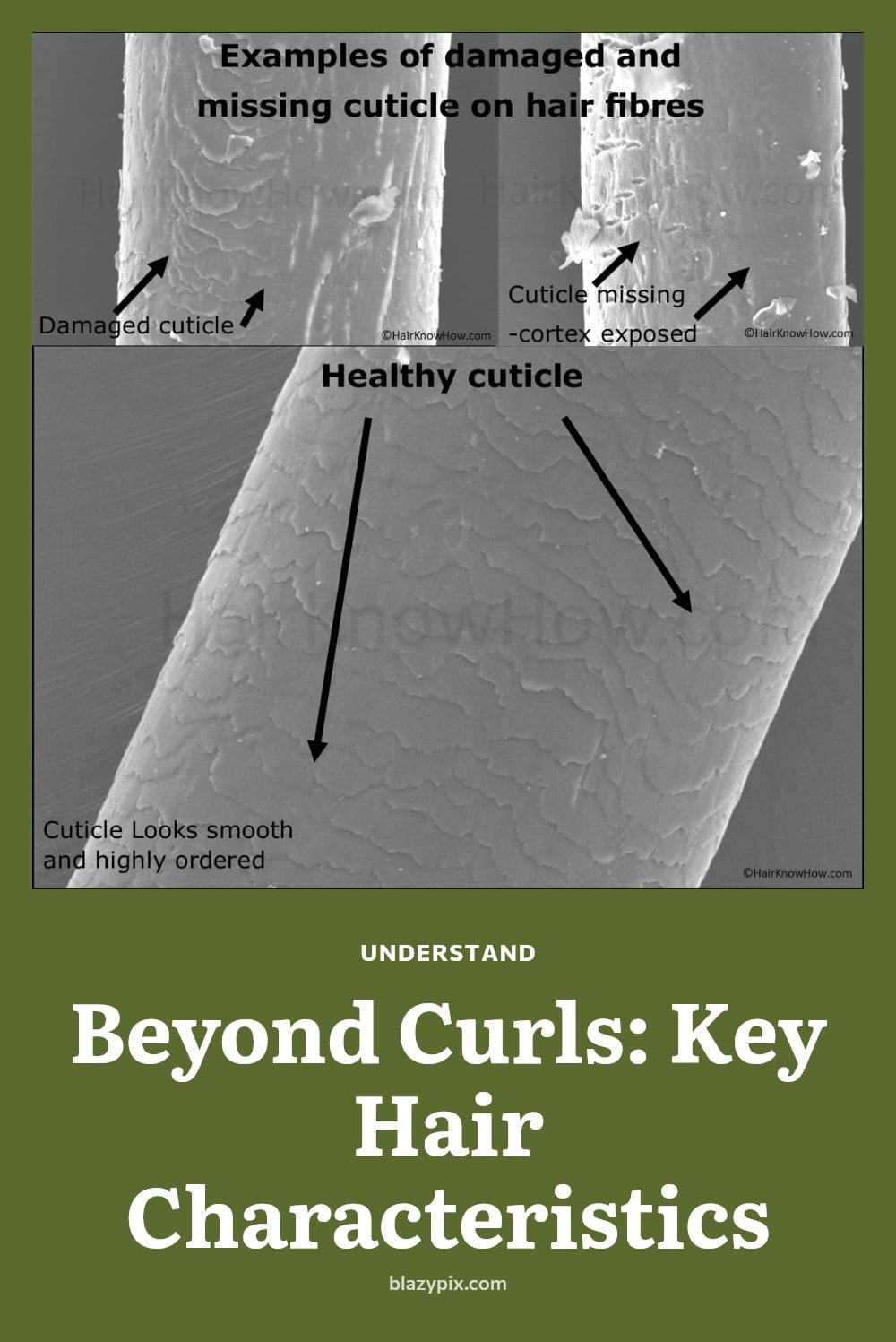
Hair porosity describes how well your hair absorbs and retains moisture, and it falls into three categories: low, normal, or high. Low porosity hair resists moisture, while high porosity hair absorbs it quickly but loses it just as fast. Hair density refers to the number of individual strands on your head, not how thick each strand is; you can have high density with fine strands. Hair width, or texture, is the thickness of a single strand, categorized as fine, medium, or coarse.
These three factors are just as important as your curl type when you choose products and routines. A product that works for fine, high-porosity curls won’t suit coarse, low-porosity waves. My tip: Consider your porosity, density, and width together with your curl pattern for a complete picture of your hair’s needs.
Common Mistakes When Identifying Your Hair Type
Common Mistakes When Identifying Your Hair Type
- Relying only on curl pattern: Your hair’s porosity, density, and width are just as crucial for proper care. Ignoring them leads to wrong product choices.
- Checking wet hair: Hair patterns are distorted when wet; always let your hair air dry completely to see its true shape.
- Confusing density with width: Density is how many strands you have, width is how thick each strand is. You can have thick strands but low density.
- Assuming one type for your whole head: It’s common to have different patterns in different sections, like straight underneath and wavy on top.
- Ignoring product buildup: Products can temporarily alter your natural pattern, so start with clean, product-free hair for an accurate assessment.
Expert Tips for Accurate Hair Typing
Expert Tips for Accurate Hair Typing
- Observe over several days: Your hair might behave differently on various days depending on humidity or how you slept, giving you a clearer picture.
- Take close-up photos: Sometimes a photo helps you see patterns, like subtle S-waves or tight coils, that you might miss in the mirror.
- Consider hormonal changes: Hair type can evolve due to age, hormones, or chemical treatments, so re-evaluate periodically if your hair’s behavior shifts.
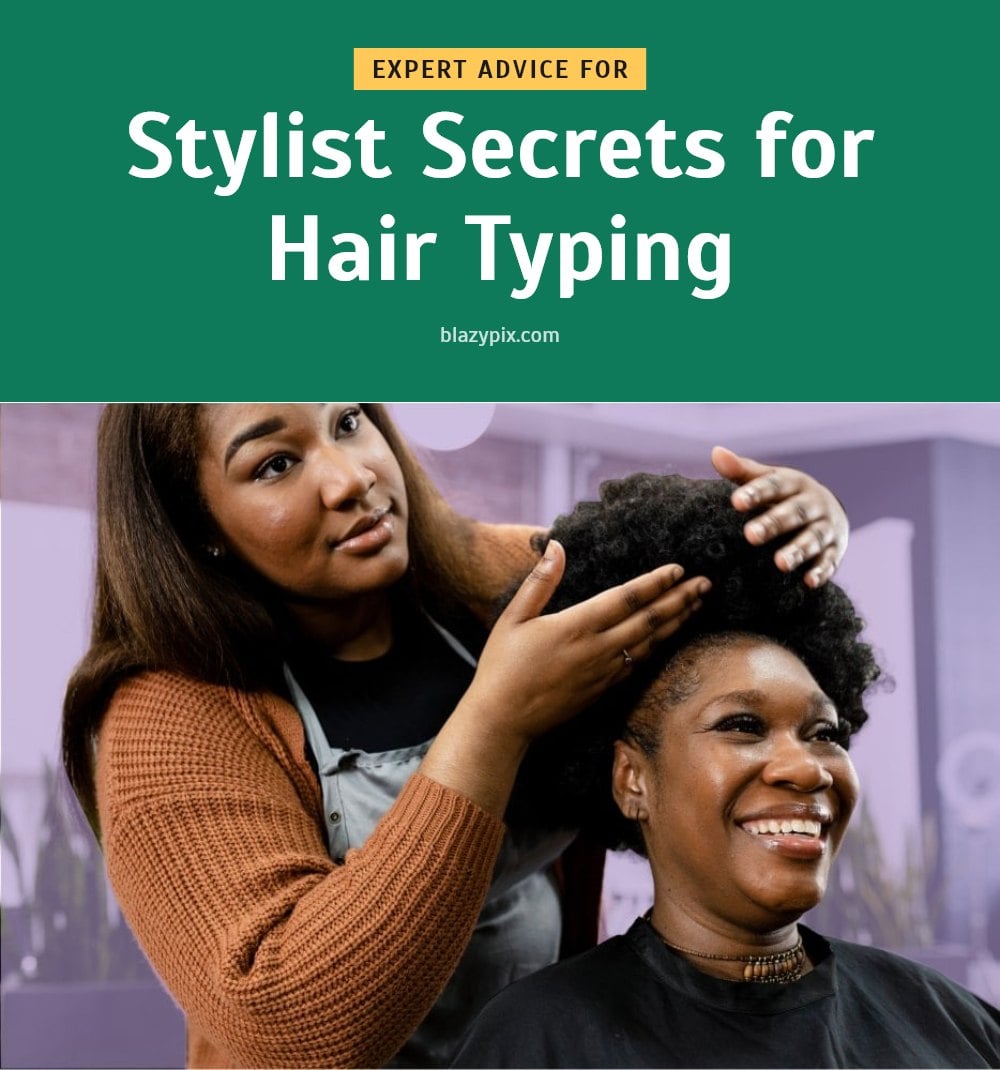
- Consult a professional: If you’re still unsure, a hairstylist can accurately assess your hair type and characteristics, taking the guesswork out of your routine.
Frequently Asked Questions
Can hair type change over time?
Yes, it can. Hormonal shifts, aging, chemical treatments, and environmental factors can all alter your curl pattern. If you notice changes, it’s a good idea to re-evaluate your hair type and adjust your routine accordingly.
Is the Andre Walker system the only way to type hair?
No, it’s just the most widely recognized system. Other classification methods exist, but the Andre Walker system is a helpful starting point. The most important thing is to consider your hair’s unique characteristics beyond curl pattern, like porosity and density.
What is the difference between hair density and hair width?
Hair density refers to how many individual strands you have on your head. Hair width (or texture) refers to the thickness of a single strand, which can be fine, medium, or coarse. They are two separate traits that both affect how your hair behaves.
Can I have different hair types on my head?
Yes, it’s very common. Many people have straighter hair at the nape of the neck and curlier hair at the crown, or a mix of patterns throughout. When you examine your hair, look at several sections to get the full picture.
How often should I re-evaluate my hair type?
There’s no set schedule, but it’s worth checking again if you experience major life changes like pregnancy, menopause, or significant hormonal shifts. Also, if your current products stop working well, your hair type may have shifted.
Final Thoughts
Start by washing your hair with a gentle clarifying shampoo, let it air dry completely, and observe the pattern from multiple angles. Remember that your hair type is just one piece of the puzzle, porosity, density, and strand width also play a big role in how your hair behaves. Use this knowledge as a starting point, and you will feel more confident picking products and routines that truly suit you.