How to Prevent Whiteheads and Keep Your Skin Clear
Learn how to prevent whiteheads with an effective skincare routine, gentle product choices, and expert tips for clear, healthy skin.

Whiteheads are those tiny, flesh-colored bumps that just won’t seem to budge. They form when a pore gets clogged with oil and dead skin cells, but unlike blackheads, the surface stays closed. In this article, I’ll walk you through what causes them, the best ingredients to use, a simple daily routine, and the common mistakes to avoid so you can keep your skin clear and smooth.
Key Takeaways
- Whiteheads form when pores are clogged with oil and dead skin cells, with the surface remaining closed.
- Use non-comedogenic products and gentle cleansers to avoid irritating your skin and worsening breakouts.
- Effective ingredients include salicylic acid, benzoyl peroxide, and retinoids like adapalene.
- Consistent routine for 4 to 8 weeks is needed before you see improvement.
- Picking or squeezing whiteheads can cause inflammation, infection, and scarring.
What Are Whiteheads and Why Do They Form?
Whiteheads are small, non-inflamed bumps that sit on the skin’s surface. They form when a pore gets clogged with oil and dead skin cells, trapping everything beneath the top layer. Unlike blackheads, the pore opening stays closed, so the contents never oxidize and turn dark. That closed surface is why they look white or flesh-colored instead of black.
Why You Get Whiteheads: Common Causes

Hormonal Shifts
Hormonal changes, especially during puberty, menstruation, or pregnancy, can ramp up oil production. More oil means more chances for pores to clog and turn into whiteheads.
Medications
Certain drugs, including corticosteroids, lithium, and some anti-epileptic medications, can trigger acne breakouts. If you notice whiteheads after starting a new prescription, talk to your doctor rather than stopping it on your own.
Humidity and Sweat
High humidity and sweating create a damp environment that makes pore clogging more likely. Shower soon after workouts or hot days to remove sweat and oil before they settle in.
Harsh Scrubbing
Scrubbing your face with rough scrubs or washcloths can irritate skin and actually worsen whiteheads. The irritation triggers more oil production and inflammation. Stick to gentle, circular motions with your fingertips and let cleansers do the work.
Effective Ingredients to Treat and Prevent Whiteheads
Salicylic Acid
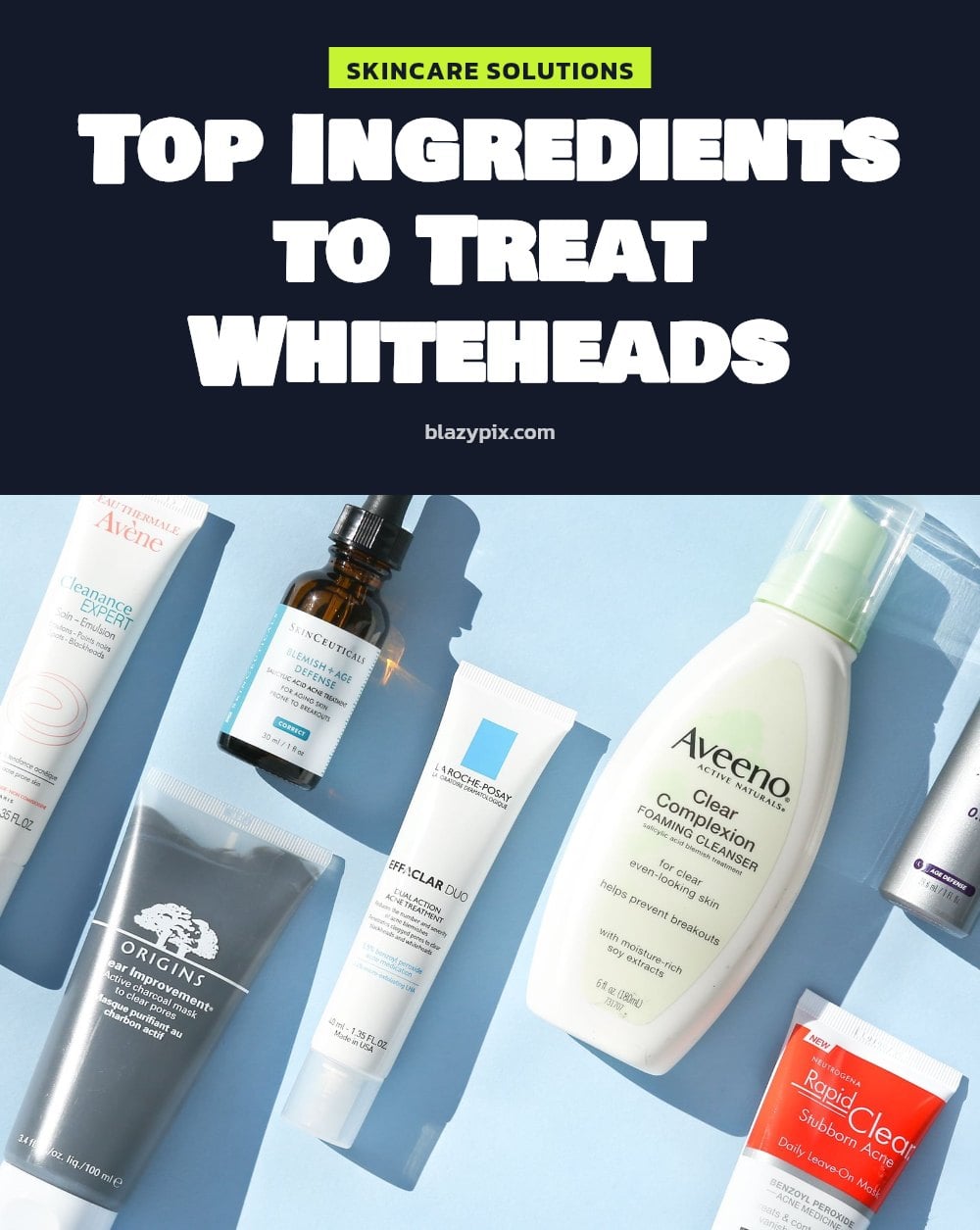
Salicylic acid is a beta-hydroxy acid that penetrates oil and exfoliates inside the pore, helping to unclog it. It’s a good first choice for whiteheads because it targets the blockage directly.
Tip: Start with a 0.5% to 2% leave-on serum once a day, then build up to twice daily if your skin tolerates it.
Benzoyl Peroxide
Benzoyl peroxide kills acne-causing bacteria and reduces excess oil on the skin’s surface. It works well as a spot treatment for small, stubborn whiteheads.
Caution: It can bleach fabrics, so wait until it’s fully dry before touching your pillowcase or towel.
Retinoids
Retinoids like adapalene speed up cell turnover, so dead skin cells don’t pile up and clog pores. They’re effective for prevention, but they can cause dryness and peeling at first.
Tip: Apply a pea-sized amount at night, start every other day, and always wear sunscreen the next morning.
Tea Tree Oil
Tea tree oil has antimicrobial and anti-inflammatory properties that may help with mild cases. Never apply it undiluted, mix a few drops with a carrier oil or moisturizer.
Your Daily Skincare Routine for Preventing Whiteheads
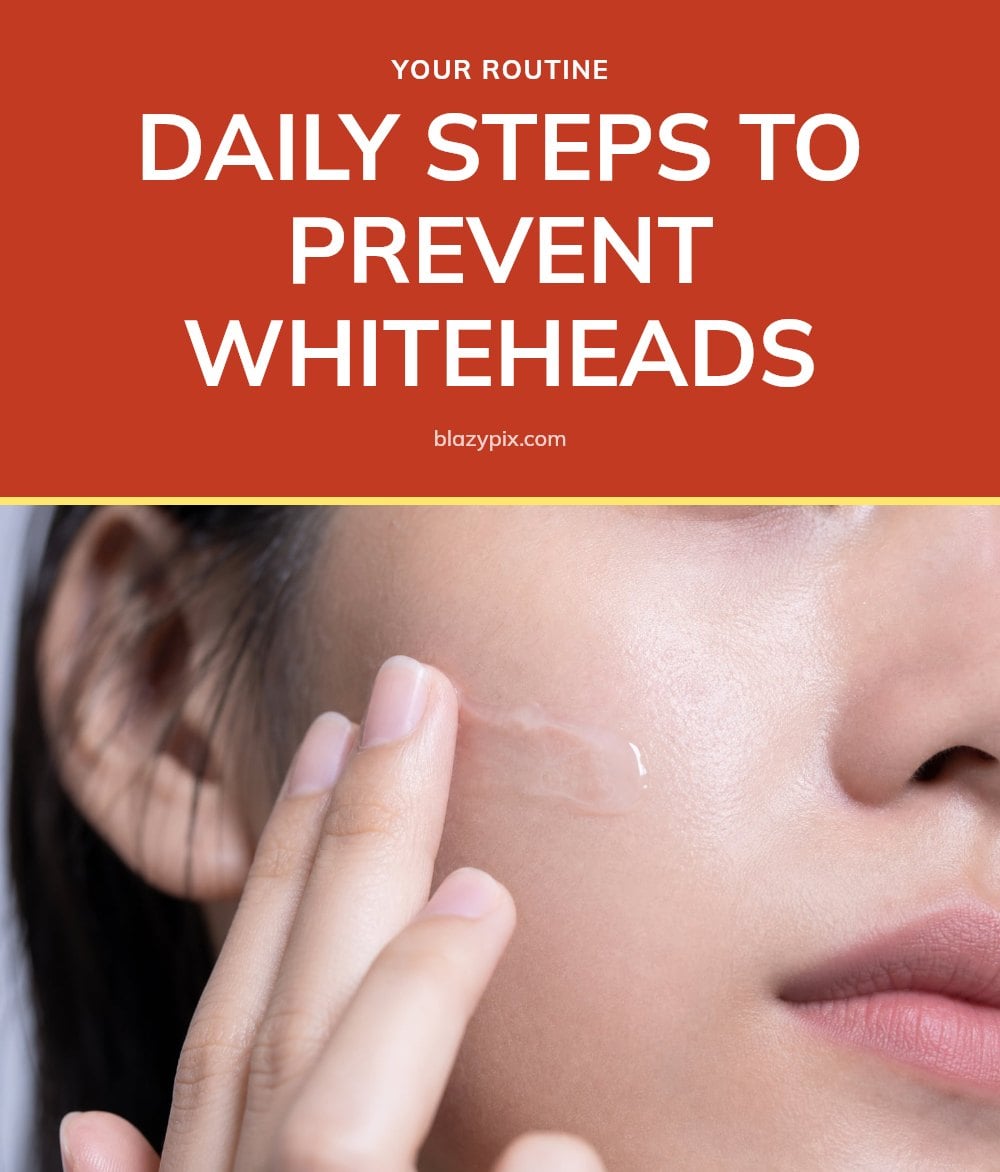
Consistency matters more than any single product. Follow these steps morning and night, and give your skin at least 4 to 8 weeks before judging results.
- Cleanse gently: Wash your face twice daily with a gentle, non-foaming cleanser. Use lukewarm water and your fingertips, no scrubbing or abrasive tools.
- Choose non-comedogenic products: Check labels on moisturizers, sunscreens, and makeup. Non-comedogenic means they won’t clog pores, which is key for preventing new whiteheads.
- Apply treatment as directed: Use your salicylic acid, benzoyl peroxide, or retinoid exactly as the label says. More product doesn’t mean faster results, and overuse can irritate skin.
- Moisturize with oil-free: Even oily skin needs moisture. A lightweight, oil-free moisturizer keeps your barrier healthy without adding grease. Skipping it can actually make your skin produce more oil.
- Protect from sun: Many acne treatments increase sun sensitivity. Apply a broad-spectrum SPF 30+ every morning, even on cloudy days.
Pro move: Keep your routine short and simple. Layering too many actives can backfire, so stick to one treatment ingredient at a time.
Common Mistakes That Make Whiteheads Worse
Over-washing or scrubbing your face too aggressively strips natural oils and irritates the skin. That irritation can actually increase oil production, making whiteheads worse instead of better.
Using too many active ingredients at once, like layering salicylic acid, benzoyl peroxide, and a retinoid, overwhelms the skin barrier. Stick to one or two targeted treatments and introduce them slowly.
Caution: Picking or squeezing whiteheads pushes bacteria deeper into the pore and can cause scarring or infection. Leave them alone and let treatments work.
Skipping moisturizer because your skin feels oily backfires. Without hydration, your skin produces even more oil to compensate, which clogs pores. Choose a lightweight, non-comedogenic formula.
Ignoring hygiene also matters. Clean your phone screen regularly and wash your hands before touching your face. Those surfaces transfer oil and bacteria directly to your pores.
Long-Term Habits for Clear, Whitehead-Free Skin
Shower immediately after sweating or exercise. Sweat mixed with oil and dead skin cells can settle into pores and form whiteheads if left on your skin.
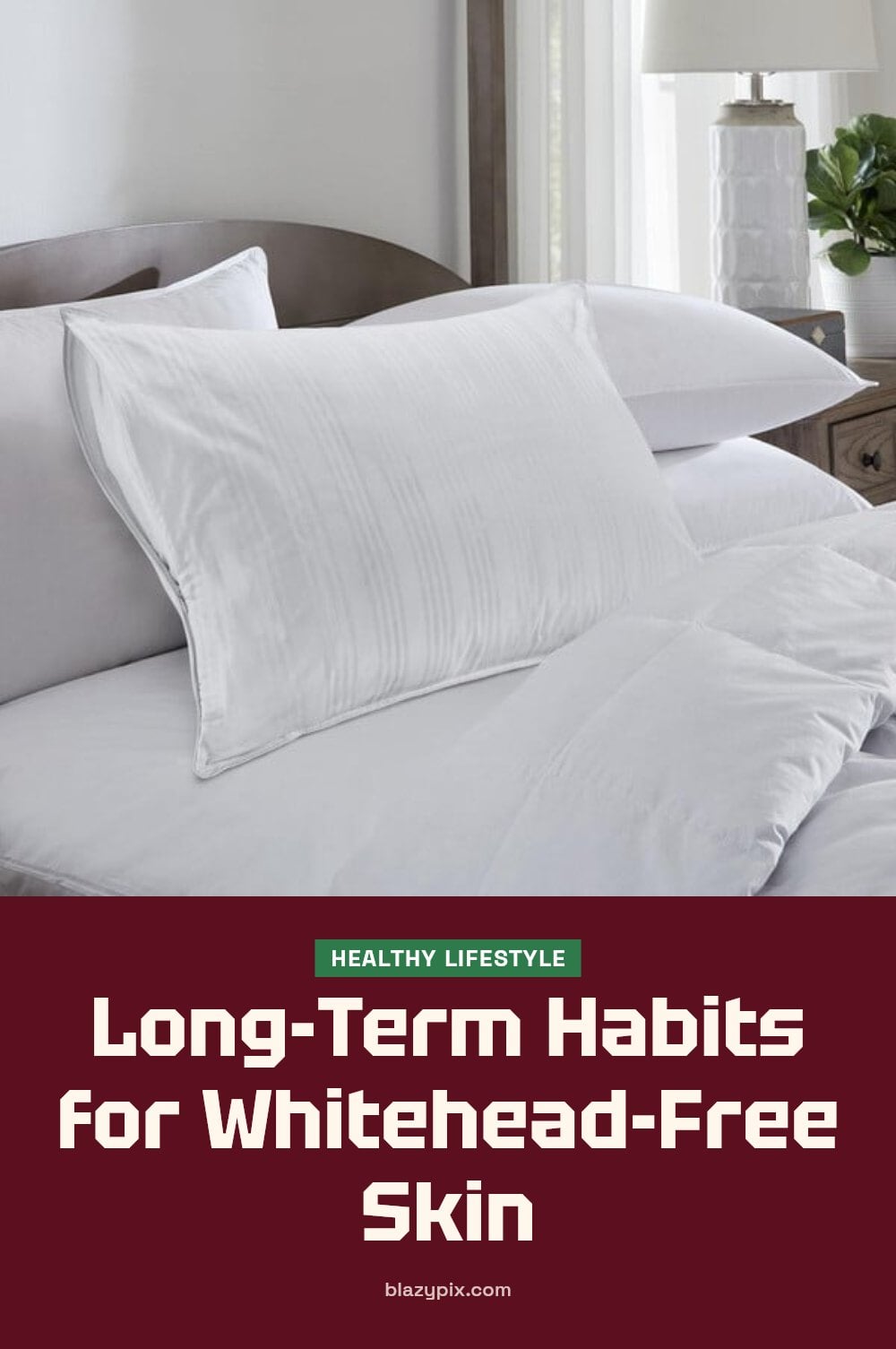
Change your pillowcases at least once a week. They collect oil, bacteria, and product residue that transfer to your face while you sleep.
Keep your hands off your face throughout the day. Touching transfers dirt and bacteria, and even a light touch can disturb the skin barrier.
Never sleep with makeup on. No matter how gentle the product, leaving it on overnight traps oil and debris against your skin.
My tip: If you suspect certain foods like dairy or high-sugar snacks trigger breakouts, try eliminating them for two weeks and note any changes. But keep your skincare routine consistent, diet alone won’t replace good habits.
When to Consult a Dermatologist for Whiteheads
If over-the-counter treatments cause excessive dryness, redness, or peeling, stop using them and see a dermatologist. They can recommend a gentler alternative or adjust your routine.
Consult a professional if whiteheads become painful, inflamed, or persistent despite consistent care. That may signal a deeper issue like cystic acne or a bacterial infection that needs prescription treatment.
Important: Pregnant or breastfeeding individuals should talk to a doctor before using retinoids or salicylic acid, as some topical ingredients may not be safe during this time.
Frequently Asked Questions
What’s the difference between whiteheads and blackheads?
Whiteheads are closed comedones, meaning the pore opening is covered by a thin layer of skin, so the clogged material stays white or flesh-colored. Blackheads are open comedones where the pore is open to air, causing the oil and dead skin to oxidize and turn dark. Both are forms of acne, but they look different because of that exposure.
Can diet really affect whiteheads?
Some studies suggest that high glycemic foods and dairy may worsen acne in certain people, but the link isn’t proven for everyone. If you notice breakouts after eating those foods, you could try cutting back for a few weeks to see if it helps. Stress and hormones often play a bigger role, so diet isn’t a guaranteed fix for whiteheads.
How long does it take for whitehead treatments to work?
With consistent daily use of a gentle cleanser and an active ingredient like salicylic acid or retinoids, you may see some improvement within 4 to 8 weeks. Full results can take several months because your skin needs time to adjust and prevent new clogs from forming. Patience and sticking to your routine are key.
Is it okay to use pore strips for whiteheads?
Pore strips can remove surface debris, but they can also irritate the skin around whiteheads and may not reach deep enough to unclog closed comedones. Harsh pulling can damage the skin barrier and lead to more breakouts. It’s better to stick with gentle exfoliation and leave-on treatments for long-term prevention.
Final Thoughts
My tip: Start with a gentle cleanser, a salicylic acid serum, and a non-comedogenic moisturizer. Stick with it for at least 4 to 8 weeks before expecting results. Remember, consistency is what makes the difference, not harsh scrubbing or using too many products at once. With patience and the right habits, you can keep whiteheads under control and enjoy clearer skin.
This information is for general educational purposes only and is not a substitute for professional medical advice. If you have persistent, painful, or inflamed whiteheads, or if over-the-counter treatments cause irritation, consult a dermatologist or healthcare provider for personalized guidance.