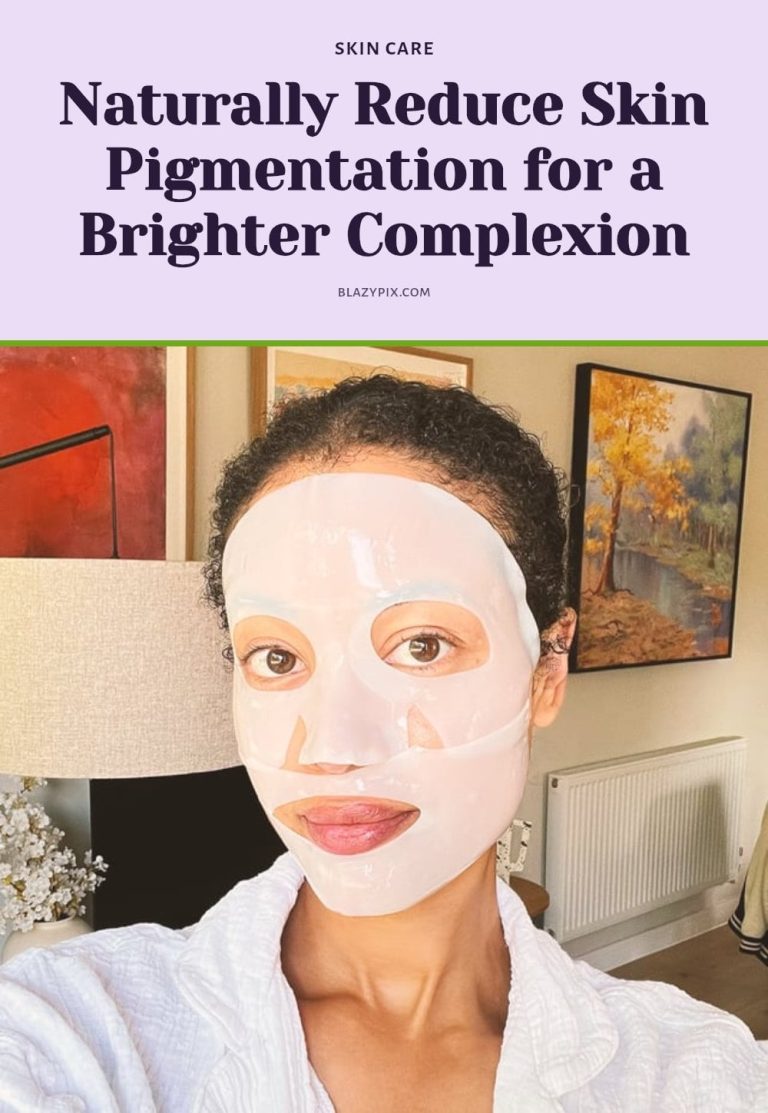
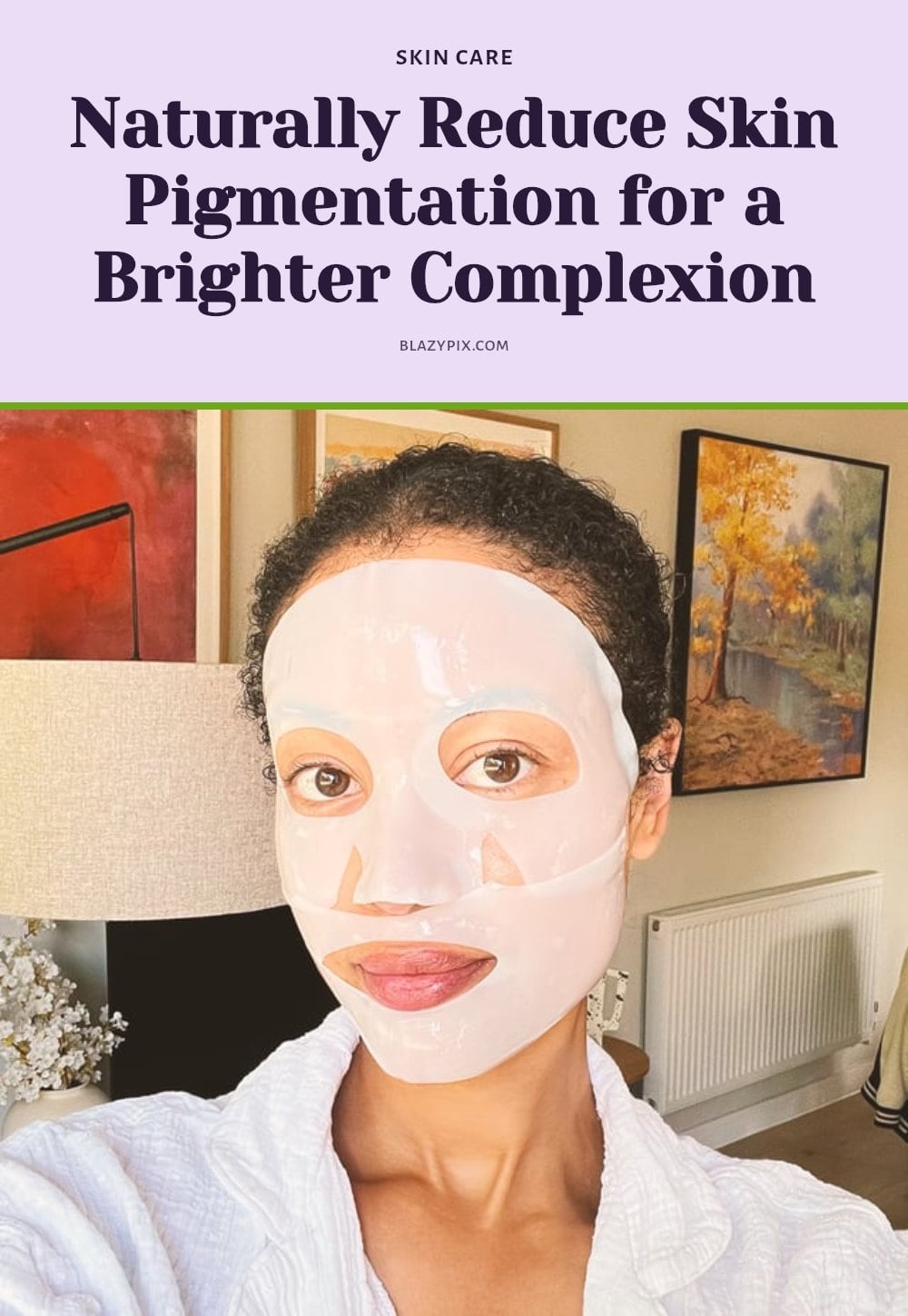
How to Naturally Reduce Skin Pigmentation and Dark Spots
Learn natural ways to reduce skin pigmentation. Discover effective ingredients, sun protection, and a consistent routine for a more even skin tone.

Dealing with dark spots or uneven skin tone can feel like a never-ending battle, especially when you’re looking for natural ways to brighten things up. The good news is that several plant-based and naturally derived ingredients have real science behind them, and with a consistent routine, you can see gradual improvement. This article breaks down the most effective natural ingredients, a simple daily routine, and the crucial sun protection steps that make all the difference.
Key Takeaways
- Apply broad-spectrum sunscreen with SPF 30 or higher every morning, even on cloudy days.
- Use Vitamin C serum in the morning to inhibit melanin production and protect skin.
- Incorporate niacinamide at night to help reduce the transfer of melanin to skin cells.
- Exfoliate gently 2-3 times a week with AHA products like lactic or glycolic acid.
- Be patient: natural remedies typically take several weeks to months of consistent use.
What is Pigmentation and How Can You Reduce It Naturally?
Pigmentation, or hyperpigmentation, is when patches of your skin become darker than the surrounding area due to an overproduction of melanin. Natural remedies tackle this by using ingredients that gently exfoliate away pigmented cells, inhibit the production of melanin, or provide antioxidant protection. The two non-negotiable elements for any visible improvement are consistent daily application of these ingredients and rigorous sun protection with SPF 30 or higher.
Why Pigmentation Appears on Your Skin

What Causes Pigmentation?
Your skin gets its color from melanin, a natural pigment. When something triggers an overproduction of melanin in a specific area, that spot appears darker than the rest of your skin. The most common causes are:
- Sun exposure: UV rays are a major trigger, leading to sunspots (solar lentigines) on frequently exposed areas like your face, hands, and chest.
- Hormonal changes: Fluctuations during pregnancy or from birth control can cause melasma, which often appears as large, patchy areas on the face.
- Inflammation: Acne, cuts, or other skin injuries can leave behind post-inflammatory hyperpigmentation (PIH), especially in darker skin tones.
Knowing the cause helps you choose the right natural approach and avoid making it worse.
Effective Natural Ingredients for Reducing Dark Spots

Ingredients That Work Naturally
Several natural ingredients have research backing their ability to reduce dark spots. Here’s how they work and how to use them.
- Vitamin C: This antioxidant brightens skin and inhibits the enzyme tyrosinase, which is needed for melanin production. Tip: Use a stable Vitamin C serum in the morning, and always follow with sunscreen since it can make skin more sensitive to UV.
- Niacinamide: Vitamin B3 reduces the transfer of melanin from pigment cells to skin cells, fading spots over time. Caution: It pairs well with most other ingredients, but introduce it slowly if your skin is sensitive.
- Licorice root extract: Contains glabridin, which also inhibits tyrosinase. Look for it in serums or masks. Good to know: It’s gentle and suitable for daily use.
- Kojic acid: Derived from fungi, this ingredient blocks tyrosinase activity. It’s often found in natural formulations, but can be irritating at high concentrations. Caution: Start with a low percentage and patch test first.
- Alpha hydroxy acids (AHAs): Lactic acid (from milk) and glycolic acid (from sugar cane) exfoliate the top layer of skin, shedding pigmented cells. My tip: Use an AHA product 2-3 times a week at night, and never combine it with other strong actives on the same evening.
- Turmeric: Curcumin, the active compound, offers antioxidant and anti-inflammatory benefits and may inhibit melanin. Pro move: Mix a pinch of turmeric powder with plain yogurt for a gentle mask, but rinse thoroughly to avoid staining.
- Aloe vera: It soothes and supports skin healing, but its direct effect on established dark spots is less proven. Use it as a calming layer if your skin feels irritated from other treatments.
Your Daily Routine for Naturally Even Skin Tone

- Cleanse gently: Use a mild, non-stripping cleanser to remove dirt and oil without irritating your skin. This prepares your face for the next steps.
- Apply a targeted serum: In the morning, use a Vitamin C serum to protect against environmental damage and inhibit melanin. At night, switch to a Niacinamide serum to block melanin transfer while you sleep.
- Moisturize and protect: Follow with a lightweight moisturizer, then apply a broad-spectrum sunscreen with SPF 30 or higher every single morning. This is the most critical step for preventing new spots and allowing treatments to work.
- Exfoliate weekly: Two to three times a week, use an AHA product (like lactic acid) at night to gently shed pigmented cells. Do not exfoliate on nights you use other active ingredients.
- Soothe as needed: If your skin feels irritated, apply pure aloe vera gel as a calming layer. It won’t erase spots overnight, but it supports healing and reduces inflammation that can worsen pigmentation.
Common Mistakes When Treating Pigmentation Naturally
Skipping sunscreen: This is the number one mistake. Without daily broad-spectrum SPF 30+, your other efforts are basically canceled out by UV exposure.
Expecting fast results: Natural remedies take time. Be patient and consistent for several weeks to months before judging progress.
Overloading actives: Using too many active ingredients at once can irritate your skin and actually worsen pigmentation. Introduce new products one at a time.
Scrubbing too hard: Aggressive exfoliation causes inflammation, which leads to more dark spots. Stick to gentle exfoliation.
Ignoring the root cause: For melasma, hormonal factors may need a doctor’s input. Don’t treat only the surface.
Preventing New Pigmentation and Maintaining Clear Skin

Wear sunscreen every day: Broad-spectrum SPF 30+ is non-negotiable. Apply it every morning, even when it’s cloudy.
Cover up: Wide-brimmed hats, sunglasses, and protective clothing add a physical barrier against UV rays.
Hands off: Picking or squeezing blemishes can cause post-inflammatory hyperpigmentation. Let them heal on their own.
Stick to your routine: Use melanin-inhibiting ingredients like Vitamin C or niacinamide consistently. Stay hydrated and eat a balanced diet to support overall skin health.
When to Consult a Dermatologist for Pigmentation Concerns
See a dermatologist if your pigmentation is new, rapidly changing, or comes with other symptoms. If natural remedies haven’t worked after consistent use, or if you suspect an underlying medical condition, professional advice is needed. Also consult a doctor for severe or widespread pigmentation that affects your quality of life, or if you have a bad reaction to any product.
Frequently Asked Questions
How long does it take for natural remedies to reduce pigmentation?
Most natural remedies need consistent daily use for several weeks to a few months before you notice a visible difference. The exact timeline depends on the ingredient, your skin type, and how diligent you are with sun protection. Don’t expect overnight results; patience and consistency are key.
Can diet affect skin pigmentation?
There’s limited research directly linking diet to pigmentation, but a balanced diet rich in antioxidants may support overall skin health. Some studies suggest that certain nutrients, like Vitamin C, can help protect skin from UV damage, but they’re not a substitute for sunscreen. Eating well is good for your skin, but it won’t erase existing spots.
Is lemon juice safe to use on pigmentation?
Lemon juice is highly acidic and can cause irritation, burns, and photosensitivity, making it risky for treating pigmentation. It may also lighten skin unevenly. Many dermatologists advise against using it directly on skin. Safer alternatives include Vitamin C serums or licorice root extract, which are formulated to be gentle and effective.
What is the most important step in preventing new dark spots?
Daily application of a broad-spectrum sunscreen with SPF 30 or higher is the single most critical step. UV exposure triggers and worsens pigmentation, so protecting your skin from the sun is essential. Reapply every two hours when outdoors, and wear protective clothing or hats for extra defense.
Can stress cause pigmentation?
Stress itself isn’t a direct cause of pigmentation, but it can influence hormonal changes that may trigger or worsen conditions like melasma. Chronic stress can also impair skin barrier function, making it more vulnerable to irritation and inflammation. Managing stress through relaxation techniques may indirectly help your skin.
What’s the difference between sunspots and melasma?
Sunspots, or solar lentigines, are flat, brown spots that appear on sun-exposed areas like the face, hands, and shoulders, and are directly linked to UV damage. Melasma is a hormonal condition that often appears as larger, symmetrical patches on the face, and can be triggered by pregnancy, birth control, or hormone therapy. Sun protection is crucial for both.
Final Thoughts
If you’re looking for a natural approach, start with a daily sunscreen, a Vitamin C serum in the morning, and a niacinamide serum at night. Add a gentle AHA exfoliant a couple of times a week, and be consistent. Expect to wait at least a few weeks for any visible change, and keep up the routine for a few months to see fuller results. Remember, if your pigmentation is new, changing, or doesn’t improve with consistent care, it’s worth a visit to a dermatologist.
This article is for general information only and is not a substitute for professional medical advice. Always patch test new ingredients and discontinue use if you experience irritation. If your pigmentation is new, rapidly changing, or accompanied by other symptoms, or if you are pregnant or breastfeeding, consult a dermatologist or doctor before starting any new treatment.