What Is a High Protein Diet and Why Does It Matter?
Discover what a high protein diet is and how it promotes satiety and muscle growth. Find lean protein sources and tips to achieve your wellness goals.

If you are looking to manage your weight, build muscle, or simply feel more satisfied after meals, adjusting your protein intake might be the key. A high-protein diet goes beyond the standard daily recommendation, focusing on foods that support your body’s needs. This article covers what that means in practice, how much protein you actually need, the best food sources to stock up on, and common mistakes to avoid.
I have broken down the science into simple, actionable steps so you can start incorporating more protein into your routine today. From a sample meal plan to tips on timing your intake, you will find everything you need to make informed choices without the guesswork.
Key Takeaways
- For weight loss or muscle gain, target 1.2 to 1.6 grams of protein per kilogram of body weight daily.
- Spread your protein intake evenly across meals and snacks to keep muscle protein synthesis active.
- Choose lean sources like chicken breast, fish, eggs, Greek yogurt, lentils, and tofu for a balanced amino acid profile.
- Drink at least 8 cups of water per day to support kidney function on a higher protein diet.
- Combine protein with fiber-rich vegetables and whole grains to avoid digestive discomfort and ensure overall nutrition.
What is a High Protein Diet and Why Does it Matter?
A high protein diet means eating more protein than the standard daily recommendation of 0.8 grams per kilogram of body weight. Most women aiming for weight management or muscle gain target 1.2 to 1.6 grams per kilogram instead. This approach supports weight loss by increasing satiety, so you feel full longer, and by preserving muscle mass, which keeps your metabolism steady. Protein also plays a key role in tissue repair, hormone production, and immune function, making it essential for overall health.
How Protein Helps You Feel Fuller and Build Muscle
Why Protein Keeps You Full and Fuels Muscle
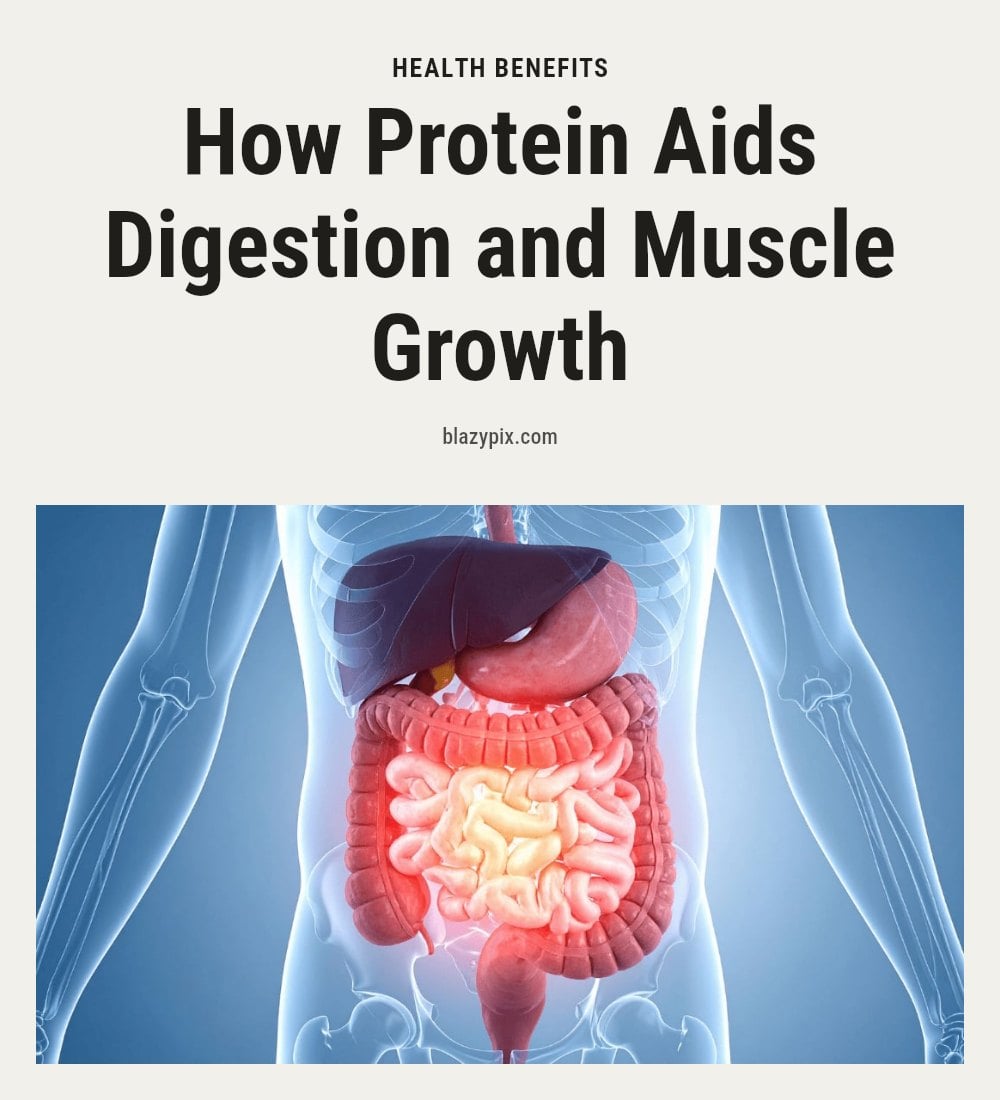
Protein has a higher thermic effect than fats or carbohydrates, meaning your body burns more calories just digesting it. That extra energy expenditure is small but adds up over the day. More importantly, protein increases satiety, which can naturally lead to eating fewer calories without constant hunger.
For muscle, adequate protein is non-negotiable. During weight loss, your body may break down muscle tissue for energy, but enough protein helps preserve it. That matters because muscle supports your metabolism and keeps you strong.
- Thermic effect: Your body uses more energy to process protein than other macros.
- Satiety: Protein triggers fullness hormones, reducing overall calorie intake.
- Muscle repair: Protein provides amino acids needed to rebuild and maintain muscle, especially when you are in a calorie deficit.
Your High-Protein Shopping List: Lean Sources to Stock Up On
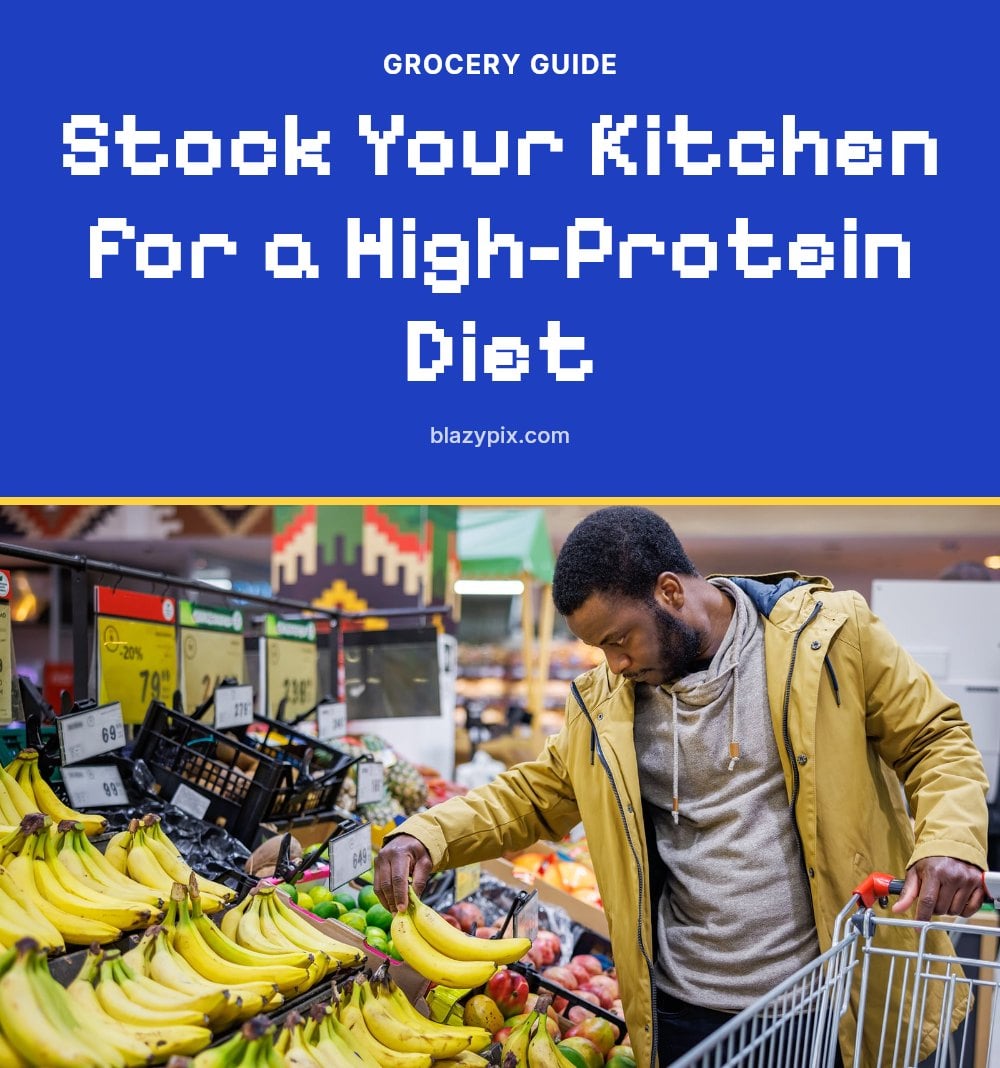
Stock your kitchen with a mix of lean animal and plant proteins so you never get bored. Aim for variety to get a complete amino acid profile.
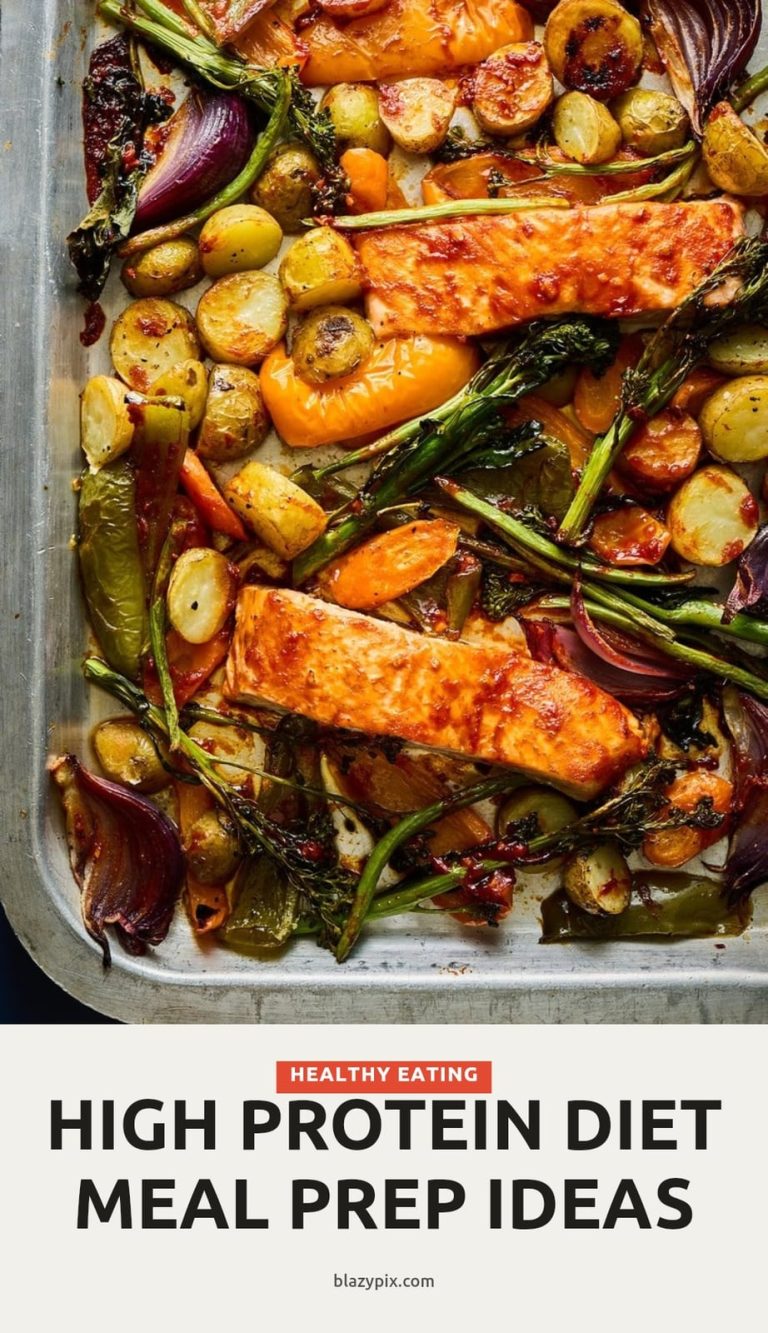
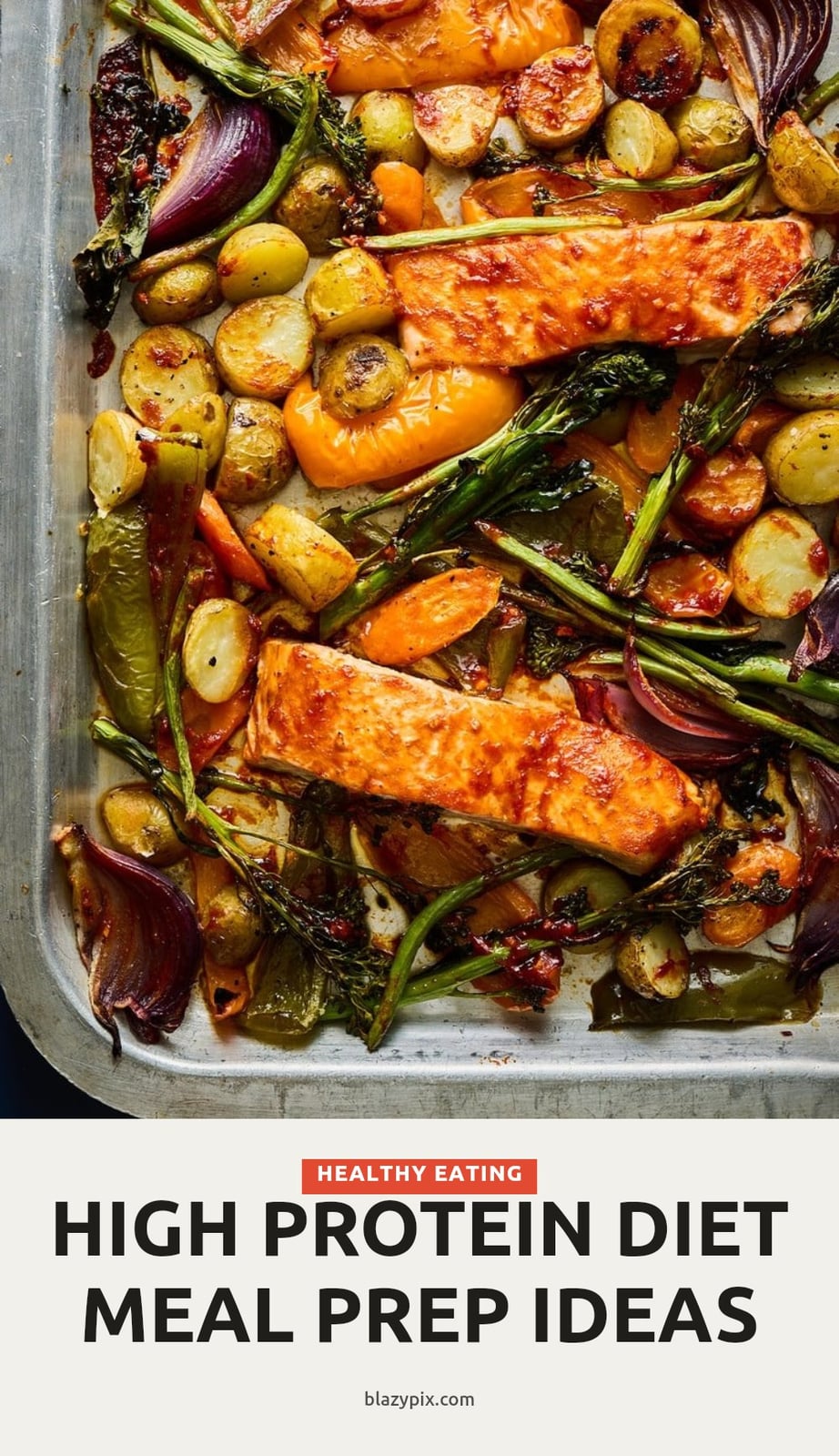
- Lean animal proteins: Chicken breast, turkey, fish like salmon or cod, and eggs.
- Dairy options: Greek yogurt and cottage cheese are high in protein and versatile.
- Plant-based proteins: Lentils, beans, tofu, tempeh, edamame, and quinoa.
- Nuts and seeds: Add almonds, walnuts, or chia seeds for a protein boost in snacks.
Protein powder can be a convenient supplement, especially after workouts, but prioritize whole foods first. They provide fiber and other nutrients powders lack.
A Sample High-Protein Meal Plan for Your Week
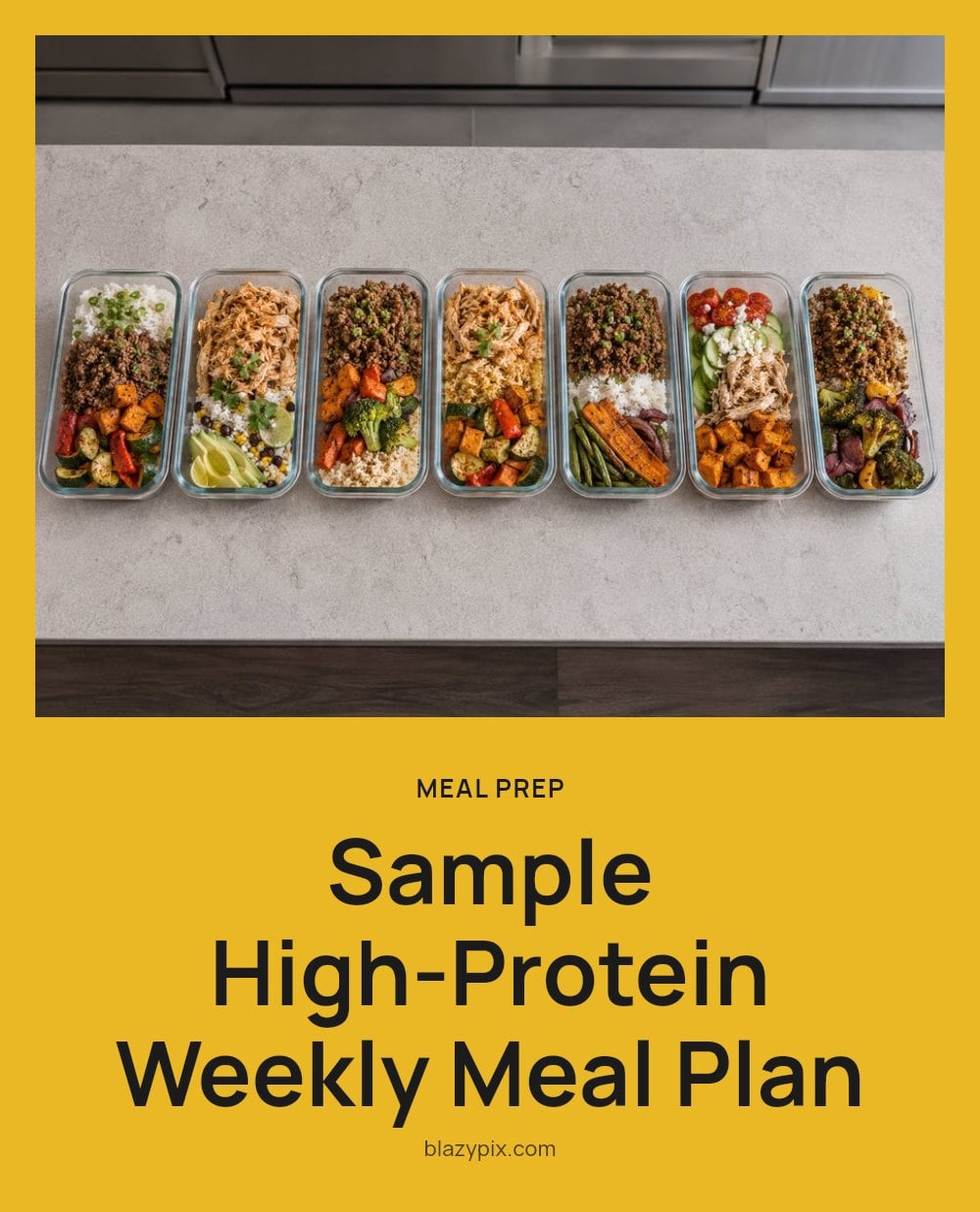
Spread your protein across every meal and snack to keep muscle protein synthesis going all day. Pair each protein source with fiber-rich vegetables or whole grains for balance and digestion.
| Day | Breakfast | Lunch | Dinner | Snacks |
|---|---|---|---|---|
| Monday | Greek yogurt with berries and almonds | Chicken salad with mixed greens and quinoa | Baked cod with roasted broccoli and brown rice | Hard-boiled egg, cottage cheese |
| Tuesday | Scrambled eggs with spinach and whole-grain toast | Turkey wrap with avocado and bell peppers | Tofu stir-fry with snap peas and cauliflower rice | Edamame, Greek yogurt |
| Wednesday | Cottage cheese with pineapple and walnuts | Lentil soup with a side of mixed greens | Grilled chicken breast with sweet potato and asparagus | Protein shake, apple slices |
| Thursday | Protein smoothie with spinach and banana | Salmon salad with chickpeas and cucumber | Turkey meatballs with zucchini noodles and marinara | Cheese stick, almonds |
| Friday | Overnight oats with protein powder and chia seeds | Quinoa bowl with black beans, corn, and salsa | Baked chicken thighs with roasted carrots and farro | Cottage cheese, pear |
| Saturday | Egg white omelet with mushrooms and feta | Tuna salad on whole-grain crackers with celery | Shrimp skewers with grilled vegetables and quinoa | Greek yogurt with honey |
| Sunday | Whole-grain pancakes with Greek yogurt topping | Chicken and vegetable soup with barley | Roasted tofu with Brussels sprouts and wild rice | Protein bar, mixed nuts |
Rotate the proteins so you get different amino acids. Keep snacks simple, pair a protein with a fruit or veggie for fiber.
Common High-Protein Diet Mistakes and How to Avoid Them
Not drinking enough water: Higher protein intake increases the nitrogen waste your kidneys must filter, so water is essential. Aim for at least 8 cups daily, and more if you exercise.
Ignoring plant-based proteins: Relying only on meat and eggs means you miss the fiber and phytonutrients in lentils, beans, tofu, and quinoa. Rotate animal and plant sources for a broader nutrient profile.
Neglecting other macronutrients: Carbs and fats provide energy and support hormone function. Don’t cut them out, pair your protein with whole grains, vegetables, and healthy fats.
Assuming more protein is always better: Excess protein beyond your body’s needs can be stored as fat or cause digestive strain. Stick to 1.2-1.6 grams per kilogram of body weight unless a professional advises otherwise.
Forgetting fiber: Protein without fiber can lead to constipation. Always pair protein with fruits, vegetables, or whole grains to keep digestion regular.
Smart Tips for Maximizing Your High-Protein Diet Results
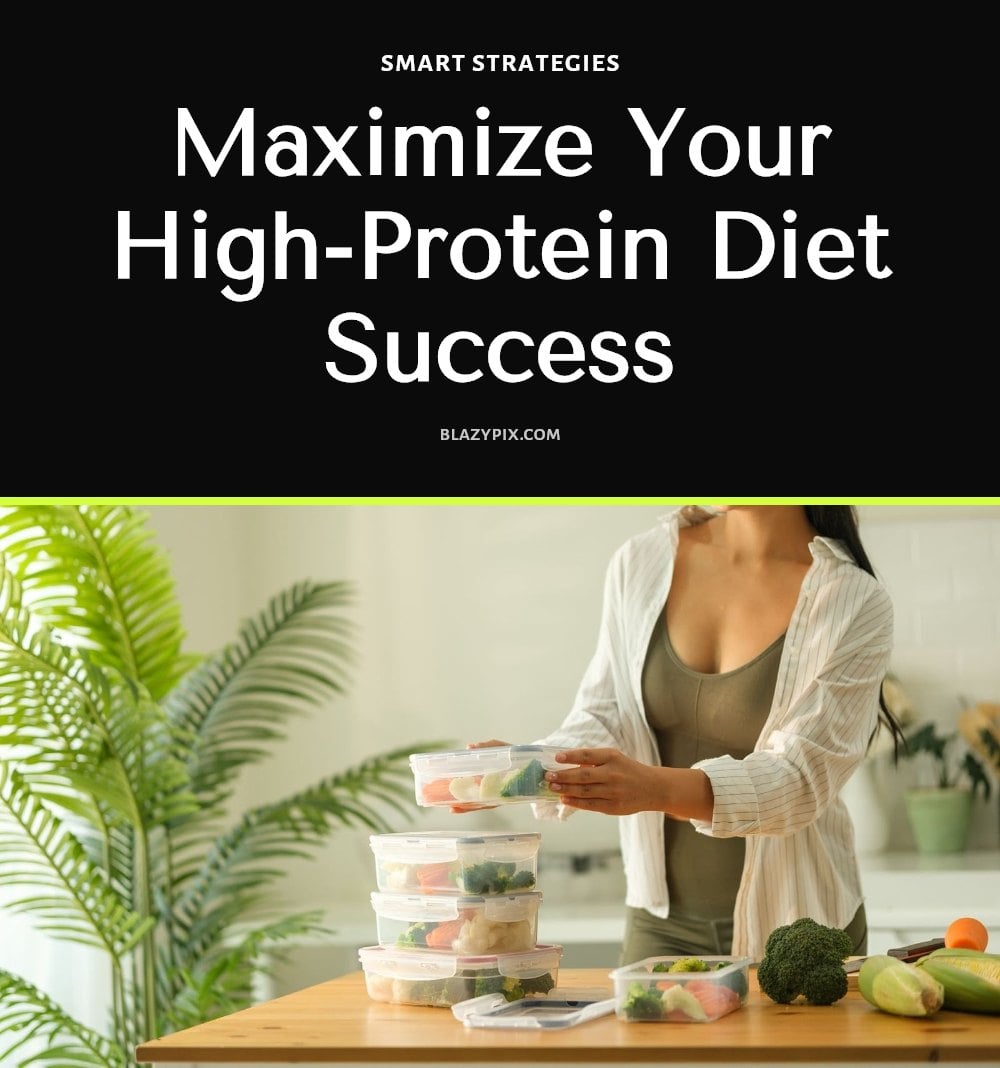
Spread your protein intake: Aim for 20-30 grams of protein at each meal and a snack or two. This keeps muscle protein synthesis active throughout the day.
Choose lean cuts: Opt for chicken breast, turkey, fish, and lean cuts of beef or pork to limit saturated fat. Trim visible fat and remove skin from poultry.
Stay hydrated: Drink water with every meal and between meals. My tip: set a reusable bottle on your desk as a visual reminder.
Listen to your body: If you feel bloated or heavy, reduce your portion size or switch to a different protein source. Digestive comfort matters.
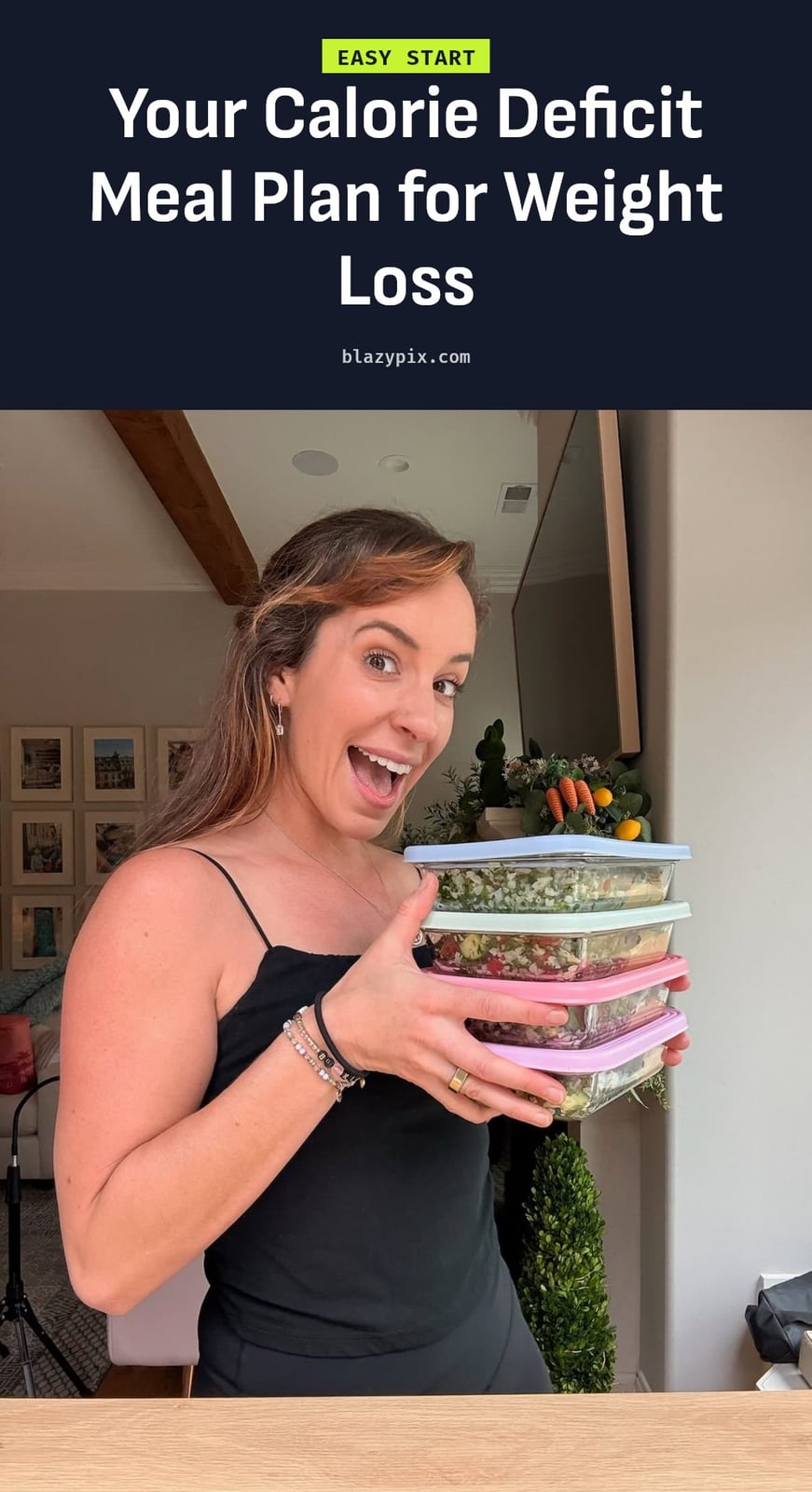
Meal prep: Cook a batch of hard-boiled eggs, grilled chicken, or quinoa at the start of the week. Having ready-to-eat protein makes consistent intake easy.
What to Expect: Timeline for Results and Budgeting for Protein
With consistent effort, most people notice changes in satiety and energy within the first two weeks. Visible results in weight or muscle tone usually appear after four to eight weeks, depending on your starting point and activity level.
Cost varies widely. Lentils, beans, eggs, and canned fish are budget-friendly, while fresh salmon and steak cost more. Focus on whole, unprocessed foods. They give you the best nutritional value per dollar.
When to Talk to a Professional About Your Diet
Always check with a healthcare professional before starting a high-protein diet if you have a medical condition, especially kidney disease. Even if you feel healthy, a registered dietitian can help you set the right protein target and choose sources that suit your lifestyle.
Seek advice if you experience persistent bloating, constipation, or other digestive issues after increasing protein. A professional can adjust your plan to avoid discomfort while still meeting your goals.
Frequently Asked Questions
How much protein do I really need in a day?
The standard recommendation for healthy adults is 0.8 grams of protein per kilogram of body weight. For weight management or muscle building, many women aim for 1.2 to 1.6 grams per kilogram. Your personal target depends on your activity level and goals.
Can I get enough protein from plant-based foods?
Absolutely. Lentils, beans, tofu, tempeh, edamame, quinoa, and nuts are excellent sources. To get a complete amino acid profile, eat a variety of these throughout the day. Plant-based options also provide fiber, which supports digestion.
What are the best high-protein snacks?
Greek yogurt with berries, a handful of almonds, a hard-boiled egg, cottage cheese with fruit, or a small serving of edamame all work well. Aim for snacks that combine protein with a little fiber or healthy fat to keep you full between meals.
Will a high-protein diet make me gain weight?
Only if you consistently eat more calories than your body needs, regardless of the macronutrient. Protein itself can help with satiety, which often leads to reduced overall calorie intake. Focus on lean sources and balance with vegetables and whole grains to support weight management.
How long does it take to see results from a high-protein diet?
With consistent effort, most people notice changes in satiety and energy within the first two weeks. Visible changes in weight or muscle tone usually appear after four to eight weeks, depending on your starting point, activity level, and overall diet consistency.
Final Thoughts
My tip: Start by adding one high-protein snack or swapping one meal for a leaner protein option each day. For most people, consistent changes like this lead to noticeable shifts in energy and satiety within the first two weeks, with visible results in weight or muscle tone appearing after four to eight weeks. A high-protein diet is a flexible tool, not a rigid rule, so adjust portions and sources based on how your body feels and your personal goals.
This article provides general information on high-protein diets and is not a substitute for professional medical or dietary advice. Individual protein needs vary based on health status, activity level, and goals. Consult a doctor or registered dietitian before making significant changes to your diet, especially if you have pre-existing health conditions.