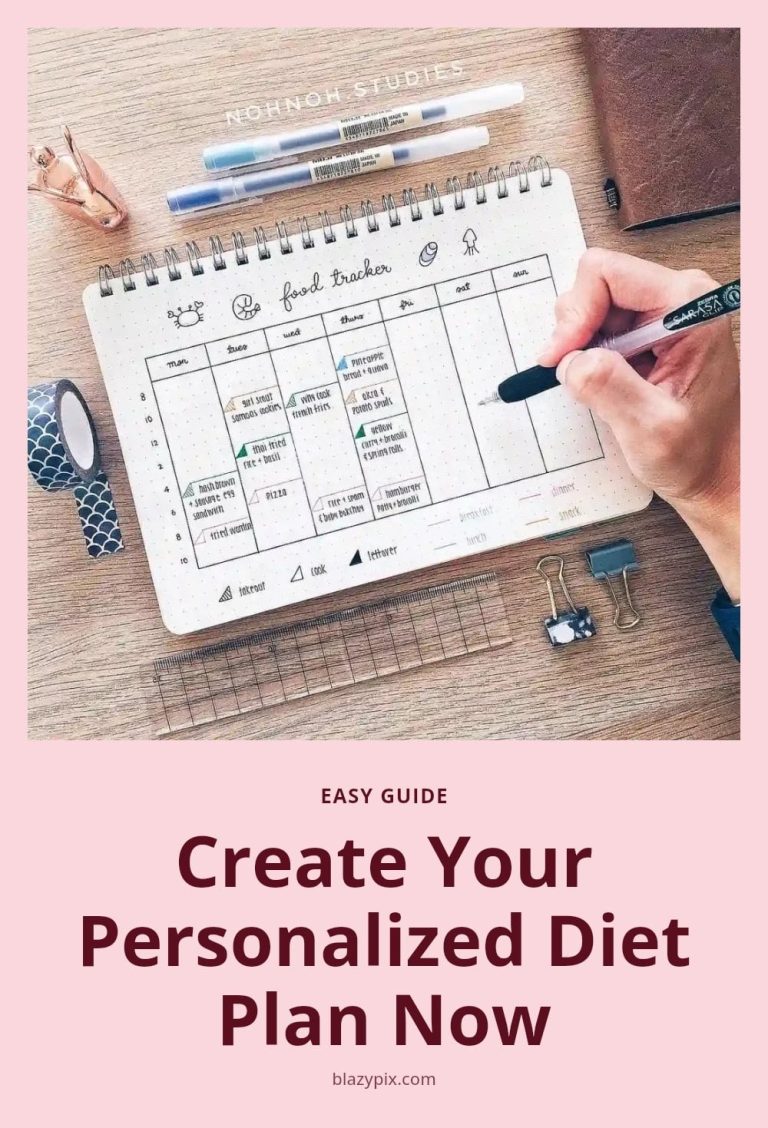
How to Make a Diet Plan that Actually Works for You
Learn how to create a personalized diet plan that fits your lifestyle and goals. Get actionable steps for sustainable, healthy eating habits.

You want a diet plan that actually works, not one that leaves you hungry and frustrated. The secret is building something that fits your life, not the other way around. This article walks you through creating a personalized plan, avoiding common mistakes, and sticking with it for the long haul.
I’ve seen too many people jump into extreme diets that fail within weeks. A sustainable plan is about gradual, smart changes that you can maintain. Below, I break down the steps, tools, and mindset shifts that make a real difference.
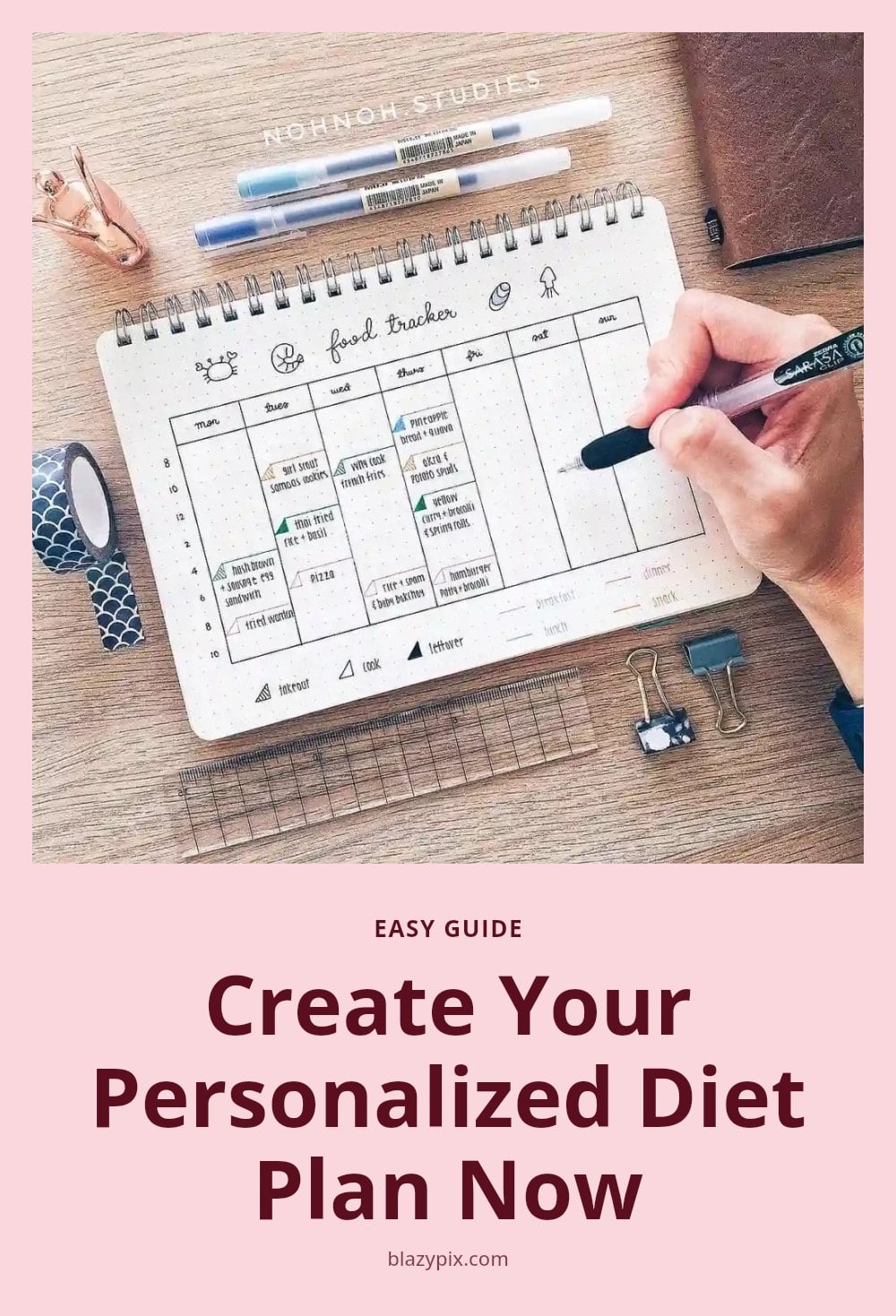
Key Takeaways
- Set SMART goals: specific, measurable, achievable, relevant, and time-bound.
- Focus on whole, unprocessed foods like fruits, vegetables, lean proteins, and whole grains.
- Plan meals and snacks ahead to avoid impulsive, unhealthy choices.
- Stay hydrated and include fiber-rich foods to support satiety and digestion.
- Consult a healthcare professional before starting any new diet plan.
What Makes a Diet Plan Effective?
A diet plan works when it fits you, not when it forces you into a box. I always look for plans that emphasize whole foods and gradual shifts instead of extreme restrictions. The key is understanding your own body: what you need for energy, what keeps you satisfied, and what you actually enjoy eating. Setting SMART goals (specific, measurable, achievable, relevant, time-bound) helps you track real progress. Prioritizing nutrient-dense options like vegetables, lean proteins, and whole grains, while staying hydrated, creates a foundation you can maintain. Flexibility and mindful eating keep the plan from feeling like a chore.
Tools and Resources for Your Diet Journey
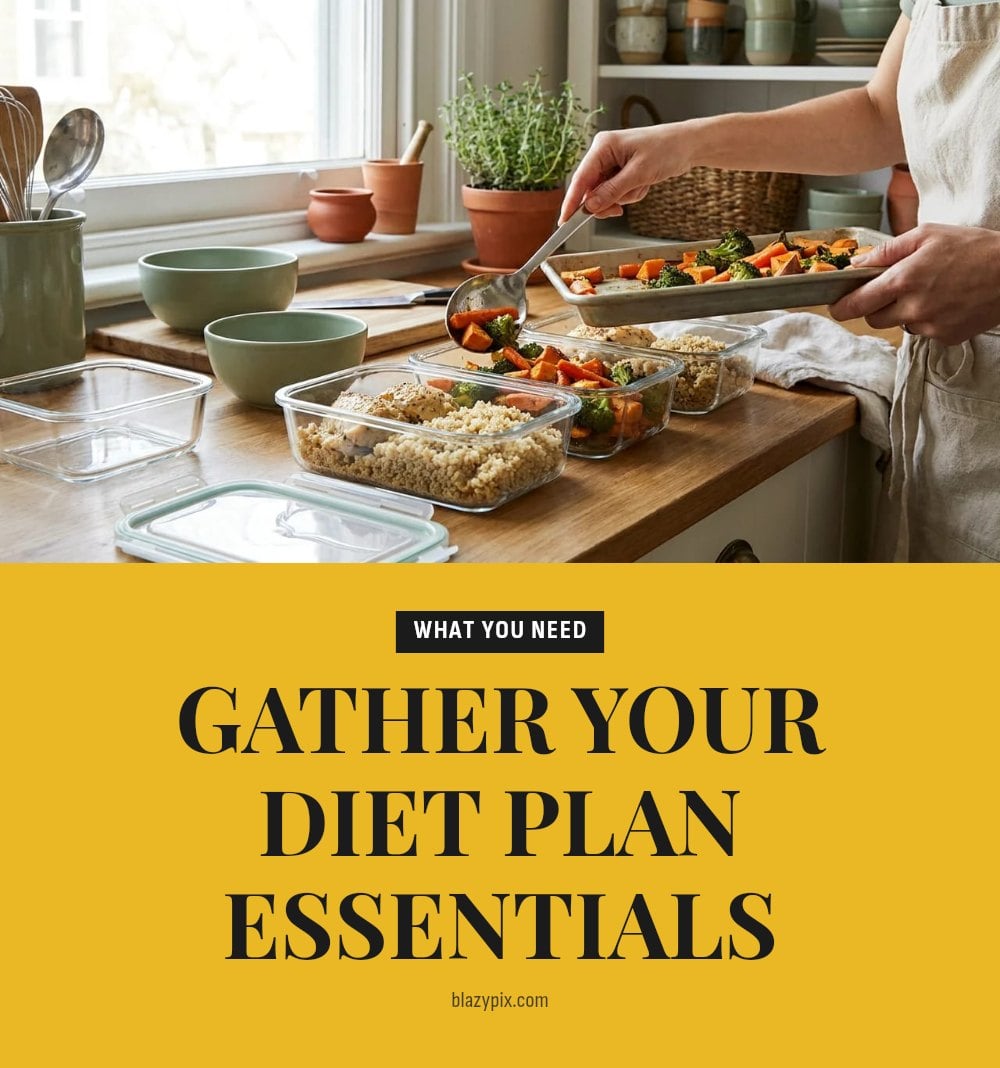
Having the right tools makes sticking to a plan much easier. Here are the ones I find most useful:
- Food journal or tracking app: Helps you monitor what you eat and spot patterns you might miss otherwise.
- Measuring cups and spoons: Essential for accurate portion control, especially with grains, nuts, and dressings.
- Food scale: Gives precise measurements for ingredients like protein and produce, removing guesswork.
- Reusable water bottle: Keeps hydration top of mind throughout the day.
- Meal prep containers: Make it simple to portion out meals and snacks for the week, reducing impulsive choices.
Step-by-Step: Crafting Your Personalized Diet Plan
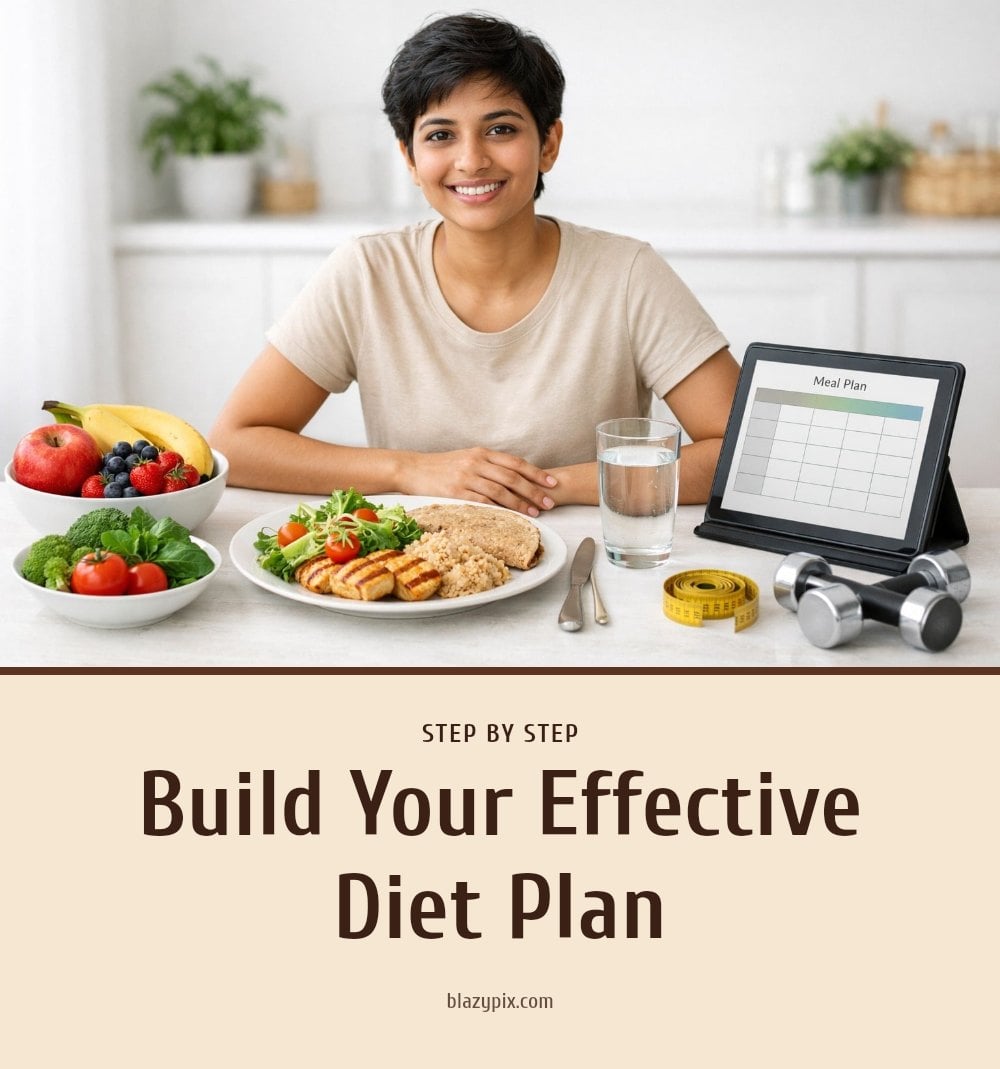
Building your own diet plan doesn’t have to be complicated. Follow these steps to create something that works for you.
- Assess your habits: Spend a few days writing down everything you eat and drink. Note when, where, and why you eat. This gives you a clear starting point.
- Set SMART goals: Instead of “eat healthier,” aim for something like “include a serving of vegetables at lunch and dinner five days this week.” Make it specific and measurable.
- Calculate your calorie needs: Use an online calculator that factors in your age, sex, activity level, and metabolism. This gives you a rough target to work from.
- Prioritize nutrient-dense foods: Fill your plate with fruits, vegetables, lean proteins (chicken, fish, tofu, beans), and whole grains (quinoa, brown rice, oats). These provide the most nutrition per calorie.
- Plan meals and snacks: Take 30 minutes each week to map out your meals. Prep ingredients or full dishes in advance to stay consistent when you’re busy.
- Focus on hydration: Aim for water throughout the day. Thirst can sometimes feel like hunger, so staying hydrated supports satiety.
- Practice mindful eating: Eat without distractions. Pause halfway through your meal to check your hunger level. Stop when you feel comfortably full, not stuffed.
- Make gradual changes: Swap one thing at a time, like replacing sugary drinks with water or adding a vegetable to dinner. Small shifts add up without feeling overwhelming.
Caution: Before making significant changes, especially if you have a health condition, talk to a doctor or registered dietitian.
Sample Weekly Diet Plan for Balanced Eating
This sample plan gives you a balanced framework. Adjust portions and specific foods to match your calorie needs and preferences. Feel free to swap meals with similar nutritional profiles.
| Day | Breakfast | Lunch | Dinner | Snacks |
|---|---|---|---|---|
| Monday | Oatmeal with berries and almonds | Grilled chicken salad with mixed greens and vinaigrette | Baked salmon with quinoa and roasted broccoli | Apple with peanut butter |
| Tuesday | Greek yogurt with sliced banana and walnuts | Lentil soup with a side of whole-grain bread | Turkey and vegetable stir-fry with brown rice | Carrot sticks with hummus |
| Wednesday | Scrambled eggs with spinach and whole-wheat toast | Quinoa bowl with black beans, corn, avocado, and salsa | Grilled shrimp with sweet potato and asparagus | Handful of almonds and an orange |
| Thursday | Smoothie with spinach, frozen berries, and protein powder | Leftover turkey stir-fry | Baked chicken breast with roasted Brussels sprouts and barley | Low-fat cottage cheese with pineapple |
| Friday | Whole-grain cereal with milk and sliced peaches | Tuna salad (with Greek yogurt) on whole-wheat crackers and cucumber slices | Lean beef chili with kidney beans and a side salad | Celery sticks with almond butter |
| Saturday | Two-egg omelet with mushrooms, peppers, and cheese | Grilled chicken wrap with lettuce, tomato, and avocado in a whole-wheat tortilla | Baked cod with roasted potatoes and green beans | Mixed berries with a dollop of Greek yogurt |
| Sunday | Pancakes made with whole-wheat flour and topped with fresh fruit | Leftover chili | Roasted vegetable and chickpea bowl with tahini dressing | Rice cakes with avocado and a sprinkle of salt |
Common Diet Plan Mistakes and How to Avoid Them
One of the biggest diet plan pitfalls is setting goals that are too ambitious. Instead of aiming to lose a large amount of weight quickly, focus on small, achievable milestones like eating a vegetable with each meal or drinking an extra glass of water daily.
Cutting out entire food groups: Unless a doctor or dietitian advises it, eliminating carbs, fats, or dairy often leads to cravings and binges. Aim for balance and moderation instead.
Not planning meals: Without a plan, you are more likely to grab whatever is convenient. Dedicate a few hours each week to meal prep so healthy choices are always ready.
Ignoring portion control: Even healthy foods can add up in calories. Use measuring cups, spoons, or a food scale for a few days to learn what appropriate serving sizes actually look like.
Failing to track progress: Regularly reviewing your food intake, even for a short period, helps you spot patterns and adjust your plan as needed.
Overlooking emotional eating: Stress, boredom, or sadness can trigger eating unrelated to hunger. Address these feelings directly rather than using food to cope.
Smart Tips for Long-Term Diet Plan Success
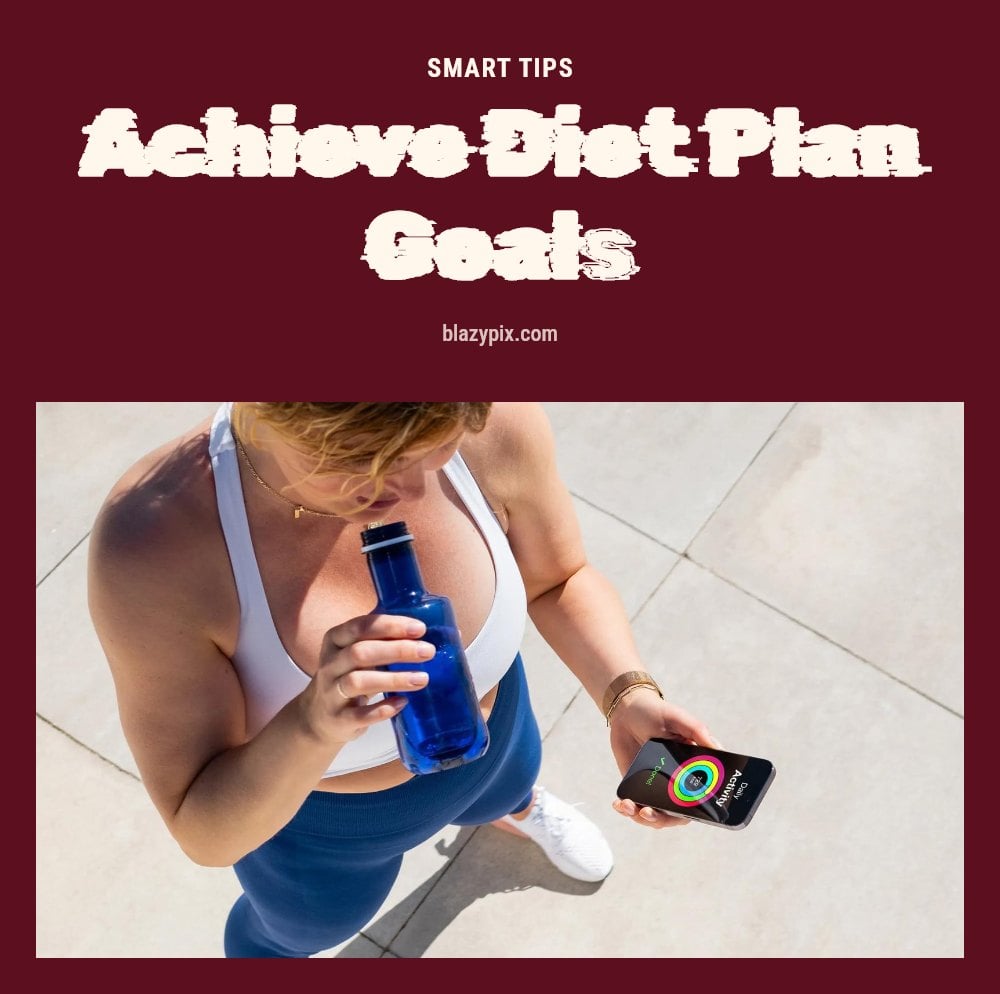
Building a diet plan that lasts means looking beyond just what is on your plate. Here are the strategies I rely on most.
Prioritize fiber-rich foods: Vegetables, fruits, beans, and whole grains promote satiety and digestive health. They help you feel full longer, making it easier to stick to your plan.
Include adequate protein: Protein supports muscle maintenance and significantly contributes to feelings of fullness. Include a source like eggs, chicken, tofu, or lentils at each meal.
Limit added sugars and unhealthy fats: These are common in processed foods. Focus on reducing them gradually rather than cutting them out overnight.
Stay consistent, but be patient: Results take time. Focus on building sustainable habits, not quick fixes. A single slip-up is not a failure; just get back on track.
Get enough sleep and manage stress: Lack of sleep and high stress can disrupt hormones that control hunger and cravings. Prioritizing rest and relaxation supports your diet efforts.
Don’t neglect physical activity: Exercise complements a healthy diet by boosting metabolism and overall well-being. Even a daily walk makes a difference.
When to Consult a Healthcare Professional
Before starting any new diet plan, always consult a doctor or registered dietitian, especially if you have chronic health conditions. This step is crucial for ensuring the plan is safe and appropriate for you.
Seek professional guidance if you are pregnant, breastfeeding, or have conditions like diabetes, heart disease, or kidney disease. A professional can help tailor a plan that meets your specific health needs and avoids nutrient deficiencies.
If you experience dizziness, extreme fatigue, or other adverse symptoms during your diet, stop immediately and consult a healthcare professional. They can help you adjust the plan to ensure it provides adequate calories and nutrients.
Frequently Asked Questions
How do I know if a diet plan is healthy?
A healthy diet plan emphasizes whole, unprocessed foods like fruits, vegetables, lean proteins, and whole grains. It should include a variety of food groups and not rely on extreme restrictions or eliminate entire food groups without professional guidance. If it promises rapid weight loss or feels unsustainable, it’s likely not healthy.
Can I still eat my favorite foods on a diet plan?
Yes, you can include your favorite foods in moderation. A sustainable plan doesn’t require complete deprivation. The key is balancing indulgent foods with nutrient-dense options and practicing portion control. Allowing occasional treats can help you stick with the plan long term.
What if I don’t see results right away?
Results take time, often weeks to months, depending on your goals and consistency. Focus on non-scale victories like increased energy or better digestion. If you don’t see progress after a few weeks, reassess your plan, adjust portions, or consult a dietitian. Avoid comparing your journey to others.
How much water should I drink daily for a diet?
General guidelines suggest around 8 cups (64 ounces) per day, but needs vary based on activity level, climate, and individual metabolism. Listen to your body’s thirst cues and aim for pale yellow urine as a sign of good hydration. Adequate water supports satiety and overall health.
Is meal prepping essential for a diet plan?
Meal prepping is not essential, but it can make healthy eating more convenient and help you stay consistent. If you have time, prepping meals or ingredients for a few days can prevent impulsive choices. Even simple planning, like washing veggies or cooking grains ahead, can help.
Final Thoughts
My biggest recommendation is to start small: pick one or two changes, like adding a vegetable to each meal or drinking an extra glass of water daily. Expect to see gradual benefits over weeks or months, not days. Consistency matters more than perfection, so be patient with yourself.
If something feels off, adjust your plan. A diet that works for you is one you can live with, not one you have to survive.
This article is for general informational purposes only and does not constitute medical or professional advice. Always consult a doctor or registered dietitian before making significant dietary changes, especially if you have underlying health conditions. Seek professional guidance for personalized recommendations.