Clean Eating Guide: Simple Steps to Eat Healthier Every Day
Unlock the secrets to clean eating with our simple guide. Learn actionable steps to make healthier food choices and boost your well-being.

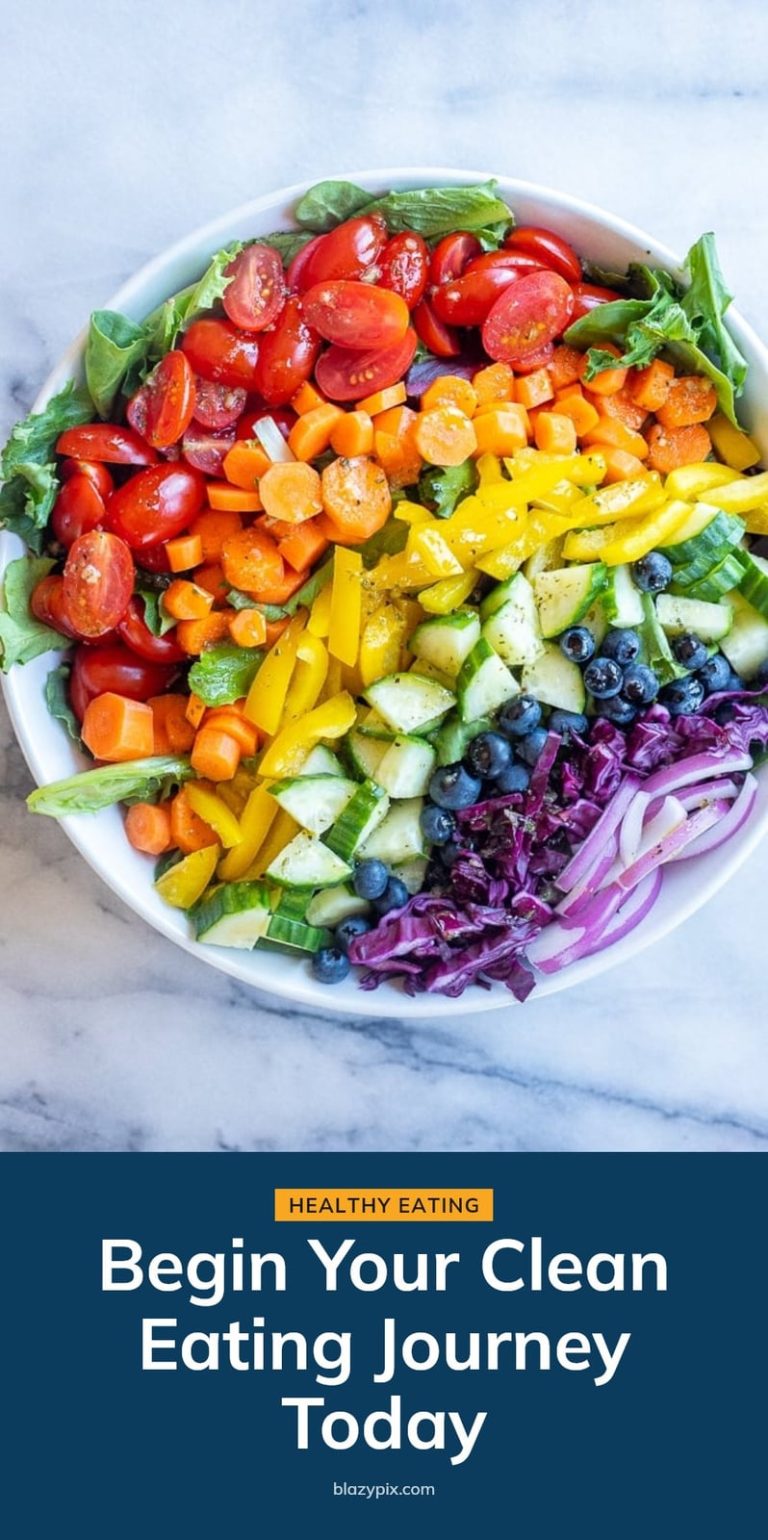
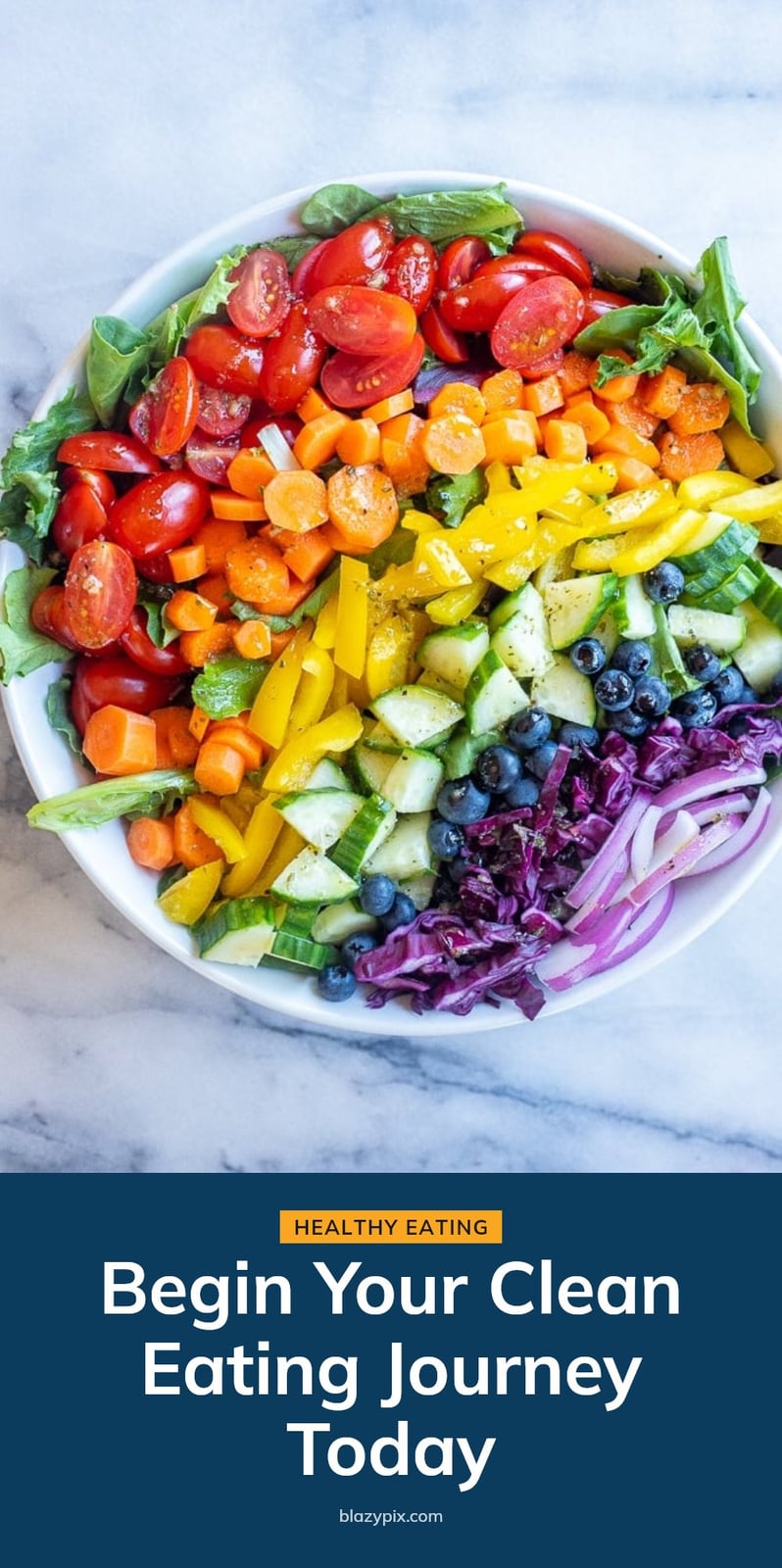
You’ve probably heard the term “clean eating” tossed around, but what does it actually mean for your everyday meals? It’s not about strict rules or cutting out entire food groups. Instead, it’s a simple approach to nourishing your body with whole, unprocessed foods like fruits, vegetables, lean proteins, and whole grains. This guide will walk you through the basics, common pitfalls, and practical tips to help you make healthier choices that fit your life.
Key Takeaways
- Fill your plate with whole foods like fruits, vegetables, lean proteins, and whole grains.
- Read food labels to spot hidden sugars and artificial additives.
- Cook at home more often to control ingredients and preparation methods.
- Stay hydrated with water and choose healthy fats from avocados, nuts, and seeds.
- Think of clean eating as a sustainable lifestyle, not a restrictive diet.
What is Clean Eating, Really?
Clean eating means focusing your plate on whole, unprocessed foods like fruits, vegetables, lean proteins, and whole grains. It’s about avoiding artificial ingredients, added sugars, and unhealthy fats to nourish your body from the inside out. Think of it as a lifestyle choice for better energy and digestion, not a strict diet with a list of forbidden foods. My tip: start simple by swapping one processed snack for a piece of fruit each day.
Your Clean Eating Kitchen Essentials
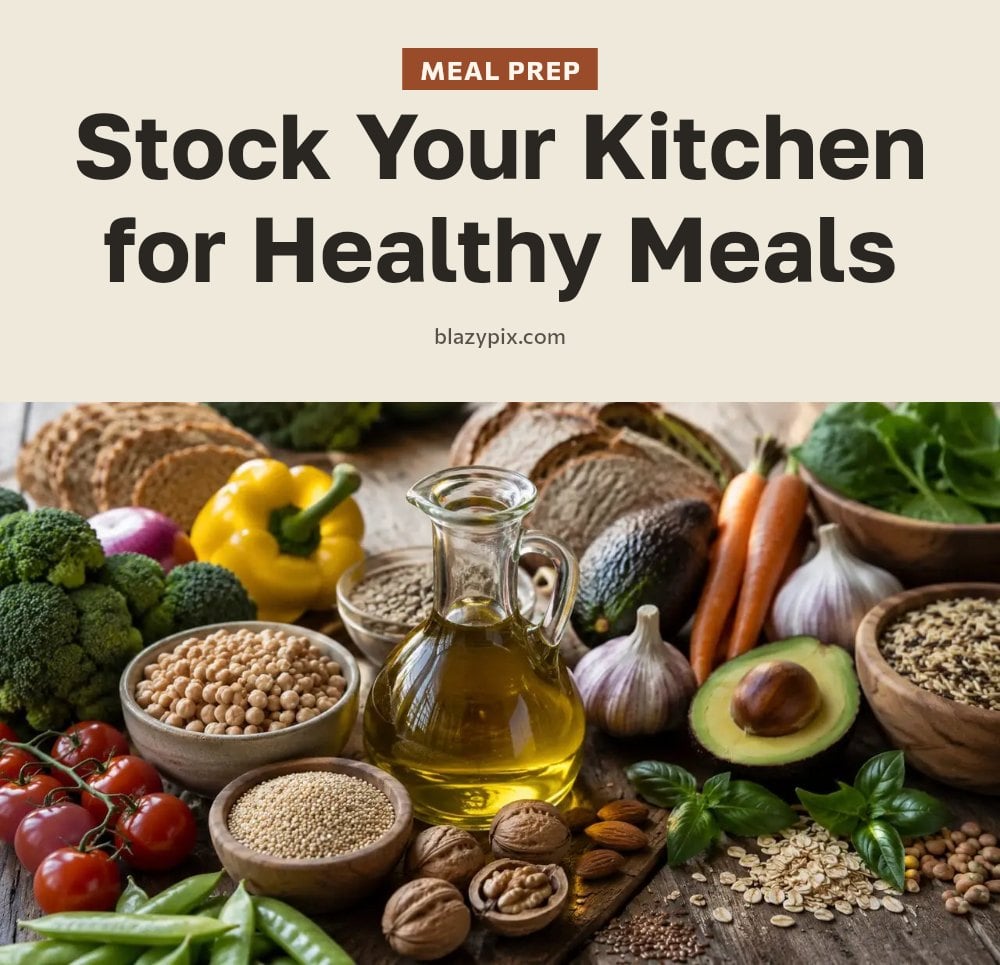
Stock your kitchen with these basics to make clean eating easy every day.
- Fresh fruits and vegetables: The foundation of every meal and snack.
- Lean proteins: Chicken, fish, beans, and lentils help keep you full.
- Whole grains: Oats, quinoa, and brown rice provide steady energy.
- Healthy fats: Nuts, seeds, and olive oil support brain and heart health.
- Water, herbs, and spices: Essential for hydration and adding flavor without salt or sugar.
Simple Steps to Start Your Clean Eating Journey
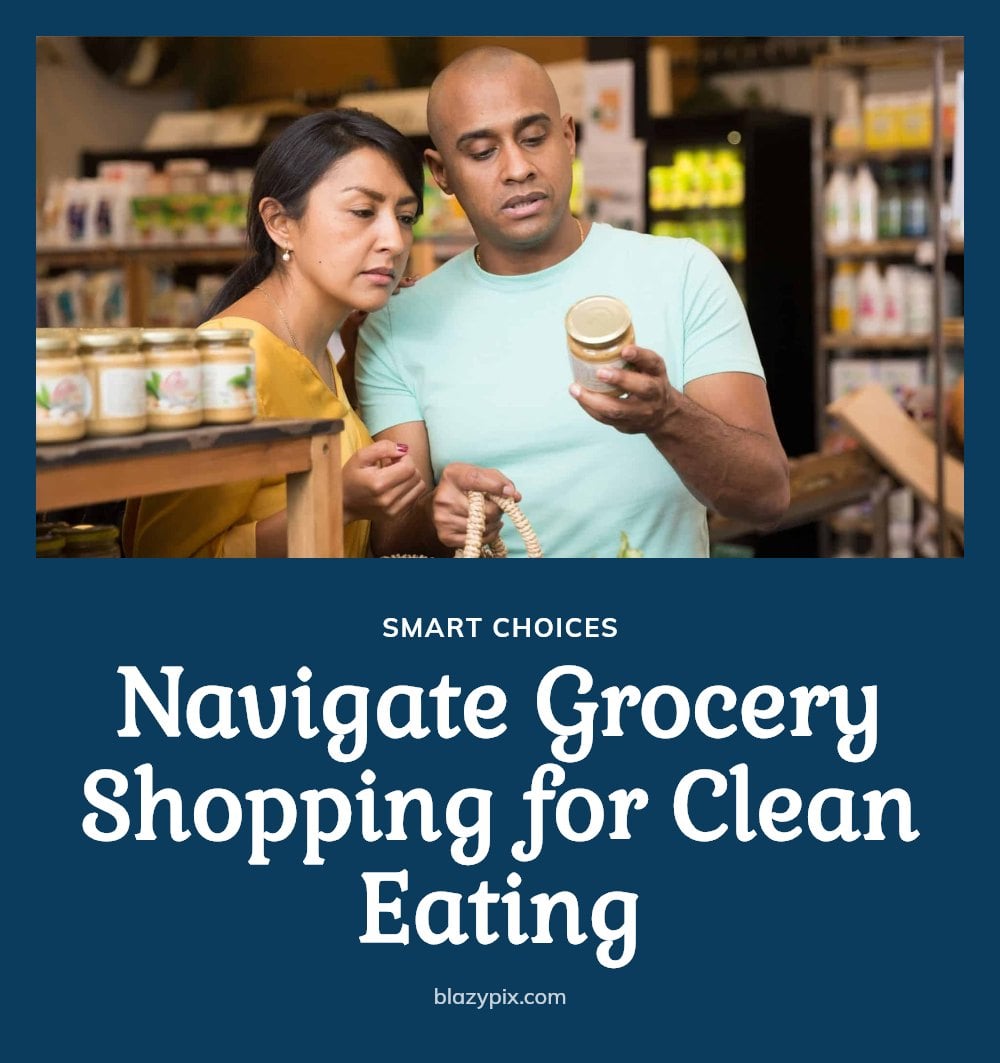
- Prioritize whole foods in your cart: Fill most of your basket with produce, lean proteins, and whole grains before reaching for packaged items.
- Read food labels carefully: Look for hidden sugars under names like “high-fructose corn syrup” or “agave nectar,” and avoid artificial additives.
- Cook meals at home: This gives you full control over ingredients and preparation methods, so you know exactly what’s in your food.
- Stay hydrated: Drink water throughout the day instead of sugary drinks or juices. Aim for at least 8 cups, more if you’re active.
- Choose healthy fats from natural sources: Add avocado to salads, snack on a handful of almonds, or drizzle olive oil over roasted vegetables.
- Opt for whole grains over refined grains: Swap white rice for brown rice, white bread for whole-grain bread, and regular pasta for quinoa or whole-wheat pasta.
Tip: Prep a big batch of quinoa or brown rice at the start of the week to make grain swaps effortless.
Common Clean Eating Pitfalls to Avoid
Even with good intentions, a few common mistakes can trip you up. Here’s what to watch for.
- Becoming overly restrictive: Clean eating doesn’t mean only raw or vegan foods. Aim for balance, not perfection.
- Ignoring hidden ingredients: Always read labels for added sugars and artificial additives, even in foods labeled “natural.”
- Believing all “natural” is clean: Many “natural” foods still contain processed ingredients like refined oils or excess salt.
- Focusing on perfection: Progress matters more than getting every meal exactly right. One slip-up doesn’t undo your efforts.
- Overlooking portion sizes: Even healthy foods like nuts, avocado, or whole grains can add extra calories if portions are too large. Pay attention to serving sizes on labels and listen to your body’s fullness cues.
Top Tips for Sustainable Clean Eating
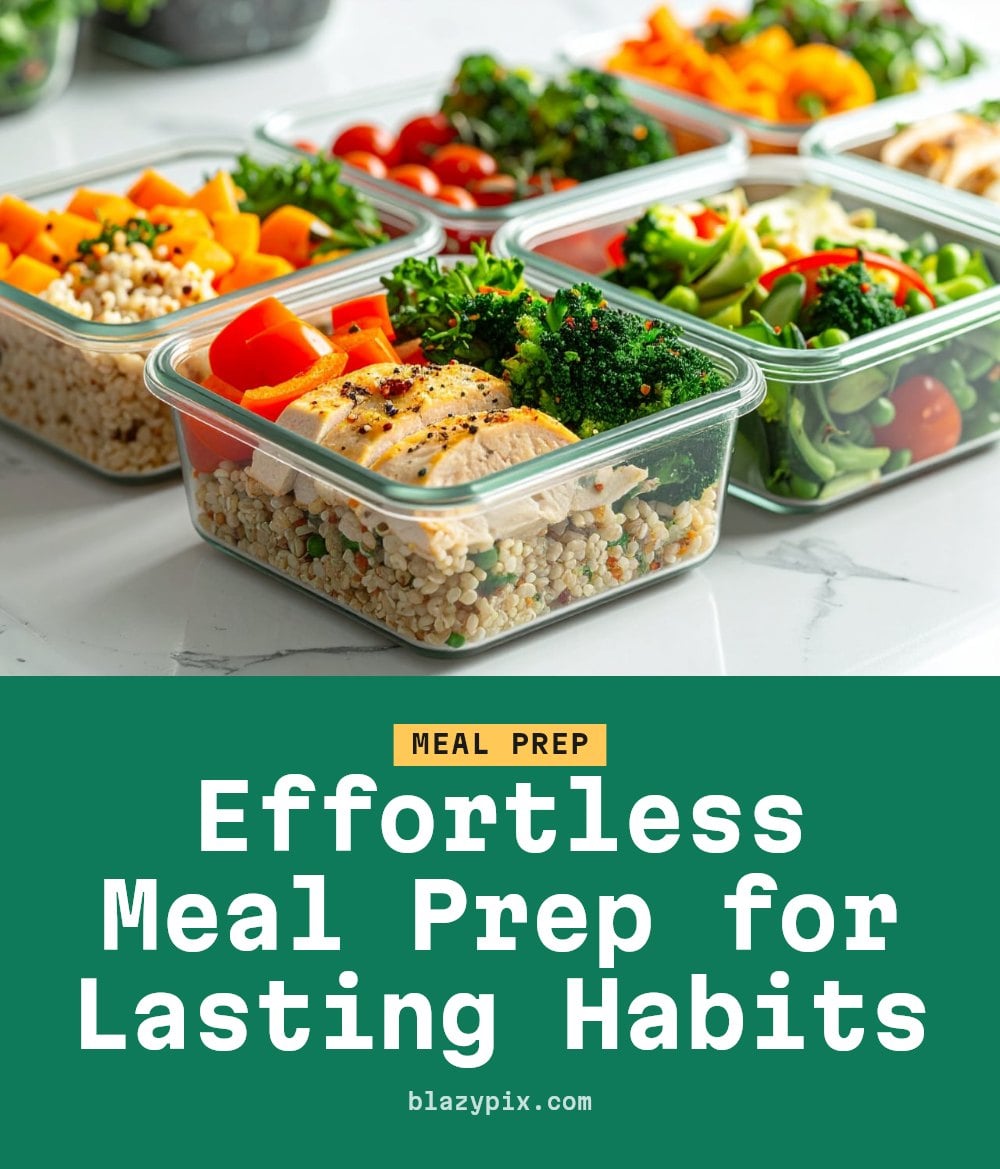
Meal prep like a pro: I set aside two hours on Sunday to wash veggies, cook a batch of quinoa, and portion out snacks. It saves me from reaching for convenience foods during a busy week.
Spice it up: Cumin, smoked paprika, and fresh herbs can transform a simple chicken breast. My tip: keep a few spice blends on hand so you don’t rely on bottled sauces that often hide sugar and sodium.
Listen to your body: Eat when you’re hungry and stop when you’re comfortably full. Clean eating works best when you respect your own cues, not a rigid schedule.
Embrace variety: Rotate through different colored produce, red peppers, leafy greens, purple cabbage, to get a wider range of vitamins and antioxidants.
Plan ahead for challenges: Keep a small portion of almonds, about a handful, or an apple in your bag so a hunger attack doesn’t send you to a vending machine. Pre-portion nuts into snack bags to avoid overeating, since even healthy fats add up quickly.
What to Expect: Timeline and Cost Considerations
You might notice better energy and smoother digestion within a few weeks. That initial shift comes from replacing processed foods with whole ones your body processes more efficiently.
Clean eating is a long-term commitment. The real benefits, stable mood, consistent energy, and better overall health, build over months and years.
Cost-wise, it can fit any budget. Buy seasonal produce and bulk whole grains like oats and brown rice. Frozen vegetables work just as well as fresh and cost less.
Think of it as an investment in your health. Spending a little more on quality ingredients now can reduce future medical costs related to poor diet.
When to Consult a Professional
If you have a chronic condition like diabetes or are pregnant, talk to your doctor before overhauling your diet. They can help you avoid nutrient gaps or interactions with medications.
If you suspect you’re missing key nutrients, like iron or B12, or feel overly anxious about food choices, a registered dietitian can give you personalized guidance.
Persistent digestive issues or unexplained symptoms warrant a medical checkup. A doctor can rule out underlying causes and help you adjust your clean eating plan safely.
Frequently Asked Questions
Is clean eating suitable for weight loss?
Clean eating can support weight loss because it emphasizes nutrient-dense, lower-calorie foods like vegetables and lean proteins while minimizing processed items and added sugars. However, portion sizes still matter, so it’s possible to overeat even healthy foods. For personalized guidance, consider consulting a registered dietitian.
Can I still eat out while clean eating?
Yes, you can eat out and still stick to clean eating principles. Look for grilled, baked, or steamed dishes instead of fried ones, ask for sauces and dressings on the side, and choose meals with plenty of vegetables and whole grains. Don’t hesitate to ask your server about how dishes are prepared.
How long does it take to see results from clean eating?
Many people notice improved energy and digestion within a few weeks of switching to whole foods. Long-term benefits like stable mood and consistent energy come from maintaining the lifestyle over months. The timeline varies based on your starting point and consistency.
What if I can’t afford organic foods?
Organic is not a requirement for clean eating. Focus on buying a variety of fruits and vegetables, and remember that frozen or canned options without added sugars are budget-friendly alternatives. Prioritize cleaning and preparing non-organic produce properly to reduce pesticide residue.
Final Thoughts
Clean eating is less about perfection and more about making consistent, mindful choices. Start by stocking your kitchen with basics like fresh produce, whole grains, and lean proteins, and build from there. You might notice better energy and digestion within a few weeks, but the real payoff comes from sticking with it long-term. Remember, it’s okay to have treats now and then; what matters is the overall pattern of your eating habits.
This article is for general informational purposes only and is not a substitute for professional medical or nutritional advice. Always consult a qualified healthcare provider or registered dietitian before making significant changes to your diet, especially if you have underlying health conditions or are pregnant.